 |
| 2nd
Bn The XX Lancashire Fusiliers |

Click here
for the 2017 Battlefield Tour
(The
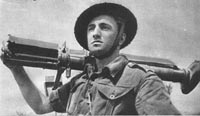
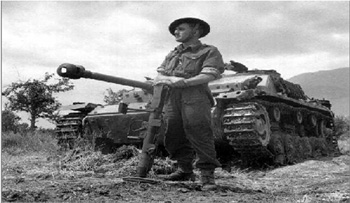
left hand photos is Frank with his P.I.A.T. gun and the right hand photo
see below)
FROM THE TANK MUSEUM AT BOVINGTON. “The photograph shows what appears to be an assault gun: Sturmgeschutz 40 Ausf. G (StuG III Ausf. G). Basically, the Germans used the hull of a Panzer III (the turret was removed) and fitted a 7,5cm gun into the front of the superstructure. Assault guns were widely used and were difficult to spot given their low silhouette. They were employed as assault gun (Sturmgeschutz) / tank destroyers usually in detachments both independent and attached to divisions. They were used at Monte Cassino and there are a number of photos in existence.which show them knocked out.” |
|
We have had an e mail from Colin Foster
who has come across Nicholas James Bramble Piskon he could find nothing
else about him so came to us
Geoff Pycroft has been checking into him.
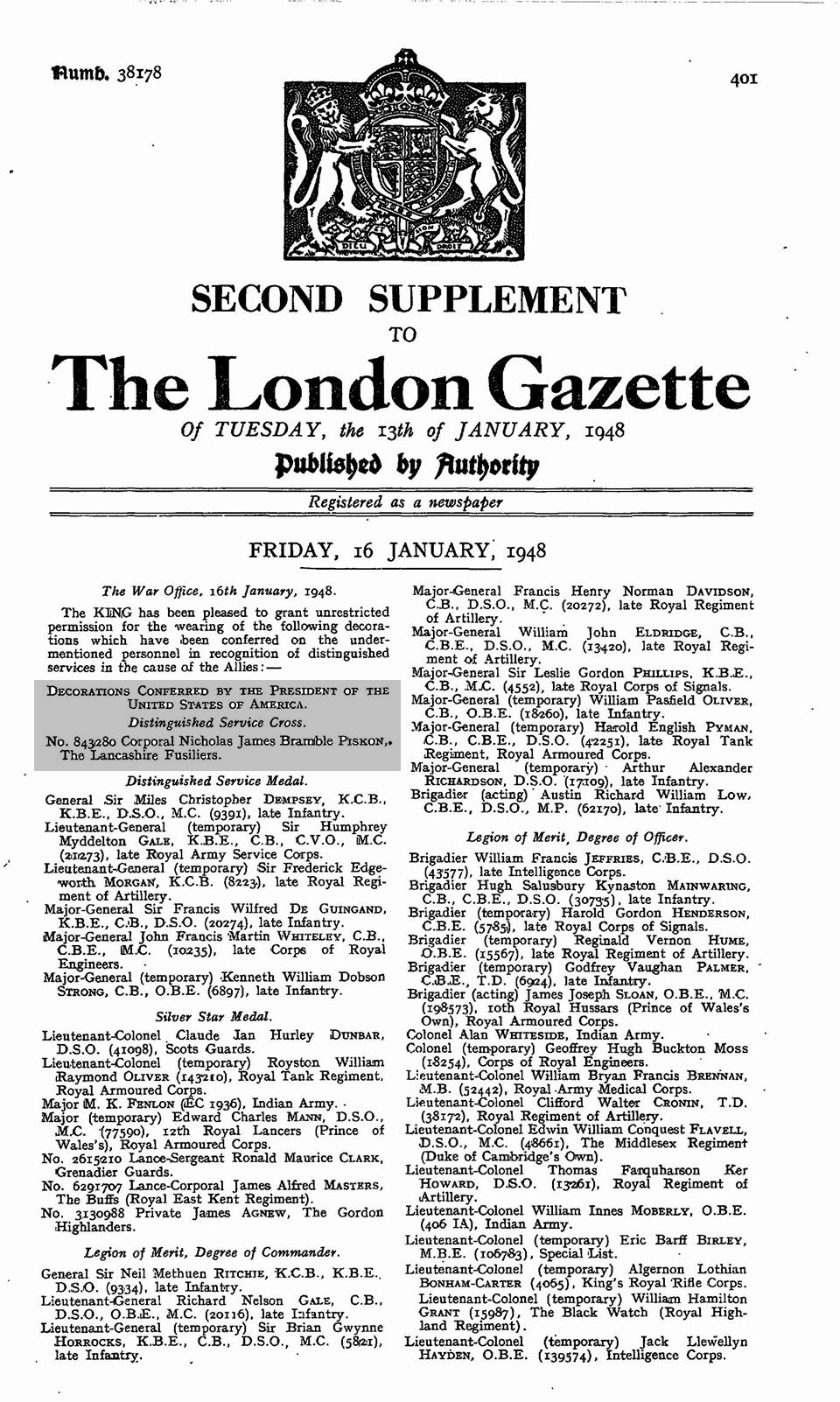
PISKON, NICHOLAS
The Battle of Monte Spaduro, 19th October 1944
‘This, the last winter of the war,
in my opinion illustrated the capabilities of the Germany army more
perfectly than any other phase of the Second World War. They no longer
possessed any reason to go on fighting and, those of them who thought
of it, all knew perfectly well that they were doing so in the worst
of causes. Moreover, their own venerated army commanders had just
done their best to assassinate their Fuhrer, who had set them on their
terrible course in the first place. They were often short of ammunition
and food and, in this last phase, their winter clothing left a great
deal to be desired. Nonetheless, they continued to fight with the
same skill, indeed more so, and the same dogged endurance that they
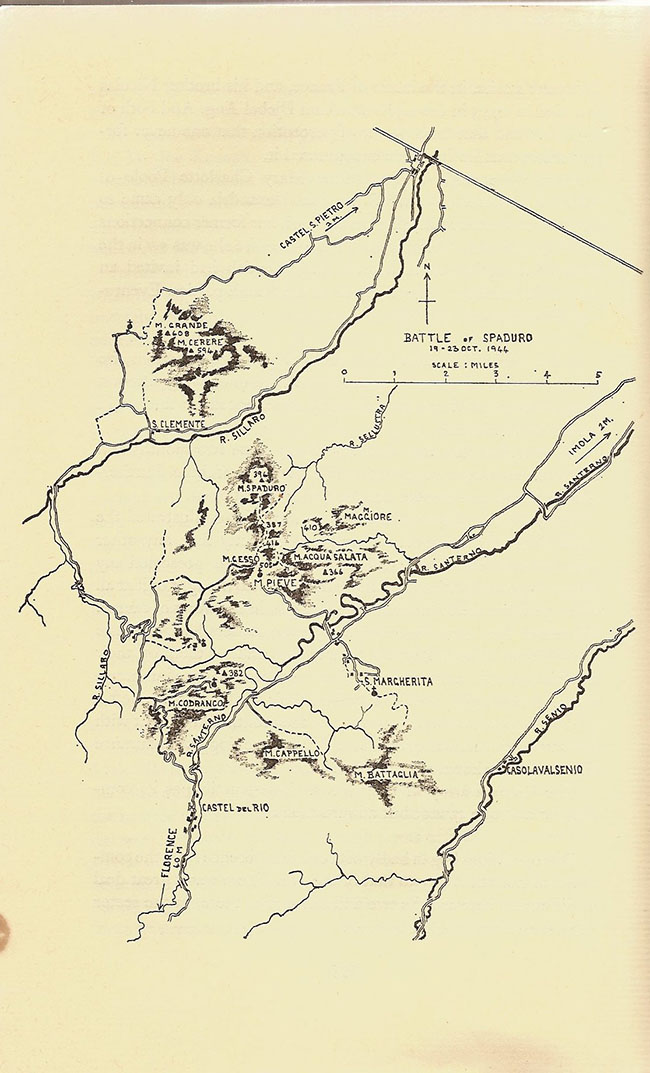
had shown at the outset. The German army in Italy was as indestructible as its commander and now cannot but admire them. Our operations began badly with our transference from the command of the 8th Army to that of the 5th. There was a great deal of difference between the two and our arrival there, in the sector north of Florence, coincided with the first autumnal rainstorms. We were soon back in familiar terrain, with circumstances differing only from the Cassino sector, where this tale began in that it was another winter, another year of the war had gone by, and we were two hundred and fifty miles north of those past adventures. We were back with our mules again and the mud and the high hills. Even the characters were the same – those that remained – and the same hapless policy persisted of forcing the army forward, regardless of the supply conditions behind it and knowing that full scale deployment and the use of armour were impossible. One can best marvel at such self confidence in the face of the known strength of the enemy, but it never occurred to anyone, that I knew of in the Irish Brigade…that we would act in any other manner. The thoughts behind our assignment to the 5th Army also wore a familiar imprint – as Pat remarked: Mark Clark needed one slight extra shove to get his men through the passes to Bologna, and the loan of the 78th Division would naturally provide all that was needed. Hardly surprisingly, the enemy rapidly reinforced the sector by way of reaction and, in the ensuing weeks, seven German infantry divisions or part of them, were arrayed against our American friends and ourselves – thereby again, proving the compliment of a captured officer that ‘they identified the decisive sector by our presence.’ In consequence, another six months went by before that barrier was sundered – if, in fact, it ever was, as the German hill positions were finally turned by the thrust of the 8th Army down the Po valley from the east and the 78th Division had to be sent back to them so that they could achieve it. In the meantime, we were at close grips with the enemy in the hills surrounding Castel del Rio, nearly forty miles north of Florence. Here, in October, after a month of skirmishing and company attacks that were expensive to both sides, the Irish Brigade ground to a halt with the sinister massif of Monte Spaduro confronting it. Part of this time, we had spent on Monte Codranco, the Faughs being separated from the rest of the brigade by the Santerno river, which flowed down the glen between us and was now a raging torrent. Here, on Codranco, we were in the attentive and unforgettable care of the United States 88th Infantry Division and, here, we were temporarily under their command. Clearing the tops of Codranco involved fighting a parallel battle with the Americans, who were still intent on plunging through the remaining hills in to the Po valley and towards Bologna, both temptingly close to us. But Codranco, like all the other mountains near it, had features, which allowed the residents to shoot anyone up the tail, who by passed it. It became our task to eliminate these people as the American offensive could not continue here until we had done so. This operation, like all things difficult, I assigned to D Company and Jimmy Clarke’s successive dusk attacks on Point 382 would live in Faugh history like some of his other adventures. The setting of the action had African overtones with a knife edge ridge to approach on, a church to provide a first class fort at the foot of the Point and a forty five degree muddy slope up to the principal German posts on the top of it. As the latter was crowned with quite robust buildings, all that the garrison had to do to defend the place was to toss grenades out of the windows, while they were having their evening meal. It took Jimmy and his equally valiant subaltern Dick Unwin, three consecutive nights to secure the feature. He tackled it in stages, acquiring the church on the first one and the performance of the sixty grenadiers of the German 756 Infantry Regiment in defence of it was a clear indication of the enemy morale and ability to fight at that stage of the war. Before they relinquished their grip on the place, thirteen of them had been killed and another dozen wounded. At Jimmy’s third attempt, the survivors finally bolted and D Company found themselves possessed of their objective itself and a solitary pair of prisoners, both of them suffering from shell shock. One of them had recently been at Birmingham University. Like most of these individual hill top actions fought out at close range, our own damage was far from light – but D Company fought as it always did. The whole operation cost us seventeen of our men, including Sergeant Robbie Robertson, who took out a fighting patrol at the conclusion. After killing a pair of sentries at the next lot of posts, Robbie was put down by a stick grenade for the second time in his life. A few days later, I sent down to Florence, where he was in hospital, inviting him to take on as sergeant major. But, by then, much else had happened. The Americans fighting technique was unusual and parts of the attack of the United States Army reminded me of scattered elements of a race course crowd surging to greet the winner. Our own men, one scarcely saw in the course of an assault, but an American one was quite different. There appeared to be no planning other than the assigning of objectives and the GIs, merely advanced en masse spurning the usual precautions which our own infantry thought necessary. Their casualties from German shell fire were colossal and the overall scene hardly differed from some of their splendid Civil War paintings. “Pickett’s charge at Gettysburg” had it all. Their radio traffic was interesting. I recorded one of the conversations of a regimental commander addressing his CO on the hill face opposite. ‘Gee, why ain’t your boys going up that hill? I see ‘em messing about with tools…’ Aw, colonel, how can I attack the God damn hill unless I have artillery?’ ‘…Hell, you can’t have the guns all the time, can he, Porky?’ Nevertheless, the Yanks fought most gallantly and, somehow, the system worked. Unfortunately, that night in the aftermath of the action, one of the American signal detachments collided with one of our own posts in the darkness and were shot down and killed to a man. We were not then used to the American helmets, whose outline in the darkness so nearly resembled the enemy’s and there were other near misses for similar reasons as well as to the fact of stray Americans being liable to be found almost anywhere when operations were in progress. The following morning, I went round to the regimental commander of the 351st US Infantry and, expressing my regrets, he received me like a brother. ‘Think nothing of it – it happens every night,’ he said, patting me on the shoulder and pouring me out a stiff gin. I prefer to remember his generosity rather than the possible truth of the comment. They were a joy to be with all right, and the elan of their youthful company commanders was most refreshing. By then, there were heart searchings at Army level and, with only demolished roads and a sea of mud behind us in the mountain passes, the possibility of maintaining any kind of offensive vanished. The 8th Army working round by the Adriatic coast lay in another world. A further week of probing followed, with orders changed daily as the 5th Army tried to make up its mind how to pass the impassable. As we slowly ground our way through the outer defences, we found ourselves at last facing the central keep of this last mountain barrier. Unfortunately, we failed to recognise it for what it was and I strongly suspect that Army Headquarters, alone, appreciated its true significance – if anybody did. Monte Spaduro lacked the majesty of St Benedict’s Mount but it played a similar role none the less in the enemy defence system. Moreover, the Germans disclosed their hand in the troops they assigned to guard it and by the way they guarded it. Here were the final positions of their winter Gothic Line and the tenacity of the defence speaks for itself. Both sides knew that when that failed, all else would fail with it. 756 Infantry Regiment seems to have survived somehow after the sterling performance of the rest of their division at Trasimene, and we soon discovered that the 3rd Regiment of the 1st Para Division was back there too. Wherever, the Irish Brigade moved, we could be sure to find them there in front of us, somewhere in our path. The preliminaries to the battle of Spaduro on Thursday the 19th October were entirely misleading at all levels and either inadvertently, or through design, the enemy created this situation by abandoning Monte Pieve, which commanded the approaches. Our GHQ thought this extraordinary. The enemy also quitted several other nearby tactical features, which seemed to us to be important to the defence. Therefore, it appeared to the Army Headquarters that the Germans were giving way. In fact, they were only lifting the portcullis and concentrating their forces to absorb the next onslaught through it – almost enticing us into a carefully staged trap and shortening their line in the process. Monte Spaduro, which lay behind Pieve, had a high cliff shaped barrier, the Gesso ridge, running across it like a breakwater. Then turning north on its eastern side and rising to higher ground was a further shield – Monte Acqua Salata. At the point where the two ridges joined lay the narrow head of the Spaduro massif like that of a defunct dinosaur and Spaduro was exactly like that, with its head towards us, the legs pointing westwards and its bloated hind quarters rising substantially higher over three miles on from Gesso. It was bare of cover, repellent and sinister – black as the pit in the morning light, with dark grey caps on the high parts and deep fissures slashed across it where its ribs should have bee. These served to complete the illusion of some long dead monstrosity. On the 17th of October, the 78th Division was ordered to capture the place and, by the time the instruction had been fully sifted, it was found that the 1st Battalion of the Royal Irish Fusiliers was the only regiment in a position to launch the attack in the time available. There were a good many fighters in this pie and, as Pat Scott well knew, one was heading for trouble with the dismemberment of formations and frequent changes of command. We were now under 36 Brigade’s orders for the start of the attack and I think that none of us in the Irish Brigade were ever at ease when detached like that. Anyway, the splitting up of the brigade was another thing to worry about and the fact that it happened almost nonstop at this time leaves a good many questions at 5th Army Headquarters unanswered, as well as in the division. Entirely relevant to this situation was the change in our divisional commander. General Keightley had been promoted to GOC of the 5th Corps at the beginning of August and unfortunately this had left the 78th Division in a period of interregnum at a time when a sure hand on the helm was desperately needed. Charles Keightley was much missed by all of us, but none more so than by Pat Scott. The bonds had been strong ones. There had been two command changes in the interim and the effects of this remained with us until Brigadier Keith Arbuthnot was finally confirmed in the saddle in the middle of October. This should be remembered when considering the events that followed. After the German withdrawal from Monte Pieve had left 36 Brigade in the air, Pat mentioned that speed in getting after the enemy before he hardened in new positions was regarded as the dominant factor and, accordingly, we were instructed to ferret forward in the morning mist up to Spaduro, which was sure to be lightly held also – shades of San Salvo. Hardly surprisingly, instructions of this kind did not emanate from the Irish Brigade HQ. Pat, of course, at the time was not in the sector or his customary intuition would have come to our rescue. The approach to Spaduro was typical of the German choice of hill positions and, at 2am, on the morning of the 19th, we had orders to get in to the place immediately. This took some doing and the first task was to achieve some kind of base from which the operation could start. I sent Tony Morris up with C Company to clamp down on Point 416, which jutted out from the junction point of Monte Gesso and Salata – as it were the head of the dinosaur. This, he succeeded in doing unseen before the mist lifted and that move was only the only good thing done tactically that day. It bore enduring fruit. We only had twenty odd mules available to back us and, as D was obviously the reserve company after their recent exertions – and battle casualties – they were reduced to carrying up our ammunition and other necessities for the rest of the battalion. By this time, we were informed that the 36th Brigade had already captured the Salata ridge, which was now in our right rear and it never occurred to me to question this information until later. In the meantime, we climbed over the shoulder of the thing, mules and all, hidden in the mist and blissfully unaware of the sleepy jagers, who were still in residence. Shortly afterwards on Point 416 from the shelter of a rather decrepit farm house, we examined the sprawling mass of Spaduro spreading out in front of us. A few hundred yards ahead, squarely at the base of the dinosaur’s neck, was the substantial Casa Spinella, which was quiet enough in that moment but, as the mist lifted, we noticed through our field glasses a fat member of the opposition emerging from nearby and performing his toilet on the top of the next ridge, Point 387, which lay just behind it. One point of considerable relevance is that, on this critical day and night of the battle, the Faughs were by no means sure whose command they were under, not that it bothered them particularly. One of the problems of involvement with other formations is that the battle control system may not work properly and, if matters are not defined at a higher level, anything can happen. There is a tendency for attached units to be left to their own devices and, away from one’s familiars, there is not the same kind of radio chat – or maybe none at all. In consequence, recognition of trouble may be long delayed through no one’s fault. All this happened at Spaduro and there was negligible communication after the initial orders. The firm grip only reappeared the following day after we had irretrievably lost the battle. Then, and only then, Pat swept everyone else out of the way and gathered up the remains himself. Our dear brigadier tactfully skated over these points when compiling his narrative, declining to mention either the source of the orders or the briefing that preceded them – and it has to be said that the series of actions of the 78th Division in this wretched week all wore the same imprint, with the battle of Spaduro a fitting climax to them. These factors, however, were no more than background setting and, while it is a historical fact that this battle was lost when the regiment was outside the control of the Irish Brigade, I certainly never foresaw the course of events and there was little excuse for it. My own attitude of mind was such that I thought that we, the Faughs, would overcome the enemy whatever we did – and that they would dissolve in front of us. But after D Company’s experience on Codranco, I had the clearest warning and the blindness in what followed was clearly my own. Mine too was the responsibility for it. From 8am onwards, the German began heavy shelling of Point 416 both with 105s and mediums, so they already knew of our presence and, after studying the ground with Ian Lawrie and disliking what I saw, I ruled out a daylight attack. Also, at dusk, C Company brought in a prisoner who talked volubly and gave us the German dispositions in the greatest detail, including those of the garrison of Spinella, which he came from. From then on, we knew we had a whole German infantry regiment disposed on the features in front of us. The warriors had not had any food since the previous night, so I decided that zero hour was dependent on the time by which we could feed them. Also, with only two dozen mules, it had been impossible to get the support weapons up the fifteen hundred feet of Monte Gesso. However, during the afternoon, Norman Bass acquired the services of a further hundred of the animals by means known only to himself and, by 5pm, the whole battalion was up and on to the ridge with everyone fed save C Company, as they were unapproachable on 416 in daylight. The briefing for the battle was carried out by stages from my OP during the afternoon. The approaches in each case ruled out any question of committing more than a company in the assaults on the two main features and, in any case, we only had three available as D Company was still occupied in getting our support weapons on to 416 and for holding the place thereafter. Ian Lawrie had his 26 Battery and the rest of the 17th Field at our disposal and his guns would be occupied for the first two hours of the attack in short concentrations on the posts we had located and all other likely ones in the vicinity. Our own support weapons could play no part in the night action as it was not possible to get them in to their firing positions until after darkness had fallen. Shortly before nightfall, the operation quietened down and food was at last brought up to Tony’s men in their forward positions. The stage was then set up for one of the most tragic and bloody battles that we ever fought and the orders that I had given for it only made sense in the context of a demoralised enemy. At 9pm, we launched our attack, taking a wide sweep round Spinella and attacking up the feet of the dinosaur, A Company against Point 387 and B onto Monte Spaduro, which was over a mile beyond it. Such a plan on a dark night was only possible with company commanders of exceptional experience and the night navigation and control of their companies by Maurice Crehan and Dick Jefferies in the course of this action speaks for itself. A Company were on to 387 undetected owing to their flank approach and they swept over the ridges from one end to the other with their tracer bouncing over the crests in to the night sky and their opponents stampeding in front of them. The action on 387 was as short as it was sharp and Maurice reported the place secure shortly after midnight. By then, B Company had pushed far beyond on beyond A Company but from them on, they were in continuous trouble. They were fired in to from a fortified building and a protracted fight ensued before the occupants surrendered to Wally Tyler’s (Lieutenant G Tyler, RIrF) platoon, who had surrounded it. Unfortunately, Wally seems to have set the place on fire and as it included an ammunition dump inside it, the fireworks were considerable. By the time they had finished, the entire district was a blaze of light, with parachute flares and tracer criss crossing from one end of the mountain to the other. Carrying on unabashed, B Company then found themselves with a cliff faced wadi across their front and a large number of excited Germans lined up on the far side of it. Here, Dick paused for a short while before seeking a way round but, soon after he did so, they ran into an enemy detachment also on the move. Both shot together and the Germans raced off in to the darkness, leaving one of their number on the ground and several of our own. This led to further delay. By 0330, B Company were across the wadi at last and Dick signalled back enquiring if he was still to go for the summit as only an hour of darkness remained. This, I asked him to do and, in those last few hundred feet, B ran in to one post after another. They shot down or collared every one of their opponents in the process – that is, those in the path of the attack – and, at 0515, Dick, at last, reported that he had carried his objective. But, by then, the dawn was breaking. Dick sent out a fighting patrol with Sergeant Jones scouring all round them but, as in most mountain night attacks, both companies found it impossible to clear up the other German positions in the vicinity in the time available. Nor was there ever a chance of their doing so on so massive a feature. At midnight, Colin Gunner was on his way back from A Company with a dozen prisoners but he soon ran in to an enemy detachment, which had stalked across our line of advance and were crawling up towards Maurice’s men. There was a brief fight on the cliff face in the course of which two of the prisoners were killed and, after it subsided, Colin and the escort headed off westwards with the remainder in a long circuit, round and back to us. He did not arrive in until daylight. B Company also had fourteen prisoners including a feldwebel at that stage, but they met the same trouble as Colin did on the way back and ten of them were shot down by their own side. Soon after midnight, I sent C Company on to Point 387 with the hope of buttressing both companies, but Tony was never able to reach either of them. His scouts were half way up 387 when one of them, Fusilier Bowden, noticed a number of figures coming down to join them. Assuming they were A Company, he called over to one of them, who promptly swiped at him with a stick grenade. Bowden immediately fired a whole magazine from his tommy gun in to the fellow and this promptly set off a major battle, with the Germans, having the advantage of height, and showering their stick grenades down on to C Company, who were struggling up through the chasm below them. By this stage, both A and B were surrounded and, as the light increased, one machine gun after another opened up on them from all quarters. Then, a long line of German infantry lying up on the eastern side of the dinosaur’s back rose to their feet and surged forward on to both companies. Our defensive artillery fire was too little, too late, and too far out when this happened and, a few minutes later, German bombers were on to the tops of the features, raining grenades down on our fusiliers below them. Dick tried valiantly to bring the DFs in nearer but, unfortunately, reception became bad at the critical moment and, a few minutes later, the enemy were among them. Until the final moment, I was talking to Dick on the radio, while schmeisser bursts and grenade explosions provided the background accompaniment. At 0730, the final assault took place, which Dick quietly reported to me. I said, ‘Wait for the whites of their eyes,’ which Dick acknowledged. Then turning to Wally Tyler his subaltern, he said, ‘I’m damned if I’m going to give in to these buggers.’ Knowing the grim truth of our circumstances all too well, Ian and I studied the scene through our field glasses. As the light improved, we could see grey clad and other figures moving in the open all over the tops of Spaduro and a good many others lay there sprawled and motionless. We could have saturated the place with our guns with the greatest ease by a few words over the radio – but I looked at Ian and we both stayed silent. We watched the German SBs at work and they were busy there for over four hours – until 1pm, when we finally saw the last of them. Our men were out there too, Fusilier James Highcock, stretcher bearer of B Company, wrote to me on these matters. “You may guess that having to cross many a river and climb mountains, I don’t ever remember leaving a single comrade out on the field…I went out with the padre, Captain Kelleher, with mules, blankets and a white flag in full view of the enemy to recover a few of the lads the prisoners told us about….” Referring to Spaduro. “We had a very rough time, my mate Fusilier Burchet, while carrying a wounded comrade was hit by a shellfire only to die in a few minutes. He was a Salvationist….” ….and Fusilier Jack Birch MM, of D Company, I wrote later referring to our men, who were decorated, “A good many of our chaps owe their lives to him. He had been through more battles than any and, of all jobs, I know of none are worse than that. Other chaps can always take cover but when things are at their worst, that is the time when the SBs are busiest.” About twenty survivors got out from each of the forward companies. Jerry Pierce came back from B with the feldwebel still with him and Wally Tyler reappeared the following night with nine others and a number of prisoners, after being fired in to by both sides for thirty six hours. Others came in in ones and twos, including Corporal Borrett, who was hit in the stomach and crawled two miles home to us. Cheerful and smiling when he reached us, he died a few hours later. D Company then moved forward of 416 with some of our machine guns, to secure what we still possessed and the next problem was getting C Company out with the Germans sitting on the 387 rim all round them. This was only achieved by drowning the area in smoke – and that far from effective with the upward air currents off the hill faces and eddying like mad at that. But the real battle was only just beginning and, as the day developed, both D Company forward of Tac HQ and our HQ, itself, came under small arms and artillery fire from all sides as the enemy endeavoured to complete their victory. Finally, we found ourselves under heavy fire from the Salata ridge behind us and I knew the crisis was complete. I signalled this news to Pat at 9am and from that time onwards, there were stronger powers behind us. D Company suffered heavily with the enemy firing in to their backs, but no one budged and they shot back manfully. So did our own machine gunners. Tac HQ took five direct hits from heavy shells before the day had ended. Posted in the straths below us, one could even see those guns – and so could Ian Lawrie as 17 Field hunted them down, one after another. Pedro Pattison (Lieutenant MER Pattison, 1 RIrF) manhandled two of the 6 pounders on to Gesso in the evening light with the setting sun behind him and, before long, was firing HE into our tormenters over open sights. Our cooks joined in the battle beside him and I recorded that Corporal Jerry Strainger and his assistants did more to keep us in the line than any other factor. As the light failed, the battlefield quietened and I knew the tide was turning. There had been other days of action like this had been – on Kef el Tior in Africa and at La Bassee in 1940 – but this one on Point 416 was as long as any of them as we waited for the night to hide us. At dusk, the Irish Rifles came trickling in – one of their companies followed by their O Group and, shortly afterwards, Bala’s cheerful face appeared with Frankie. I knew then that Pat was in charge now and, from this time onwards, whatever might happen the battle was an Irish Brigade one. The Rifles went in the next night against 387 but, after fighting all night, could achieve nothing – save forcing the enemy back on the defensive and the withdrawal of their outposts on Monte Salata. Two similar days and nights followed until a divisional attack could be mounted. By then, General Arbuthnott had the reins firmly in his hands and, at last, could show the way ahead. Monte Spaduro finally fell to the 78th Divison on the 23rd of October and it took the combined efforts of 11 Brigade and the rest of the Irish Brigade before they succeeded. The action began with a daylight raid by Desmond Fay and two of his riflemen on the slopes of 387. Desmond crawled up unseen by the drowsy German sentries and was in to one of their weapon pits before they knew anything about it. He shot the pair of them and grabbed a third, who was slumbering peacefully beside them. The terrified German was then rushed home by his pint sized captor. As Pat said, everything in creation opened on them in the process, but Desmond’s overworked guardian angel took care of her charge. The jager talked freely on arrival, disclosing what he knew of the German dispositions in sufficient time for the attack to be adjusted to meet them. In the course of the battle, the remaining strength of the Irish Rifles was expended on Casa Spinella, which they finally carried after extirpating the entire garrison. They broke up one counter attack after another in the last hours of the night and, when the dawn came, the triumphant survivors found themselves possessed of their hump of rock and the ruins that crowned it. They also had two dozen exhausted prisoners and a casualty list scarcely less than the Faughs had been. Five of the Rifles’ officers died in the battle, among them Ronnie Boyd, who had led the attack. Ronnie was mortally injured. Bala Bredin sat with his stricken company commander in the RAP afterwards. There were times in battle when a poker face was the only personal armour left. In this forlorn battle of Spaduro, the Faughs had fought on their own – in total isolation. They had attacked and carried positions that were held in strength by two German battalions and part of a third and, according to our prisoners, their regimental commander and most of his officers died in the battle. But, at the end, we had been broken up in the manner constantly feared since our earliest actions in Africa. This was a finger thrust, if ever there was one, and a crooked spindly finger at that. This was the inevitable result of self confidence, over confidence, or any confidence, when fighting the German army, who could only be overcome by meticulous planning – and common sense – and valour. It seems that only the latter was available freely on the 19th of October in 1944. Forty of our men of A Company and thirty five of B were missing in the hands of the enemy, many of them wounded and there were over a hundred other casualties. Of the officers, Dick happily survived in German hands, as did also Alastair McLennan from A Company. Four days later, the whole of the battlefield was in our possession and, as we searched for them, Maurice Crehan, Sergeant Elliott and eight others of A Company were found there – dead behind their weapons with upwards of fifteen jagers around them. Spauduro, further out, had by then been cleared by the enemy. Other losses were poignant and personal, Sergeant Murphy and Corporal Gallagher of D Company had been with us all through – and David Bartlett, their CSM, so badly injured that survival seemed impossible though, to my great delight, he did pull through. And Crowley, Sergeant Major of B. I had known him as groom corporal in 1935 and we had served together ever since. Pat Crowley was mortally hit at the outset of the action. I stood and watched him in those last few minutes, while Dan Kelleher gave him Extreme Unction. The letter from his wife, the most touching I ever received, is still by me and, writing later, Dick Jefferies said, “God how I missed him that night.” D Company had thirty left at the end of the battle, A and B a handful apiece and C with most of the support company alone remained. Harrowing or not, defeat in battle is a salutary lesson for those who have suffered it and soldiers, who have not done so can know very little of the depths of the human make up. In the last resort, experience and knowledge so little influences conduct for, in the end, emotion and one’s regard for people, finally determines all things. Charles Keightley knew this when he sent in a message of affection after the battle. Pat knew it too. There was never a breath of criticism. ‘The fag end of an offensive,’ he said, ‘and they will never learn until such things happen.’ Thereafter, the Italian theatre relapsed in to uneasy stalemate. This battle of Spaduro was the end of offensive operations in the mountains for the rest of the winter and it is a pity there had to be such an outcome to prove the necessity for it.'” |
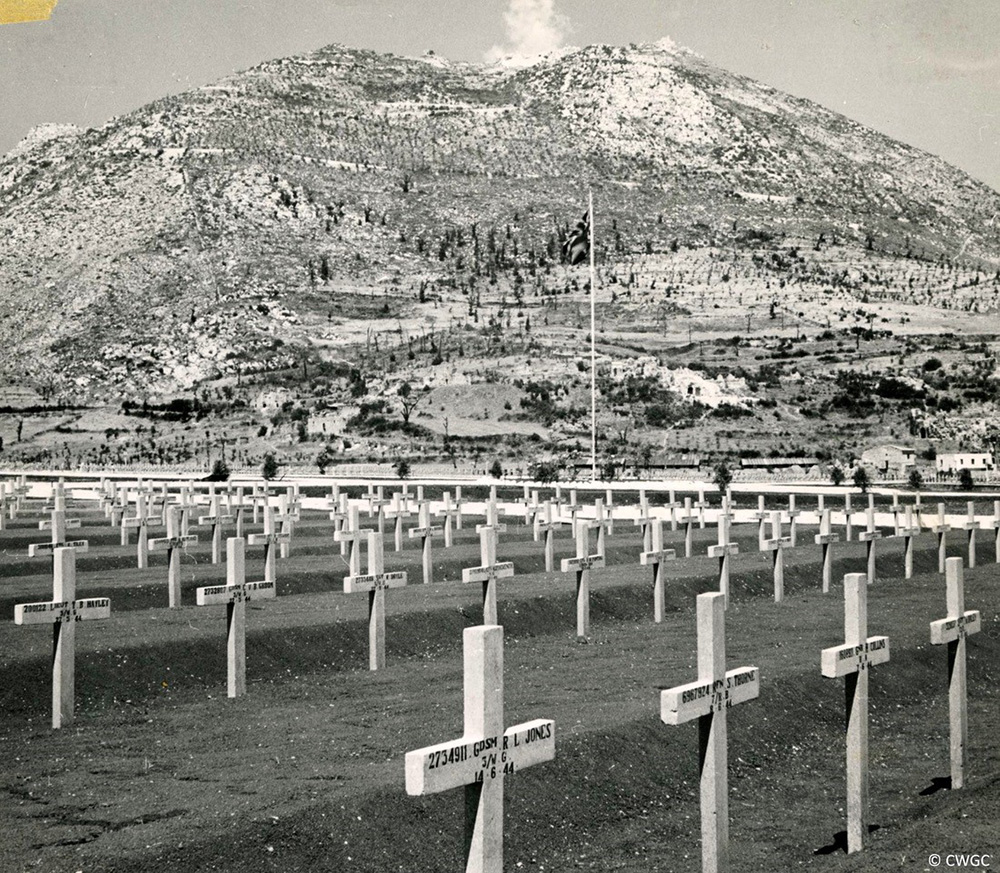
This photograph dates from June 1948 - just four years after the Battle of Monte Cassino – and shows the original crosses that were placed in the cemetery following the campaign.
In the background Monte Cassino, which was bitterly fought over, looms large over the cemetery.
sent in by Michael Murray
Henry Victor Power served
with D Company 2nd Bn.LF in France and North Africa. Landed in France
December 1939.. |
|
Click
here for |
|
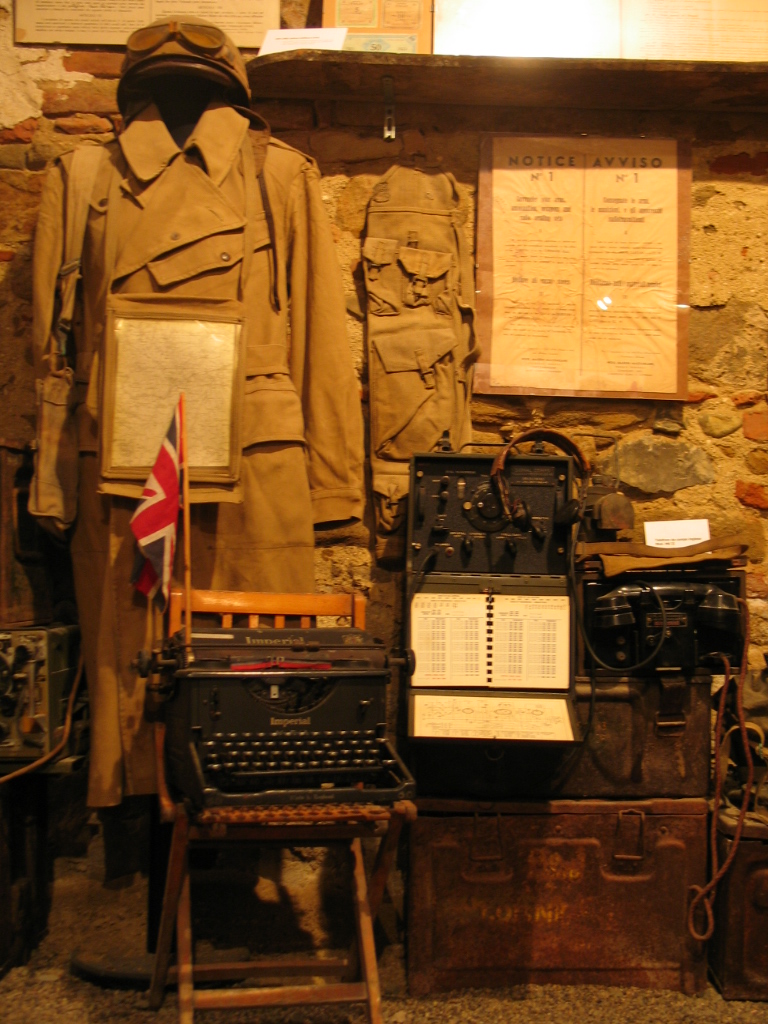
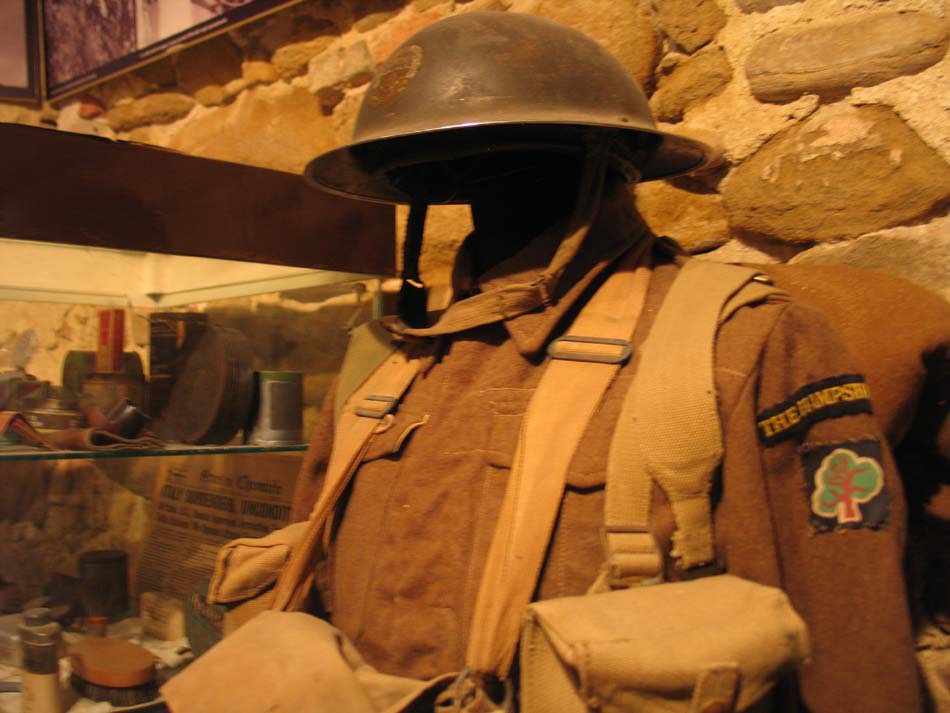
Luigi Trevisan, our erstwhile
supporter in Italy, has sent me these pics of the museum in Roncofreddo
(near the City of Cesena) in the area of the Gothic Line where the 2nd
Bn had such a hard fight.
Luigi has added, " Mr Paolo Savini, the curator, is preserving fantastic memorabilia of your ancestors as memento for the adults and students about the sacrifice of the British Army for our freedom. I'm very happy for that effortis.Now he is restoring a Bailey bridge of the Royal Engineers used to cross the many rivers and streams of that area." Many thanks Luigi, we are grateful for your continued support and praise for the Lancashire Fusiliers. |

|
Termoli Italy 28th September 1943 This short piece concerns the 2nd Bn and the action at Termoli Italy at the end of September 1943.
The plan worked well; after each bound the
Battalion moved confidently forward and then rested until the next
feature had been secured. The vanguard patrols continued their progress
and on 3 October, the Battalion arrived at the demolished road and
rail bridges over the river Biferno on the southern outskirts of Termoli.
On the north side,it was reassuring to learn
that two Commandos had landed early in the morning and completely
surprised the weak German garrison in Termoli, capturing its Commandant
and other officers in their pyjamas. On reaching the crest, the CO beheld an
astonishing sight, one that infantry soldiers dream about but seldom
see. `16 Panzer Division!' The words spread like
lightning. Men forgot their fatigue from the long marches and wading
through rivers. The fog of uncertainty had cleared. When they were all deployed, a profound
silence reigned. The Germans soon retaliated. Enemy artillery
fired smoke shells to help their surprised troops extricate themselves.
As our artillery retaliated in kind, the furious fire power of 16 Panzer Division was turned on to our positions. The ground all around erupted with the bombardment.
Termoli 29th September 1943 At dawn, it was soon clear that a major assualt by the 16th Panzers was imminent. Weapons and ammunition was checked, no one could afford a stoppage. Our forward company ( D Coy)reported that some Buffs on their left had withdrawn, leaving the LF Company vulnerable from the flank, the Germans were quick to see this and began an attack. The CO ordered the exposed Company to fall back a little to a more favourable defensive position. This also allowed us to keep all our Observation Points protected, from which the road to Termoli could be kept under observation. Suddeny, the radio crackled into life with
the news that the enemy tanks had broken through the main Buffs position
and were sculling about on top of the escarpment. The situation was becoming critical, the 2nd Bn Lfs were exposed on a salient and being threatened from several directions. The order went out that Companies were to hold their small arms fire until the enemy were within 3 hundred yards. This was it! A large scale Panzer attack around both our flanks, supported by artillery, mortars and some aircraft. We retaliated with everything we had, we had to stay put at all costs ! The attackers fought to within 150 yards of us, our defensive fire SOS fire tasks were called for repeatedly (in effect, you almost call fire down upon your own positions -Editor Our Sherman tanks and our Anti tank guns were engaging targets all around us. Then came the turning point, the Commanding Officer of the Lancashire Fusiliers ordered a counter attack ,and "Fix Bayonets" came the cry! Through the beautiful olive groves the Lfs moved forwards, bayonets at the ready, firing at anything that moved ahead of them. Then, a magic moment, the enemy began to falter, a cheer rang out as the LFs pressed home their bayonet charge. The Germans had had enough and they streamed backwards towards the Brickworks, all the while being shattered by our artillery fire. Victory at Termoli was assured when the Irish Brigade landed from assault craft. The LFs had been fighting solidly for 4 days. Suddenly everyone felt very tired. Young men suddenly looked old, with red rimmed eyes and faces grimed with dirt and fatigue. Time to count the cost of a heroic victory.
Following the assault landing at Termoli
harbour by the Special Raiding Brigade and 40 (RM) Commando and the
subsequent landing of the Irish Brigade, the enemy had made a determined
effort to dislodge the LFs from their strategic position atop the
escarpment. It was time for a break. The Commanding Officer of 2LF was sent for by by General Montgomery, the Army Commander, who told him this :- "Please inform your Fusiliers that
I was very pleased with the great fighting stand at Termoli. The 2nd Bn LFs were stood down at a place
called Portocannone until the 22nd October 1943, resting and training
and receiving replacements for the men they had lost. The River Trigno Crossing We last looked at the 2nd Bn as they recuperated from their great efforts at Termoli. (I did promise to write this on the 22nd October, I have given my self 3 extra Orderly Officer Duties ) By the evening of 23rd October 1943, the 2nd Bn XX The Lancashire Fusiliers were in positions on the Calione ridge, just South of the Trigno river. The only road bridge over the river had been blown by the enemy and it became clear that a crossing would have to be made so that Engineers could build a bridge to get our heavy arms and eqiuipment over the river. The BN war diary records that
as 3 rifle companies of LFs moved forward to the Montebello ridge ,which
immediately overlooks the river ,D Company ran into an enemy force approximately
40 strong. The Divisional plan was that 11 Infantry Brigade would ceate a diversion to draw off the enemy from the site of the planned river crossing. A Company 2LF made a crossing of a minor river ( The Grigho) on the 24th october and established a bridgehead so that the Sappers could work unmolested. On the 25th october it was planned that A Company would hold the bridgehead and that B and C Companies would go through them and attack San Salvo railway station. All went well (A Company lost 2 killed and 2 wounded) and at 2230 hrs the other two companies went into the planned attack. The forward Platoon of C Company were almost at the railway station and the other 2 platoons were a short distance behind at a farm near the Molino river. Unfortunately, the lead Platoon came under friendly fire ( yes, it happened in those days too !) which put them out of contact with the Bn. Fate had it that during this
time they would be attacked and the whole Platoon was captured with
the exception of 2 brave NCO's who made it back to the Coy HQ to break
the sad news. C Coy OC, worried about the
fate of his leading Platoon, sent a patrol out to look for them. The Commanding officer, hearing the news from his leading Companies, then varied the plan. He decided to regroup back at their original positions at the bridgehead and to try the attack again the next night, the 26th October,
As a preliminary step, a strong fighting patrol went out at last light to cover the adjustments being made to the Bn's position. At the furthest farm, the patrol met with strong enemy forces and a firefight ensued during which the Patrol Commander ,Lt J S Woodin, was wounded and captured. With A Company still holding the bridgehead, C and D Companies went in at 0215 hours, and B Company reached the line of the Molino River without too much opposition, but when D Company arrived at the Station they found it to be very well defended and D Company drove off the enemy ,having fixed bayonets and engaged in some hard hand to hand fighting. During this phase, 2 of our men were awarded Military Medals, Sgt H Rowson of the Signals Platoon and Lance Corporal R Griffiths of D Company. Total casualties of this phase came to 29, considered to be not excessive in the difficult fighting they had come through. San Salvo finally fell on the 2nd November and the 2nd Bn LFs moved onto the hights overlooking Cupello on the 4th November 1943.
|
|
A
|
B
|
C
|
D
|
|
|
1.
|
 |
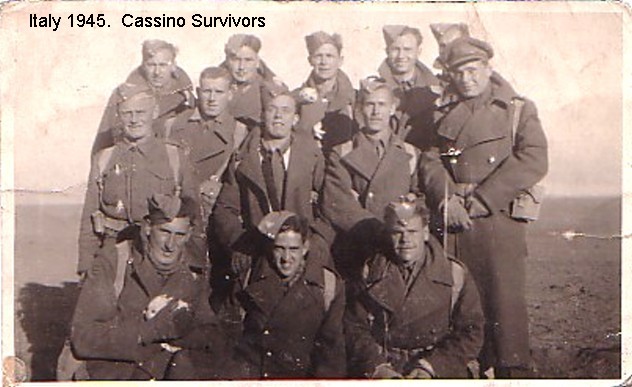 |
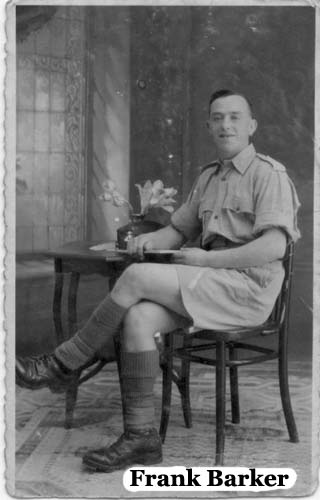
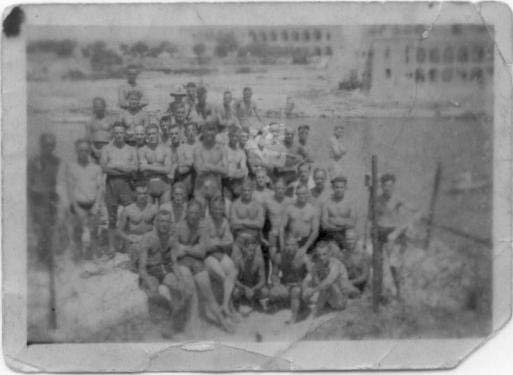
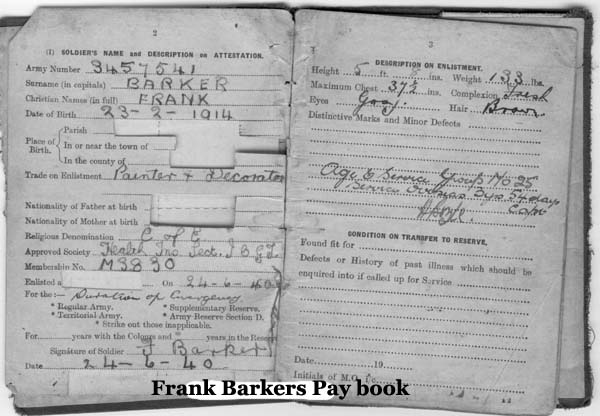
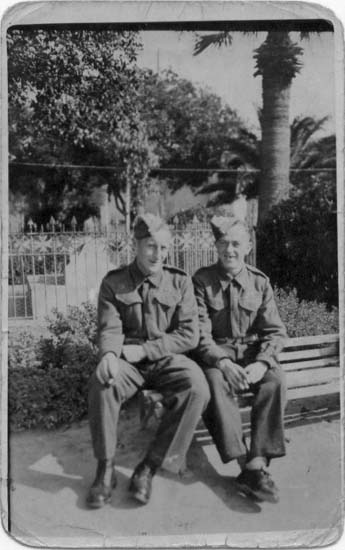
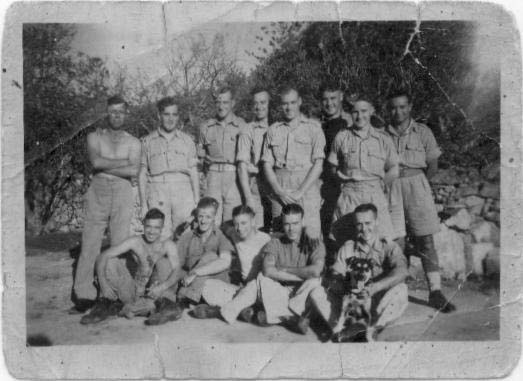
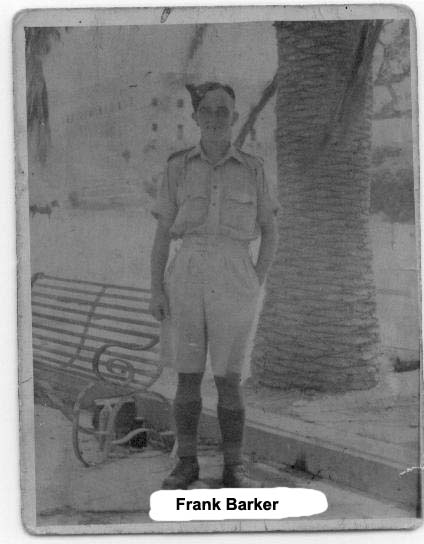
These 7 photos sent in by the
Barker family of Frank with 2LF in Cassino ->
|
 |
|
2.
|
 |
 |
 |
 |
|
3.
|
 |
 |
 |
 Click on photo to go to Ted Settle's story |
|
4.
|
|
 |
 |
|
|
5.
|
 |
 |
 |
 |
| 6. |  |
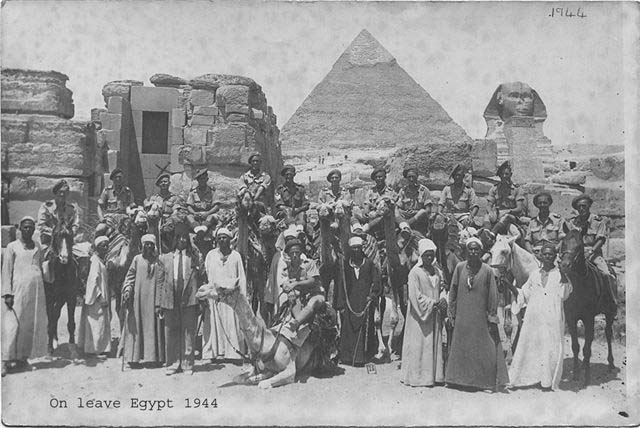 |
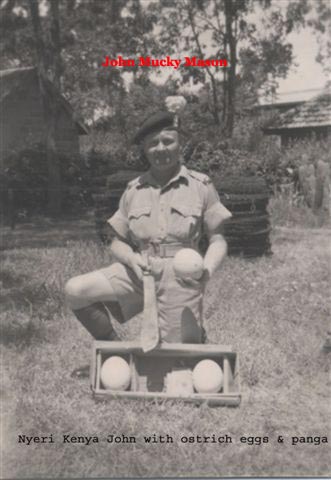
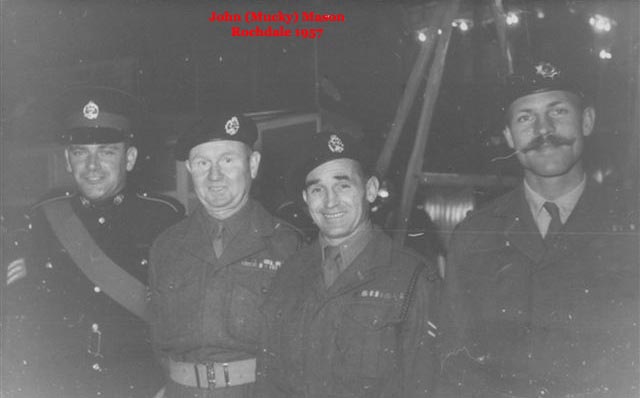
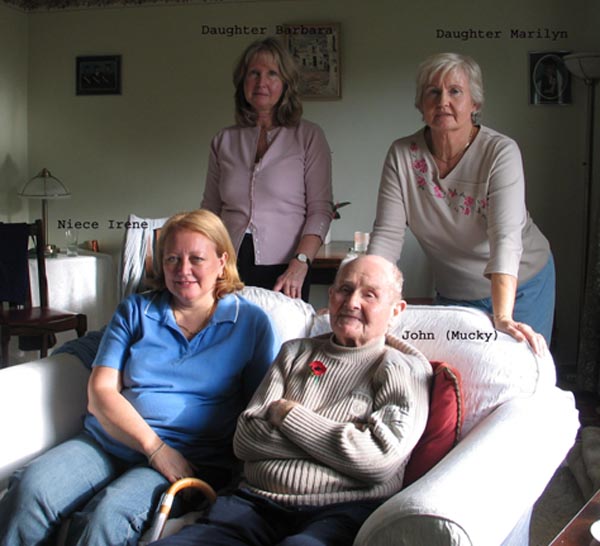
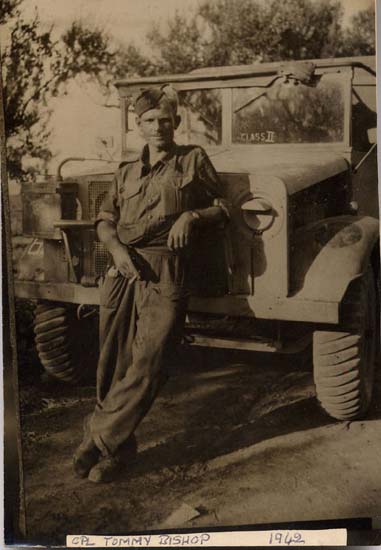 Found in John's Belongings |
|
|
7.
|
|
 Alf Heywood with a poppy he pick whilst laying a mine field |
||
|
8
|
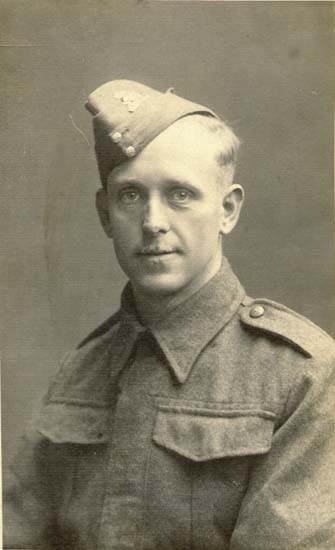 Fusilier Frank Burgess |
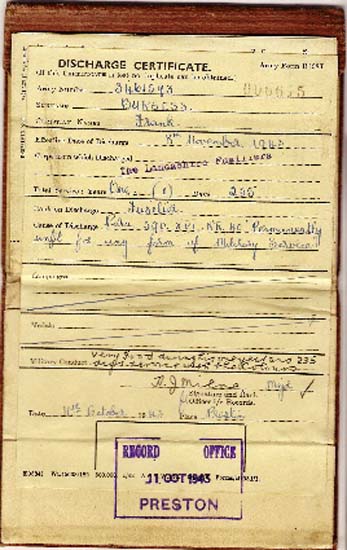 Frank's discharge documents and service book |
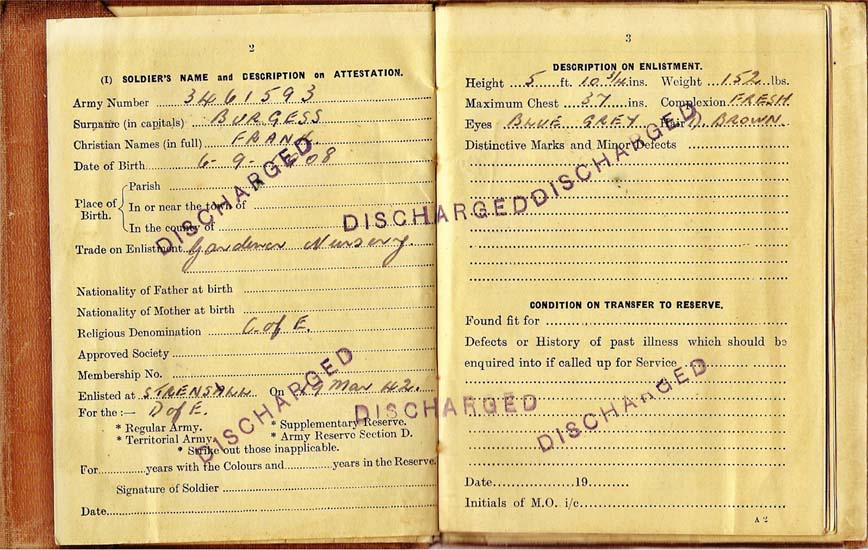 |
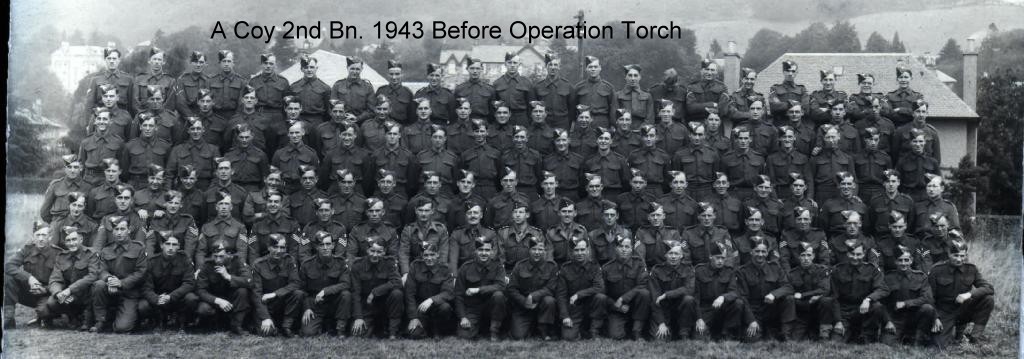
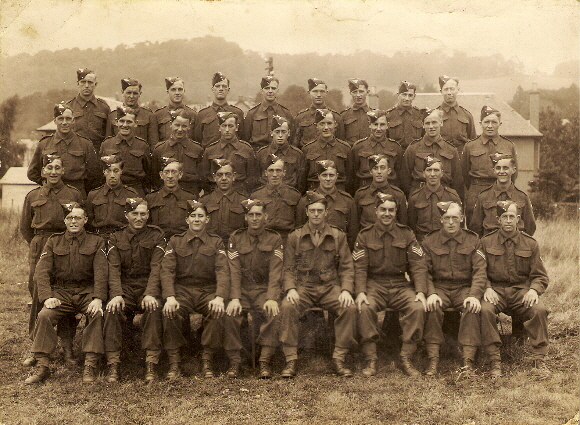 Fusilier Frank Burgess is back row first from left He is also on photo 3C above back row number 11 from left. |
|
9
|
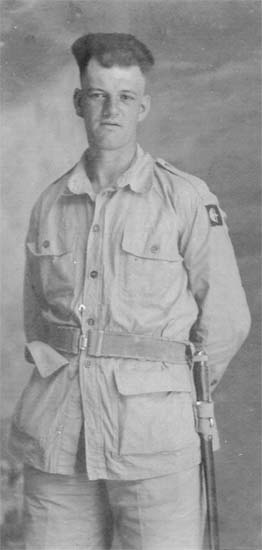 unknown friend of Frank "Note his Battleaxe Division Signs " |
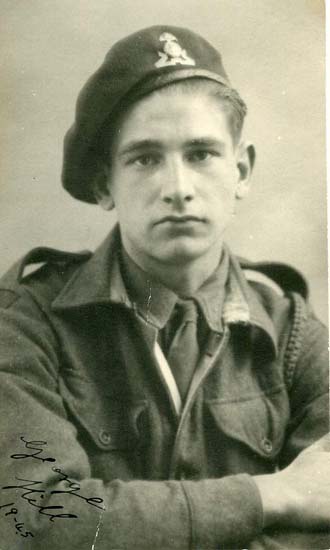 George Hill, son of Jim and Minnie Hill.Emigrated to Australia after WW2 Born Preston 1926 |
 |
|
|
10
|
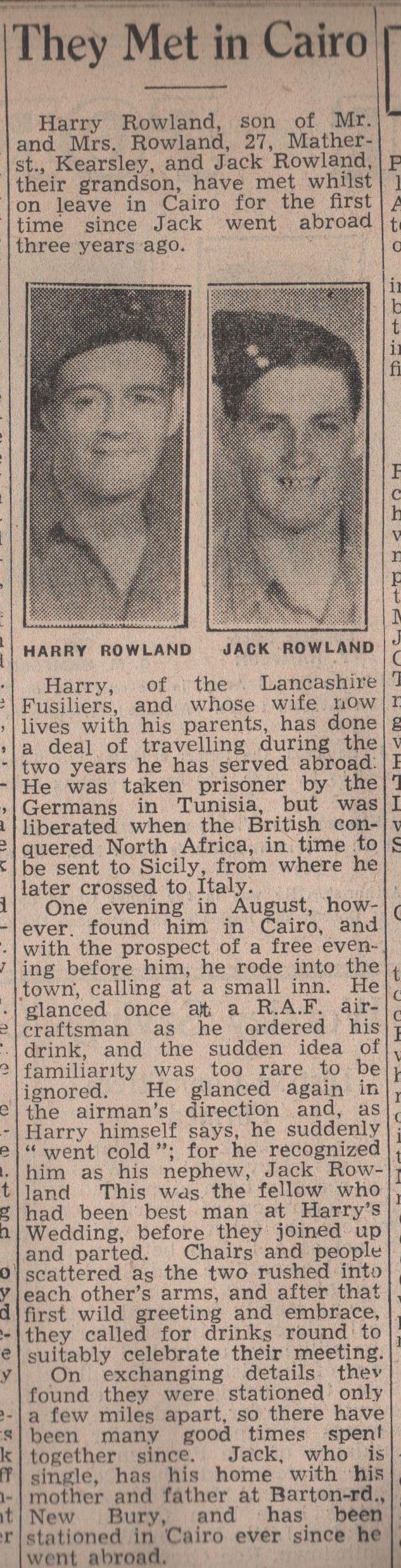
Photo and write-up in the Farnworth journal dated 29th September 1944
|
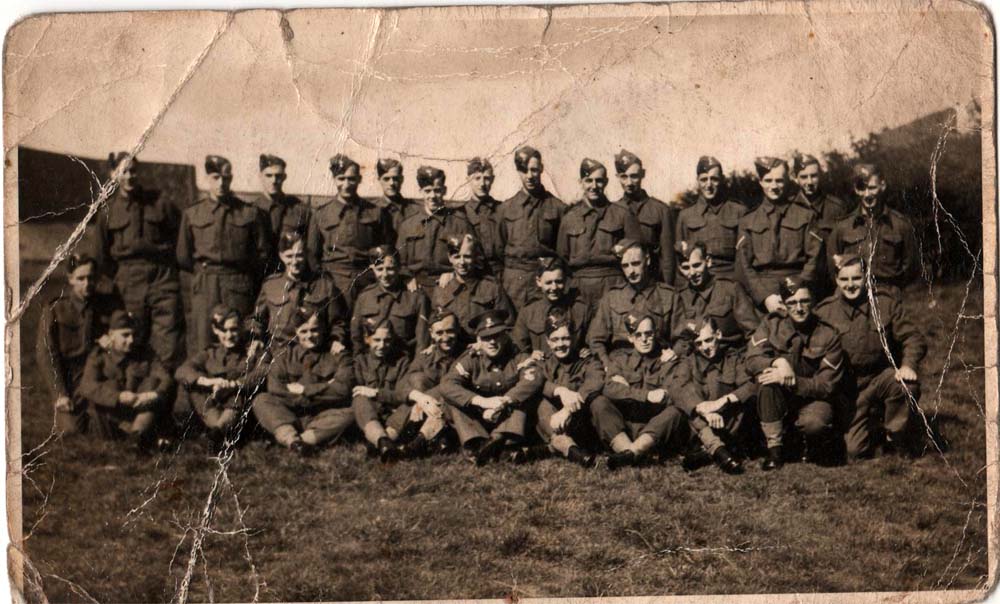 Harry Rowland at Wellington bks 1940 |
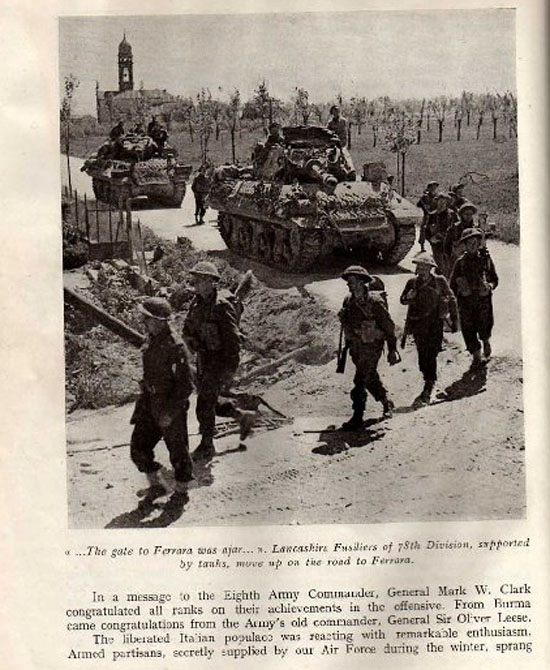
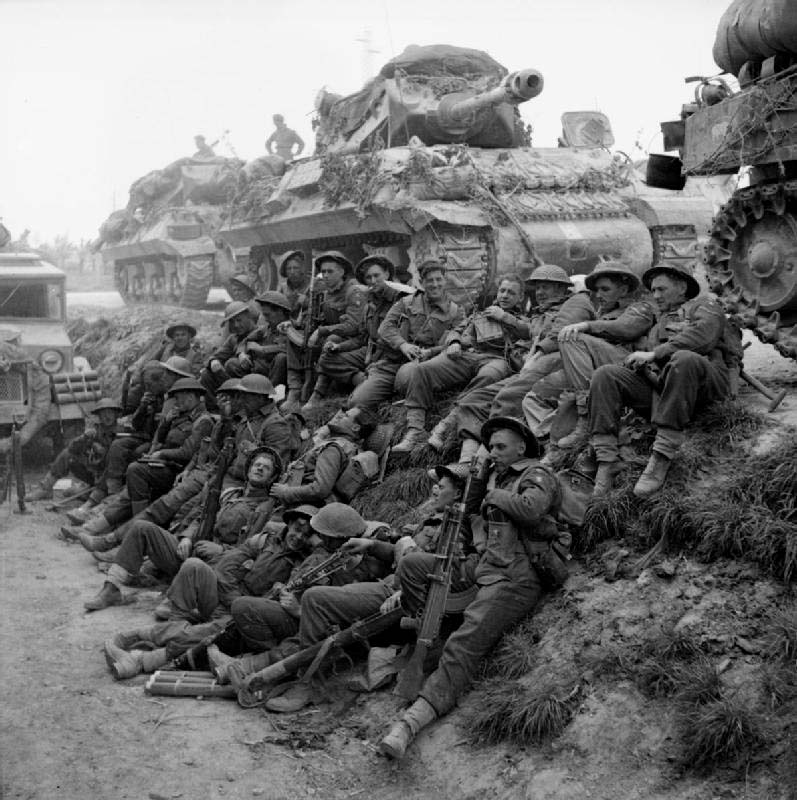 Men of 2LF supported by Achilles 17pdr tank destroyers wait to go forward near Ferrara 22 Apr 45 |
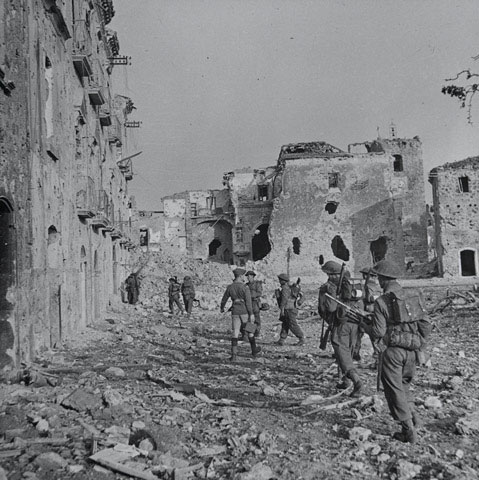 2nd Bn Aquino 1944 |
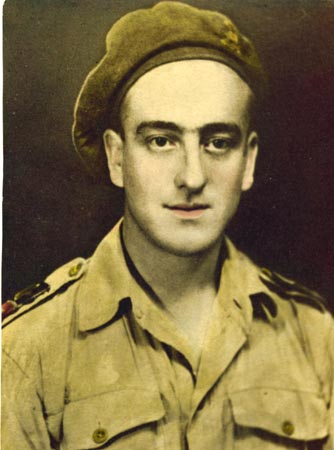
 Does anyone remember Ted Wilkinson,stretcher bearer with the 2nd Bn North Africa,Siciliy,Italy and Austria (Note Battle Axe Division on his shoulder epaulettes)
|

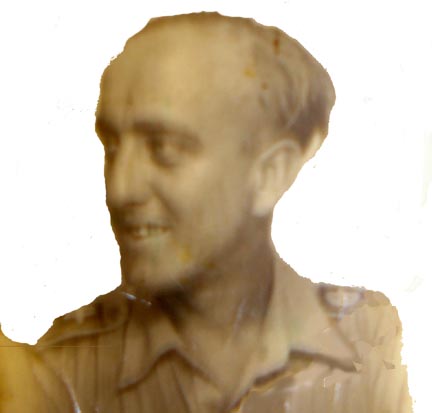
|
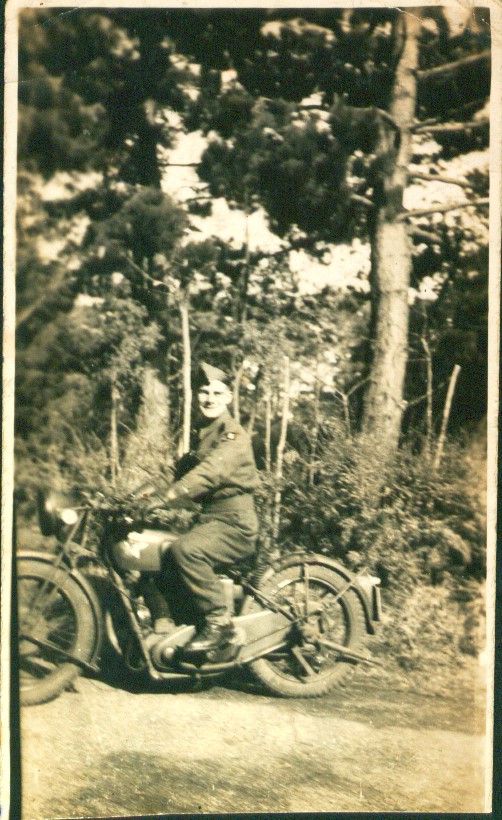
My
father served in N.Africa and possibly Italy in WW2 but other than one photograph
of him in uniform I have no information about his service. I am currently tracing
my family history and would like if possible to add to the very limited information
I have. I know from his comments to me as a child that his 'job' was delivering
dispatches by motorcycle and that he was invalided out c.1944 following a serious
spinal injury due to a motorcycle accident. Family photographs, now sadly dissapeared,
show him at a hospital, possibly Cairo,but it could have been Alexandria. Joe is now checking out this story so watch this space |
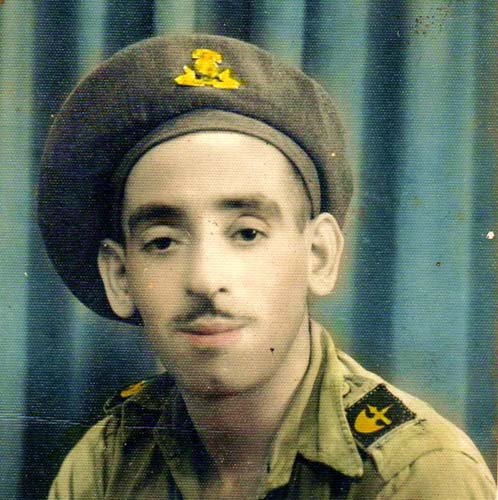
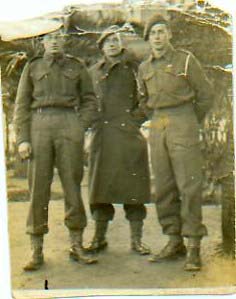
Sgt Albert Atherton, Albert is the one with one hand in his pocket,the chap in the middle is called Watson and the chap on the right is not known |
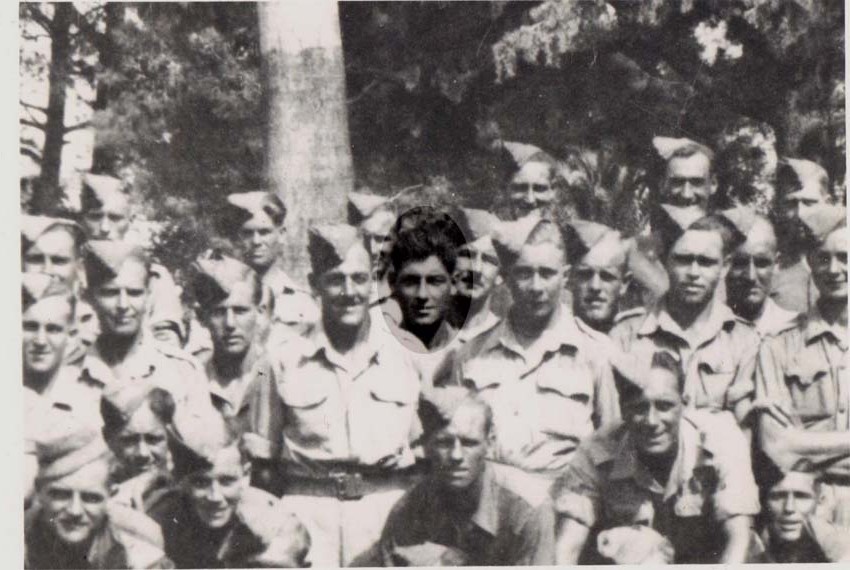
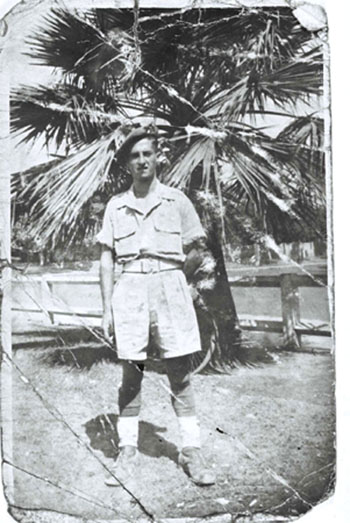
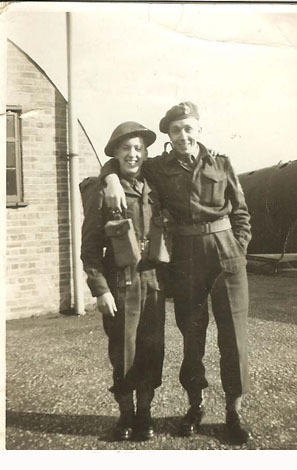
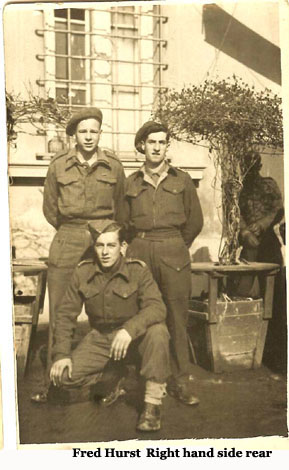
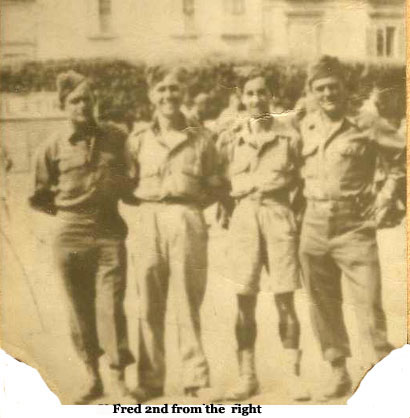
Fred Hurst was born 9th November 1923 and he enlisted in April 1942. He was wounded or injured in North Africa with the 2nd Bn and returned to recuperate to Fulwood Barracks Preston. He then rejoined the war and was killed in action on the 9th April 1945 at the battle of the river Senio. This was the last great WW2 battle the 2nd Bn took part in. Fred came very close to making it home. This is the CWGC link. http://www.cwgc.org/search/casualty_details.aspx?casualty=2237415
|


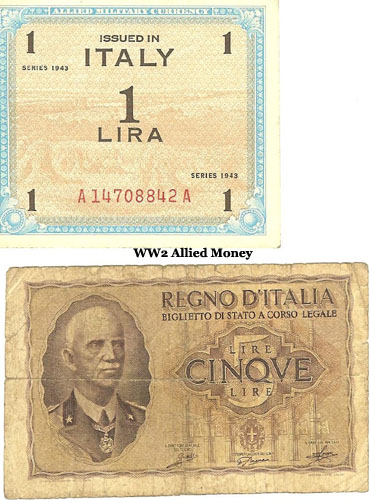
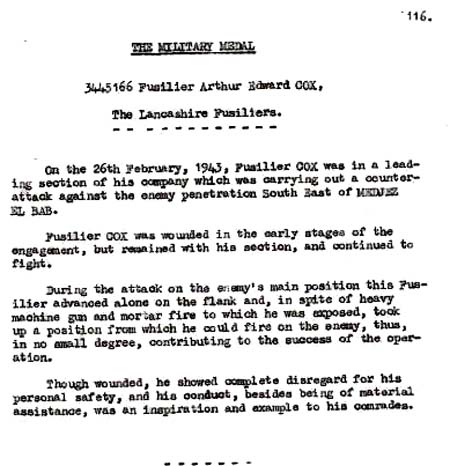
|
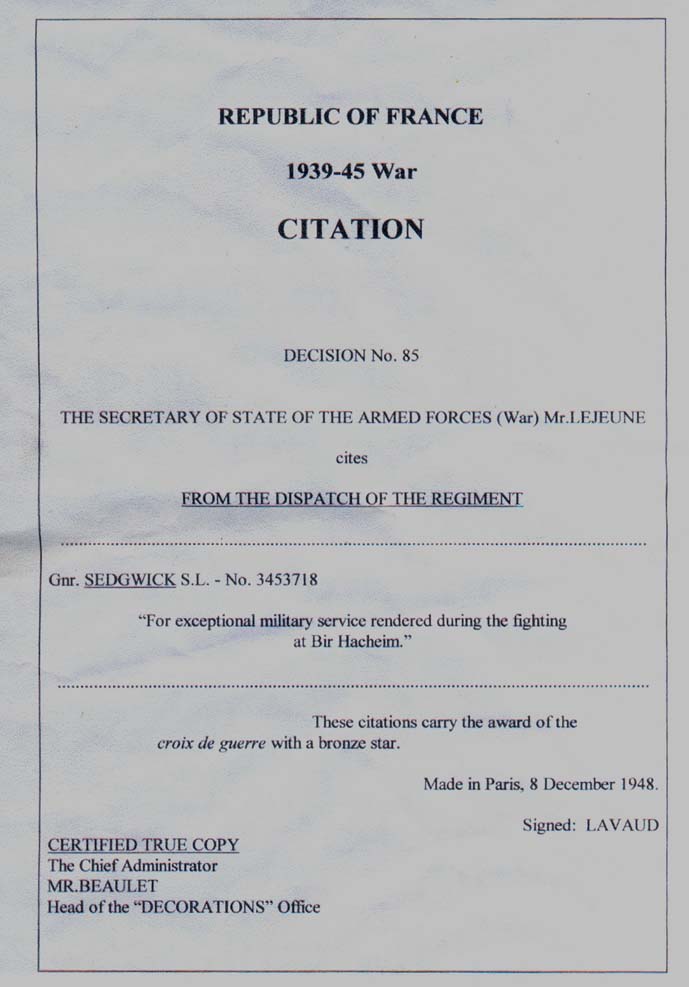
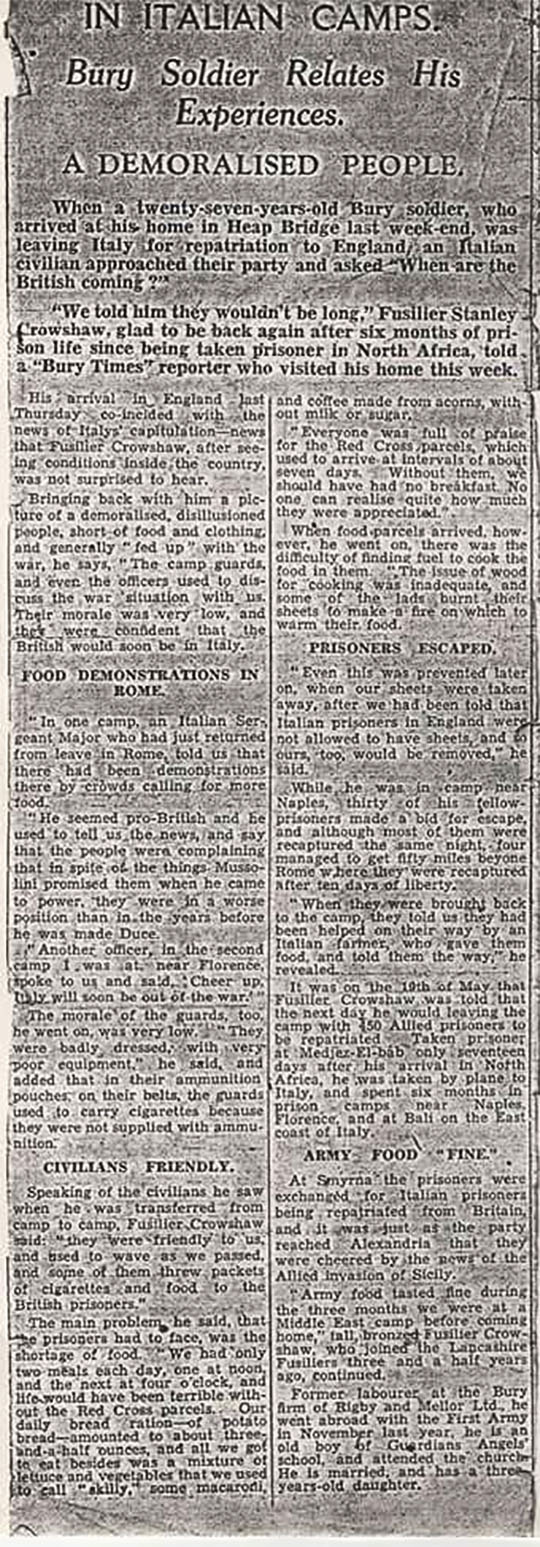
3445166 Fus Arthur Edward Cox
MM
|

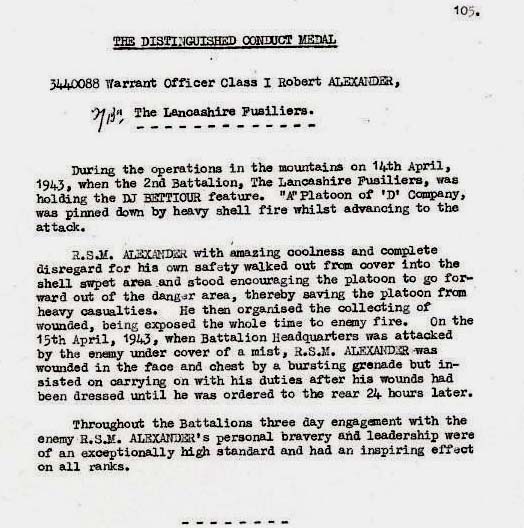
|
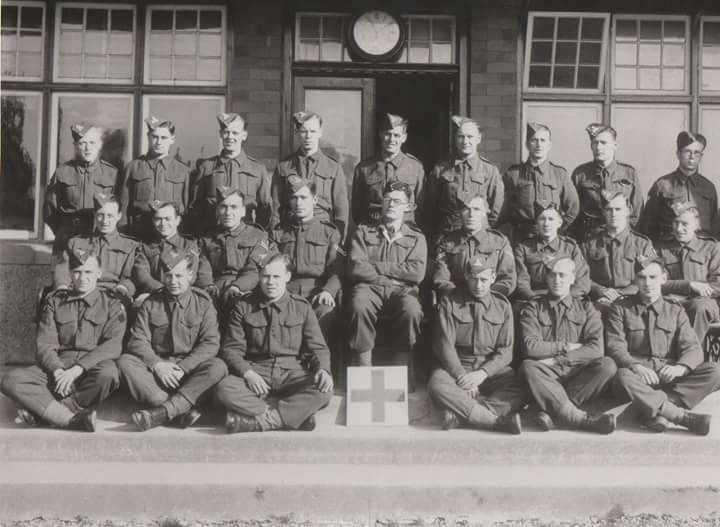
RSM Robert Alexander
DCM
 |
|
Can anyone add anything to his story? |
|
|
| Sent
in by
|
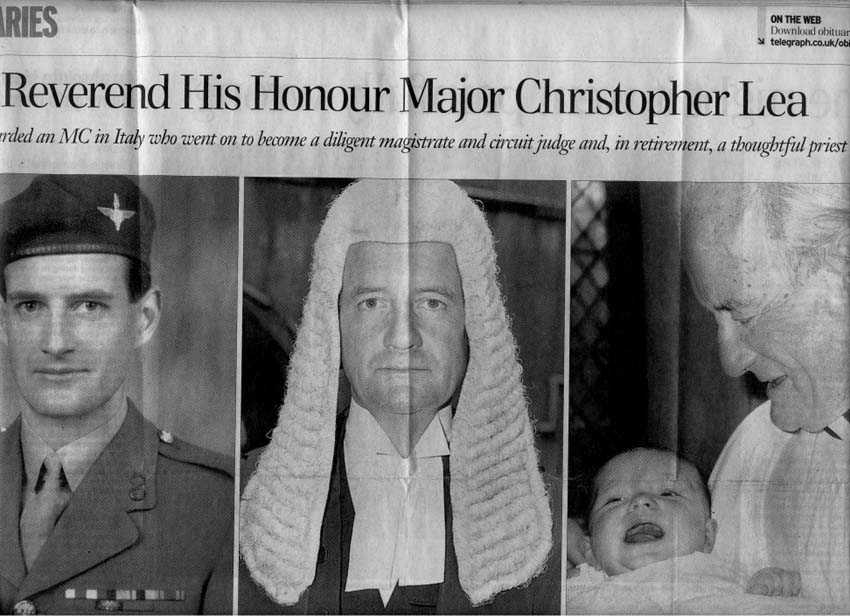
| Major Christopher Lea
MC
|
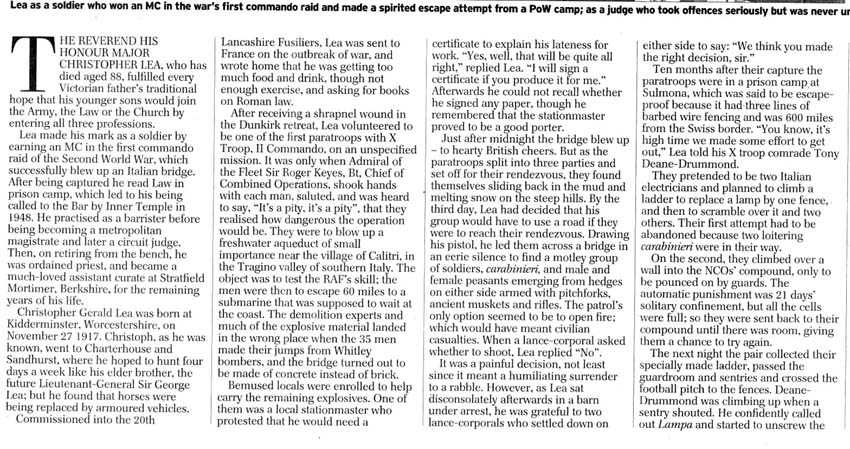
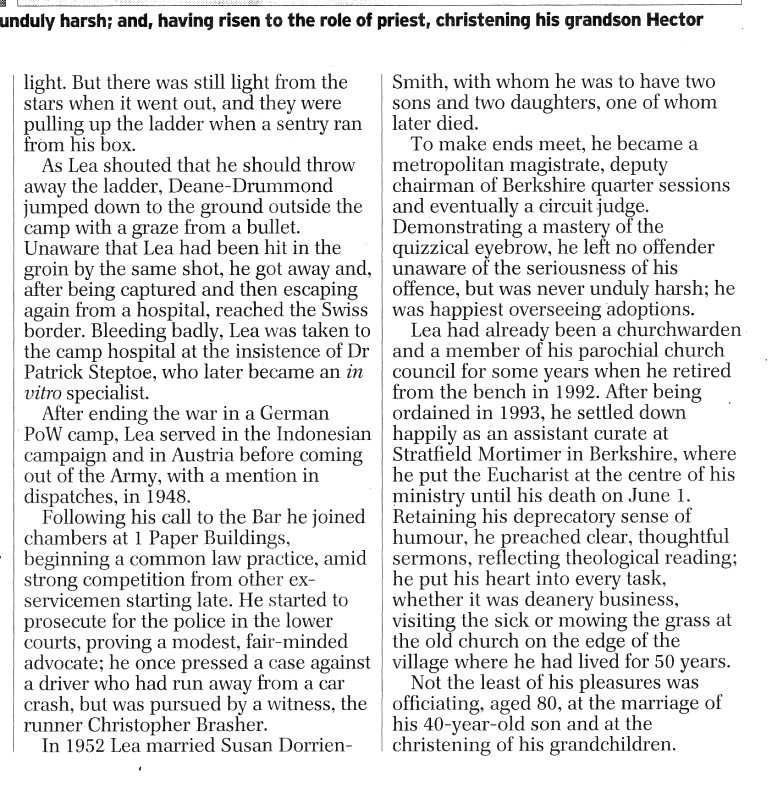
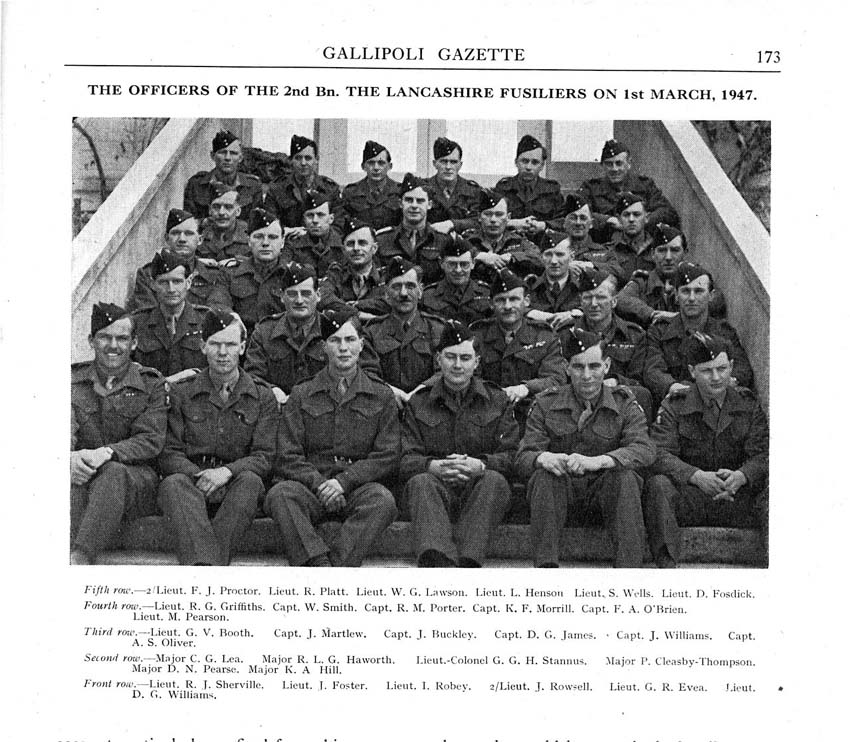
|
The story of the Battle
of Medjez El Bab one of our Battle Honours 
|
"Medals and awards known to have been won during this campaign by the 2nd Battalion
" Info from theCatalogue
of medals from Dr A W Stott's collection,sold in London 1997 at DNW Auction house."
Click
here for the link to Dr Stott
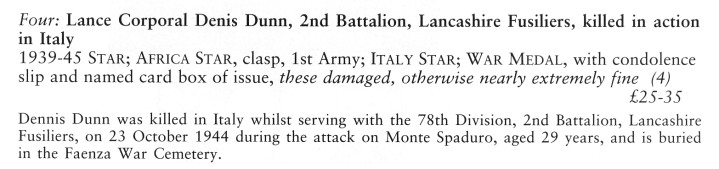


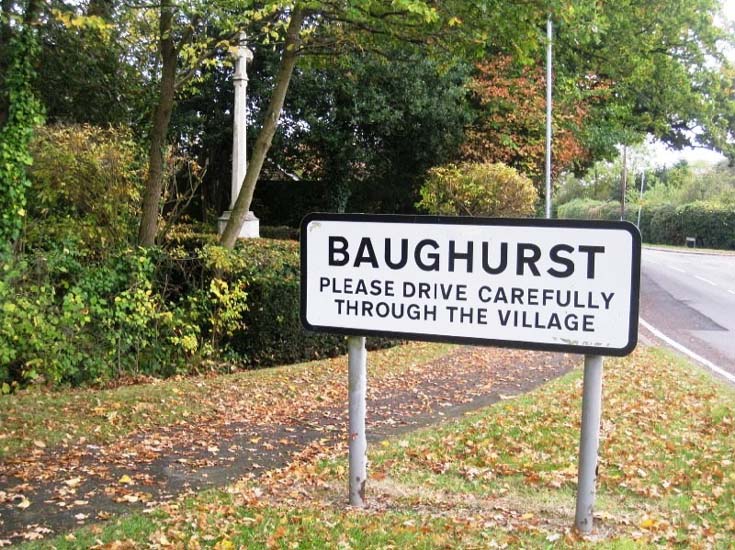
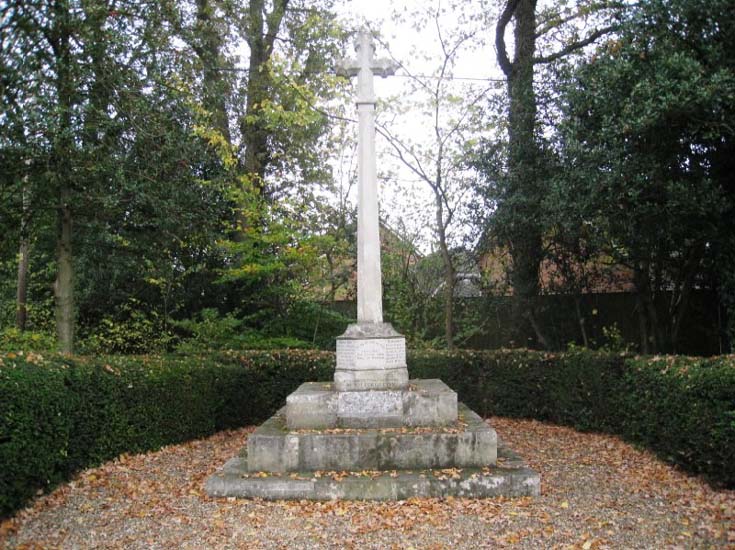
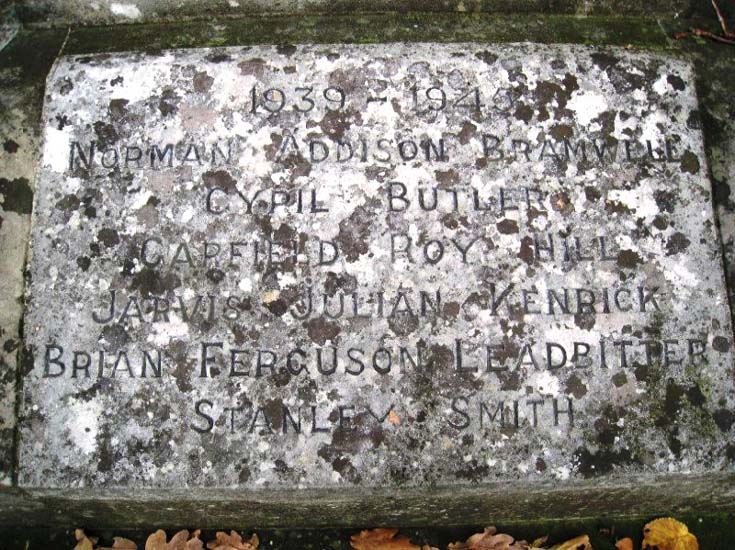
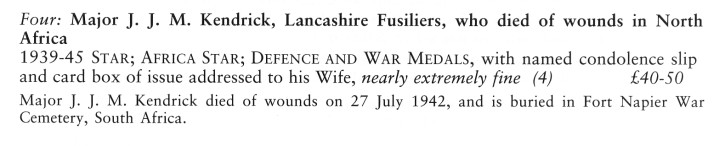 I was browsing through the site recently when at the end of 2LFs North African page I noticed amoungst the Dr Stotts medal list the details of Major Kenricks death and the fact that he died of wounds and is buried in Pietermaritzburg Cemetery in South Africa. My nephew went to University there so I asked my brother to contact his friends to see if they could find the grave in Fort Napier War Cemetery. I gather that a lot of severely wounded servicemen were sent to RSA for treatment during the war and there was a big Military Hospital at Oribi. You can see from the pictures attached that they have found it. It looks a lovely, well kept, tranquil place but it is a long way from home. He is the only Fusilier in that cemetery. Pity Kevin Hill has passed on he no doubt would have known this officer. Perhaps there is someone you know who can fill in the details of how he received the wounds that lead to his death? Perhaps there are relatives still around who would like copies of the pictures? Coincidentaly my Uncle Tom spent six months in the Oribi Military Hospital. He had the uncovetted distinction of being sunk three times in 24 hours when Stukas smashed his destroyer flotilla off Crete. He was bombed in the water and went to PMB to have most of his guts removed. On discharge he became a publican sadly with only half pint capacity though he retained his 12 pint thirst .As a consequence he spent the last few years of his life mostly flat on his face - he went down with all guns blazing in the true Nelson spirit
sent in |
.jpg)
.jpg)
.jpg)
.jpg)