|
1st
Battalion |
Background music is by Rochdale singer Fat
Moll (Myspace Link)
|
CLICK ON THESE LINK FOR A VIDEO |
Thanks for this Simon Tierney |
|---|
|
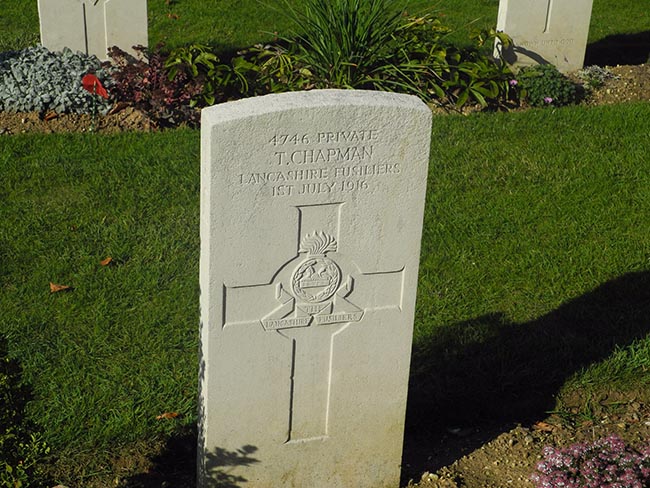
Service Number 4746 Died 01/07/1916 1st Bn.
|
| See more on this link Somme 100 |
|---|
|
8 YouTube
Clips of the true story of The
Somme
We are trying to get hold of a Full version |
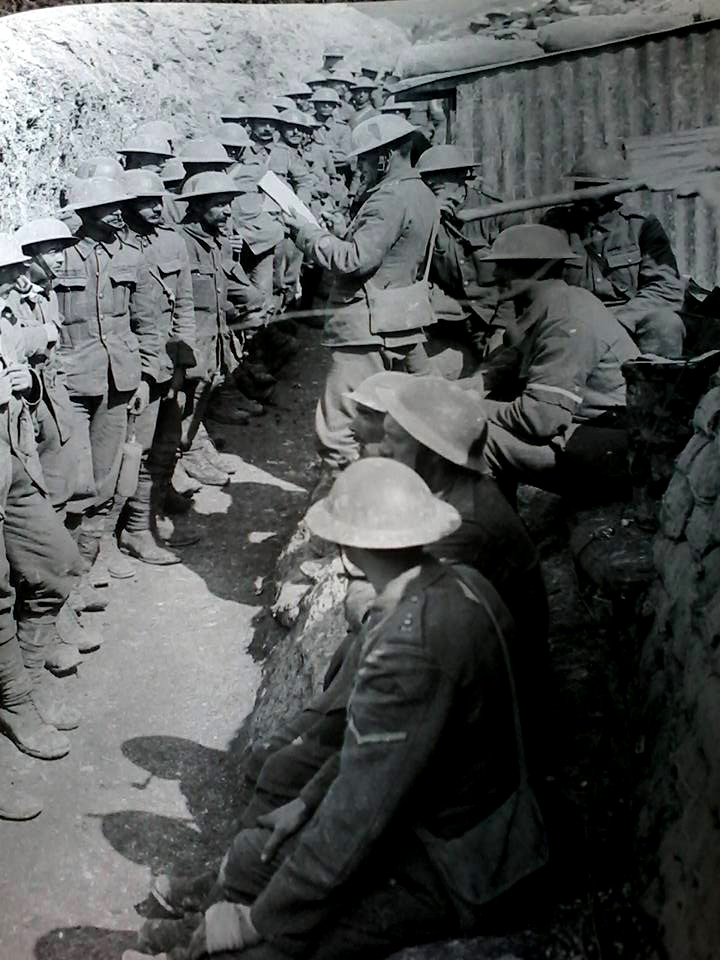
Roll call 1st July 1916
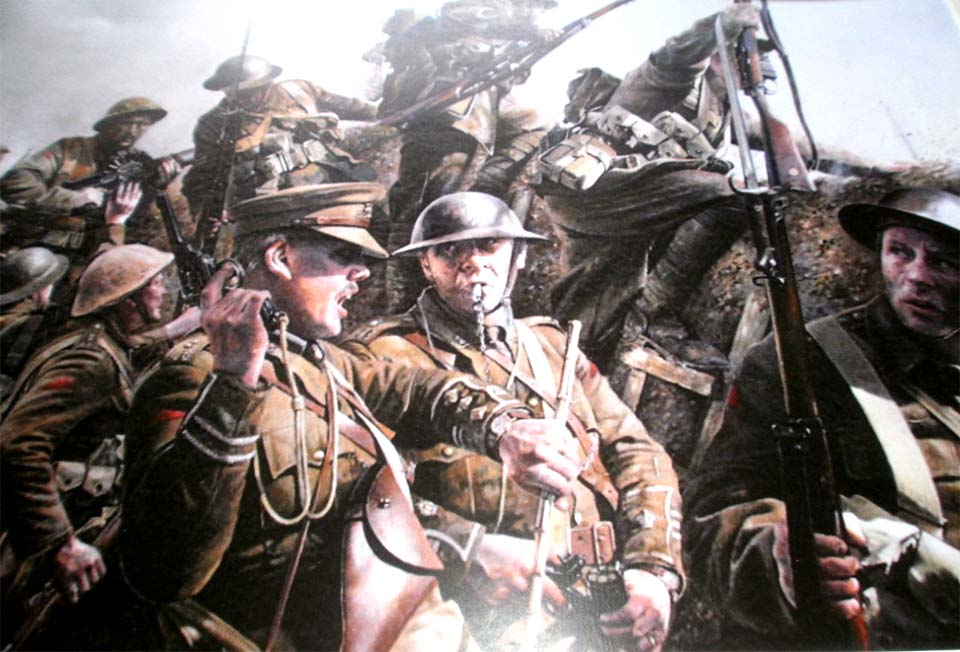
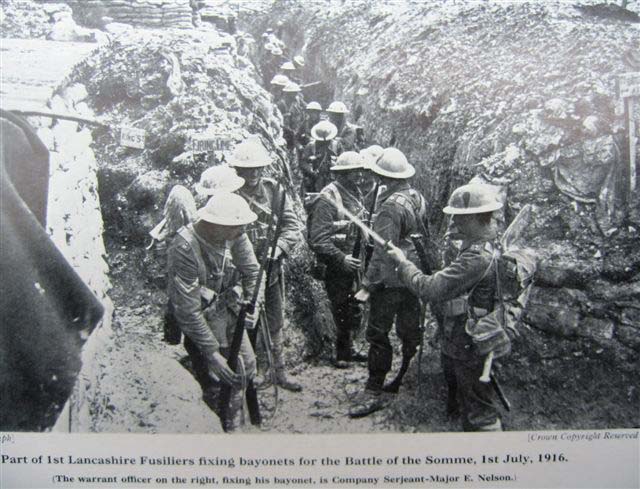
|
The
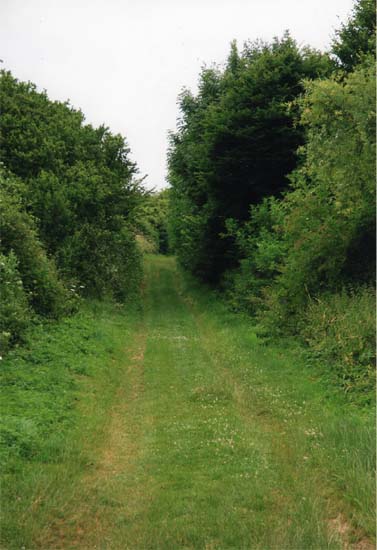
attack on Beaumont Hamel from the Sunken Road
1st Bn The XXth The Lancashire Fusiliers-1st July-1916. To the north of the river Ancre lay an important
objective,the Grandcourt -Serre ridge.
|
| J.R.R.
Tolkien Scrape
your fingers along your greasy scalp, A
shell-broken man bleeds on a stretcher, It's
difficult to sleep; when you do, A week after
your battalion gets shredded on the wire In
twenty years you will argue Beowulf |
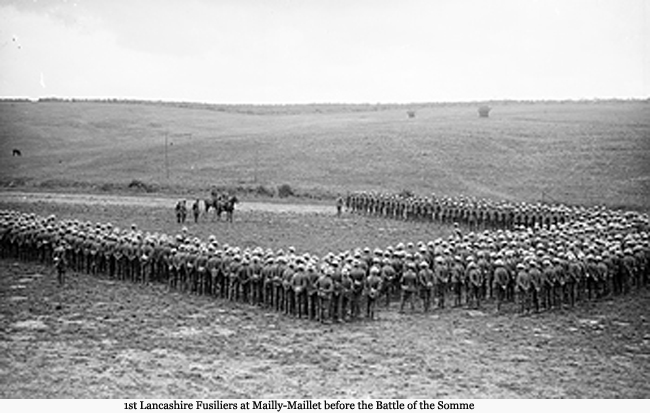
|
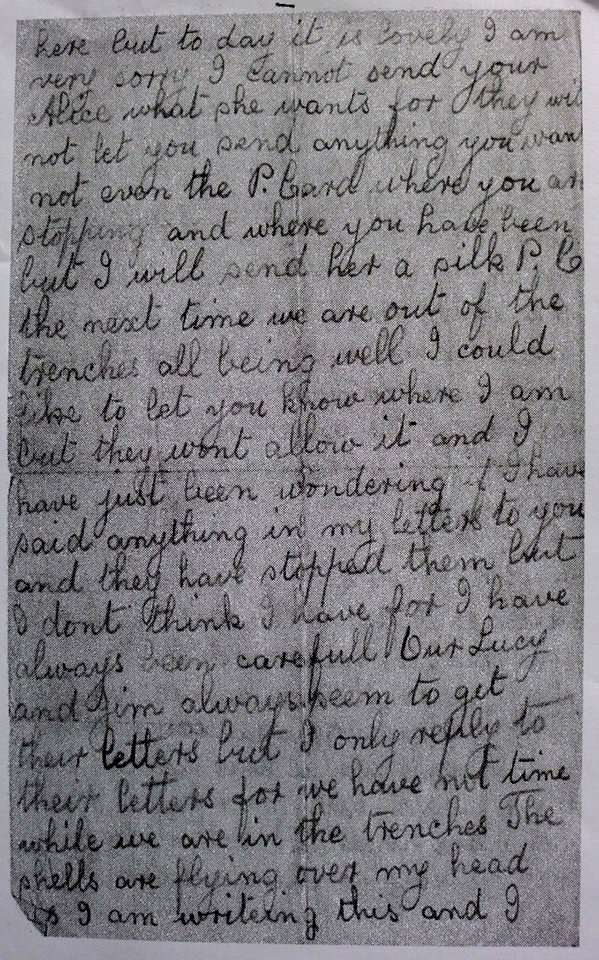
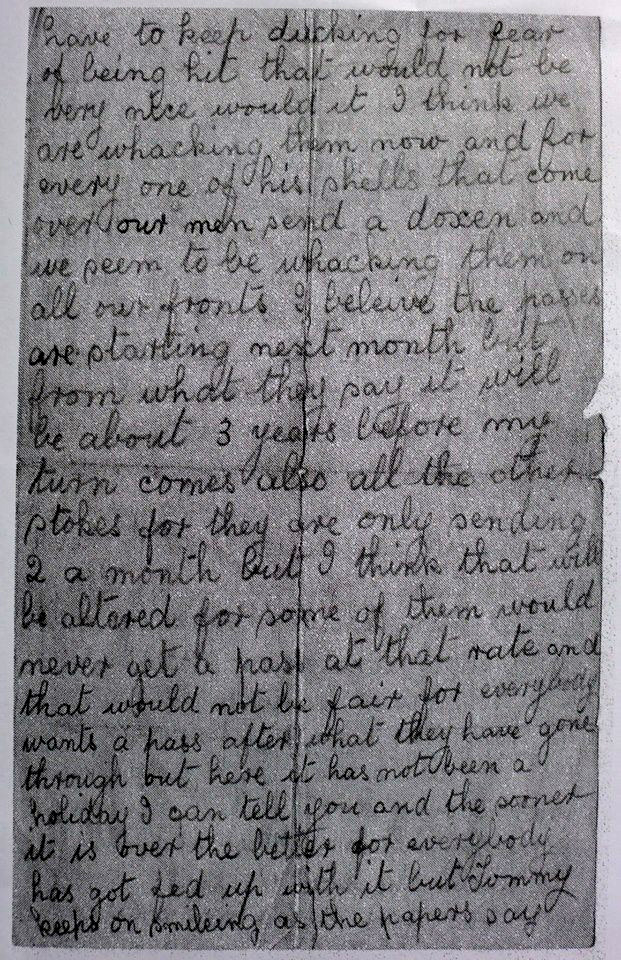
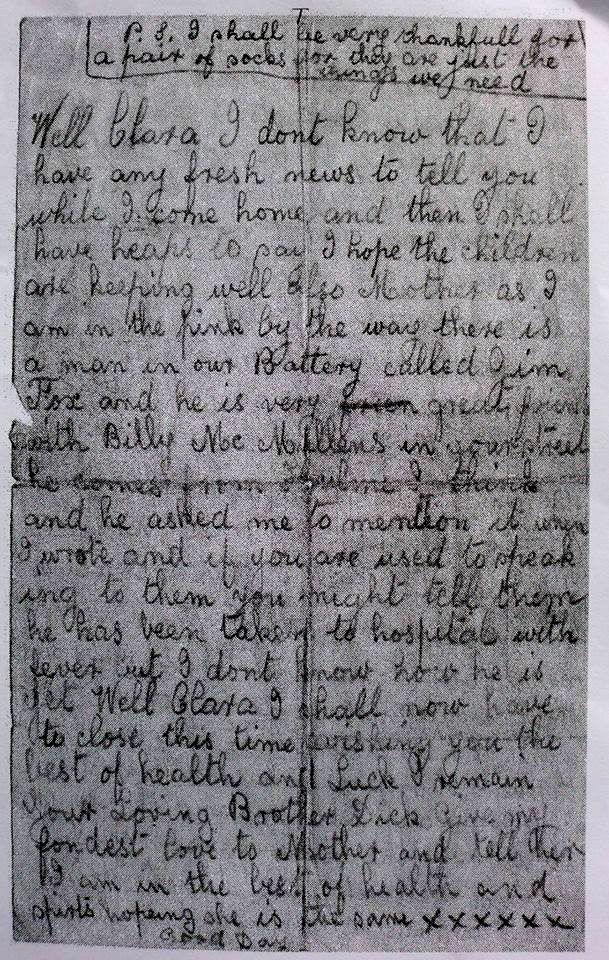
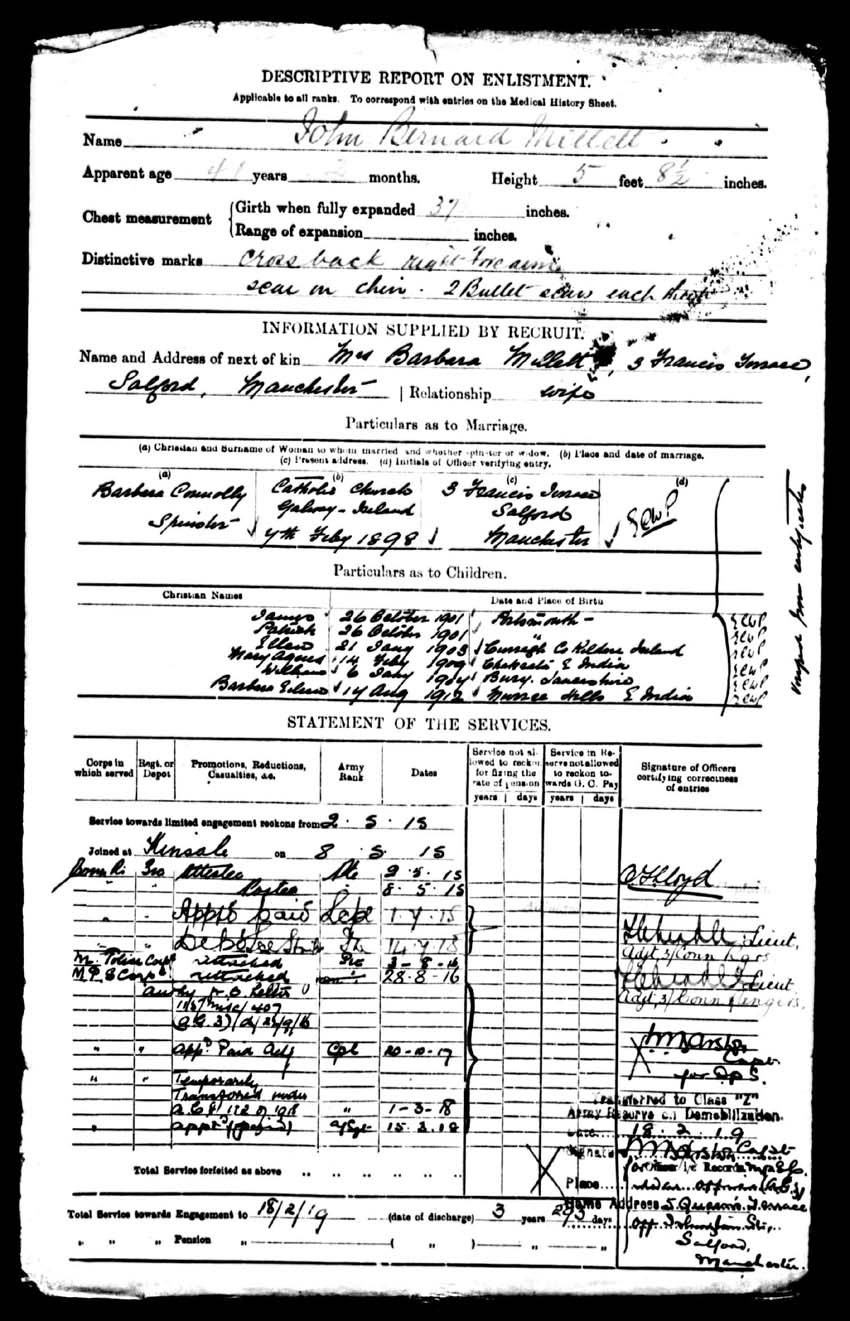
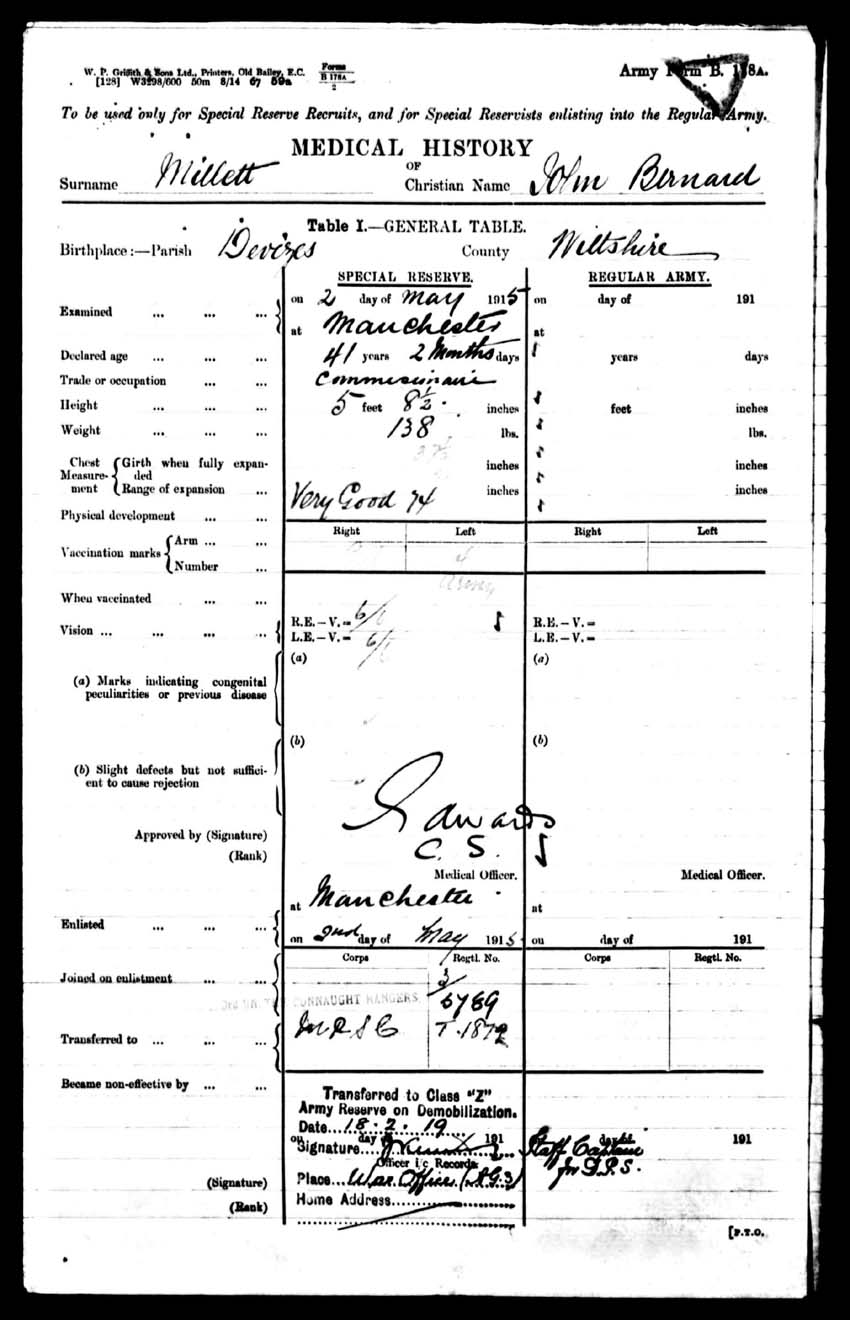
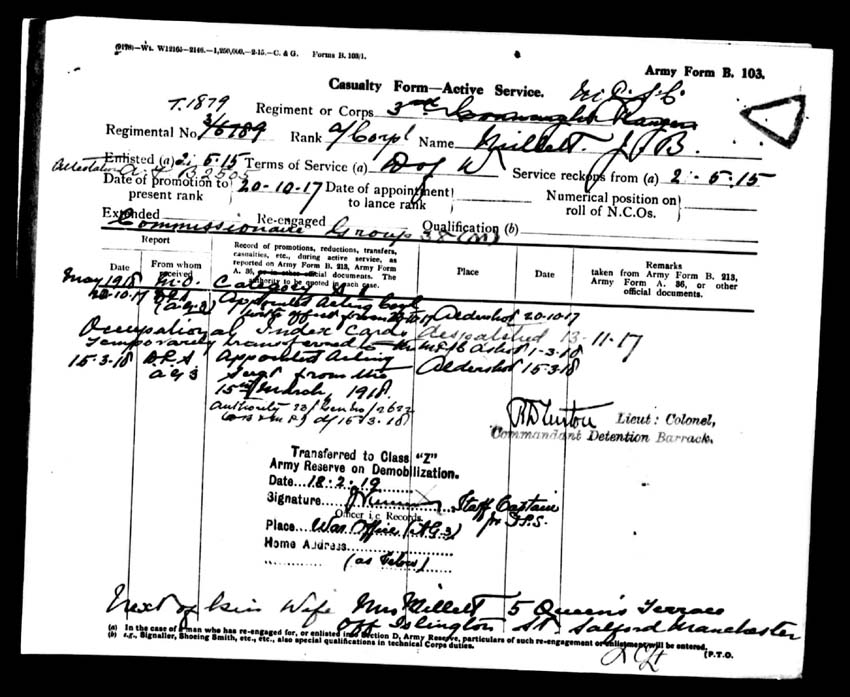
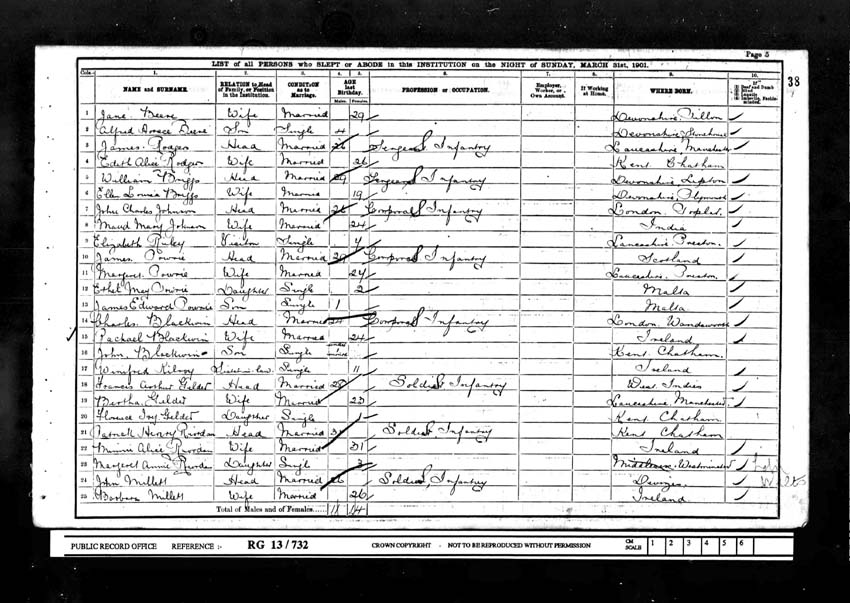
"These are the documents
of a remarkable man named
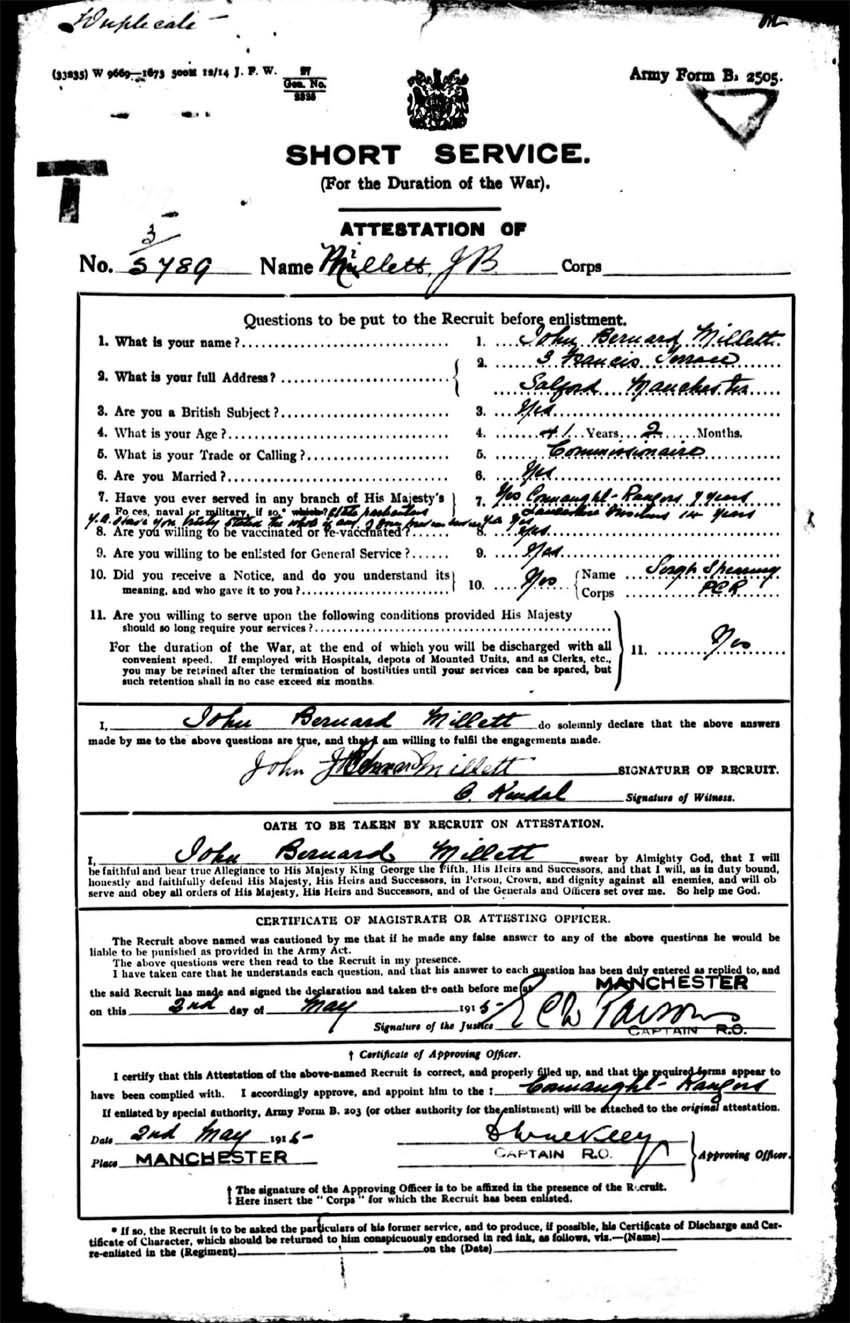
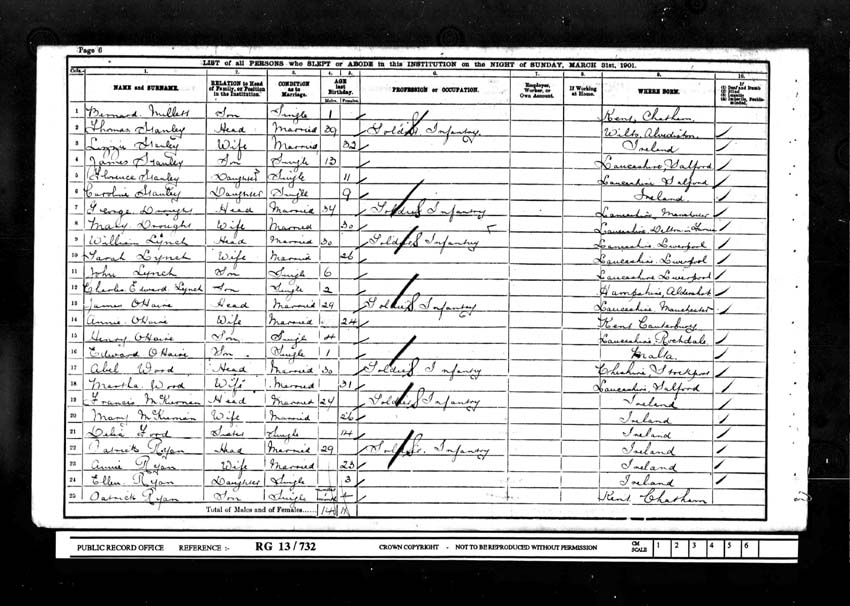
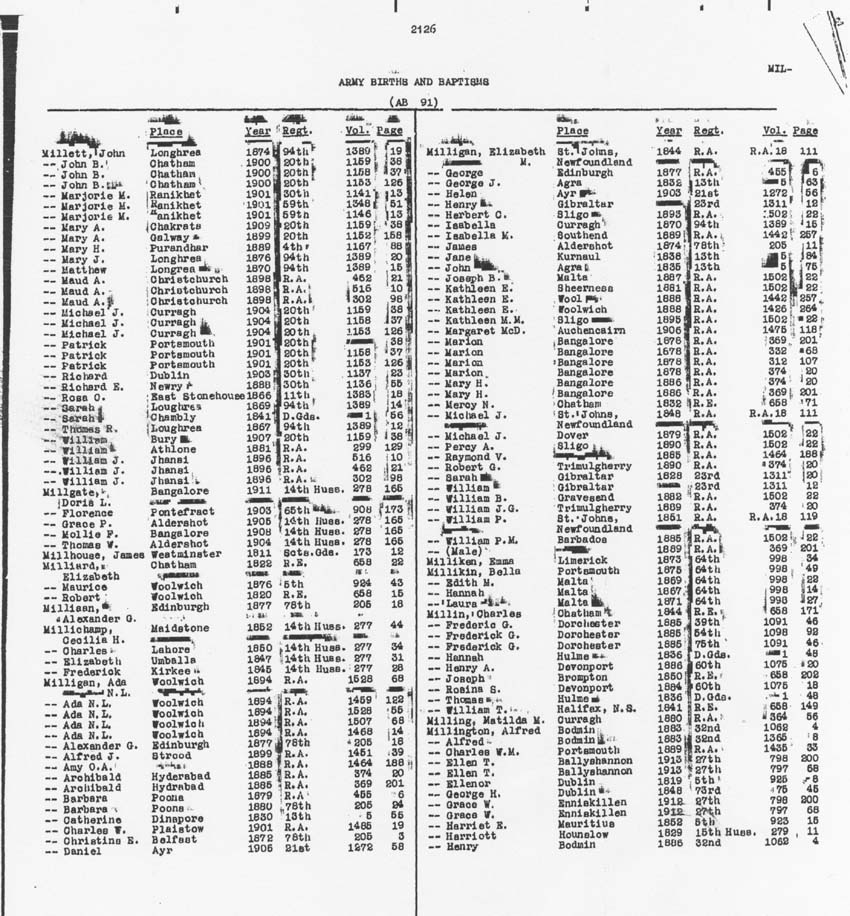
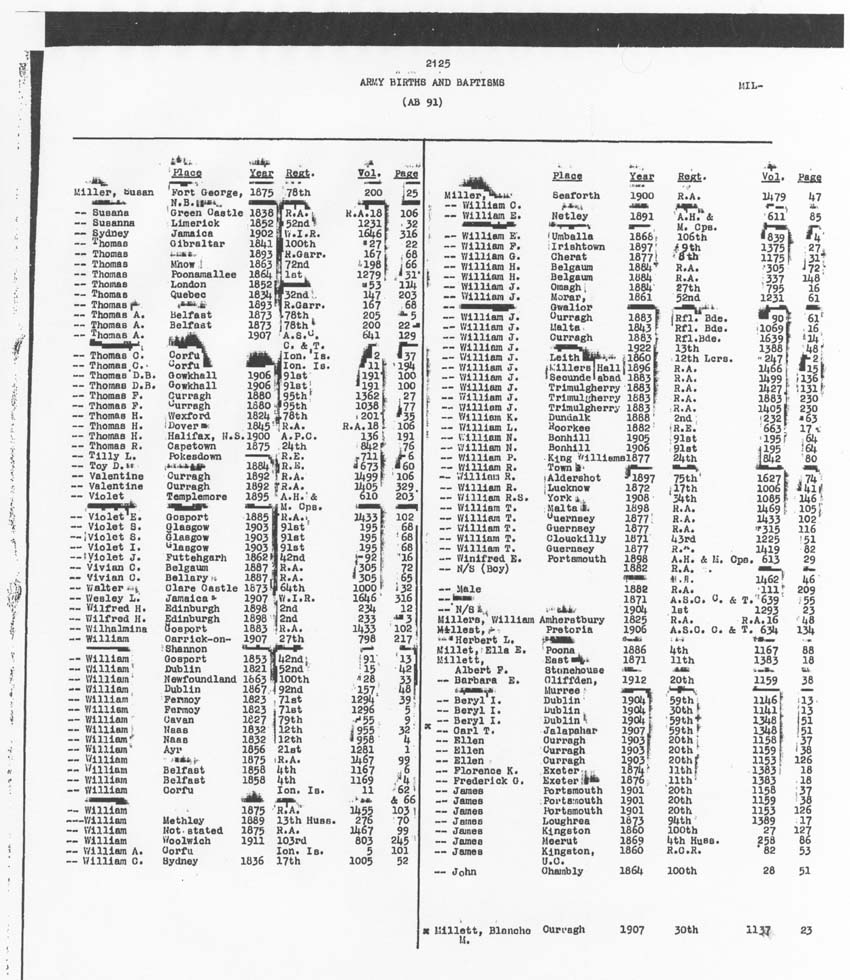
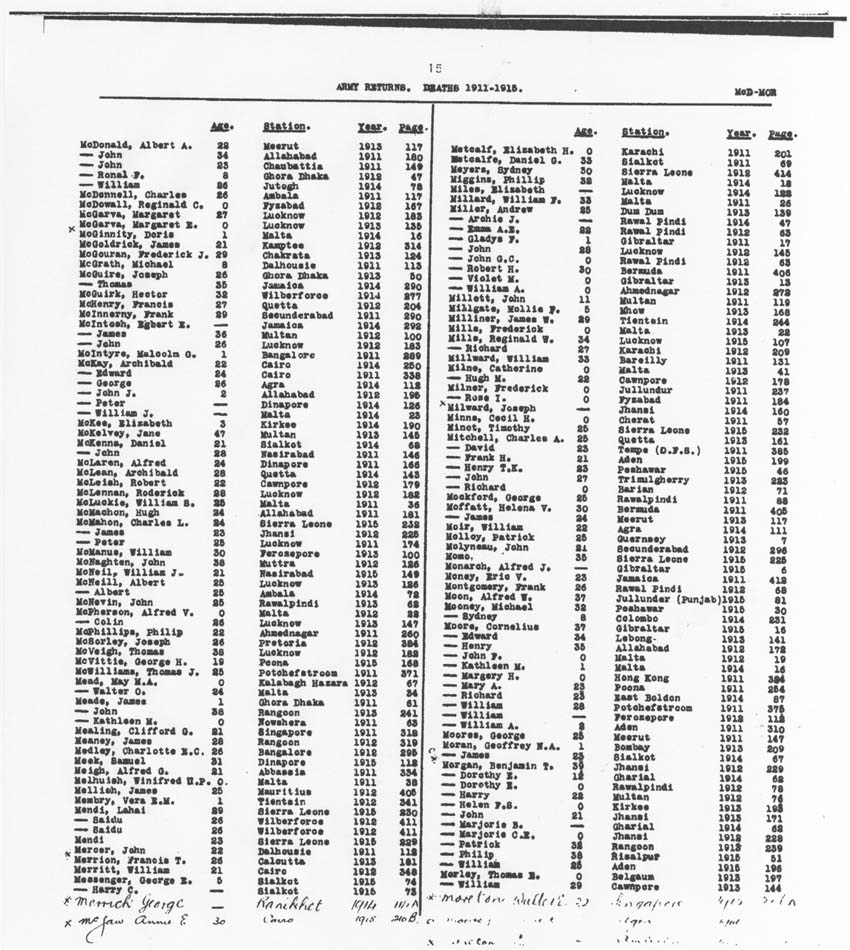
Sergeant John Bernard Millett. The father of 6 children , he was 41 years and 2 months old when he volunteered to fight in WW1. He had already seen 14 years service with the 2nd BN Lancashire Fusiliers and 9 years service with the Connaught Rangers. He is listed on our nominal roll of those who fought at Spion Kop and his service records show that he had 2 bullet wound scars on each thigh when enlisting in 1916. He was discharged again in 1919. They do not make them like this any more. "
|
In Memoriam
|
Died on 28/06/1916
Private Charles Partington 1st Lancashire Fusiliers Private Charles Partington of the Lancashire Fusiliers died in June 1916 as result of 45 wounds sustained by bursting of a shell. His wife of Hilton Fold Lane, Middleton was summoned to France and arrived in time to hold a conversation with her husband, who was conscious for 10 minutes during her presence. The deceased soldier was connected with the Middleton Wesleyan Sunday School. He was 30 years of age, and joined the colours in January 1915, at which time he was employed by Mr. E. Partington, builder and contractor. He had been through the Gallipoli campaign. Private Partington is laid to rest at St Sever Cemetery, France. |
|
Died on 17/08/1916
Lance Corporal Joseph Mellalieu 1st Lancashire Fusiliers, attached 8th King's Own Royal Lancaster Regiment Lance Corporal Joseph Mellalieu,
of the Lancashire Fusiliers, died of wounds on August 17th, 1916. He was
the son of Mr. and Mrs. Mellalieu, Thornley Street, Middleton, and was
24 years of age. He joined the army in April, 1915, and had only been
at the front a few weeks when he was fatally wounded. As a boy he attended
Providence Day School and later became associated with the Temple Street
Baptist Band of Hope. Lance Corporal Mellalieu is laid to rest at Dive Copse British Cemetery, France. |
|
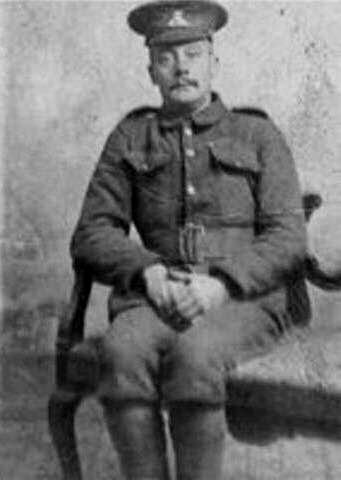
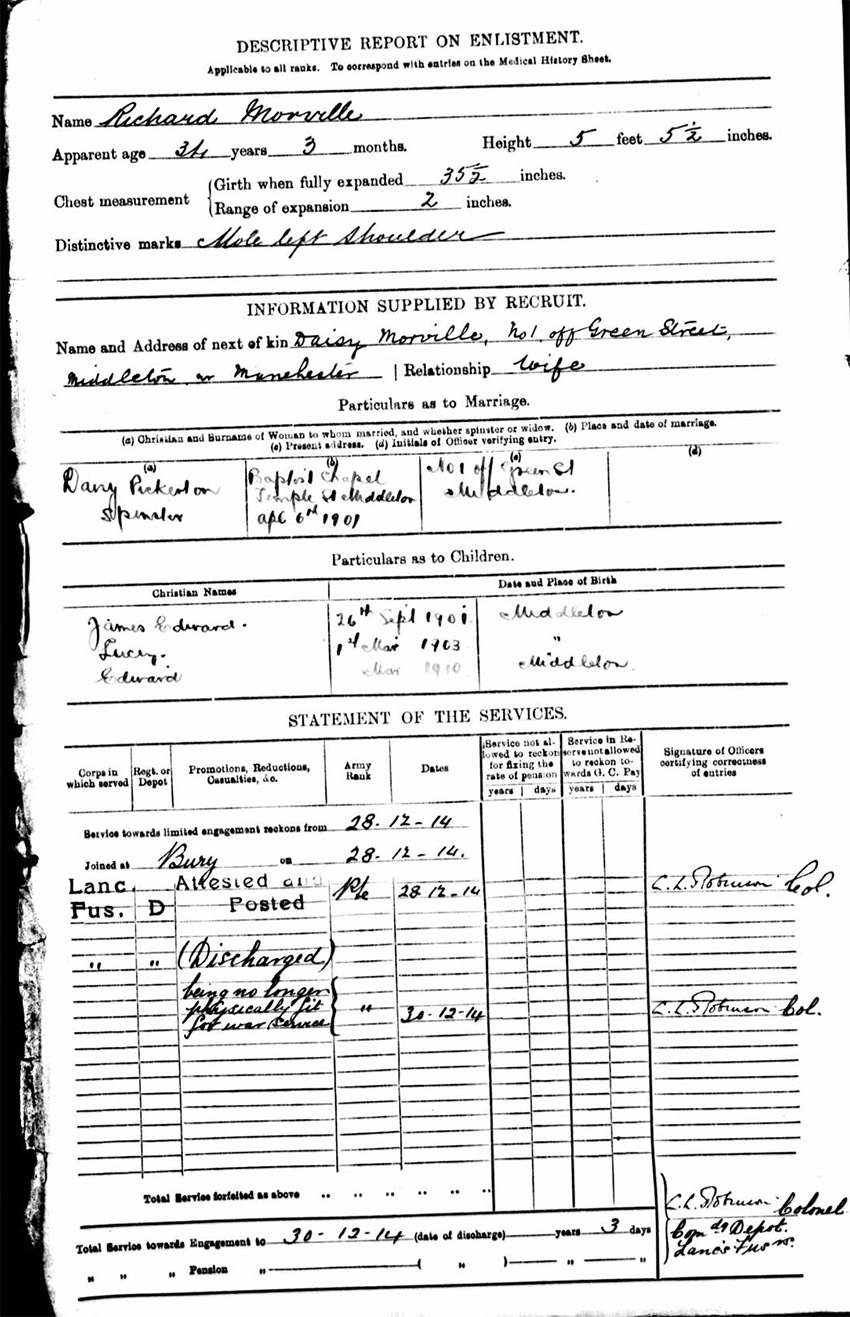
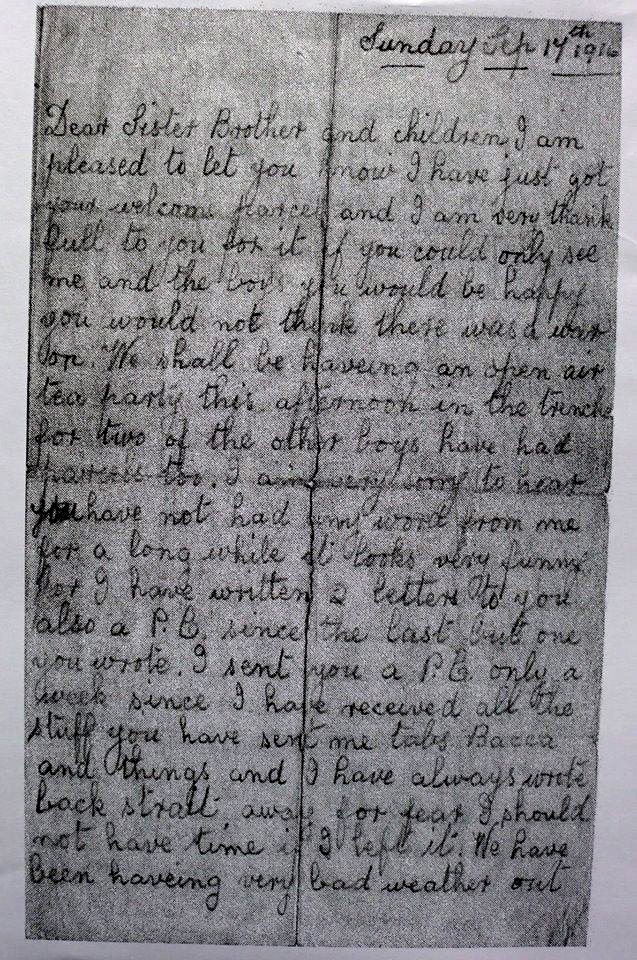
Died on 20/09/1916 Husband of Mrs. Daisy Morville, of Middleton, Private Richard Morville of the 1st Lancashire Fusiliers and who resided in Green Street, Middleton. Was killed on September the 20th 1916. A chaplain wrote; "May I just write to offer you my deepest sympathy in the sad news that you will have had. Your husband was killed instantaneously on the night of the 20th and I buried him today, his grave will be well looked after. May God comfort you. It is very terrible for you isn't it? But isn't it a comfort to feel he died in such a noble cause? Christ has conquered death and is there to welcome all His true servants. We must take heart and look on to when we shall make the great journey and join those we love again". Private Morville who was 36 years of age, joined the Army in June 1915, and after spending some time in Egypt, went to France in March 1916, he was a native of Slattocks and had been employed at the Tonge Vale Mill. He was connected with Temple Street Baptist Church and School and was a capable tenor singer in the choir. Private Morville is laid to rest
at
|

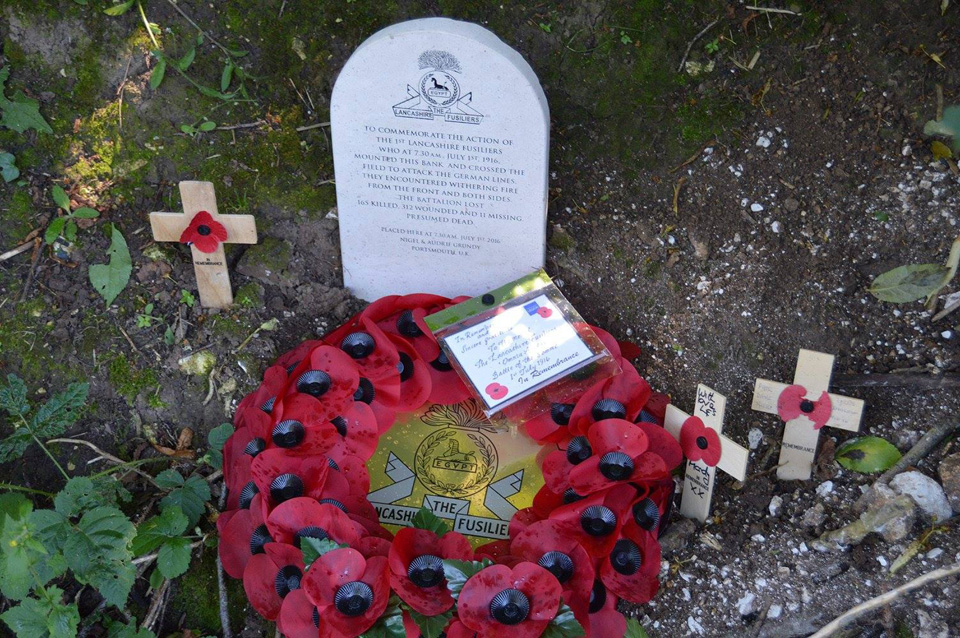




Birthcert.jpg)