DIARY OF SERGEANT L. CARR
19 WELLINGTON ROAD
CRUMPSALL
MANCHESTER
A SERGEANTS LOG OF GALLIPOLI
The following pages represent a translation of a shorthand diary,
kept day by day from April 28th 1915 to January 1st 1916 - and relates
accurately and faithfully the various movements, engagements, bivouacs,
etc. And if I may say, the hardships and privations endured whilst
serving my King and Country on the Gallipoli Peninsula - probably
more familiarly known as the Dardanelles Campaign.
It is not intended to be a literary effort - there is absolutely nothing
of the fiction element about it nor intended - it is the voice of
what I could correctly describe as from the rank and file; as although
a non-commissioned officer, I naturally "mucked in" with
the "boys" - the rankers - the common soldiers who won the
war.
There will be found in its pages what some of my friends will term
a characteristic artistic description of some of the beautiful surroundings.
It is not intended to be propaganda in its passport - but taking the
Gallipoli Campaign as a whole - I think few of you who read it will
not be carried away with any other idea than that this war was senseless
and futile.
I hope you will enjoy it - if I may be permitted to use the word enjoy
- in fact I feel confident you will find same interesting - particularly
those of you who had friends or relations out there.
APRIL 1915
28th
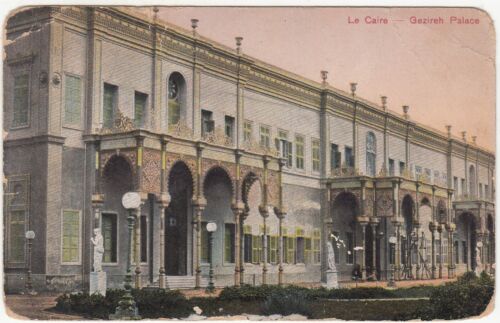
Back in our old haunt - Main Barracks Abbassia, Cairo, where we were
first housed when we landed in Egypt in September last.. We are tenanted
with the 6th Manchester after our few weeks under canvas at Heliopolis.
Not a great deal of room for two battalions in the space we previously
occupied with our own battalion, but it is much better than Heliopolis
- Canvas tents don't offer that protection against the sun and sand
storms which are so prevalent just now.
Our march to Helouan should have come off today at 6pm but was cancelled
at 5.30pm. There seems to be an air of suspicion about and everybody
is in a state of excitement. "C" Company have moved off
to the Suez Canal today.
29th
With the Gun on the range at 6am until 9.15am ranging, grouping and
a general Machine Gun Practice. A rather intensive and sudden preparation
which gives one the impression that the end of our training is in
sight and that we shall be wanted somewhere very soon.
Arrived back in barracks to learn that we have to move probably to
the Dardanelles. The excitement seems to be magnified each hour and
the air charged with electricity. The only topic seems to be "when,
where and now."
Inspection of service dress, identity discs and kit generally, and
the rumour seems to be taking definite shape.
30th
Further inspections today from 6am. Orders issued that no buttons
are to be cleaned until further orders. A rather remarkable order
in view of the spick and span regime of 7 months training at Cairo,
Alexandria, Ras-el-Tin and Heliopolis.
Iron rations will be issued out, consisting of 1lb Corned Beef, 1lb
of Biscuits, Oxo Cubes and tea and sugar.
Our Khaki drill is not to be worn, service dress only with Helmets.
"C" Company returned from the Suez this afternoon. So we
are now at full strength and all the troops - 5th and 6th and 7th
and 8th Manchesters, 5th 6th 7th and 8th Lancashire Fusiliers and
The East Lancashires should be in fine fettle, with an opportunity
of putting into practice our long training - with route marches (not
forgetting the third tower) and miniature battles.
All bustle and excitement again - everybody seem to be straining at
the leash and jumpy and jurky with inspections for this, that and
the other. Doing things now which should have been done in the first
week of mobilization at Cross Land and Turton.
MAY 1915
1ST
More Orders - and as Orderly Sergeant for the Machine Gun Section,
I seem to be kept on the trot and full stretch most of the morning.
Orders to get kit bags and equipment together ready to move at a moments
notice. 100 rounds of ammunition issued out.
Parade at 10pm with the Machine Gun Section
and travel with the first train at 11.30pm.
Although we are supposed to be in perfect health and condition, we
are just about murdered with full pack on. Dashing about like a Jack
in the Box all the evening and on parade all night fatigue work.
2nd
Entrained at 12.30am - from Abbassia sidings and after the usual "de
luxe" train journey from Cairo to Alexandria arrived at 6am.
Guns unloaded and packed them on board the S.S. "Karoa"
(Glasgow) but the Gun Section have to sail on the S.S. Nile, so we
embarked on the latter. There seems to be about 2,000 of us aboard
and unavoidably packed uncomfortably. We are packed on the boat deck
amidst the smoke, soot and grime. First bit of food received at 2.30pm
since last nights tea. Roasted Potatoes (2) with some frozen beef.
Were just settling down in our new abode at 5pm when orders were received
that the Machine Gun Section must travel by the S.S. "Koroa"
after all, so that meant still another move. The Army to a "T"
However the change appears to be for the better so far as personal
comfort is concerned so we were quite contentedly settled down at
6pm and interestedly watched the departure of the S.S. "Nile".
Got down to it on the saloon deck at 10pm
3rd
Up at 6am just in time to see the departure of another troopship -
all aboard seemed in good spirits and a general carefree exchange
of helmet and hand waving.
We followed in the wake and sailed from there at 7am. I should think
Alexandria Harbour never presented a more warlike appearance as it
does today, what with troopships, destroyers and craft of all sizes
and descriptions. The quaysides choc a bloc with stores , ammunition
, Guns, no wonder the Arabs and Baksheesh boys are looking awestruck
and bewildered.
Breakfast at 7.30 - parade at 10 and both guns mounted on the deck.
Into it this time I think. Another 100 rounds of ammunition issued
out this afternoon. Thats 200 each - so if every bullet finds a billet
theres going to be some tragedies.
Most of the afternoon spent filling all our spare belts and getting
ready for action
4th
Up early with a glorious sunrise and sighted land at 5am and was in
view all along. A chill wind blows and was a bit chilly on the deck
with only one blanket on last night.
A special guard mounted on the boat deck to watch for submarines and
mines. Hope they have some luck.
Nothing startling happened so far no escort arrived yet but shall
probably pick one up during the night. Expect to arrive sometime tomorrow.
Down to it at 9.30.
5th
Woke up at 5.30am to find ourselves just right amongst them now. Heard
the first shots of the war fired - it seems quite thrilling and with
dozens of ships, cruisers, gun boats etc. knocking about we are slowly
beginning to realize that war is a grim business. Lt. Beason tells
us that the Turks are hemmed in between the Australians and the 29th
Division. I think we are going to reinforce this lot.
No idea where this place is but there appears to be plenty of troops
and life all round the coast.
Orders to get equipment on, dismount the two guns and get under way
ready to disembark.
A precarious and unsteady gangway connects the side of our boat with
a much smaller Pinnace and after a bit of shuffling and manoeuvring
we are suddenly carried alongside the S.S. "River Clyde".
Each boat load seems to get its quota of shells aimed at it and our
baptism of war I suppose and a shell burst within a dozen yards of
our lot but we only got a bit splashed.
Over the narrow doorway leading through the "River Clyde"
is the useful advice "Duck your Nuts". We had to get through
and rather fortunate that we are all more or less slim or a fairly
stout fellow would have become wedged in the doorway - what with equipment
and our full packs.
However we touched land again and were marshalled into some improvised
shallow trenches awaiting the whole battalion disembarking.
Shells and bullets are whistling about and heavy firing going on all
the time and I feel sure I could taste some of them.
The troops on shore tell some terrible tales of the hard times they
had when forcing a landing and storming the cliffs. A glorious place
here for all that and as we moved away in single file to our bivouac
we could see the destroyed forts and little villages around the district.
Wonderfully interesting without a doubt but something to "chuck"
would be more so.
Gen. Ian Hamilton came amongst us in the early evening and appeared
quite friendly and "pally". He remembered the Lancashire
Fusiliers; he was with a Manchester Regiment in Ladysmith and he always
had treasured memories of their heroism. He felt sure we would uphold
that reputation especially as we came from Manchester and Salford.
Evidently words of comfort but we were more interested in the "grub"
which arrived at 7.30 - a tin of cooked meat - potato hash with an
overdose of preservatives in but we relished it and if the tin had
only been edible we could have eat that as well so hungry were we
as it was our first bite since 8am.
Got down to it in the shallow trenches at 8.30pm to the tune of a
terrible fire in the distance and the warships which we are overlooking
are all firing hard.
6th
Roused at 2am - rations given out and were all moving away at 2.45.
No smoking - equipment tightened up to prevent rattling of water bottles
etc. no talking in the ranks and move as noiselessly as possible over
some very uneven ground - arriving in a beautiful valley at 5.30 -
after just avoiding walking through to the Turkish lines. Hard work
carrying the guns on stretchers and the nearer we get the closer the
bullets seem to come.
As the morning wears on the shells come whistling about in their hundreds
and things seem very unsafe. There seems to be a peculiar stillness
amongst us - an uncanny feeling - prompted probably by the wars horrors
which are grimly but silently told around here - by the dead troops,
dead animals, blood stained rifles and bayonets left lying about.
There is a New Zealand gun team near us in the shelter of the hillside
and they are working their gun like hell. It is fine morning but a
nasty cold wind blowing.
Orders received at 2pm that the Machine Gun Section have to go into
action and cover the 6th Battalion (Lancashire Fusiliers) advance.
Moved in single file across gorse and scrub down a cliff side and
out into the open country. A few minutes just under cover to enable
us to get our wind and quench our parched throats - we seemed horribly
thirsty with the exertions and apparent fear and dread of the unknown
- and in line we advanced - carrying two Machine Guns - tripods and
belt boxes fully loaded was collar work. That few seconds behind the
first bush I shall never forget - the whole Turkish Army seemed to
have spotted us and it was doubtless a couple of snipers.
We made good progress and after what seemed like a few miles advance
we got into action and were on targets galore - with the Turks retreating
from trench to trench until nightfall came on and we had to dig in
on the ground we had won.
Our first appreciation of our entrenching tools and we dug, dug, dug
until we could hardly move.
No slurp, no grub and very little water and we discarded our helmets
at the starting point so we present a bedraggled appearance no doubt.
Bayonets fixed, guns ready loaded and riled up and under arms all
night.
7th
"Pass the word along to "Stand to" - 2am and we are
wondering whether our last minute is to come. There is a terrible
nerve-racking rifle fire all night and shells are bursting all over.
The noise is deafening, and to add to the weirdness of it all there
is a powerful search-light somewhere ahead of our right front which
flashes across the front every few minutes and appears to turn the
night into day.
It was a wonderful scene in the dim distance.
I think the 5th Battalion Fusiliers advance today and we are covering
them all the morning and well into the afternoon and they are evidently
making progress as the enemies fire is mounting considerably and are
being driven farther back. But we are paying the price for it - all
our Battalions are badly cut up but have done good work and seem to
have the enemy on the run again after yesterdays rout.
Both guns out of action at 3.30pm and as we were rushed so quickly
into the fighting our spare part boxes and limbers were left on the
"Karoa" so we cannot effect any repairs.
We had to make water in the barrel casing as the heavy firing we did
had evaporated all the water in it. Looked very humorous handing the
corned beef tin round to each man.
Little short of murder in here - dead and dying are lying about all
over and a poor Turk lies a dozen yards ahead of us wrapped in this
blue overcoat - his moans sound pitiful and looks as if his life is
limited.
Brilliant sunshine all day and the Larks are up and singing with a
seeming silent mockery while we poor devils have had neither sleep,
food nor wash since leaving the transport - except for the tin of
cooked meat.
Don't care how soon we do get something to eat and how soon we are
relieved. The shells and shots come whistling over our heads and makes
us cowe down a bit I can tell you.
Hope we can gain that "B" hill that we are after as if we
can get hold of that we ought to have the key to the situation and
keep them on the move.
7th
"Pass the word along to retire along the trench" and we
dismounted the guns and moved from our position after having been
there over 24 hours with nothing to eat except what we could cadge
from the 5th Battalion chaps who were constantly passing us to their
jumping off point.
Borrowed some spare parts and soon got our 2 guns in working order
again. Were just having a quiet rest at the advanced supply base and
concluded that we could get settled down for a few hours - but orders
came through that the whole Fusilier Brigade have to go to the base
to re-organise our shattered forces - so we moved off in the darkness
at about 8pm over some terrible undulated country and amidst a suitable
hail of snipers bullets - arriving at our first base at 11 o clock
just in time to get a tin of jam and some biscuits issued out, but
no time to eat them as we have to move off to our ....................
base which we first arrived at off the boats. It was a back breaking
and a heartrending march - over rocks and broken stones that seem
like the forts which we have reduced and to add to the burden, we
were carrying guns and ammunition boxes so we had a hell of a job
- and no mistake and the old Turk with his several cows and bullocks
seemed to trudge alongside us as nonchalantly and easy.
8th
Looked at my watch at 12.30 and I felt absolutely spent. Impossible
to move any further so some of the men and myself got down to it on
the rocks about a yard from the Aegean Sea. Woke up as soon as dawn
broke and wended our weary way to the base. After climbing and rolling
about with a rifle and belt box we eventually arrived at our Bivouac.
First job after that was to have a wash and shave- a wash with the
lather brush as our water was precious - the first since leaving the
boat. Feel a bit better now and it is 7 o clock. The bacon is being
cooked and it smells appetising to be sure. Just having my first decent
smoke for four days - cigs are worth their weight in gold - yesterday
there was just a 2 inch dimp between us and all six had a draw each.
Our first taste of war has left a nasty impression, I should imagine.
The pitiable sights we witnessed will go with us down to our graves.
As we were scurrying across the ground - up hill and down dale - to
our jumping off point - we encountered any amount of wounded - one
young looking lad with his arm smashed up was wild eyed and open mouthed
and shouting "Mother Oh Mother". Another fellow among the
next batch - they seemed to be coming along in half dozens - was beseeching
us "Don't go lads - its bloody murder down there - Don't go -
and the blood trickling down his face made him look more hideous and
his words are ringing in my brain yet. The medical chaps were working
like Trojans - stemming the blood from their wounded with bandages
that looked already to have reached the limit of their absorption.
It was all sickening and heartbreaking reallly - and all that before
we had reached our jumping off point - a rough strewn stony coast
track apparently - with a thick bushy hedge alongside which we were
taking cover and quenching our parched lips from our water bottles.
Just ahead and out in the open there was an officer of the 29th Division
sauntering about quite carelessly to the edge of the cliff and back
again - we were only about 20 or 30 yards away from the edge of the
cliffs with a sheer drop into the sea. Could clearly see the revolver
in his hand - whether consciously or unconsciously he kept it in a
position where we could all observe it. The enemies machine guns -
there was no mistaking the regularity - swish, swish, swish - were
playing constantly on the point where we were converging from - and
as we glanced through the gaps in the hedge we could see the shrapnel
shells bursting all over the plain. It was a terrifying sensation
- I don't think there was a word spoken - we just seemed to look at
each other then through the gaps in the hedge and the expression on
our faces told each other what our mouths couldn't. But the 29th Division
Officer inspired us - that may or may not have been his mission -
and we dashed out and over the open country in 50 yard bursts - taking
cover behind the few bushes scattered here and there. The incident
which unnerved me more than any of the previous gory sights happened
after about the third stretch when I almost bumped into my dear old
pal Bob Anderton - with an ugly gap at the top of his left arm - he
was staunching the blood with a bandage in his other hand and a R.A.M.C.
fellow was assisting him along. Poor Bob. I was dearer to him spiritually
at that moment than I had ever been in my life - the fellow I joined
the Territorials with in 1909 - we went through the A.C.O.'s class
together - almost inseparable at our Aldershot and Prestatyn camps.
And the same in Egypt - we were like Siamese twins - in fact Regt.
Sergeant Major Robinson invariably had us both in charge of the respective
guards at Albasia barracks - if Bob was on Quarter guard I would be
on Main Guard and vice versa. It shook me up from head to foot - and
with every bursting shell that came near us - I could picture myself
getting one in the right arm to balance us. It was a painful baptism
of war without a doubt.
The Aeroplanes are busy overhead during the morning and the big guns
are still booming but the rifle fire seems to be farther away after
our big rush this last few days. We hope to capture that "B"
hill before the week is out.
All resting and recovering ourselves and the roll call shows quite
a number of familiar faces and names missing from the Battalion.
The cooks are busy at the bottom there getting some good corned beef
stew ready for dinner and whilst a less appetising sight on the windward
side of our bivouac looks as if some of the troops are making more
room for it. Our latrines are shallow trenches about a foot deep where
they have to stand astride and obey natures call. If it isn't closed
at dinner time I can see some of the more modest and tickled stomached
heaving a bit.
Orders just issued that we must be prepared to move away at shortest
notice after 2 o clock.
Tea at 6 o clock biscuits and jam with an issue of cigarettes and
a small ration - about a good mouthful of rum.
Parade at 7.30 pm and moved off over some better ground - although
the guns and equipment don't get any lighter and our cramped positions
yesterday has made us all quite leg weary.
9th
Stood with the limbers until 4.15am then made some tea and had a snack
of corned beef and biscuits.
Here we are in a very pretty spot - well wooded and sheltered. French
troops and artillery are scattered about in "lumps"- any
amount of Indian troops also. It seems more like a gathering of the
clans, and with some fine dug outs we are likely to live longer than
the trench life we experienced yesterday.
The French Artillery are playing hell with that "B" hill
we are after and we get a much better view and it looks unnaturally
symmetrical with a huge mound at the top of it.
There appears every prospect of another big battle coming off today
by the way the artillery are pounding away. The rifle fire seemed
to drop a bit during the night but is at normal again this morning.
The poor Australians have had a terrible cutting up judging by the
dozens of dead, dying and wounded the stretcher bearers are carrying
away to the hospital base. Feeling pretty fit and well just now and
have been able to get another wash. Got down to it at 8.30 after blankets
(1) had been dished out. Of course, as we may be wanted any minute
we cannot take our clothes off and when I got laid down I could feel
the "Crawlies" having a stroll round. I feel absolutely
lousy with not having my clothes off for such a long time.
10th
Up at 4.30am and took advantage of the quiet morning by having a good
wash and examining my shirt I found about 20 of the best. Little black
things - I've no idea what they were but they feel like elephants
the way they walked around last night. Heard there was quite a heavy
cannonade during the night but I must have slept peacefully through
it all.
The guns are cracking away quite early on but that "B" hill
looks most imposing and a most formidable task - it will want some
taking I fear.
The hundreds of wounded Australians seam to form an endless stream
as they keep passing through our lines and all look in a pretty bad
state. They must have lost half their numbers by now.
Our killed and wounded was not so bad when one considers that it was
a veritable hell and literally swept by rifle, machine gun fire and
that pitiless shrapnel.
Went on parade at 11 o clock - a bit of an inspection it was really
intended for but just as we were lined up, a shell burst about 30
yards ahead of us. When another one burst in some bushes only a few
yards away and smothered some of us in dirt and debris, we had to
clear off in a virtual stampede to our dug-outs. It certainly seemed
little short of madness to have us massed out there in the full glare
of the Hill.
Brilliant sunshine all morning and as our bivouac is right amongst
dozens of apple and pear trees it is beautiful. And if it was not
for the shells and bullets whistling about would be more like a picnic.
We are nevertheless getting more used to these death dealing shells
and that nervy feeling seems to be gradually wearing off
11th
Stripped for the first time last night since landing and felt much
better after it, regardless of the hardness of the bed.
Breakfast at 8 - Bacon, biscuits and jam. Overhauled the guns and
rifles and took things easy. The usual cannonade seems to continue
with a few heavy explosions round the bivouac but otherwise nothing
very startling happened.
Orders issued in the late afternoon to get ready to move very shortly.
Moved out of our bivouac for the first line trenches at 7pm. It is
a weird and eerie job this morning - never a word is passed hardly
- just a steady tramp and stumble across the uneven ground until we
reached a water course.
Traversed this for a couple of miles when one of our fellows got hit
and caused us to be cut off from the battalion. An officer wanted
to show us the way but not likely - he looked a bit fishy for my liking
so I simply hung on and followed the 7th Battalion Fusiliers - right
across a terrible field of fire - Thought my last minute had come.
It was a terrifying journey - for about 20 minutes we were digging
our noses in the mud - we dare not move so heavy and close seemed
the rifle fire. To make matters worse the rain started and we were
soon more like water rats. When the firing had quietened down somewhat
we crawled forward gradually.
12th
Arriving at the support lines about 1am feeling just about beat. Raining
heavily and the trenches are full of slutch. Moved further along and
eventually landed amongst the rest of the Battalion at about 5am.
Both guns mounted on the parapet with a good field of fire but very
exposed - and relieved the two Australian teams who have been here
they say since Saturday last.
First job after that was to help Capt. Goodfellow of "C"
Company to lift one of his men who had been killed during the night
out of the trench. Hit last night with shrapnel. Not a very pleasant
task after our gruelling and arduous journey last night. Makes one
hope the war will not last long as it is little short of hell in here
just now. How glorious to be at home with the wife and baby and to
be able to sit down to a decent meal and a good cup of tea.
Firing has been going on all morning and the shots come whistling
over our heads most uncomfortably. Feeding on biscuits and jam. We
lost about a couple of dozen men last night what with snipers bullets
etc. you have a difficult task to get along safely. Just blown the
tangent sight off No.2 gun. They are not half crack shots - but suppose
it was partly our fault for having it up, although in our extreme
excitement we overlook these details.
Moved about half a mile farther along the trenches to take over two
machine guns of the Australians, which also brings us near the French
who are operating on our right. Terrific bombardment all afternoon
and early evening and we covered an advance of the Frenchmen. Evidently
trying to straighten the line as we seem to be several hundred yards
ahead of them. Silhouetted against the sky they presented a wonderful
spectacle as they advanced in line in extended order and although
the Turks shrapnel was being powered out their progress was decisive.
Got down to it between 11 and 12pm but had a job to sleep much - what
with the terrible noise and the "crawlies".
13th
At the guns from 2am and watching the dawn break and a beautiful sunrise.
The day is just as fine as it was wet yesterday. Trench life is bad
enough in fine weather but with the pitiless rain we seem helpless
in the mud and slutch. A nice field of Poppies lies to the rear of
our trenches and I am writing this note to the tune of the beautiful
larks song in a good strong sunshine.
Captain Radford of "A" Company was shot in the neck last
night and now lies dead at the bottom of the trench. Any amount of
dead lying in front and behind us. Our breakfast bacon which the Australians
kindly left us has been lying alongside a dead Turk for a few days
but it went down with gusto for all that.
The Aeroplanes are busy again this morning - as also the stretcher
bearers and we seem to be having any amount of casualties during the
last few days. News just been passed along as official that Antwerp
and Ostend have been re-captured by the British, so thats a bit of
good news.
One of the Turks gave himself up at the end of our position at 3.30.
We applied the usual active service regulations - blind folded him
and led him through the trenches. They look big fellows these Turks
- for stature and physical they would make two of our chaps.
"Pass the word along to keep a sharp look out" - which we
did from 6 o clock onwards. Evidently that Turk had disturbed our
headquarters and we were on tenterhooks until 11 o clock. Then tried
to get down to it, but no use and was stood to arms most of the night.
14th
Heavy fire kept up all night but no counter attack developed. The
enemy's fire balls fairly light us up and their powerful searchlight
is monotonously accurate in its flash. Private Dixon the chap next
to me got a bit of a wound during the early morning and sent him down
to the base.
Had a very pleasant surprise this morning after breakfast where the
Company sent along eight cigarettes. They are our most welcome friend
out here. Matches are very scarce - in fact everything is scarce bar
the bullets and shells.
How senseless war seems amidst a glorious country like this - with
Gods own music. If we could only interpret the Lark's song I am sure
it must be trying to convey that impression to us all.
I don't know whether any of our fellows have a divining rod but one
of them has struck water and our tea we make with water - very limey
and milky coloured - taken from a hole sunk in the trench bottom.
The usual dinner - jam and biscuits and the tea tastes delightful
- it is a beautiful deception and makes us think we have milk in it.
A glorious starlet night with hardly a rustle of wind - not enough
to disturb the leaves of the old oak that stands defiantly just in
front of our trench - the bark has been knocked off the trunk with
bullets.
The peace and quiet of a pleasant summer evening was badly disturbed
about 11pm when a 90 minute terrific rife fire broke out all along
the line but eased off to normal.
15th
Another ideal day and there seems a lull in the fighting in this section.
Perhaps the calm before the storm. Just heard officially that there
are 37,000 prisoners taken at Ostend.
Also rumoured that there is a mail in today. Nothing much moving up
to lookout. Orders to dismount gun and re-join the section in our
old position so moved off at 2.30.
It seems a bit safer there too - the trenches are deeper and narrower
which affords better protection against that damned shrapnel.
The mail is in evidently as I have 8 letters to read over tea. Some
consolation for a miserable feast - jam and biscuits. Very busy time
for the artillery after 6 pm but quietened down towards 10. Tried
to get down to it at 11 but the Turks night firing got us jumpy and
were soon called out to "stand to". Don't think we have
had 24 hours sleep all told since arriving here.
16th
Think of it - Sunday morning and in the
trenches whilst the people at home are basking in the Parks. Sitting
reading at their ease while we poor devils don't know which moment
is our last.
There is a pretty little village not more than half a mile away and
the more we look at it the more it reminds us of home and the artillery
keep pounding away at it. - but it looks so beautiful and peaceful.
Probably we shall be in it before very long.
A strong rumour about that we shall be returned tonight. Just had
a call from Sergt. Stan Whittle who was attached to us at Cairo. Seems
to be going on alright amidst this terrible strife. Immediately above
here within my sight is that poor chaps grave, that I helped Capt.
Goodfellow to drag along the trench when we first arrived in the trenches.
What a grave it is only a foot down - we cannot expose ourselves sufficiently
long to dig too deeply. Buried just as he fell - minus equipment and
helmet. The only reverence we could display was to put a sack over
his face and head - perhaps a tender feeling that the earth would
not hurt his face.
These are the incidents which touch a man's heart however hard it
is.
Plenty of shell fire all afternoon and another of our boys was killed.
Shot through the lungs.
Packed up and moved out of the trenches at 9pm. Relieved by the 5th
Manchesters and had a perilous journey moving. Met by a fusillade
of bullets at one corner of the Gulley - it seems a veritable death-trap
no cover. The fire was so heavy that we had to retire and man the
trenches again. The Turks naturally know every inch of the ground
and where our exits from the trenches to the Gulley (our main line
of communication) are.
It subsided very considerably and we managed to get to our bivouac
in the early hours.
17th
Dead beat to the world and I'll bet I was fast asleep in 5 minutes
after arriving. Up again at 6 o clock and found ourselves in a magnificent
spot - right in the midst of a barley field with fine healthy fruit
trees all round. It would be delightful out here only for the infernal
war. Another nice bright sunny day but we seem to be a bit nearer
the fighting zone than previous bivouacs. Hope the authorities allow
us to get settled down for a good long sleep - everybody is wearing
a more or less jaded and weary appearance.
Shells are dropping perilously near our dug outs and we barely seem
to get away from them.
A lush diet for breakfast - Bacon and cheese. Not had any bread yet
- all hard biscuits - but we can eat anything. Our experience in changing
trenches will have created an indelible impression. I should imagine
by now. We would sooner charge in daylight but every move has to be
done at dark - we are not sufficiently forward get and always under
observation and fire. But even at night the enemies search-light makes
us get down in the gulley and the dozens of croaking toads and the
glow of the glow worms don't assist us in any way. It may seem absurd
but one gets the impression that the croaking toads give the enemy
the "wire" when troops are moving. Or is it their usual
habit to croak at night time. Perhaps so.
18th
About the best and most peaceful sleep I have had for weeks last night
and found a difficulty in getting out at 5.15. But it was too good
to be true and we had a sudden ................... when we were ordered
to pack up again.
Parade at 7 o clock and moved away to another bivouac about a mile
farther on - supposed to be a rest camp and sheltered a little bit
from the "B" Hill by the contour of the ground but shells
are bussing about nearby.
There was a heavy bombardment of that pretty little village of mine
this afternoon and it is smoking heavily again. We never seem to leave
it alone for very long. Although a rest camp - the men have to go
on fatigue parties making decent roadways for some big naval guns
that are coming to our assistance. And if signs and portents are anything
to go by we shall want 'em.
A few more casualties in "A" Company and their total will
soon be as many as the rest of the Battalion put together. Still bombarding
the enemies position all along the line so got down to it at 9 o clock.
19th
Up with the Lark at 6.30. A ration of Bread for breakfast this morning.
First white bread we have seen for 3 weeks. A small loaf about 6 inches
long and four inches square - one between three of us. Not much sustenance
there for growing lads but we cannot grumble.
All sunshine again today and on the whole life would not be half so
bad only for these cursed shells and spare bullets whisking about.
There was a bit of a Religious Service this morning on the sheltered
side of the valley here and quite an assembly went to make peace with
their maker.
Finished dinner at 5 o clock and were just feeling contented with
ourselves and enjoying the fine sun-down when we were ordered to pack
up and move again. We seem more like human pawns in this warlike game
of chess and the authorities appear to take a sheer delight in this
......................... removal - as soon as we get fixed up in
some decent dug-outs we have to move to another spot. However, we
must conclude there is some strategy in it all and we moved off at
7.30. Darkness again and we stumbled along to some unknown place and
after making a bit of head cover with our entrenching tools, looked
at my watch at 10.20 and got down to it.
In the dim distance we can plainly see that the pretty village burning
- it is a glorious starlet night with the mellow moon looking down
upon us quite serene - with not too much power and probably a good
job for us as we are very exposed.
20th
Up at 5.30am amidst a veritable hail of shot and shells. They are
bursting within a matter of 50 yards all around us - and one never
knows that the next will be right in amongst us.
We had a few casualties last night whilst moving but not very many.
There is a little broken down farmstead about 100 yards ahead of our
camp, and the Artillery blokes seem to be taking care of some cocks
and hens. Some more bread this morning - I record the bread issues
as it is a delightful luxury apparently. The output is improving however
as we have a loaf between two now.
The transport chaps tell us it is a damned good job that we did move
from our last nights bivouac. It is practically a heap of sand now
and even some of the trees have been uprooted. Thank God for that.
I could not help recalling that tune "By The Babbling Brook"
as I was having a swill in a rather shallow but picturesque stream
that runs below here and which separates "A" Company from
the rest of the Battalion.
Our drinking water we obtain from a pretty deep well a few dozen yards
away. It seems a trifle primitive turning the handle and hauling up
a bucket of water. It tastes beautiful and cool - like an iced drink.
The cigarettes ran out this morning but I keep managing to cadge one.
How this war seems to touch the hospitality of man. Thats the thing
which has appealed to me almost more than anything else - how everybody
tries to help one another.
That is the true spirit in these times.
Dinner at 6.30 and feeling quite fit and I don't suppose I shall be
long before I am in the land of slumbers - and I hope we shall not
be disturbed again.
21st
The old aeroplanes are out early today and never seem to tire of searching
for information of the enemies movements. Any amount of heavy shells
kicking about most of the morning and we are keeping low.
Sgt. Billie Birch was hit this dinnertime - a stray bullet apparently
and he is congratulating himself now on his good fortune of going
down to the base. Bathing parades have been instituted today and squads
of men are going to the sea for a swim. Rather a peculiar sight to
see a loaded rifle sling over the shoulder in place of the bathing
suit. A daily news bulletin has been issued out today - the Peninsula
Press - printed at S.H.2 by the R.E.'s Printing Section and amongst
the various news items is the information that there is a sign of
mutiny amongst the Turks at Constantinople so lets hope for the best.
Another sacred service at 6 pm amongst the beautiful foliage.
Rather cold wind blowing from the East which makes things very chilly.
Got down to it rather earlier tonight in our much improved dug out
- our leisure hours have been spent today digging ourselves in.
22nd
Woke up at 6 o clock through the rain beating down on us. A miserable
outlook this morning. Black ominous clouds are hovering about and
a nasty steady rain has set in.
Breakfast late on account of our numerous fatigue parties going out
at 4 o clock laying lines on the West Road to Krithia (that village
of mine that we are constantly hammering at).
Shells are coming thick and heavy again all morning.
Orders sent along to dig the limbers in today so it seems as if we
are staying here for a short time at any rate.
Weather cleared up great at 2 o clock and the sun is hot as ever.
Oh! Give us the sun - rain is damned uncomfortable in these improvised
dug outs.
Several casualties today - stray bullets they call them. They haven't
strayed very far when they have put a few fellows out.
Not too fit today - nasty headache most of the time but eased a bit
in the afternoon. Home sick I suppose.
The aeroplanes are out again just now probably their last trip before
the night fall. News just been passed round that Italy has declared
war on Germany - perhaps that will hasten the end - but we appear
to be getting horribly involved now and will surely want a who's who
of the belligerents or we shall be fighting each other.
Almost in kip when Lt. Bidson came along and told us that we had to
get up and put our clothes ready to move at a moments notice. So of
course we had no option.
Thank God! We were not disturbed again however and I slept peacefully
through the night.
23rd
And to think it is Whit Sunday today - I wonder where we shall be
next Whit Sunday - hope we are all in the good old homeland - Yes
before that.
Not much doing today so far - just a few shells to keep us reminded
that the war is still on. Perhaps the Turks are all on Church Parade.
Dinner over - the usual diet - Biscuits, cheese and jam. Rather a
phenomenal Sunday dinner to most of us I think but I suppose we have
to be thankful for what we do get.
A decided lull in the firing without a doubt.
Helmets are very conspicuous for their absence and only an occasional
one amongst the whole Battalion. The majority of us are wearing the
old balaclava or as an alternative - and a very useful one too - our
mess tin covers. They say necessity is the mother of invention and
these mess tin covers are extraordinarily adaptable as the flap just
comes down on the nape of the neck to shield it from the hot sun.
One of my special jobs now is to read out the Penninsula Press bulletin
to the boys and they fairly look forward to it.
Down to kip at 9 o clock.
24th
Turned out rather miserable again this morning - nasty drizzle and
by the black sky overhead things look doubtful.
Very uneventful and quiet up to now but as I am writing this note
they have started sending a few shells at about 200 yards to our left
so we shall not complain if they continue at that distance. Nearly
all fatigue work just now - digging and delving and we are so experienced
now that we would put the navy to shame.
Beautiful afternoon with the sun as usual and what looked like being
a dismal day has turned out the reverse.
The Machine Gun Section have been practising getting a sight on the
gun with a periscope - rather a novel idea - but a general consensus
of opinion amongst the boys seems to be that we would risk being exposed
for 6 seconds rather than take all that time getting a periscope fixed
up.
Pleasant evening again - a beautiful moonlight night with very little
wind blowing and alternating with the vicious crack of the stray bullets
overhead - we can hear those deathly ominous toads in the distance.
Down to it at 9 o clock.
25th
Breakfast at 7 o clock - we develop quite a good appetite by the time
we get to "A" Company's lines - we are five or ten minutes
walk away - but the tragedy of it is that we cannot appease our appetite.
Search parties are detailed off today to find the Helmets we threw
away in our first advance. Evidently someone gave the order to discard
them on account of them offering better targets to the enemy so it
was a case of follow the leader - now of course we could do with them.
Anxiously awaiting the mail which I believe is due up today. Anything
to cheer one up is welcome in this clime - especially from the Homeland
- and as we have been under fire ever since we arrived here it gets
on ones nerves. Although this last day or two things have eased a
great deal. Finished our "sporting" dinner at 1.15. I call
it sporting because shells are whistling about all the time - generally
some good distance away though. Today however one came very close
- so close that a nasty ugly piece of it dropped within 5 yards of
the 4 or us having dinner together. It was a narrow escape without
a doubt. We ought to be real sports soon -what with sporting evacuations
- sporting meals and sporting washes, it is rather exciting all the
time. But todays was about the most uncomfortable meal we have had
- what with the shells dropping perilously near us and the rain also
dropping rather heavily and to make matters worse Ted Taylor in trying
to cover us both up with the oil sheet caused quite a whole lot of
sand to drop in my tea.
Instructing Sgt. Andrews on the intricacies of the Machine Gun all
the afternoon. We seem to be ill fated for our meals today as we had
barely finished our Tea when a terrific storm broke out and by hell
it didn't half rain. It doesn't rain very often round this latitude,
but when it does - it rains. More like a cloud burst but our troubles
had only just started. That "Babbling Brook" of mine was
now rapidly being transformed into a raging torrent and impassable.
After dodging about for a time looking for a narrow part we made a
jump for it and I managed to cross with one leg - the other was up
to the knee. After wading through mud slutch and feeling anything
but merry we arrived at our dug outs only to find them submerged and
most of our personal belongings floating about. Nothing daunted we
started baling the water out and prepared a bed for the night. And
what a bed it was - empty belt boxes in about 3 inches of water -
no outer covering - just as we stood and these things were not a little
damp.
To sleep it was impossible and we could not even turn over as the
sharp corner of the boxes were running in my hip.
About 11 o clock one of our Aeroplanes went up - it was such a clear
moonlit night . A terrible fire seemed to be kept up all night and
strays were swishing about galore.
My thoughts wandered to the earlier part of the evening - it was both
humorous and weird to see the different cargo floating down stream
- bottles of rum - biscuit tins - Dead Turks - Dead Tommies and goodness
knows what.
There were any amount of killed and wounded as the enemy seemed to
rejoice in powering that shrapnel down whilst we were wandering about
aimlessly trying to cross.
26th
Sun rose early - so did I. Tried to feel enthusiastic and merry but
who could? - picture a chap with plenty of money but no cigarettes
- a pair of wet socks and a feeling generally rheumatic its impossible.
Spent all the morning improving our dugouts. Soaked the remainder
of the water up with sacks and then dug another four inches down and
the soil seams quite hard underneath.
Any amount of casualties today - they never cease. Several killed
and wounded whilst on fatigue work making a roadway. A sudden bombardment
of our position started this afternoon and resulting in two killed.
Was changing my shirt at the time and a shell burst within a dozen
yards - right amongst some dixies and poor Corporal Lightfoot got
a piece in his head. He died at 7.30 and was laid to rest soon after.
It's very short notice - at 3 o clock we were all laughing and joking
and a few hours after two dead and buried. One never knows which moment
is his last. Shells were flying thick and heavy all night so was down
to it at 9 o clock and had a beautiful night's sleep. Could strip
to it and quite different from last night.
27th
Enemies usual breakfast time shells coming down again. They seem to
have some objection to our having a meal in peace. It would be worth
something to have a meal without having to duck our head every few
minutes.
Further inspired news in the Peninsula Press today - speaks well of
the troops operating in this neighbourhood.
King Sol resumes his normal rate of heat and there is very little
outward sign of the recent flood.
Late dinner at 6 o clock and an issue of cigs and rum. Thank God!
For the cigarettes - I have been making my own these last three days
with borrowed tobacco from the pipe smokers and pages torn out of
my "Black Cat" Dictionary. I never thought I should have
much use for a dictionary out here but it has turned out a real pal.
The bulk of the words we use are not embodied in a good dictionary.
Hear that the H.M.S. Majestic was sunk in the harbour this morning
at 7 o clock and is now lying keel up in the water. The enemy has
been rather quiet for the last few hours but we are horribly superstitious
by now and always sense the storm after calm. 8 o clock and delightfully
cool and pleasant. If we don't get disturbed shall hope to get down
to it very soon. At home we sleep to the time of the baby - but out
here we sleep to the time of the bullets and shells.
Doomed to disappointment. First we were told to sleep in our full
rigout as a general advance was expected. The next thing we were ordered
to get up and dig proper shrapnel trenches at 10 o clock. About the
hardest five hours work we have ever done in our lives. Poor Red and
myself were hard at it from 10 till 3 - shells and stray bullets were
whistling about all the time but we stuck it through - working like
steam navvies. The moon looked down on us perhaps in mockery and fairly
lit us up on the sky-line. How pleased we were when the officer came
along and old us we could get down for a few hours sleep. But sleep
I could not.
28th
So I was more pleased when I heard the cocks astir in the farmstead.
Breakfast at 7 o clock - a meagre breakfast it was too - evidently
the bacon had got lost in the fat - but the fact remains that my portion
was no bigger than a 2 shilling piece. The commissariat seems to be
failing us very badly.
Fatigue parties are out today improving our dead comrades graves and
where possible putting barbed wire round.
I don't know whether a temporary armistice
has been declared, as was done the other day, but there is quite a
lull in the general proceedings from 12 to 2 and we took advantage
of the peaceful time by lounging in the shade of the old oak tree.
Rations are still on the small side - for dinner a piece of cheese
and I am sure I have put more on a mouse trap. Tea without sugar.
And the cooks look to be getting the usual ready - stew - if it wasn't
for the pieces of Fray Bentos floating about you'd swear is was washing
up water.
Nothing doing much so was down at 9 o clock
29th
Slept like a top until 7.15. After breakfast we paraded at the R.N.A.S.
for a lecture and instruction on the New Light Vickers Gun. Very interesting
and is a big improvement on the Maxim Machine Gun - the whole general
principle is the same but much lighter and not a lot heavier than
a loaded rifle.
There were any amount of wounded passed us this morning and looks
as if the Manchester Regiment are having a rough spell just now. We
were doing a bit of laundry work this afternoon - washing our shirts,
socks etc. at the well - when a shrapnel shell burst just overhead
with the result that one of the fellows out of "C" Company
got the full force of it. We half carried and half dragged him into
the nearest dug out but he had so many wounds in his body that we
could only wipe the blood away with the shirt he had only two minutes
before been washing. Two stretcher bearers came along but it was only
a question of time - he looked to be slowly bleeding to death as he
lay there motionless in the dug out . Rather hard lines - we had only
just been joking if the wife saw us washing our apparel - and a matter
of half an hour afterwards we were picking a grave for him. We laid
him to rest just as the darkness came along.
Very still quiet night disturbed only by the sudden outbursts of rifle
fire and over the drone and hum of the shots, comes a nearby sentries
challenge "Halt" who goes there? - a friendly answer and
the challenged proceeds on his way. Thats all that happens to disturb
the peace and stillness of the night.
30th
The enemies shells are cracking and bursting early this morning so
we are all lying low and making ourselves scarce. Discretion is the
better part of valour.
Cigarettes are scarce and there is not an odd one amongst the whole
Gun Section we are suffering silently.
A report along that the "Goeben" and two Turkish Transports
were sunk last night - but rumours are so wild that we are getting
doubtful.
The 5th and 6th Manchesters are in a pretty bad sector. There has
been an almost endless procession this afternoon of stretcher bearers
carrying dead and wounded along the gulley here.
A sudden parade at 2 o clock - for fatigue work on the beach - unloading
some boats of provisions, shells, ammunition etc. It appears the ..............
usually requisition for this class of work have ............ and have
been made prisoners.
It was quite a revelation too - where Angels feared to tread almost
when we first landed on this beach it was more like a huge manufacturing
town. Huge masses of stores of every description - with every branch
of the Army represented. But several well laid out plots hearing the
word "Cemetery remind us silently that we are at war. Hundreds
of graves - from Private to Lieutenant Colonel All side by side. Could
just discern the hull of the H.M.S. "Majestic" in the water.
Were finished at 5 o clock and marched smartly back to camp. Tea and
dinner combined at 7 o clock with an issue of cigarettes so we were
well satisfied and in good humour with ourselves.
Rained a little at 8.30 but cleared up later.
Took advantage of a beautiful morning - up at 5 o clock.
Breakfast over and there is very little doing - shells less prominent
than this last couple of mornings and we are feeling quite peaceful.
Inspection of Machine Guns - Rifles and Iron rations this afternoon
and everything in perfect trim.
Two of our sentries were caught asleep at their post last night and
are to be tried by Court Marshall. It is to be hoped the full rigour
of the active service regulations will not apply - shot at dawn. But
they have no excuse as we have had a lean time this last week - and
although under constant shell fire and consequently nervy - we have
not been unduly fatigued. Very quiet and pleasant evening - no moon
out and the only lights to be seen are the periodic night flares sent
up from the firing line.
In kip at 10 o clock.
1st JUNE
Tempus Fugit - here we are in June and no nearer the end. That "B"
hill is still in the enemies possession and we shall all be glad when
we are hoisting the Union Jack on it.
A beautiful June day - sunshine from 5 o clock . The aeroplanes are
busy again and are showing a very decided activity. Any amount of
shells coming over our place here and our artillery are replying in
no uncertain manner.
Have just been reading ..................................... article
in the Weekly Dispatch. He seems to think the crisis will be over
by the end of this month. If he came out here he would change his
mind - if its over by next June we shall be lucky. We indulged in
an extra heavy bombardment after tea and our shells are literally
cutting the hill away.
Just in the rear of our trenches one of those fellows caught sleeping
on sentry duty is doing his No.1 field punishment - young Rix - Private
Sydney Rix - looks quite pathetic - he is fastened to the wheel of
our Battalion water cart chained with both hands behind his back.
The Crucifixion we call it - Looks quite barbaric on the poor devil
- but I suppose it will teach the rest of us the necessary lesson.
He has 2 hours daily like that.
As darkness comes along the stray bullets come zipping over our position
and evidently the Turks fire at random at night.
2nd
A minor bombardment again this morning and the Turks are giving us
a Roland for our Oliver. They are not to be out done.
Nearly all fatigue parties just now digging support trenches sufficiently
wide for a mule to walk up with supplies and ammunition. Was digging
redoubts - communication trenches etc. and have just been detailed
to take charge of a party of 50 men. Heavy shelling all afternoon
and we are hugging our trenches. Hope the Turks don't throw any shrapnel
over the place we are working on tonight.
Got away at 8 o clock and several narrow escapes going up the gulley.
Shots were rattling from each side. They fairly have a death knell
zip as they tear into the sides of the cliffs. Digging a redoubt immediately
behind the 3rd line trenches. A perfect hail of bullets whistling
over all the time - and to make the task more strenuous we had to
drop flat on our stomachs as each night flare went up in the front
line so that we should be unobserved - but the moon rises majestically
at about 1 o clock.
3rd
And so saved all the starlights. Just as our task was finished about
2 o clock one of the party got hit in the back.
Arrived back at our bivouac at 3.30 and feeling a bit jaded. Hardly
worth while getting down to it at that God forsaken hour but risked
it and was up again at 6.30 for breakfast.
Without cigs, but quite happy all things considered.
Those shrapnel being poured out again most of the morning.
I had quite a simple reminder of Crumpsall while out on that fatigue
last night. In the distance we could hear the Turks peculiar chant
resembling either singing or praying. For me it seemed more like the
wailing days in September at the Jewish Cemetery.
Orders to get packed up at 4 o clock ready to move sometime tonight.
Blankets handed in to the Quartermasters Stores and put our oilsheets
in our packs. Also 3 sandbags to be carried by each man so we look
like taking that "B" Hill before we are much older. Lets
hope for the best. 7 pm and everything ready for the great advance
forward. Moved off to the 3rd line trenches at 8 o clock - a smart
march in single file up the gulley and very soon came under a hail
of bullets. Like this for an hour and a half - then found our positions.
Rather exposed for all that. Now in charge of 2 guns which we mounted
on the parapet and then tried to have a sleep from 12 o clock.
4th
But my facility of sleep wouldn't work - I could feel each "Crawler"
having its stroll round. It seems impossible trying to sleep in ones
clothes so little wonder I was wishing for daylight coming round.
Up at 5 o clock and boiled the water for breakfast - marmalade, bread
and cheese.
Our casualties have started already - 1 man shot through the mouth
and killed outright. 3 men and 1 officer wounded. Terrific bombardment
should come off today and it almost seems as if it has started - both
sides bombarding heavily - and it is thrilling to keep bobbing up
on the parapet watching the result of our shells. They fairly churn
the ground up leaving ugly gaps here and there. The noise is deafening
and terrifying to be sure and each half hour seems to add to the thunderous
din. Every British Gun on the Peninsula and every Cruiser, Battleship
and Dreadnought on the Aegean Sea must surely be sending out their
death dealing shells. My God - nobody can live long in this surely
- it isn't a bombardment its an inferno.
Moved again under cover of the trenches at 12.30 for the 2nd line.
Terrible sights and poor Hudson of "A" Company went stark
mad and it took 3 fellows to hold him down. Two more Officers put
out of action during the morning.
Reached the 2nd line at 2 o clock - both Guns mounted to cover the
attack alongside the gulley. A fine field of fire - good close range
and worked like hell on the returning Turks. Had only been going about
half an hour when 50 or 60 Turks came rushing down the gulley - waving
their handkerchiefs and arms raised - most of them look unscathed
but a few limping badly.
A small escort detailed off to march them down to the beach. Prisoners
camps. We seem to be advancing along the whole front and don't care
how soon we take that "B" hill. The sights we see coming
down here are terrible to behold - wounded Manchesters 6th 7th and
8th - Fusiliers in dozens - one wounded man carrying another who has
been shot in the leg. What with the boom of the guns - Machine Guns
- Rifles etc no wonder men go mad.
A bit of marmalade and biscuits for tea at 7 o clock - but we cannot
eat - it chokes us - then some more nerve racking work.
Stood at the Guns all night through expecting the Turks to counter
attack.
5th
Turkish counter attack just before daylight - and our right flank
retired about 200 yards being short of ammunition. Any amount of Turks
dead stream in front but they are holding the ground and our line
is bad on the right flank. Bombs, shrapnel - shot and shell are swelling
in the crescendo - absolutely hell on earth in here and the sun shines
through it all.
Breakfast at 7.30 consisting of what we can find round about. A tin
of bully and a bit of jam at the bottom of an old tin.
The one comforter we have out there is a cigarette and thank goodness
I have 15 to go at.
We have advanced a good distance but the "B" hill is still
in their hands. Dozens of Turkish Prisoners are coming down the gully
again, all more or less wounded one half dead.
Some of the trenches are ankle deep in an unpleasant white slutch.
My socks are quite wet and the constant chaffing has made my feet
painfully sore.
Received orders at 2 pm to go and take over the Navel Gun in the present
front line to the right flank - and what a heart rendering job it
was - some fearful sights - having to crawl over dead and dying -
in some places they had to serve as cover for us as we crawled along
the 100 yard gap in the line. Could not have got nearer to the ground
and shots were virtually skimming our backs. Took over the Gun and
had a hard earned rest. Feeling absolutely done - no smokes - no bread
- no nothing.
We are in the Turks old trenches now and there are any amount of casualties
every minute - they make their trenches very wide and it does not
afford much cover from shrapnel. We are mixed up with the 7th Manchesters
- Captain ....................... and his gallant men - looking like
the rest of us sick to death of the whole gory business. The sights
over our parapet are sickening - big greasy looking Turks stretched
out and bloated - and any amount of blood stained shirts and underclothing
- note books - and dubious of all descr4iptions in the trench bottom.
One Turk looked to be more dead than alive remarked as we passed him
"Mercy Affendre" We don't know what he meant.
Mounted the Gun at 8 o clock ready for the night and was standing
by all night through. A heavy rifle fire kept up but Turks have not
advanced any.
6th
Beautiful dawn - fired about 100 rounds at the snipers fire a little
distance behind the Turks front line. Don't know whether we brought
any down but we could plainly see the flash of their Gun.
Made a cigarette for myself from borrowed tobacco and tried to be
enthusiastic. Living on the generosity of the 7th Manchesters - cannot
get in touch with our own Battalion yet. Bread and marmalade issued
out so let the Turks advance.
Just passed down the line that Austria has surrendered. I think that
is the second time we have heard that rumour.
Have just been informed by Capt. .......................... that they
are being relieved shortly by the 5th Manchester Regiment - so we
are now in for some real good "Wiggin" No relief for us
yet but believe the Battalion are operating the other side of the
gulley and if there is no severe attacks I must get in touch with
them. The Manchesters are looking after us alright though in the way
of food.
Another nervy night - orders passed down to "Stand To" Turks
advancing - and although we opened out it was nothing more than a
couple of Turks dropping into our trench wounded and without even
a tooth brush. It clearly shows the state of our nerves. Stood to
all night however.
Cleaned a belt in the early morning just to give them some impression
of our strength. It puts one in a much better frame of mind when daylight
comes round.
7th
Breakfast of some bacon which our friends the 7th Manchesters had
left behind - but will locate my Battalion during the morning.
Have developed quite a beard and feeling as filthy as it is possible
to feel - No wash for a few days - very little sleep - footsore and
weary - and still a long way off that "B" hill.
Just been down to the gully and found the Quartermasters Stores and
managed to "bag" a couple of loaves and a tin of pozzi,
and to hear the tragic news of the last 3 days fighting. My God! Biggest
part of "A" Company have been wiped out - 20 killed out
of one platoon of "B" Company. 16 of our officers killed
and wounded yesterday and the day before. Poor "Old Bill"
and Major Baddeley out and our Lieutenant wounded. Where will it all
end - this fearful carnage - no place like home - its slow murder
out here.
My heart jumped on the way back from the stores when I noticed a grave
at the side of a .................... in memory of Sergeant Stan Whittle.
What a decent fellow he was. Feeling quite round shouldered with having
to keep awaiting developments.
Terrific bombardment from 6 o clock until 8 covering advance of the
9th Manchesters on our left flank. They took two lines of trenches
but had to retire in disorder. In the same position as yesterday.
At the gun all night again but after that bombardment things settled
down a bit. One of the Turks shells burst right at the back of our
trench and absolutely buried us all. Thought my last minute had come
when a big piece of dirt dropped in my neck hole.
8th
Rattled the usual belt off again at dawn to let them know we are awake.
Another one of my section hit last night. That brings our total up
to 5 all told. Down at the 2 M. Stores where I went again for rations
the chief topic is poor "Old Bill" going west.
Old Bill by the way was our Commanding Officer - Colonel Fallows -
I don't know how he got his sobriquet because he was not old - more
like a retired schoolmaster who looked quite unimportant without his
spurs. He always rode a light grey little horse in Egypt. Rather sullen
and stern he moulded his raw material into remarkably good soldiers
and I feel sure deep down in our hearts we loved him.
Not much doing during the day - rifle fire along the line and the
bombers are kept busy just at the right of us here where we are holding
the point of the Turkish front line and a communication trench. Only
a thick sand bag barricade separates the two enemies and there is
a constant exchange of bombs.
Got the gun mounted at 8 o clock ready for night action.
Got down to it at 12 o clock and evidently had a good sleep until
2.30.
9th
Then the dreaded call "Stand to" Had a nasty stoppage in
the gun when firing our usual dawn constitutional but only a bulged
cartridge so soon got it repaired.
Went down for breakfast rations just for a walk as I am feeling just
about jiggered and nerve racked - the sight of those dead bodies seems
to make our hearts heave.
Hear that Tom Hopkins has been wounded now so that leaves few N.C.O.'s
in "A" Company. Also Corporal Edgar gone down to the base
with shattered nerves. No wonder - it is a marvel that any of us can
stick it at all.
10th
Little or no breakfast and seem absolutely off form somehow or other.
The only consolation is that it is a lovely day with a nice cool breeze
blowing and the Larks are constantly entertaining us with their beautiful
song.
Hope the Turks don't bombard us again like they did the other night.
Had a couple of hours sleep during the night and feeling a we bit
better now. Can see our shells fairly cutting the earth up just beyond
our trenches.
Hear on good authority there is a chance of a relief very shortly
and we shall not be sorry either - We are all lousy and filthy and
badly wanting a wash and shave; in fact a complete rest and change
would work wonders I am sure. How much would we give for a good hot
bath and a change into civilian clothes. Perish the thought.
Sent our navel gun down to the ............................ base this
afternoon it has earned a long rest and stood us in good stead. It
has been "wounded" twice and wears a thick patch of clay
and a field service bandage.
Plenty of rifle fire going on and I have just seen a chaps periscope
hit - these Turks are absolutely it as regards shooting. There isn't
much to aim at when a periscope is only just peeping over the top
of the parapet.
Bursts of rapid rifle fire from the enemy kept us "standing to"
up till 11 o clock and then tried to get down to it for an hour or
two.
11th
Then "Stood to" until dawn from 3 o clock. Enemy fairly
quiet and "stand down - observers only" came along without
much ado. Hear that our Battalion were relieved yesterday and we are
hoping for the same during the day.
A fine sunny day - and the Turks are smelling putrid - the heat seems
to roast them and stirs the stink up.
Those shells again this morning but we seem to be getting used to
them. Fed up to the neck with it all if ever anyone was, what a terrible
destructive time these last 7 days have been. Practically the whole
Battalion wiped out - if ever the casualties are published - what
tear shedding there will be. But to have witnessed it all - it makes
us shudder.
Our trench pals the 9th Manchesters have just been relieved and the
only thing we have is a promise to relieve us as soon as possible.
Stood to 7.30 to 9 then down to it.
12th
Up again at 2.30 and the early morning air feels chilly without overcoat
and especially after a bit of sleep.
Steady rifle fire and occasional bullets come very near the top of
the parapet.
L/M/ Bill Ong was hit with shrapnel yesterday so that leaves only
Sergt. Major Sagar in the "A" Company and a mere handful
of men.
Lieutenant Thorpe had a breakdown after the arduous times lately.
One can well understand it all. All the five of us here with our precious
machine gun are feeling and looking more or less ill. What with the
dead Turks - filthy flies and the miserable trench life. - a living
death would be more appropriate.
Just had a word with the Adjutant of the 6th Battalion Lancashire
Fusiliers who are in here now and he will enquire about our relief.
Another night in apparently as nobody turned up at "start to"
- 8 o clock.
13th
Nice sharp morning with the Larks singing merrily out above the sound
of the rifle shots, which, thank goodness were a bit more subdued
than usual.
O.C. Firing line instructs me to have breakfast over by 7 o clock
- so it sounds like some more on.
Hope to God! We have finished with attacks for a bit.
A good square meal would be more appreciated - we'd give the world
for a plate of porridge and a couple of eggs and bacon - and tea out
of a cup amidst some decent surroundings. Instead we are on bread
and jam - tea made from dirty water and the smell of the dead overpowers
us almost.
13th
This is our 9th day in here and everyone of us has been more or less
ill these last 3 days. I have just sent another chap down to the base
through sickness.
"Heres a relief for you Sergeant " Good Lord" what
a surprise. The four of us could have jumped the .......................
nearly. Very soon handed over and beat a hasty retreat to join the
Battalion who are having a quiet rest in the 4th line trenches. All
resting on our guns after about the most terrifying 10 days we have
ever had in all our existence. Living in a tomb cannot be compared
with it - dead on top - dead at the side and in fact, dead all around
us. Neither wash nor shave for several days and we must look hideous
beings and worse luck we are far from home.
A good shower bath in the afternoon at the waterfall in the stream
that flows through the gulley of death - Kinthea Nullah is the correct
map- name - but it has spelt death for hundreds of poor souls. My
feet are painfully sore in spite of the many bandages round them.
Had aim to a good feed off boiled biscuits and jam. Tasted like pudding.
Down to it at 9.30.
14th
Up early and feeling a bit more chirpier now, although shot and shell
is coming precious near our heads. We are developing hunch-backs with
having to keep low and ducking so much.
A very pleasant day and breakfasted well off boiled bacon and bread
- it tastes better away from that front line.
A quiet and peaceful smoke and then an hour with the lice. Its a filthy
business this "louse parade" that the boys have christened
it but there is a certain measure of humour in it and we've got to,
as it is for our personal comfort. Shirt first then the trousers.
The Battalion are moving out of here this afternoon for the firing
line but we are awaiting orders from Capt. Woolman the Brigade Machine
Gun Officer.
Spent the afternoon looking through the accumulated copies of the
Peninsula Press, and reading them to the boys. No. 23 dated Saturday
June 12th is of extraordinary interest particularly two of the paragraphs:=
"Mr Acland, Financial Secretary to the Treasury, speaking in
London stated that the Government were authorising the spending of
the Taxpayers Money at the rate of £30 per second, and another
headed "British Casualties":-
"Mr Asquith informed the House of Commons that the British Casualties
in Flanders and the Dardanelles up to the end of May were
Killed 3337 Officers 47015 Men
Wounded 6498 Officers 147472 Men
Missing 1130 Officers 52617 Men
Little wonder some of the fellows shout out in sheer exasperation
"Bloody Hell" and Harry Shaw asks the intriguing question.
"What is it all for"? £2000 per minute and those thousands
of valuable lives!
Rifle fire is gathering in momentum in the front line apparently otherwise
there is nothing much of note. In bed quite early.
15th
Rather late getting up this morning but it was late when I got to
sleep on account of the lice. Yesterdays louse parade did not quell
them seemingly and I fear the more one finds the more one overlooks.
Went round to see Capt. Woolman at 10 o clock but nothing to do as
yet - just "stand by Carr" and we can do a lot of standing
by.
Dozens of Staff Officers of various Highland Brigades up in the trenches
so it seems as if our resources are nothing like exhausted and there
are plenty of fresh troops knocking about.
Note from Capt. Woolman - he wants two teams of 6 and an N.C.O. by
4 o clock that will leave 7 of us in here. Hope we are lucky enough
not to be wanted before the Battalion are relieved.
Fine night and the sun going down slowly - the shells are powering
out more than is usual for the evening.
16th
Very cold and raining today. A difficult task giving rations out.
Theres hardly enough for one let alone 7. Not much doing and remarkably
quite considering our recent advance. Suppose the Turks are digging
in again ready for the next slaughter. We were always taught by the
text books that a good attack is the best defence; but not out here.
One can almost imagine the Turks calling out from around that "B"
hill - (Achi Babi) "Come up and be killed". Achi Babi Peak
- thats the "B" hill that we have been fighting for all
this while - according to my map is 591 feet above sea level. Translated,
I believe Achi Babi means "I defy." So it is evidently a
matter of congratulations on the fellow who christened it.
About the coldest night since we left England but with about 5 overcoats
over us were alright in our dug outs.
17th
A bit warmer today and sun was out quite early on.
Breakfast over and beyond a bit of shrapnel and Lyaditte falling around
us there is little of note.
We all seem to be benefiting from our 4 days rest here and although
ready for the front line again we are hoping the B.M.S.O. has forgotten
we are here.
Learn there are 8 more officers attached to the Battalion from the
North Staffordshire Regiment to replace our recent heavy losses so
that doesn't sound like getting a furlough I think.
Several heavy shells dropping perilously near us biggest part of the
night. Down to it at 9 o clock.
18th
Another fine day . Was up early to draw the rations as usual.
Went to see Capt Woolman at 8.30 and instructed to get all the reserve
men from the companies as he has received 3 more guns and we have
to man them. Its a rather tall order as some of the fellows only had
about 4 lessons on the Gun in Egypt.
Things are pretty quiet as regards shot and shell and the aeroplanes
are vying with the Larks for supremacy of the air. But for sheer beauty
and melody there is only one winner. They seem to tell us to be of
good cheer.
More instructions from Woolman - get all the men in the 4th line trenches
so we packed up immediately and were in our abode at 4 o clock. Quite
a crowd of us now - 30 all told and it keeps one busy looking after
them all. He has allowed me two days to re-organise and to get 6 teams
as best I can.
A terrific bombardment from 7 o clock and then the 9th Manchesters
did an attack on our left flank. It was a magnificent spectacle from
the 4th line - but damned hard lines to see so many of our men getting
knocked out. Their objective was to take one of the Turks trenches
but had to retire and they allowed the enemy to take one of ours.
Shall never forget the splendour of the attack though - it is wonderfully
easy to be the lookers on for once in a way but another thing doing
the advance.
Things were brisk all night and heavy shells knocking about a bit
too close to be comfortable.
19th
As I wended my way down the Gulley this morning for rations, I came
across plenty of last nights wounded - they looked in a pitiful state
too. A story without words. I have seen pictures of stirring battles
and veritable infernos but never did I dream I should witness them
in reality as I did last night.
It looked murderous but when one is involved in it himself he cannot
realize what it must look like from a distance. In fact, one hasn't
time to think properly - the brain won't function.
Yesterday Peninsula Press gives a very interesting extract from Mr
Winston Churchill's speech at Dundee on June 5th. Rather a sinister
reflection on the poor fleet operating in the Dardanelles though to
say it is a surplus and practically obsolete fleet, we don't think
so. And the "Army of Sir Ian Hamilton and the fleet of Admiral
de Robeck are separated only by a few miles of ridge and scrub"
He hasn't seen Achi Babi Peak - Achi Babi (I defy).
Another officer for my section - Lieutenant Vincent who was with us
at Ras-el-Tin.
So we are at full strength again as far as numbers go but not in efficiency
- the majority of them have only a very elementary knowledge of the
intricacies of the Maxim Machine Gun - but will train em - we could
train lions now nearly. More shot and shells flying about and we are
fairly pounding them into that Hill.
Some of the fellows are getting ready for their blood thirsty looting
expeditions. They specialise on Australians - there are any amount
lying in the open around this sector - the Australian Officer is in
biggest demand. The boys say they are always sure of a decent haul.
One came back the other night with a fountain pen - safety razor -
and two Australian sovereigns - so that seems to have stirred the
lust in some of the other chaps. No words of warning can prevent it
- they just slip out late on and hope for the best. War seems a filthy
gruesome job but I think this is about the filthiest of the lot.
Was in kip about 10 o clock with the guns still crashing away.
Rations seem to be dwindling down a good deal just lately. The good
old ............................ for dinner.
20th
Not much doing today - occasional shelling but no remarkable activity.
The Aeroplanes seem most active though and will be obtaining quite
good vision of our shells dropping on the Turks trenches. The artillery
are getting a beautiful range by the looks of the explosions from
our position.
Our new officer seems to think we shall be getting relieved shortly
- suppose that may mean anything.
Another picturesque night in the distance - bombs, night flares and
rifle fire - sounds and looks like Belle Vue. Guns booming all night.
21st
5 o clock and the noise is deafening - gives one the impression we
are going to smash the whole Peninsula to smithereens. Marvellous
how we can exist amongst the maddening noise - there must be hundreds
of artillery guns cracking away just now.
No advance apparently but we have been shattering the enemies position
for a full 8 hours.
Officer instructs me to go to headquarters for another gun and have
the 5 teams in the firing lines by 5 o clock. Hope to God they don't
keep us in 9 days again.
Managed to get four teams fixed up in good commanding positions and
waiting to dig ................... in which must have a right traverse.
The moon is troublesome for digging in - it is a beautiful bright
night with the firing line choc-o-bloc with troops and our five Machine
Guns make it a splendid defensive but by the massing here we sense
another sweep forward tomorrow.
22nd
Very soon finished our task once we got stuck into it and at 2.30
am I reported "well dug in" It is a masterful position -
sandbagged and camouflaged by bracken and tree branches and we can
traverse well over to the right.
"Stand to" came down the line just as we were settling down
and was off for rations at "Stand down - Observers Only"
at 4 o clock.
First up best dressed in barracks and the rule loses none of its truth
on Active Service I find. First come first served.
Have to take a sack for rations now there's so many of us and looks
like a grocers shop. What with loaves of bread, tins of jam and a
Tobacco issue today so we cannot really complain.
Any Gods amount of rumours - the Q.M. Stores in notorious for rumours.
The transport fellows who ply between the beach and our stores bring
them. They have heard on good authority that we are being relieved
- that the beach is alive with fresh troops and the Lord knows what.
They know that Sergt Hopkins and Corporal Corrigan are on board the
SS .................... Castle - that Sergt. Anderson is at Malta
- and we cannot dispute them, so when we get a Transport rumour we
are half and half - we want to believe it we must believe it - but
I look back along the firing line and five machine Guns in about 200
yards and a whole seething mass of troops with loaded rifles and shiny
bayonets just waiting and watching - always facing Achi Babi.
First time we have seen a hostile Aeroplane up but it soon went back
under cover behind the "B" Bill.
Artillery fire has subsided very considerably and yesterdays 14 hours
bombardment must have been for moral purposes or a demonstration of
some sort as there is no attack developing in this sector.
In fact we had orders this afternoon to give 100 rounds of ammunition
back and also the surplus sand bags so the transport fellows are looming
in our minds again.
7 o clock and we are all ready for going somewhere even if it is only
to leave these damned trenches for a few days. "Stand to"
came along at 8 o clock so we do not look like realizing our hopes.
"Standing to" off and on until 12 o clock with sudden terrific
outbursts of rifle fire then tried forty winks.
23rd
Seemed to have had a decent rest though when "Stand to"
came along at 2.30
Very warm today and millions of flies about - big fat bellied blue
bottles all well fed and make eating or resting well nigh impossible.
Not much doing in the way of shells today so far - hope it remains
so for a few hours at any rate - it makes our headache all this rifle
fire and shells bursting about.
There must be some truth in the rumour as I have just had a notice
from the skipper that we shall be relieved at 7 pm. Handed two Guns
over to the relief and carried the other three down to the Gulley
and loaded them on panniers on the mules. And wended our weary way
to the Transport lines. Landed at 10 o clock and got down to it soon
after, just as I was, after discarding equipment.
24th
Must have gone unconscious as I couldn't wake until 7.45 and then
only through the transport lad bellowing out that he had brought the
rations.
Feeling better after that refreshing sleep and went over to our old
bivouac for our packs and a new helmet.
A fine change of shirt and socks - the first for 3 weeks and I felt
like two men. Another rumour that we are going to Lemnos for a couple
of weeks - a well earned rest after our nerve shattering time out
here - only wish we were going to "Blighty" - we'd give
the world for a few weeks in the homeland.
Occasional shells are dropping over here and one of our horses was
killed this morning with shrapnel Major Waterhouse hit in the back
last night. Also 1 man killed and 9 wounded whilst getting their packs
from the Q.M. Stores.
Fine evening and finished packing and cleaning the Guns ready for
our voyage to Lemnos.
Down to it at 10 o clock - on a nice bit of hay in the dug out and
a blanket round me. Felt a real treat - the SS Newralia" bunks
weren't in it - clothes off first time for 3 weeks so no need for
scratching and tossing about biggest part of the night
25th
Sunny and warm again this morning. Breakfast quite early and feeling
a good deal better now.
The vigilant Turks seem to have located us alright as they are sending
shells over most of the morning. One burst about 15 yards away so
we are keeping low.
Aeroplanes are busy again and we can see them very plainly circling
over the hill.
No word as to moving yet but believe we shall clear sometime today.
A good big issue of cigs - 4 packets of Black Cat but the best present
of all was letter from home.
Shall have to discard my new patent cigarette maker now I have so
many cigs on hand.
Some ugly heavy explosive shells dropping a couple of hundred yards
away and the ground is fairly ripped open.
Beautiful evening and spent quite a time scanning the horizon through
the field glasses. The pretty village of Krithia and the hill to the
right of it both peep out prominently. Any amount of cold watered
ground all around - but quite nearer to us are any amount of immature
cemeteries which tell their own tale.. Down to it at 9 o clock after
rustling the hay about and making the "bed" - the beautiful
starlit sky for a ceiling and the four winds of heaven fanning our
faces.
Big bombardment in the early hours this morning served as our alarm
clock and up quite early.
Hear that the big fire and huge clouds of smoke last night came from
an ammunition stores which our big guns had set fire to near Fort
Chanak.
26th
Received quite a rude shock this forenoon and dashed our hopes of
a rest to the ground. "We are going back into the firing line
tonight "Sergeant" and there wasn't even a tremor in Lieutenant
Vincent's voice. Like a bolt from the blue to us though, right on
the very eve of our departure. The General wanted good reliable and
seasoned troops in the firing line as an advance was coming off on
our left front . Some of us can see the diplomacy of these Army Generals
by now. Moved off with the Guns packed on the mules to the trenches
at 5 pm.
Stood by until 7 and then took over our respective positions in the
first line again. Our position is covering a fine healthy Vineyard
with the Turks trenches about a couple of hundred yards away. Was
rushing about until nearly 12 o clock getting everything fixed up.
Full pack and rifle in the trenches means hard work - theres so little
room passing backwards and forwards. It gets one down.
27th
Although tired and weary I could not manage a sleep and spent the
night looking round and helping the poor lonely observers in their
lonely vigil. It was a beautiful night - the moon shone down powerfully
all through and saves the O.C. firing line any amount of trouble in
shooting those starlights up. Looking back over the parados to the
sea could discern a beautiful glow on the water - just like a belt
of Gold - evidently one of the Hospital boards lying to with all lights
ablaze. The quiet of a glorious night being disturbed by the bullets
and shells of the opposing enemies, but the Turks are taking more
care of their valuable ammunition now and we don't get that terrific
rifle fire kept up all night through as in the early days of the campaign.
Rations at 6 o clock are a good couple of rounds of bread and bacon
went down well.
More mail in this morning and was not disappointed - Two letters and
two lots of cigs. Snowed under now with Lady Nicotine and appear to
have overcome the temporary shortage.
Had a terrible job with the Gun tonight at "Stand to" -
had to strip it for a well earned rest. First for a couple of days.
28th
Up again at "Stand to" - 2.30 for the usual hour before
daylight the most likely hour of the night when an attack is made
- when, unless one has been specially replenished, ones vitality is
at its lowest. But the Turks did not come over so was down to it again
from 4 o clock until half past five.
Orders from the Officer to be prepared for the probable attack on
our left flank and bombardment started exactly at 9 o clock developing
murderously up to 12 o clock - and then they were "over the top".
If one were blind one could tell the moment our boys were going over
- a terrific bombarding and shelling for 3 hours - a lull - and then
a hundred enemy rifles doing the made minute - 30 rounds per minute
- there cannot be any mistaking it - it is all so terribly automatic.
We could plainly see hundreds of Turks retiring up the Gulley but
could not get on them with the Gun worse luck - Latest official news
passed along the line that "4 lines of trenches captured - 200
prisoners and 7 machine Guns and no wonder judging by the terrific
bombardment - it seemed to make the whole Peninsula . Don't know what
our casualties were but I should imagine they were pretty thick. We
lost one man killed at the Gun here - he was stood up in the trench
and a shrapnel shell burst just in front of our position.
Terribly hot day and having to stand to all day with our tunics and
equipment on its like a Turkish Bath in more senses than one. "Stood
to" all night and a good rapid fire right through.
29th
Like that until dawn - but the Turks were evidently demoralized yesterday
and they have not as yet counter attacked. They invariably do make
one when we have taken any trenches off them. Rather dull and sultry
towards afternoon and its a real grill in the firing line.
The terrific bombardment yesterday must have disturbed the atmospheric
conditions I think.
Relieved by the 7th Battalion Lancashire Fusiliers at 7 o clock and
went back to the support trenches. Not much better from the nerve
racking point of view except that we are not worried with the incessant
"stand to's"
A big bombardment started at 8 o clock from the Turks side and a counter
attack at 9 o clock on our left flank endeavouring to regain some
of the ground they lost yesterday. Our artillery and guns are responding
and it made a glorious spectacle in the fading light to watch our
shells bursting near and over Krithia.
30th
"Stood to" all night in the support trenches and the artillery
battle still going hot until 3 o clock and eased for an hour or so.
Then about 4 o clock another big fusillade of shells were poured out
on our right flank where the French troops are operating. We were
absolutely in hysterics watching the attacks and retreats of the Turks.
With the glasses on could plainly see the Turks falling in dozens
before the trench artillery. Then they seemed demoralized and retired
in disorder for a quarter of a mile or so. It is now 9 o clock am
and things are as brisk as ever.
A fine hot day and the Aeroplanes areas busy as bees - buzzing about
very frequently and it is phenomenal for us to see. 7 of them up at
once.
Setting our gun ready, cleaned, oiled and loaded ready for any emergency
that may crop up with all this activity. Officer has just paid us
his last visit for the night and instructs me to find an alternative
position for the Gun in case of eventuality.
Will get down to it at 10 o clock if all is well and hope for a more
peaceful night than last. A few more like that will drive us all crazy
I fear.
Heavy thunder and lightening all night
JULY
1ST
Very dull day but things quieter than usual. Rations at 4.30 and an
early breakfast to avoid all the filthy flies which make eating a
torture in here. Its a common thing to fan the bread and jam with
one hand whilst putting it in the mouth with the other. Dead mens
flies we call them - if they grow any bigger they will be like small
birds. They and the lice are nearly a bigger curse than the Turks
out here. Quite a lull in the firing after these last few days and
it almost seems the respective batteries have spent themselves completely.
Remarkably uneventful early evening and
"Stand to" came along without much doing.
Down to it at 10 o clock but the lice were there in their thousands
so had to get up and have a smoke. Evidently they are having a war
as it felt more like a battalion parade of the little devils. Only
wish they would indulge in a bit of self annihilation.
2nd
Up at 5 o clock - a fine day with a gentle breeze blowing from the
Sea which makes life a bit more pleasant. The usual walk for rations
livens on up - still more so trying to issue them. Probably going
into the firing line again tonight for the usual 3 days. Reading the
Peninsula Press out to the boys and it is reported that the enemy
is bringing very strong reinforcements up from ..............moving
in a northerly direction. Thats apparently towards Krithia - so evidently
the seasoned troops are going to be wanted.
Artillery battles during the day but comparatively quite otherwise.
All ready toned and tuned up and moved away to the front line to relieve
the 7th Battalion again.
"Stood to" 9.30 then "Observers only" - but not
for long as we were "Stood to" again at 10 o clock. The
Turks must have been trying to give us a shock as they set up a most
terrific rifle fire and recalling the report in the Peninsula Press
we were all hot and jumpy lest we were going to be pushed back into
the Sea. Like this for fully an hour but no attack launched, so after
the firing had resumed more normal proportions for night time "Observers
only" came along. Tried to get down for an hour at 12 o clock.
3rd
But no use and up again soon after through the rain beating down fiercely
on us in the trench. A terrible thunderstorm going on and the lightening
is playing noisily around the fixed bayonets. Heavy rain for half
and hour and we are like water rats in straight jackets with our equipment
on. And the rifle shots from both sides have a more vicious crack
with them when there is rain about.
Eased towards daylight and we are hung out to dry now
Very close and showery morning but the firing has died down. There
is this advantage when the elements are leasing themselves - its equal
for both sides - except perhaps the language only is different!
Another mail in and three letters from the Homeland and the usual
packet of cigs. Hear that poor Corporal Corrigan has succumbed to
his wounds and has been buried at sea. Martin Corrigan - a real thoroughbred
Irishman. About the biggest fellow on the Peninsula - 6ft 3ins in
his stocking feet and well proportioned with it. A Deep Sea Irishman
and his reminiscences and exploits were thrilling. It was Corrigan
who used to tell his section when coming out on the "Neuralia"
passing through the Bay of Biscay - with half the boat laid out with
sickness - that it wasn't rough until the lookout in the crows nest
could wash his hands in the waves. Most appropriate that a deep sea
fisherman should be buried at Sea.
Quiet afternoon and early evening with most activity in the air -
our Aeroplanes are scouting round again for more information as to
the whereabouts of those reinforcements.
Hope the Turks are quieter tonight and we can then have an hours sleep.
"Stood to" from 8.30 onwards and news was passed down the
line that 50000 Germans have been captured near Metz. Another rumour
I suppose.
4th
Turks rifle fire seems very still but their shrapnel is being poured
out pretty freely. Several kilted regiments are bivouacked in the
Gulley and it almost seems as if a relief is coming for our division.
Its to be hoped so any way we have had a bit of a gruelling this last
9 weeks.
Nothing much doing after cleaning the Gun and Rifles.
The amount of shrapnel being thrown over gives one the impression
that the enemies reinforcements have brought some more guns with them.
Its unusual for them to lash their shells about like they have been
doing all afternoon. Unless they are after those Scotties - I don't
suppose they are one whit behind us in the intelligentsia department.
One could well appreciate after seeing our fine healthy looking Kilted
Regiments their enthusiastic reporter giving the version that "England
is in a deplorable way as they have several divisions of armed women
on Gallipoli now."
They'll have a very rude awakening soon. All quit up to 9 o clock
and then the ................ Turks started again with their heavy
rifle fire. Eased off again and after those jokers had finished their
"hate" was down to it.
5th
Up with a jerk at 2 o clock and more heavy firing from the Turkish
line almost gave one the impression that they were attacking in force.
Very heavy dew fell during the night and the mist over land and sea
is something out of the ordinary.
Plenty of shrapnel knocking about since early morning.
Quite a pleasant change in our diet this morning - eggs for breakfast.
Real eggs - not very big but anything for a change. One of my section
suggested the other day when rations were so painfully small that
the Q.M. S. give us a packet of Ants eggs. But real eggs my God! its
a pity to eat them.
Quiet and uneventful morning but a big influx of officers passing
along the firing line and rumours are rampant.
Hurriedly relieved at 4 pm and took two of our guns to headquarters
and handed them over to the 52nd Division.
Hoping thats the four runner of a good furlough in "Blighty"
for us.
Were all dumped down in the ........................ lines near the
Gulley and heard on good authority that we were to definitely leave
for "Imbios" tomorrow night.
Should have left a fortnight ago but we have found rumours are a lying
jade - but handing the Machine Guns over looks very roseate.
Down to kip at 10 o clock and slept on it.
6th
Up at 5 o clock and a damned good swill - the first for a week and
felt much better for it. The sooner we do get to Imbios or somewhere
the better for us all as we are all wearing a jaded and haunted look.
What with the meagre rations - the lice eating us away - nerve racking
shots and shells - we must surely be on the verge of a nervous collapse.
Warm sunny day and standing by waiting for some definite orders.
Our air force is constantly being augmented and we counted eleven
aeroplanes up this morning - looks more healthy compared with the
lonely one that assisted us earlier on.
Exceedingly quiet generally all day - and but for the passing of 2
wounded and the stretcher bearers carrying away two killed from the
firing line - things are very still.
Down to it rather earlier tonight.
7th
Up early for another good healthy wash, shave and general clean up.
We are getting that feeling that we cannot sleep for being so filthy
and are afraid of reverting back to the pre-historic animal days.
Its marvellous how mentally and physically different we feel after
a real good swill.
A few shells going over on their merciless errand and the enemy are
replying a bit. We generally have the initiative and give them 3 to
1.
It seems almost certain that we shall be in Imbios before many days
are up.
We were right in the midst of dinner when and urgent call for my body
by the officer.
Received any amount of commands and orders - it fairly taxes my memory.
However we are to be relieved at 2.30 and load our remaining Guns
on the mules and move off to our old bivouac.
Thats where the old oak tree stands out so defiantly. We have pleasant
and unpleasant memories of this bivouac. Worked hard lading up and
seeing the various teams off. Fixed up alright at 5.30 and just in
time for tea.
The Peninsula Press informs us that the big bombardment the other
morning was intended to be a general attack all along the front by
the Turks. About 5000 shells was poured out from all sides during
the day but all their attacks were repulsed and heavy losses incurred
especially on the French Sector. So the seasoned troops did well.
Nothing much doing just now and think of getting down to it very shortly.
Hope the Scotties don't get nervous tonight if the Turks start their
usual night fusillade of shots. They look very busy just now throwing
up the night flares.
8th
Up with the Larks at 4.30 and feeling better every day.
Working from 9 to 12 exchanging3 Guns with the 7th Battalion Fusiliers
and endeavouring to sort ourselves out after the jumble we got in
on June 5th and ever since. I cannot say why the number on a Machine
Gun should matter - they are all Machine Guns and we are all our for
the same purpose.
Some good heavy shells knocking about all morning ripping the ground
open. Shrapnel is quiet again though and the rifle fire in the distance
seems quite normal.
Big mail in this afternoon and just an odd one for me along with a
few Daily Sketches. Just what we are short of our here - some pictures
of Good Old England - we want to know how she is going on amidst it
all.
Had quite a long talk with the skipper this afternoon and it appears
that we are to have 64 N.C.O.'s and men to complete establishment.
We shall have quite a Company to look after soon
Fine clear night with plenty of strays coming over and in bed at 10
o clock.
9th
Sun seems as powerful as ever and heralds another fine day.
Early breakfast and get on with packing our Gunds up ready for embarking
to Imbios.
Our bad luck is still haunting us - one of my men badly wounded with
shrapnel and my second Sergeant Ramage was buried by a fall of earth
in his dug out and is suffering from shock and crushed ribs. Are hoping
we can get away without further casualties.
Orders to move away at 5.30 in single file 10 yards between each man.
It was with a mild thrill too that we cleared off and it was glorious
to think that we had seen the last of it for a while at any rate.
My orders were very explicit "Round the bend and follow the Indian
Mule Transport lines near the fort" and although badly out of
condition after the hard trench life it made the blood course through
our veins more rapidly to see the gigantic strides that have been
made since May 5th that vital day when we were hurled unceremoniously
into the inferno
We moved steadily round by the for and although the Suns are now demolished
to a great extent one did not require much imagination to visualise
how formidable they must have been at one time of day. We could hardly
realize though that what was once the Turks most formidable Fortress
- Sedd-ul-Bahr- was now used as a bivouac for our troops.
Even underneath one of the big guns was a useful bed for several men
of the transport. In the fourground we could plainly see the remains
of the once seemingly pretty village of Sedd-ul-Bahr right underneath
the Fort as it were.
Carried the guns alongside the "River Clyde" and then boarded
the pinnace "North Star" bound for Imbros. Left the jetty
at 11pm ajd anchored just under cover of land so that the Asiatic
Side of the Narrows could not range on us. About 250 of us on board
a boat to hold about a hundred.
10th
But we had consolation during the night that we were anchored close
to the Hospital Ship which we had previously admired whilst in the
firing line. Tried to have a doss but precious little of it and we
were away on the briny at 4 am. And landed in Imbios Harbour at 6.30
amidst a moving mass of Battleships, Cruisers and all classes of craft.
We can occasionally hear the rumble of the big guns in the distance
but we are quite far enough away to be able to rest at Peace. Landed
on shore and -marched to our camp being nicely settled down at 10
am. Our feelings are indescribable and its a tonic - a veritable elixir
of life to us to be able to breathe God's pure air once again and
feel that we can move about freely without risking our lives every
few seconds. We shall be new made men after a couple of weeks here.
Any amount of stalls with Greeks in charge, at which we can purchase
almost anything and we had not been here long before we were whetting
our appetites with all the good things we had longed for on the Peninsula.
Had a good swim in the beautiful Blue Aegean Sea this afternoon and
we feel alive. Its like being brought back from the Dead.
Its worth something to be able to go to the Latrine without fear of
being hit with either shell or bullet.
Went on top of the cliffs in the evening and we could hardly describe
the beautiful picturesque view we had looking down at the Harbour
and low lying ground all aglow with vegetation. Nature in all its
beauty - a gloriously cool quiet evening. Wended our way back - deep
breathing with the ozone blowing sweetly into our faces and feeling
very much alive once again. Down to it at 9.30.
11th
Lovely day again and getting ready for Church Parade at 10-15 in the
field adjoining our Camp. Seems months since we had the pleasure of
attending a service and was delightfully pleasant.
A few congratulatory words from our worthy Brigadier - Brigadier General
Frith - commanding the Lancashire Fusilier Brigade. He spoke very
feelingly - especially when he said there was plenty of hard work
before us get. Another stroll over the rocks and cliffs admiring the
beautiful scenery all round. We could plainly discern the coast line
of the Submarine net stretched across the harbour.
A dip in the Aegean Sea again at 4 o clock and feeling in rare trim.
Attended an informal service in the evening on the hillside - in the
solemn calm we could distinctly hear the boom of cannon in the dim
distance.
Down to it at 10 o clock.
12th
Up with the Lark again. The guns are still cracking away on the Peninsula
and we are thanking our lucky stars that we are far enough away from
the madding crowd.
The Company have gone for an early morning dip in the sea but a good
stripped wash in the hard well water is good enough for me.
Parade at 8.45 for inspections of rifles and equipment by the Commanding
Officer, Lieut. Colonal H. Kirkby.
Then start instructing our new men on the Machine Gun.
Boiled rice appears to be a new regime on the menu whilst we are here,
its our mid-day meal now. Fattening us up a bit after the weight we
have all lost. Struck camp at 1.30 and removed to a ground nearer
the sea. Its the stern regulations of the army that the men must be
kept occupied - keep them on the move - irritate and annoy them. Don't
allow them to dwell on the past so we were settled down quite near
to the sea and had a lecture from the Brigadier at 5 o clock. More
or less a renew of our past 10 weeks work on Gallipoli.
Another saunter around the cliffs and were down to it at 10 o clock.
13th
Several parades today first 6 o clock for physical jerks just to loosen
our limbs and again at 9 for more instruction on the Gun and was finished
for the day at 12 o clock. Mail in today and lucky enough to have
a couple of letters the despondency on the faces of the unlucky fellows.
We are getting very little news of the war in this quarter but believe
they have been advancing again on the Peninsula.
Lovely afternoon and ideal amongst the rocks again watching the beautiful
Aegean washing the pebbles - we could not help reflecting - how peaceful
and calm and natural everywhere seemed and yet within a few miles
rages one of the fiercest Battles in the whole history of man. If
we could only erase the past from our minds.
Witnessing the issue of letters and parcels after tea was full of
poignancy - it pained one to hear "Dead, Dead" "Wounded"
"Missing" etc. Letters and parcels from wives and sweethearts
to their fellows who have joined the great beyond.
An impromptu concert on the hillside in the early evening was heavily
attended and quite good talent displayed. The choruses were sung with
rare gusto but there was a remarkably sudden termination to the affair,
as the whole of the 7th Battalion were ordered to go and pack-up immediately
and be ready to move at a moment's notice.
Damned hard lines as we were just feeling recuperated and could have
done with another week at least to make us all really fit again.
Still duty calls and I suppose it is that which hold us together but
to say we are disappointed is to put it in its pleasantest form. The
language would have put the best Australian bushmen to shame.
7th Battalion cleared off at 10.30 pm to no one knows where, but probably
back to the land. Suppose we shall be following soon. There must surely
be something in that unlucky 13.
Talked matters over and then down to it at 11 o clock.
14th
A rush to get on the 6 o clock parade for more jerks but we were not
very interested I imagine our thoughts were concentrated in another
direction. Finished our instruction at 10 for the day and the usual
rumours are rampant but there seems little doubt that we are going
back to the land
Urgent orders to be packed up and parade at 2 o clock and the Battalion
were moving off the beach at 3 o clock. Not enough boats for the Gun
~Section so we had to while the time away by having a last fond dip
in the sea and got away at 7 o clock. Plenty of room and quite different
from when we shipped across the other night. A pleasant sail and landed
at "W" beach at about 10 pm. As we disembarked we could
plainly see the old night flares going up in the firing line and a
constant rifle fire gave us that painful reminder that the war still
waxes fiercely.
Marched to our bivouac and slept where I 'let' at 12 o clock.
15th
Up early and a glorious fine hot day. Breakfast over at 8 and ready
for anything.
The General states that the four days rest so abruptly concluded will
not count and that we shall have our full 14 days "shortly".
Optimism is the key-note out on this hell hole, but several of our
men have gone for a long rest. Two men out of "A" Company
hit- one whilst coming up last night and the other whilst he was asleep.
Rumoured that we are wanted to make an attack in the centre as our
flanks have now made progress.
Busy cleaning Guns all morning and everything ready for moving off
at 2 o clock.
Quiet afternoon and evening and was down to it at 9 o clock in the
absence of any definite orders. About the finest dug out I have been
in on this Peninsula - right in the Gulley of Death.
16th
Officer instructs me to be ready for the guides at 4 o clock so that
means a good few hours latitude and will allow some correspondence
- several heavy howitzer shells are knocking about and we look like
having a rough passage.
The boys cannot help reflecting on the sudden termination of the rest
at Imbios and the reaction seems to have thrown them all into a despondent
air - and we cannot elevate them by suggesting the noble words "Seasoned
troops are wanted again."
The guides turned up prompt at 4 and we were ploughing our lonely
furrow up the familiar Gulley of Death - we have traversed every inch
of if by now and can almost tell if a stone is out of place.
Arrived at 5.30 in the most complicated position we have ever taken
over. The Turks trenches are only 40 yards away and bomb warfare night
and day. It looks very amateurish these wire netting frames put up
at an angle - on bird cages we call them, to prevent the bombs from
doing their intended vicious work.
There is a trench mortar in the next traverse to where we are stationed.
"Duck your Nuts" is indeed a bit of sage advice in this
part of the world. Up and doing all night and was helping the observers.
One hour on and three hours off and the night soon passes away.
17th
Saw the dawn creep slowly in - a beautiful sight to watch the Eastern
Star gradually open and extend, so it seems, until figures in the
distance are easily discernible.
Not much rife fire but bombs still endless.
Spent most of the morning trying to find out exactly where we are.
Not much use with a Machine Gun if one does not know where he is.
Quite a maze of trenches and would do justice to any puzzle gardens
at Belle Vue.
Had we understood Turkish we could have cleaned any amount of information
during the early hours. We could hear their "jibber jabber"
quite unmistakably at the at the dead of night.
The flies seem to have multiplied and they are here in thousands again
and the smell of the Dead - Tommies and Turks is positively chronic.
It is a smell entirely its own somehow or other. It fairly reeks in
our nostrils.
Some of our poor fellows lie dead in the rear who have been there
6 weeks at least - since the holocaust of early June.
Shells are whistling about all afternoon and the explosion of some
of them is so great that it has hurled several men off their feet
and injured four.
"Stood to" at 8 o clock and soon after a terrific rifle
fire started from the Turks trenches. A wild rush and word passed
down the line that Turks were advancing all along the front. Only
lasted about half an hour and we repulsed them with heavy loss. About
time we stood on the defensive - it will be impossible for any troops
to get very far against our line and it will only mean more Turkish
dead piling up in no man's land.
They are evidently out for blood though as orders have just been issued
out at 10 o clock about Gas. If the enemy use Gas tonight every man
must use his respirator - stand to and shout "Gas" so that
all within hearing in the rear trenches will be on the alert. Sounds
exciting and sensational. Pity us poor B's shouting Gas with a gag
over our mouths. Twas ever thus. Chanced getting an hours sleep at
11 o clock
18th
But was up several times before 3 o clock and was stood to until 4
and things had quietened down a good deal "Thank God". there
was no necessity to shout Gas during the night. Surely we can do without
that brutal type of warfare - its bad enough in all conscience as
it is - but to add to the atrocities by using that frightful Gas.
Quiet morning and were all keeping a sharp look out when instructions
came along to be ready to move out of the firing line at 12 o clock.
Packed up and were relieved prompt to time by the 5th Battalion Lancs
Fusiliers and proceeded in full marching kit to the Gulley.
Rumour has it that we should be going to Imbios to complete our rest
cure but the order was cancelled at 4 o clock. Almost seems like a
bogey that rest at Imbios. A long conversation with the skipper at
10 o clock onwards and was down to it about 11. Heavy firing going
on all the time.
19th
Wash and shave first for some days refreshed me somewhat and breakfast
at 7 o clock made one feel in a better frame of mind.
Anxiously awaiting orders to move somewhere and there are more excited
rumours flying about in the Battalion. Remarkable how we all cling
to the slightest ray of hope that we are leaving this terrible hell
hole - there is surely some irony in its official description - Cape
Helles - except that the two final consonants give it a more classic
appearance.
A note from the O.C. Machine Gun of the 5th Battalion who relieved
us yesterday that they have had their gun put out of action with a
couple of bullets.
There is evidently some move on as there are hundreds of Kitcheners
Army men coming up the Gulley of Death this afternoon. Poor devils
don't appear to have many cigarettes so we acted the Good Samaritan
and helped them on the way. We have already experienced the mental
torture of having to spend a few days in the trenches without cigarettes
or tobacco.
Skipper instructs me to be up early in the morning ready to move,
so was down to it at 10 o clock.
20TH
Up at 5 and was ready for an early breakfast before moving back to
the line at 8 o clock but evidently my instructions were a wash out
as we only had to take one of our Guns up to a position and the 5th
Battalion are manning it. Heavy cannonade all morning and developed
very fiercely towards late afternoon. The boys are feeling subdued
and evidently another onslaught is pre-occupying their minds. Kitcheners
Army men - brand new fresh troops coupled with the terrific bombardment
all day today gives us the straw in the wind.
The usual talk with the skipper and then to bed. My usual bed here
consists of my overcoat thrown on the ground - belt box for a pillow
and my tunic over my shoulders.
21st
Dull day and the buzz of the dozens of aeroplanes is very distinct
- they are taking more risk this morning - flying much lower than
is usual and are evidently finding out the result of yesterdays cannonade
- mostly heavy stuff and enough to dislodge any gun and its emplacement.
Several casualties amongst Kitcheners men this morning judging by
the stretchers going down the Gulley. Another chap lies dead on the
stretchers near our Quartermasters Stores. One of our Companies cooks
hit whilst cooking his comrades breakfast.
The developments we were awaiting came at 4 o clock when an urgent
message was handed to me by the Machine Gun section runner. "Two
teams to go to the firing line immediately and take over No's 6 and
6a positions.
So was soon wending our way and located the positions. Not very pleasant
either - we had only taken over about 10 minutes when one of my lads
had the periscope hit - smashed the top mirror and zinc to pieces.
The Turks are about 40 yards away at this particular junction.
"Thats a Bomb" - quite a thrilling and active sector this
without a doubt. Further casualties in the Battalion during the day
- our killed and wounded are constantly growing and very shortly we
shall be able to go home in a yacht.
"Stand to" came and went quietly and were nevertheless on
tiptoes most of the night owing to the proximity of the enemy.
22nd
Pleasant day again and except for an occasional burst of machine gun
fire from some position in the rear of their second line, things are
normal.
In the Gulley this morning for rations one could hardly realize the
great strides that have been made during the last 2 months.
When we were first out here we had to crawl up this Gulley on our
hands and knees - amidst fusillades of bullets - always at night time.
Now whole Battalions can come up in 4's. This morning it was a virtual
hive of troops - sleeping - cooking - and lying about as if on a Cooks
tour.
The 6th East Lancashire Regiment are relieving the 5th Battalion Lancashire
Fusiliers who are in the trenches just now and I suppose we shall
be in for another few days at least.
A Heavy Artillery duel most of the day and quite an exciting afternoon.
We were all withdrawn from the firing line at 3 o clock to the support
lines and a terrific bombardment came off from them until 6 pm.
The Turks trenches are so near in this particular sector there is
danger of one of our shells happening to drop short - and if we have
to be killed the army authorities would evidently prefer it be one
of the Turks shells that did it!
Some bombardment it was too - the whole earth trembled beneath our
feet. Packed off back again at 6 o clock when the bombardment had
ceased and had quite a "Shepherds Hotel" tea - hard biscuits
and a raw onion. "Stood to" from 8 to 9 - then a walk to
the ammunition dump for another supply and was settling down at 11
o clock but Joey was on the job and a horrific rifle fire kept up
all night.
23rd
At 2 o clock it became absolute hell and the cross fires we get over
here made us keep low. 3 o clock and word is passed along the line
that the Turks are advancing on our right front. Fully expected we
should have been in the Sea in an hour or so but they were repulsed
again after about 2 hours hard fighting. "No ground yielded.
Turks casualties very heavy was the next message to be passed down
and in the early morning things became quiet.
A pleasantly cool day and the aeroplanes are on their way round to
see if there is anything moving in the Turks trenches. Only thing
of note during the morning was a trench mortar - a savage looking
little low gun - in the next traverse to ours. Throwing about 50 bombs
in the Turks trenches about 40 yards away. It was a perfect range
and we could see them bursting right on the parapet and could distinctly
hear the Turks jabbering in their own peculiar tongue - probably shouting
for Eaven and Assad their stretcher bearers. Calm and quiet up to
2 o clock then another terrific fire started and shrapnel poured out
in their hundreds. A wild shout "Turks advancing on the left
In Force" and we were repulsing them with heavy losses all the
afternoon wave after wave came over but they made not the slightest
impression and they must have lost very heavily by the dead and wounded
lying between the trenches.
Two more attacks but we were jumpy and nervy towards 9 o clock when
they started more firing again. Broke away at 10 o clock as I have
to go the rounds of four machine Guns from 1 o clock to 3.
24th
Roused at 1 o clock sharp and ready for my patrol. It was a beautiful
night- the moon shone down with powerful majesty and the crisp morning
air seemed to infuse life into ones soul. Quite a long stretch from
one position to another, with the snores of the sleepers and the hum
or song of the numerous observers alone to relieve the monotonous
drone of the rifle shots and occasional shells.
Another big outburst of rifle fire at 2 o clock but soon quietened
down and 3 o clock came along in quick time.
Stood to from 3 and the day dawned beautifully.
Hoping for a relief today which is about due.
A fellow out of the 6th East Lancs was killed in the next traverse..
He was busy watching the bombs thrown from the Trench Mortar but evidently
one of the Turks was watching him.
Note from the skipper that my relief will be here at 6 o clock. Thats
good. Quite afternoon but some nasty heavy stuff going over to Ali
Baba.
Our relief arrived at 6 and we had a hell of a time carrying guns
and boxes through the maze of trenches to the Gulley. We seem to come
in one way and out another to avoid congestion and assist in as smooth
a movement as possible in these narrow trenches.
Were all loaded up on the mules at 8 and cleared away. Just in time
to witness the very inspiring sight of "Stand to" by the
East Lancs. Glorious to see every man stood with fixed bayonets -
shining like silver in the lowering Sun - just to the right of a beautiful
waterfall with its small cascade of water dropping just a few feet.
A veritable sight for The Gods without a doubt. We cannot see ourselves
do it and it is appealing to one to see others do it. Landed in bivouac
just at dark and after a lot of running about getting the various
teams fixed up0 was down to it at 10 o clock.
Trousers off first time for a fortnight so I could sleep peacefully.
25th
The army must be going on the downward path as regards rations. No
bacon so in lieu - a tin of ..................... resurrected Potato
Hash. Rather a peculiar breakfast ration anyway. Jam and biscuits
for the rest of the day. Evidently trying to get us savage so that
we might bve tempted to eat the Turks if we get near enough to 'em.
Shells falling fast and furiously near our place this morning and
one has to keep a bit low or pay the price. Thats one of the many
things we cannot fully appreciate and understand out here - one minute
fully alive and the next minute dead.
Several fellows have been hit this morning and I thought my last minute
was at hand as I was rearranging the Guns and getting them under cover.
A nasty "stocking footer" - they seem to give a shrill wistle
as they near the ground then a vicious rip rip rip and the earth is
rent asunder. This one came preciously near us and we were not long
in scamp0ering for our dug outs.
Waiting orders now along with the Battalion who have been resting
a few days now. Far too many heavies buzzing about and spent most
of the time in the dug out.
Lovely cool evening and was ready for 'bed' at 9 o clock.
26th
Busy morning examining rifles and smoke helmets. Cannot help thinking
how appropriate it would be for someone to have rendered that pathetic
ballad "The Diver" - we looked more like divers with out
headgear on.
Heavy shells from Fort Chanak are arriving with monotonous regularity
every few minutes and their land batteries seem ever so busy. The
poor old broken down farmstead seems to be the centre of attraction,
but they cannot reduce it any more surely. May be the Gun Team are
envious and jealous of the cocks and hens they had to abandon in the
earlier days?
The trees all around here all bear an empty shell case which must
be rung loudly if Joe Turk starts using that dreaded Gas.
Several casualties again today and we seem to lose as many out of
the firing line as we do in.
Reinforcements just arrived for the Battalion from Crowborough - about
120 in all.
Bathing parade today and had quite a pleasant dip in the Sea on the
French beach this afternoon.
Reminds one of Llandudno with its pebbly beach and beautiful sandy
foreshore
Quite as enjoyable as the swim though was a walk through the lines
of the French Troops. They resembled the old Arab village with the
mud streets and raised Dirt Tables. They seem far more imaginative
and painstaking than ourselves.
25 casualties today by Lydaite from Asiatic Annie - the Jewel of Asia
and Fort Chanak the only fort in the Narrows that our Navy cannot
reach must have had some new gems in. Heavy fire up to a late hour
irrespective of the bright moon.
27th
Rose early and quite a good swill helped to clear the cobwebs a bit.
The Turks have surely had quite a good supply of fresh guns and ammunition
sent in as they are fairly pouring it out on us this morning. The
Quartermasters Stores is right in amongst it too. A shell dropped
not very far away and the whole box and contents was whirled in the
air. And by way of retaliation we are dropping them right on top of
Achi Babi again. Hear the Head Lad has gone up to view our positions
ready for the morrow so it sounds like more duty more honour. Parade
at 5 o clock for inoculation - against Cholera this time - we shall
be like so many tin whistles soon with punctures and holes.
Gave a short lecture to the officers of "A" Company (Captain
Faucus who has been transferred from the 7th Manchesters and his subalterns)
on the general idea of a machine gun.
Reading Sunday's Peninsula Press out to the boys seems a bit awe inspiring
to be sure.
No 66 Sunday July 25th 1915
Northern Section. An Inflammatory shell length about 15 inches by
3 inches was fired by a noiseless Gun at our lines this afternoon.
It burst making holes on foot in diameter and setting alight the ground
eight feet in diameter which was easily extinguished.
Another paragraph reads:-
Last night, the Turks threw some liquid into one of the French Trenches
and then tried to ignite it with bombs but failed. The nature of the
liquid is unknown at present. This is the first time on the Peninsula
that German tricks have been tried.
Good God! noiseless Guns inflammatory shells and what seems tantamount
to a liquid fire. Is it really war these barbaric atrocities 0 it
surely cannot be the wild dream of some fantastic imagination or it
would not be in the Official news. Rather a diplomatic blunder I think
putting this in print and it must be calculated to have a bad moral
effect on the troops. And I was evidently lacking in my judgement
in reading it out just prior to getting down to it at 10 o clock.
28th
The Battalion must be away by 7.30 this morning and I received instructions
from Lieutenant Vincent that we did not move until 2 o clock, "on
the left of No7 Sap". More shells again but quite normal compared
with the last day or two. All work loading up the mules and were away
soon after 2 o clock moving up the old Gulley and into the support
lines by 4 o clock. Then the usual waddle through the trenches and
in position by 5 o clock. Rather a tragic irony. I think that I use
my old friends grave, Sergt. Stan Whittle of the 5th Lancs Fus. as
a guiding mark. He seems to have a much smarter cross on now.
Stood to at 8 o clock to 9 and tried the guns out with a few rounds.
One was in rare trim but the other went wrong and had to strip it
and change the barrel - finished at 11 o clock. A nice moon light
night and the bombs and occasional flares add to the most vivid scene.
29th
Stood to from 3 o clock and eagerly watched the dawn of another day.
Not much doing up to 8 o clock but that seems about the time our "friend"
wakes up and as the morning wears on the shells are pouring out again.
So much that we are keeping lower than usual. A Machine Gunman out
of the 7th Battalion was killed this morning - the best man they had.
Hear that Little Fich (L/Cpl Hammett) has joined the Battalion again
so he ought to cheer them up a bit. He was the Companies comedian
out in Abbasia. The Canteen Corporal expert - if there was one job
he liked better than another it was Canteen Corporal and he would
be so drunk on the Orderly Officers' Parade at "Lights Out"
that he could hardly stand.
The usual "Stand to" 7.30 to 9 tonight as things were a
bit brisk and broke away soon after "Observers Only."
30th
Had quite a change in rations today - Prunes, Sultanas and cooked
cheese for breakfast. We can hardly realise having such luxuries whilst
in the trenches so very near the Turks.
Things quiet again - almost too quiet to be real and Marley suggests
that perhaps the Turks are having Prunes and Sultanas.
Rumoured that we have made a big advance in the Persian Gulf so at
5 o clock the whole firing line had to "Stand to" and each
man and Gun to fire one round and give a good hearty cheer - all that
by way of celebrating the advance. Sounded quite thrilling and gave
one the impression the war had concluded. I wonder what clever mentality
truck that idea - a fine way of wasting our ammunition.
It fairly frightened the Turks and they were restless all night through
- with bursts of rapid fire all the while.
"Observers only" came down at 10 o clock and I talked with
the off duty men until 11, to the sound of the whistling bullets.
31st
Last day of the month - and to think it is only 4 days short of a
year since we got our armour on. It was greeted with a fine dawn and
an early hot sun. The usual "All Quiet Sir "in answer to
the O.C. firing lines question and thinking about breakfast.
Milk issued out today - milk - a tin between 8 - we had almost forgotten
such a thing existed - milk in our tea. We can't realize it - the
authorities are gradually bringing us back to earth - from our horrible
nightmare back to civilization. And Jimmy Faulkner reminds Shaw that
thats why its costing £30 per second and £200 per minute,
to buy your Prunes, Sultanas, Cheese, Rice and Milk.
The Artillery, Guns, Battleships and Cruisers are preparing for a
big bombardment by the looks of things. They are getting the ranges
this morning and afternoon and fairly pouring some stuff out.
Could see Johnny Turk building his parapet up after our shells had
knocked it down and we had a good bit of practice playing on the fellows
working. We had to duck every time one of our shells came over the
rebound was so great and pieces of shell came in our part of the trench.
They seemed to finish off at 6 o clock and very little doing after
that.
Down to it at soon after 10 o clock and the skipper advises me that
we might be in here another 3 days yet before a relief is available.
AUGUST
1st
Fine day with a return of the heavy shells going over this morning
- some real good heavy stuff which seems to rip holes in the ground
all round and unless the Turks have burrowed tunnels under the earth
they must be getting it pretty hot by now.
Our Battalion are getting relieved this afternoon by the 6th Fusiliers
but there are so many machine Guns (about 64) in this sector and all
require manning that we may have to wait for a relief.
We are all getting stale and weary again with being stationary so
long. The transport lads have more rumours today - not very inspiring
either - they report a huge movement of troops and that a fierce battle
is to come off very shortly and may last some days. Evidently we are
out for a decisive result and Achi Babi looks like falling. Lets hope
so but it still looks formidable and as its name implies, most defiant.
In fact, with the field glasses on it looks so well entrenched and
fortified that the nearer we get the greater the opposition. Ordered
to move my position at 8 o clock and we worked hard filling sand bags
and generally digging it in, to beat the moon. Finished about 11 o
clock and were under the impression we had been unnoticed when a sudden
crack, crack, crack, seemingly from one of their Machine Guns told
us that they were on the look out. Oh! The Turk is a cute cunning
and keen eyed chap - never tell me he is sullen and dreamy.
However, he did not trouble us very much and were at liberty to break
away at 12 o clock and the moon was rising majestically.
2nd
Suppose it is Bank Holiday in England today. Not much holiday out
here by the looks of things.
Congratulated ourselves on having a fine commanding position and were
busy all morning letting them have it hot to keep them down. Could
see early on some of the more daring Turks going out behind their
3rd Line Trenches - almost looked like picking some fruit or other.
Big cannonade again all morning and afternoon
with some real coal boxes coming over by the dozen. The boys seem
convinced that we have never had any like those before. The whole
of our parapet seems to rock under the terrific vibration. Rumoured
that the big battle is coming off further up the coast and that another
landing is being affected at Suvla Bay. But the terrific din all over
here will want some other explanation I fear.
Heavy rifle fire all night and were stood to arms must of the time.
Could plainly see the bombs bursting to our left flank and coupled
with the night flares and the flash of the artillery lamps it made
the black night look must weird and we were glad when the dawn broke
through.
3rd
Heralding another scorching hot day. Bombardment shows little sign
of abatement and at some periods of the morning the hideous din was
deafening. Still in the dark as to what the next move is exactly and
another contrivance attached to the Gun is arousing our curiosity.
Traversing pegs - to prevent us traversing to much either to the left
or right. More adaptable to night firing I should think.
Let the battle begin - evidently Sir Ian Hamilton is superstitious
- May 6th June4/6 - July 6/11th and now August 3rd. He believes in
the early part of the month as the best time for attack.
Skipper came along and told me I could be relieved if I wanted to
so of course jumped at it - the rest of the team as sticking in through.
I have had enough of it these last 3 weeks and feel to be wanting
a good cleanse and change.
Cleared off at 7.30 and took up my quarters in the 2nd Supports -
with the team who are resting for 3 days.
Down to it at 9 o clock - away from the painful "Stand to"
two or three times per day and sometimes all night through.
4th
First waken at 5.30 - then my usual constitutional for the rations.
Breakfast over by 8.30 and then a real good "louse" wash,
shave and felt a different man again. The world to get rid of those
damned lice - Ill swear they take cover in the pores of the skin.
Another sniper has avoided our careful watch again and is now busy
laying them out in the Gulley of Death. Seven hit whilst I was down
for rations and one killed. Not a bad bag for these dare-devil "Bashi
Bazonkio" as these chaps are called. It's their religion I believe,
that if these fellows are killed on the battlefield they are assured
of going to heaven! So they evidently think the risk is worth it.
The Peninsula was littered with 'em when we first landed out here
- they were hidden in tree trunks - shrubs - hidden in the gorse and
looked most weird when they were killed. Branches of trees or gorse
in their hats, coats, trousers, in fact so carefully camouflaged that
we probably tumbled over some of them in our earlier advances.
A constant artillery battle and shelling all day again - some terrible
stuff going over too. One can almost feel sorry for the poor old Turk
when these bombardments come off.
Returned early tonight but may as well have got down at 12 o clock
as sleep was impossible - evidently the subconscious mind was working
- visualizing the past and wondering what the future holds in store.
5th
Could sleep when it was time to be up. Fine day and another continuous
shelling going on. Orders from the Skipper to inspect all the men's
field dressings - Gas Helmets - Iron rations - etc. and then get all
the teams in the firing line and see that each Gun has 16000 rounds
of ammunition.
The battle which the transport lads rumoured seems imminent with a
batch of orders like that. 16000 rounds of ammunition to each Gun
- 4 Guns. As Corporal Corrigan used to say "There's weather ahead
boys there's weather ahead."
Moved right away and was dashing about until late at night - what
with more ammunition from the 125th Brigade ammunition dump sorting
position out and getting the teams settled down in a most congested
fire line - it was donkey work but was all fixed up towards 11 o clock
and ready for any great movement coming off.
Heavy rifle fire most of the night but no attack on either side yet.
Feel tired out and good for nothing - only 1 and a half days out after
being in - on and off - for 3 weeks.
6th
Not much sleep and went for ration at 4 o clock. Early breakfast this
morning as urgent orders from Captain Woolmer the Brigade Machine
Gun Officer intimated something big is coming off - the first phase
in this huge battle. Quite a host of instructions to be carried out
to the minute.
An advance on our left flank by the good old 29th Division - the Inniskilling
Fusiliers the 1st Lancashire Fusiliers - Royal Irish Fusiliers - and
the very cream of the British Regulars.
A brilliant day with very little breeze out and will not be very pleasant
making an advance in this terrific heat - but the 29th Division can
advance in anything. The trenches in this Sector of the British Front
are all numbered and the 29th are attacking H.B.
The artillery bombardment will commence at 2.20pm until 3.50. Two
of my Guns are to open continuous fire on H.B. from 3.15 until 3.50
- Cease fire and await developments. Dinner at 1 o clock - biscuits
and jam - but who wants to eat. We are too excited and the morning
has already felt like a week - it is the struggle within.
Prompt to time 2.20pm our ships and artillery open out a terrific
fire - hell let loose - and pieces of our own shells were coming back
into our trenches pretty thick. Talk about a nerve racking experience
- it was trouble.
3.15 we opened out and kept a rapid fire until 3.50 - the time for
the boys to slip out - and what a glorious charge it was. To see the
lads in the smoky screen - plainly discern the steel tipped rifles
and the triangular pieces of tin fastened to their backs - glistening
in the sunshine - trench after trench they seemed to drop in until
the contour of the ground obscured them. Several knocked out in the
charge and many of them appeared to drop the rifle and crawl on hands
and knees back to the trench - but the first waves did not appear
to suffer many casualties. Shortly after, news was passed along the
line that "All objectives had been taken." So the first
phase ended successfully. Counter attacks along the whole front during
the night but we repulsed them with heavy Turk loses.
"Stood to" all night through.
Our turn tomorrow as short trench ladders are coming along the line.
7th
Everything ready for our boys this morning. Breakfast at 6 o clock
- "stand to" 7. Artillery Bombardment from 7 to 9. Gaining
in intensity until 10 o clock when the first wave goes up the ladders
and over the parapet. The official instructions are beautifully clear
cut. We are in a sap running forward west of the Vineyard and anxiously
tumbling awaiting the appointed hour.
The noble 8th Battallion Lancashire Fusiliers - in fact the whole
Fusilier Brigade and the Manchester Brigade.
Our own objective is a trench running through the Vineyard - about
150 yards away - not much in a running costume - but skeleton marching
order (all equipment without pack) a rifle with fixed bayonet - 300
rounds of ammunition and a pair of army boots - phew - perish the
thought.
The bombardment was beyond description - no words of mine could describe
it - the earth trembled under our feet and the suffocating fumes could
not have been worse at hill 60.
It was a living hell and must have added years to our lives. May 6th
was bad, June 4th worse - July 6th much worse, but this - Good God!
it was terrible and one almost wishes for a sudden termination of
hostilities.
Wave after wave went over and everything was achieved by 11 o clock
and just as we were consolidating our new position - our left flank
retired to their original trench - evidently their ranks decimated
and too thin to hold out until the reinforcements could be pushed
up.
But the Vineyard firing line was holding its own and was well forward.
Everything going well until 3 o clock when about 40 of our fellows
holding the Vineyard retired - through an unfortunate misunderstanding.
They were told to retire along the trench as they were running short
of bombs at the junction of the Turks communication trench and our
new firing line - and were getting bombed out of it, but the 40 fellows
who got the order retired over the trench instead of just along and
there was an ugly gap in what was already a very thin line. We sized
the situation up immediately and dashed through with our Machine Gun
and covered the gap until the men who retired were rallied and brought
back again.
A big counter attack was launched at 5 o clock by the Turks but they
were hours late - we were well dug in and they met a murderous fire
- our Gun worked like hell - steaming like a boiling kettle and worked
nearly white hot - when crack! An ugly stoppage and examination revealed
a short connecting rod. Fortunately we had done our work and we stood
and watched with abated breath the few remaining enemy going back
through the clumps of olive groves a quarter of a mile in the distance.
Busy getting the Gun mended ready for an all night "Stand to"
and were all straight up before 11 o clock.
"Stood to" until 1 am.
8th
Then an urgent order from the skipper to move about half a mile to
our right flank. Half past one and just beat to the whole wide world
let alone digging new positions. Had a fine walk - or stagger through
the trenches - our dead and dying - stepping stones - to view the
frontage and general weighing up form.
Our new position to cover a small nullah where the Turks may possibly
advance under cover. Tired, weary and heartsick we pushed on until
dawn filling sand bags and making our position as secure against these
fellows as possible. Finished work before clear daylight came along
and no attacks yet.
3rd night without sleep but had a couple of hours hard earned rest.
Down to the Gulley for rations at 7 o clock and could have fallen
to sleep stood up at the Quartermaster Stores.
Extra rations today - a Dixie lid full of fried bacon and any amount
of bread and we were ravenously feeding ourselves by 9 o clock. Yesterday
we forgot there was any necessity for food - we were half mad with
the torturous bombardment bursting our eardrums almost - the torturous
attack and the doubly torturous counter attacks of the enemy. We only
drank water and nibbled pieces of biscuits - we felt we had to do
something - we could hardly talk - just "bit'of Sergeant"
Hi Bloody 'ot' "Whats happening over there" "Retiring"
"Hell".
This morning we are like wolves and as our casualties have not yet
reached the Quarter Master we have a whole pile of Bacon and Bread
and doing justice to it. Seems a bit ghoulish to think that we have
to wait for a few hundred killed and wounded before we can have our
stomachs filled properly.
And now we have recovered our senses somewhat we can reflect. Shall
never forget the sights of yesterday - Arms, Legs - Heads blown off.
The stretcher bearers were overworked - they could not cope with the
slaughter - our position was more like a slaughter house - one fellow
out of the 9th Manchester's fell over the parapet just near us with
half his shoulder torn away - his face was flushed - breathing and
panting and about all he could say was "Shall I have to have
it off". We tried to console him I should think it will be off
by now even though it seemed his worst fear. Other fellows we could
see farther along the trench slowly bleeding to death - scared with
their backs to the numerous buttresses along the line here. Three
of my section wounded - one the stretcher bearers think will be fatal,
another hit in each leg - and the third hit with a shell cap while
tending to still another wounded fellow near our parapet.
War in all its horrors - its all so sickening that I can hardly describe
my feelings. It was a living hell and the poor devils who escaped
being killed or wounded were gifted with providence without a doubt.
I hear that there are only about 10 Officers and a couple of hundred
men left in the whole Battalion. All the senior Officers have gone
- Captain Goodfellow - Captain Franklin - Captain Tayleur and the
good God knows who.
Our inspection in the firing line by Brigadier General Frith accompanied
by Captain Woollmer the Brigade Machine Gun Officer - at 11 clock
and he thanks and compliments every Battalion on the fine show that
was made and the valiant manoeuvre in which we repulsed the many counter
attacks without yielding any ground.
What consolation after losing several hundred good lives and limbs.
War, the absurdity of War - it appeals to me more each day, I witness
this fearful carnage.
At the wide entrance from the Gulley to the communication trench that
leads to the support lines and through to the firing line - there
are piles of blanketed forms - all tied at each end and in the middle
- and one gets a peculiar feeling as we walk at the side furthest
away from them. They are some of our dead - all waiting for the mule
carts tonight to carry the corpses to the cemetery. I am carried away
sometimes with the feeling that some of us are more afraid and have
a more eerie feeling of our own dead than we are of the Turks living
- it certainly makes us creepy and that cold trickle down the spine
is very real.
Sometimes we wish for the dawn to break - for daylight to come along
when we can see more clearly - when we feel more safe - now to show
the quixotic state of human nature we are more satisfied when the
darkness comes over, it enables us to forget in some small measure
those bloody gory faces we saw only so vividly yesterday.
There seems to be a general lull in the battle just now and normality
reached again - except that the 9th Manchesters are experiencing a
rough time at the junction of the Turks communication trenches and
there has been an incessant bombing night and day to the right of
the Vineyard firing line here.
A few of our batteries are sending an occasional volley of shells
over on the Turkish Supports. Things were still normal up to "Stand
to" 8 o clock - when all of a sudden the enemy opened a terrific
bombardment of our firing line and by hell it wasn't half hot - lasted
for about half an hour and had visions of a cold douche in the Aegean
before long. About the first time since we arrived has he opened out
with his artillery after dusk - but he fairly gave it us and we were
on pins feeling sure he was going to launch an attack now we were
so badly battered.
After 2 hours heavy rifle fire though things began to wear down to
normal and we were allowed to "Stand down - Observers Only"
but no one to go to sleep. Like this most of the night but no attack
developed.
9th
Opened out as usual - fine sunny day with the rifle fire still as
brisk as ever. All looking and feeling weak after the last 3 days
gruelling, and we are hoping last nights 2 hours rifle fire was the
culminating point.
The only redeeming feature was to watch our chaps bombing them out
as fast as they could - first one of ours then one of theirs - a flicker
then a loud report and pieces of metal fly in all directions. Next
the stretcher bearers are wanted at the double.
Plenty of shelling and rifle fire all morning but are still standing
fast and we are so strongly dug in now that we shall want a bit of
moving.
Had quite a big mail in from the homeland - a God send - seemed to
act as a tonic for our shattered nerves.
The Army are strategic - it stirs our hopes - a letter from home -
and gives our minds an uplift.
Turks fire getting hotter towards evening but tried to get down to
it at 10 o clock but no use. What with headache, a touch of dysentery
and no sleep I feel beat to the wire and don't care how soon we are
relieved out of this slow murder and slaughter.
10TH
Rather quieter this morning and the Guns, Rifles, Bomb attacks counter
attaks and the Lord knows what have at last spent themselves and we
can conclude that the second phase has passed off according to plan.
There is a distant rumble of big guns and evidently Suvla Bay is busy
now. The Kitcheners Army men are operating round there and it almost
looks as if our recent battles have been more or less bluff to keep
the Turks occupied on this side Achi Babi while they flank it. And
thats about the only way we shall take it - a mere rooky can see through
the field glasses that it will be well nigh impossible to take it
with a frontal attack. It must be fortified beyond imagination and
positively honeycombed with Machine Guns.
Some good news came along at 11 o clock that we are getting relieved
shortly and it seemed to act like magic.
I don't think the troops could bear the mental strain much longer
and although we are sowing remarkable endurance there must be a breaking
point. About 1 and a half days rest in 3 weeks is taxing the powers
of resistance to danger point. Relief landed at 12 o clock and we
were soon handed over and wending our weary tread to the Redoubt lines
and were soon sorting ourselves out. My legs quivered again underneath
me as I staggered along the familiar No7 Sap. Cigarettes and Lime
Juice in the rations tonight so they intend reviving us after the
past few days.
Heavy bombardment from 8 o clock onwards and although the opportunity
presented itself I could not sleep. Must have developed insomnia now.
11th
Bombardment seemed to go on well into 3 o clock and I was laid waiting
and watching for daylight.
No more attacks and thank God no more "Stand tos" in here
so I was up early for a general cleanse, shave and cleaned up, and
breakfast over at 8 o clock.
Busy checking the Guns, Inspecting Iron rations, Gas Helmets etc.
and everything all secure. Not much doing here but heard cannonade
in the distance is still rumbling - and our boys are apparently progressing
round Suvla. Aeroplanes are up on high in force again all morning
and must be getting any amount of information.
Very little of note in the early evening and was down to it earlier
than usual.
12th
Must have slept peacefully all night as the first waken was 7 o clock
- the grub wanted sorting out. Felt a bit stronger too after the good
nights sleep. Several rumours via the transport lads again - ....................
has fallen and our Army round Suvla Bay has captured and occupied
the village of Maidos to. A reference to my official map of Gallipoli
- sheet 1 - shows the absurdity of these rumours. Maidos looks miles
away from the seat of operations - right on the Turkish Side of the
narrows - and ................... is on the Asiatic side. The logical
conclusion is that the Transport lads had S.R.D. instead of Lime Juice.
Artillery duel on this afternoon and rifle fire pretty busier than
usual. Nothing came of it though.
All quiet up to 7 o clock when another artillery duel opened out and
the rifle fire in the front line was deafening - orders came through
to "Stand to" Turks advancing on G12 and reinforcements
were being rushed to the firing line.
It shows the state we are in when we have to "Stand to"
in the fourth line. Things eased a great deal towards 9 o clock so
had a try to sleep but not much use.
13TH
And was up quite early again. That do last night told its tale this
morning when quite a string of wounded came trudging along the Gulley
- looking anything but happy. The Turks were driven back with heavy
loss and did not gain any ground.
Orders that we are to be relieved at 10 o clock - the whole division
and we are hoping we have seen the last of this terrible lot.
Where packing up our Guns and boxes etc. on the mule carts and cleared
out soon after 10 down to our bivouac. Took us a couple of hours to
get there and we were nearly at a standstill - what with the horrific
heat of the sun and our general run down condition we could not have
gone much farther.
We are bivouacked not far from the beach and it looks as if the whole
East Lancashire Division the noble 42nd Division is there. No further
casualties coming down and spent the afternoon checking the Guns,
Belt Boxes, Ammunition Boxes, Spare Parts to with a list of deficiencies
to draw from the Ordnance Stores.
Blankets issued out in the evening so that sounds like a good nights
sleep - with the trousers off the lice cannot crawl about ones legs
- one can stand the few dozen on his shirt.
14th
Felt fifty percent better this morning and had about the best nights
sleep for weeks. Wash, shower, and clean up and feeling much better.
It looks tragic to scan round the Battalion now. We don't look much
more than a Company strong -certainly we only take up the space that
used to be allotted to one Company when we first landed. Gone are
the familiar faces that we once knew - Lt Cpl Hamnet (Little Fich)
was only in it a few days - Major Waterhouse missing - Sergt. Instructor
Robinson in fact they all seem to have gone and there will be some
tear shedding and mourning in Manchester and Salford when the list
is published.
Asiatic Annie is incessant and sending a few heavy shells over near
the beach but the distance is so great that from the first report
there is plenty of time to take cover and a "listening post"
is established where a sentry blows his whistle when the first flash
is seen. Just been detailed to take charge of a fatigue party of 20
men for 2 o clock in the morning. They seem to keep us well occupied
even in bivouac. Hope we waken in good time. Got down to it at 10
o clock - between those two blankets of mine.
15th
Rather anxiously surprised when I awoke and clear daylight was with
us. According to instructions I should have been in charge of a fatigue
party and all hard at work by this time. Learned that it was cancelled
late on but the Sentry was unable to find me to advise me accordingly.
Thats the advantage of a good dug out evidently.
Inspections of Gas Masks - Rifles etc. during the morning and went
over to the East Lancashire Reg. For a Gun and Box of ammunition to
complete the establishment so far as arms are concerned. Also drawing
"human" deficiencies for the respective Companies to replace
the sections killed and wounded recently.
Not much moving in the way of shells this afternoon and there appears
a slight lull in the operations. The S.M. wants 10 men out of the
Section for fatigue work at 11.15 pm for the beach - unloading hay,
straw and flour from the boats.
Was hardly worth getting down to it until I had seen them off.
16th
Another good rest and peaceful sleep except for those filthy lice
and was up at 6 o clock. Well cleansed and breakfast over by 8 o clock
and awaiting orders.
First parade at 10.30 for inoculation - only those fellows who missed
the recent inoculation against cholera so I miss it. Only wish to
God they could inoculate us against these lice - it would be heavenly
no doubt.
Little of note in regard to the war just now - an eerie calm and stillness
of big guns seems ominous. Hope they enact the third phase round Suvla.
We have no more news as to how they are progressing. Lime Juice again
tonight - it almost looks as if the Quartermaster General of the M.E.F.
is paraphrasing Dr Johnson old phrase - "Sherry for boys - Port
for men and ..... Lime Juice for heroes".
In kip rather earlier tonight - there is some charm about those two
blankets after the firing line and support trench "beds"
that we have had lately
17th
Early breakfast 7 o clock and the transport fellows bring another
batch of rumours. I get the idea somehow that these fellows are being
misused - they ought to be in the espionage department if one exists
out here. They see this that and the other and evidently their powers
of deductions are concentrated on it and the outcome is brought along
with the day's rations. Now they have us nervy that there is something
big coming off soon in another sphere and we are left in wonderment
as to what is going to happen next.
The usual inspection at 9 o clock - Rifle Bayonets - Overcoats - Gas
Helmets - Iron Rations and kit generally. I have a list that would
do justice to a hosiers shop - Faulkner wants a shirt, Manley socks
- Shaw a shirt and socks - Sammy White has evidently eaten his corned
beef from his Iron Rations - and so on. Harry Smith and Holmes (two
fellows from "....................) are alright.
The big guns are stilled again and except for a scorching hot sunny
day we are all seeming fit and much revitalised with the rest and
peaceful quiet and the Lime Juice issue. This singular liquid issue
has created any amount of discussion and speculation as to its real
purpose. The single fellows will have it that its real intention is
for the marrieds (there are just two of us married in my team thats
Faulkner and myself) to dispel any desire for a change of bedmate
for an hour or so. We have to retaliate and suggest that its legitimate
purpose is purely medicinal to prevent an outbreak of scurvy. But
it is still a source of mystery.
Down to it quite early again.
18th
Fine warm day again and busy cleaning the Guns, oiling up, and generally
getting prepared ready for anything moving. Fatigue party required
from the Machine Gun Section - 20 men - at 4 o clock just to keep
us from withering away I suppose.
A rumour passed round the camp- that a big battle has just concluded
out in France and that the Crown Prince as been captured along with
his whole Army Corps. If only some of these rumours were true the
war would have been over long ago.
A few heavy high explosions have been coming over today but all at
a safe distance. The first for a couple of days so evidently The Terrible
Turks have a new supply of shells in now.
It is a reminder that the war is still on our there at any rate.
A talk about things in general and down to it at 10 o clock and just
tucked in nicely when the Officer came along and instructed me to
be up early in the morning and attend at the Quartermasters Stores
at 6 o clock.
19th
Up early and was drawing the deficiencies requisitioned for the other
day for the Gun Section. Wearing the appearance of a universal provider
now. Full kit parade at 9 o clock for an inspection by the Brigadier
and we are thinking about those transport fellows again. An inspection
on Service at any rate usually heralds a move on.
The skipper (Lient. Vincent) has gone into hospital this morning -
Dysentery so I am on my own again.
Were just in the midst of dinner when urgent orders came through to
get the section ready for moving any minute. More like high explosive
to most of us and were hard at it until 3 o clock loading the mule
carts.
Were away soon after 3 and followed the mules (quite appropriately)
round by the Coast and up the extreme left Gulley - quite a good long
march round and the troops found it very trying in the hot sun in
full marching order. Although we can hardly recognise the place it
almost seems like the ground we covered on that memorable day May
6th.
Several halts on route and were all settled in our dug outs on the
hillside by 10 o clock feeling more or less spent. No blankets now
and the hard ground feels doubly hard without them.
20th
Up at 6 o clock and found ourselves overlooking a miniature cemetery
which is a grim reminder. From Colonel down to Private - the only
distinction seems to be a difference in crosses. And yet they all
died a similar death. A glance round the surrounding country soon
impresses one with almost impossible obstacles that the troops have
had to surmount. Barbed wire, 8ft deep in the main Gulley presents
formidable resistance and minor ravines branching off to the Sea Cost
- with treacherous low brushwood all emphasize the hugeness of the
task.
Guns all cleaned up and filled ready for any emergency but we are
hoping to stay here for a short time to enable us to find our bearings.
Shells are coming over our bivouac pretty freely but the dug outs
are fairly shell proof with our hillside a good protection. We have
relieved the 29th Division who we believe have gone round to Suvla.
Nullahs this afternoon and brought us out right on the shore - beautiful
freeze from the Sea and reminds one of strolling about the Great Orme
at Llandudno - except the big fleet of Battleships and Cruisers made
the appearance less peaceful.
Heavy shelling in the afternoon and early evening otherwise no attacks
or counter attacks. Ready for kip at 9 o clock.
21st
The Battleships have been firing hard from early morning and either
there is a preparation for more attacks or they have some information
of fresh emplacements for big Guns. The aeroplanes are co-operating
and a big batch are up on high.
Another rumour that Germany are suing for peace now - only a rumour
I suppose. Urgent message from the C.O. that I go into the firing
line tomorrow with the four teams. Hope it keeps fine for us and that
the terrible Turks in this Sector are more merciful. But we don't
mind defending - its the best game out here. The attackers haven't
a "Cat in Hells" chance. A useful batch of reinforcements
arrived from England - 3 officers and 112 N.C.O.'s and men. They'd
have lived longer in England, I feel sure. The bombardment is still
developing and some of the Royal Garrison Artillery are sending some
stuff over to Achi Babi. Lively evening with a beautiful silvery moon
overhead, the bivouac is stilled and quiet - the army at rest except
an occasional sentry posted there and there to waken us all up in
case of need. The Turkish Rifle shots resound along the Gulley here
with a terrible vicious crack.
22nd
Sunday around again and we are all getting finally cleansed ready
for duty in the front line. Those reinforcements can congratulate
themselves on having some seasoned veterans amongst them - experience
is the finest teacher in ware-fare. The N.C.O.'s are unanimous in
their op0inion that some of the Text Book stuff - especially Infantry
Training Regulations - must go by the board after our active service
experience. We realize how little we know about the real thing.
We're all packed up and moved off at 1.15 up the Gulley - it was an
education too as we rounded each bend. There has been some initiative
used around this sector without a doubt. Looked more like a number
of picture palaces what with deep corrugated zinc sources here and
there - next a Blanket hurry up - all to obscure those Bashi Bazonki
snipers who seem to avoid our vigilance and to prevent them getting
too many targets.
We also came across the first Turkish Cemetery we have seen out here
and by the looks of the high stone edifices it hardly looks like a
Military Cemetery. They surely would not have had time to have established
those high and low angular stones with inscriptions on.
Rather feel inclined to the opinion that it is a Civilian place for
the residents of Kuthia and Sedd-ul-Babi - on what was originally
these villages.
Landed at the end of the support trenches and the Gulley at 3 o clock
and were soon unloaded and carrying Gun tripods etc. through to our
positions.
Looks a wee bit hot round here and evidently the Turks consider it
an important point as there is a lavish display of extra stout barbed
wire entanglements ahead and especially at the Top of the Gulley.
WE are trained on the "J" Trenches of the Turks, and a bit
of a bombardment was on as we changed over. Beyond knocking some of
their parapets down there was nothing doing and no targets were presented.
Our education is apparently not completed in regard to the hundred
and one horrors of warfare as there is a strange looking device just
in the rear here throwing "Flying Pigs" over. Long iron
containers - a glorified sausage shaped thing with a sort of propeller
in front. We are glad they are on our side too - not half savage looking
things and fairly whiz through the air.
Things were easy towards 8 o clock and we were "Stood to"
until 9, then down to it.
23rd
Dawn came in quietly and only the rifle shots spoiled the quiet of
the morn. "Stand Down Observers Only" at 5 o clock just
sufficiently light to see ones face.
Shells and more "Flying pigs" buzzing about all morning
but very little rifle fire and no more advances yet. Hoping there
won't be any either - looks a bit of a treacherous and mysteriously
honeycombed front.
My gun is mounted just near an artificial bridge - a few planks thrown
over across the top of the trench and it bears the notice "Any
more for Barton Bridge Before we Turn It" - evidently some wag
from the Salford area waxing humorous.
The Turks are terrors for digging and we spotted a party of thirty
in the distance - a beautiful range and we very soon scattered them.
They must surely have required the stretcher bearers.
Except for a sudden burst of rapid rifle fire on our right there is
not much moving and after a comparatively quiet evening was down to
it soon after "Stand Down"
24th
Nice day break at 4.30 - our usual "Stand to" hour and bursts
of rapid rifle fire along the whole sector made us stand to longer
than usual. No attack developed and concluded the Turks were celebrating
some big achievement somewhere.
Machine Gun Officers visit over at 10.30 and believe we are getting
relieved sometime tomorrow and we are to proceed to Gulley Beach.
We cannot accuse the Army Authorities of not letting us get acquainted
with this Peninsula. We shall know every inch of it soon except the
French side. It has put the cat amongst the pigeons again and the
boys seem convinced that it means Suvla this time.
"Twill soon be a year since we left England's shore and a few
weeks in the homeland would rejuvenate us a bit. Lets hope for the
best anyway. "Pass the word along for the O.C. Firing Line"
has just come down the line and it appears one of the observers has
noticed a big movement in the Turks front line. Could just see the
tips of hundreds of bayonets over the parapet and we are keeping a
sharp look out.
A quiet evening and no attack up to "Stand to" - 8 to 9
and broke away with instructions to double the observers - that means
2 men up for each team - 1 hour on and 2 hours off throughout the
night.
25th
"Stand to's come along Sergeant" "Right, what time
is it? "2 o clock". Two o clock! "Gods truth"
"Dunno". A heavy rife fire along the whole front was developing
rapidly and although we were throwing flares up hysterically there
was no nocturnal attack. Like this until daybreak and except for giving
us all the shakes there was nothing happened.
First note whilst having breakfast was that the relief would be here
to time. - 9 o clock - and we lost no time in clearing out. Guns and
boxes in the Gulley and loaded on the mule carts.
Gave us a bit of a gruelling too - not half a stretch right down to
Gulley Beach and fairly made us all sweat and we are all settled down
in first class dug outs - distributed all along the cliff sides overlooking
the beautiful briny. No shells can come round here - unless the British
Navy suddenly turn on us. Fellows are bathing and the sun shines down
powerfully - it is indeed glorious and a fine recompense for our recent
troubles and trials of the past few months.
German Battleships have been sent and the Lord only knows what, according
to the reports.
Lets hope so and lets hope we are here for a couple of weeks at least
- the sun is fast setting and a lovely cool breeze from the sea makes
us feel alive. Down to it at 10 o clock and feeling a wee bit tired
so should have no difficulty in sleeping especially having the ozone
blowing into us the while.
26th
Fine morning - sea choppy - and only short of that familiar seaside
touts phrase "Fine Sailing Today Sir" - and we should imagine
ourselves on the usual summer holiday.
Any amount of Battleships, Cruisers and ..................... moving
about pretty freely all morning. Watch-dogs of the sea and we have
a decided feeling of security up here.
The usual bivouac inspections today - Rifles, Machine Guns, Iron Rations
etc. And probably finished for the day.
Were interestedly watching one of the cruisers firing a broadside
in the afternoon - doesn't half make a report either.
Hear that the Paymaster General is doing his bit today - it is only
quite fair he treated us occasionally and the Q.M.G. has treated us
quite rationally with his Lime Juice issue (this will always remain
a mystery to my fellows I fear) so we expect a sub from the Paymaster
General.
High water at 4.30 pm and the Sea has quite a swish with it as it
spends itself against the rocks.
An hours lightening across the water in the early evening and it looked
quite vivid and picturesque in the distance.
A pleasant walk along the "Prom" and was back and down to
it about 10 o clock.
Just settled down when rain came down rather sharply so had to do
a bit of re-shuffling my forces of defence - sand bags and an oil
sheet. Didn't do very much fortunately.
27th
Rather cold morning and the sea has quite a big swell on. Looks cold
and uninviting and a swim just now would pretty much freeze us.
Have to do 3 hours instruction on the Gun this morning to the backward
and new additions. A bit like barrack routine but we cannot complain
- its worth something to be able to go to the latrine in comfort.
None of the sap heads when we are in the firing line and none of the
shallow trenches where we stand astride in the full gaze of each other,
with always the haunting thought that we should be hit in a place
where we could not reasonably display it!
The Company is paying out the Subs at 9 o clock so we shall be able
to have a game of Pontoon or penny nap. Where just getting on with
our instructions at the Guns when we were suddenly taken on a fatigue
party right up the Gulley for picks and shovels - about 3 hours job
so the morning wore on quickly.
Heavy firing by the cruisers all afternoon and Achi Babi must be feeling
it a bit just now.
Fine cool evening and the usual constitutional at 9 o clock. I was
down to it about 10.
28th
Much colder this morning and the wind from the sea has quite a nip
in it early on. Must try and push on with our instructions this morning
if we don't get taken off again.
A big mail in today with plenty of cigarettes and quite a respectable
batch of letters from home.
Not much to report as regards the War out here - only 4 Turkish Transports
sunk so thats a detail.
Hear there is a canteen opened at the beach where we can purchase
any amount of foodstuffs so we look like having a good time if we
are not disturbed. We could just do with a change from the monotonous
plum and apple - Hard Biscuits - Stew and cheese. Blankets issued
out this afternoon so can have my trousers off - first time for a
few weeks. Down to it at 9 o clock.
29th
Still an autumn nip in the air and a bit chilly first thing.
More instruction this morning and seem to be making an impression
on our new recruits.
The war-ships are massing here this afternoon and the observation
balloon was up for an hour or so spotting the hits apparently.
Those letters in today and I seem to have some news from everyone.
Shall want a correspondence clerk soon to reply to them. Not much
information regarding the operations out here - except for the warships
firing hard we would not realize there was a war on.
Had quite an interesting debate in the evening about things in general
- especially the hotch potch the authorities have made of it out here.
Platt thinks it was foolhardy to come and knock the forts down in
February and decide to land troops end of April. "Why didn't
they have the bloody army here when they demolished the forts?"
"We'd have been garrisoning in Constantinople now".
"Oh ! Hi" Forester continues "its easy to criticize
afterwards - who's faults that? Kitcheners of course."
"Kitchener be buggared" "Its Churchill's - one of his
pet themes this Dardanelles business" "Don't you remember
what the Sergeant was reading out from the Peninsula Press a while
ago - only a few miles of ridge and scrub separates us from bringing
the Turkish Empire down and opening the Black Sea Ports - get the
wheat going - get the Russians moving" Platt is relentless and
enthusiastic but he is keeping the other fellows awake so Manly tactfully
brings the curtain down by" I don't care a damn who wins so long
as its us."
Got down to it at 10 o clock and although the bed was hard - the blanket
was welcome and was quickly wrapped in it.
30th
Five o clock and the day dawned beautifully. The sea is quite calm
- more like a mill pond. - but Cruisers are knocking about by the
dozen and events seem to be moving for a development of some sort
or another.
Instruction again from 9.30 to 12 and from 2 to 3. Will soon have
all the men expert Gunners.
The only item of interest was just an odd Turk under escort coming
along the beach - fed up with the whole business and given himself
up I suppose.
The Cruisers have been pouring out their broadsides all the afternoon
and the observation balloon is up taking stock. It would be more than
interesting to have a trip up there with a pair of good field glasses.
My usual evening stroll and was down to it at 10 o clock feeling pretty
fit now.
31ST
Early breakfast this morning - 6 o clock
but sour bread, rotten tea and worse bacon doesn't give one an appetite.
Fine calm day and the sea is exceptionally smooth.
Any amount of rumours again today - the most important that we are
going to Egypt again. Another lesser importance is that Bulgaria has
declared war on us this time, and Romania and Greece have declared
war on Turkey. So the plot thickens. - there is only America now -
judging by the reports we are getting out here - and we shall want
somebody to make Ammunition and Shells for all the belligerents. Quite
day with little of note except General Douglas the Commander of the
42nd Division passed along with his equerry. And some of the optimistic
fellows are coupling the incident with the earlier report about Egypt.
It would be too good to be true. Pleasant evening with C.S.M. Sagar
and Company and then down to it at 11 o clock.
SEPTEMBER
1ST
Still another month dawns and we are no nearer home or Constantinople
- and the war still wages on.
Very cold day and the sea is quite angry as it dashes its waves against
the rocks and boulders below here.
All the ships are firing hard all the morning again and signs are
not wanting that there is something behind this naval activity. Perhaps
the Kitcheners fellows have got the Turks on the run the other side
Achi Baba. The transport fellows don't seem to bring any information
about the Suvla progress.
We had just finished the afternoon instruction on the Gun when the
skipper came along and advised me that we are going up to the trenches
tomorrow at ............
That means up about 4 o clock apparently as it takes us about 2 hours
to clamber up - what with 4 Guns, 4 ~Tryp0ods 32 ammunition boxes
- two spare part boxes and all the paraphernalia.
However, more duty more honour and we hope it keeps fine for us anyway.
The army authorities don't believe in contentment - don't let the
troops get too content - we were just feeling our feet again and well
tomorrow morning at 7 o clock.
Tucked nicely in my lonely blanket at 10 o clock and making the best
of it.
2nd
Up at 5 and were all bustling about from thence onwards to getting
on for half past seven, when the skipper came along in quite a white
heat "when I order you to more off at 7 o clock and you choose
to move next day" he wasn't half excited, but we were moving
off back to the land, before 8 and he retaliated in his own vindictive
way by marching us up about 4 miles of soft sand in the Gulley, without
a stop. Only 22 finished the gruelling though and we were puffing
and panting and sweating like a lot of old men. The other nine were
a good half an hour behind us and they too looked pretty much creased
out.
However, we were in position in goo time - 2 teams in "Y"
Ravine and 2 teams in ........... Ravine. This is not quite the firing
line but quite near - almost a support bivouac. They are two natural
ravines running from the main Gulley with a sheer decline down to
the Sea Coast. Quite healthy except for some shrapnel going high over
to a part of the Cliff side frittering out to sea. Plenty of stray
bullets too come into the cliff side occasionally. War ships are still
firing hard but they are now obscured from our view. Was down to it
at 9 o clock but no blanket now and the bed was hard.
3rd
The day came in with glorious sunshine and we almost felt to be in
fairyland when we looked round the bivouac. The hillsides look beautiful
and picturesque - we are in "Y" Ravine - so called because
the undulation form rather a badly shaped "Y" and various
dug outs are distributed on each side of the "Y" - with
patches here and there of some beautiful healthy looking foliage and
adds to quite the prettiest spot we have been in out here.
Went down to the coast line for a wash in the briny and then sat and
watched the tide come in and also the Cruisers evidently doing patrol
duty up and down the Coast.
The skipper came along during the morning and gladly broke the news
that hewas going into hospital with "Inflammation of the Guts".
He seemed quite pleased with himself too. I couldn't help recalling
his outburst yesterday "When I order you to move off at 7 o clock
and you choose to move next day" - evidently that forced march
put him out. Thats my third officer now - and if it wasn't for the
fact that the Army don't grant any separation allowances to a married
subalterns wife - I might have had a good chance now. Still, it would
have been a hell of a jump from Len to Sir! and from "Right Sergeant
to Yes Sir!
Everything going normal until 5 o clock when they started lashing
that damned shrapnel about and one of my lads got a nasty piece in
the head. Sat on the edge of our dug out frying 4 eggs for tea. We
soon bandaged him up0 and was packed off to the base hospital. Might
be on one of the hospital boats now congratulating himself on his
"luck". Down to it after a lot of Rum at 9 o clock.
4th
Fine day and breakfast at 5.30. More eggs that we bought at the beach
canteen with the bacon issue and eating like two men now. Things seem
rather quiet just now after last nights shrapnel outburst. Lets hope
it remains so.
Hear that nearly all the regular Machine Gun Officers in the Fusilier
Brigade are either killed, wounded or sick in hospital, so we seem
to be touching out a bit.
A good cleanse again in the afternoon and just arrived back to receive
an urgent note to meet Capt. Woollman and "Mr" Smith at
5.30. So we are hav8ing another officer very quickly this time.
Kept the appointment sharp at 5.30 and wended our way for a tour of
the trenches - viewing our positions for the morrow.
It looked as if the troops had had a pretty rough passage too in this
sector. Going through the mule trench there were any amount of bones
sticking out of the parapet - evidently the bare remains of legs,
arms etc. and very scant attention seems to have been paid to the
poor devils who were killed around here - or it may have been that
the human parapet was necessary again as was the case with us in the
June 4th slaughter.
Quite a work of art though round here and it almost looks like ...............................................
Three of the positions are right overlooking the Sea and a fine healthy
breeze swoops up - so we ought to be healthy if we can do a bit of
deep breathing. Thats if Joey Turk lets us.
Landed back in bivouac at 8 o clock and quite ready for kip at 9.
5th
Another Sunday and a fine delightful day - with the sea quite calm
and hardly sufficient wind out to ruffle ones hair.
Getting the guns oiled up and everything checked up ready for moving
into the firing line at 1 o clock. My new Officer - Mr Smith - Lt.
Smith to be correct - tells me he has had only 3 weeks course on Machine
Gun work at Bisley and that he will have to "leave a lot to us."
Seems quite a decent sort too and a bit of logic in him.
Dinner over and moved off smartly at 1 o clock arriving in our respective
positions at about 2.
The Turkish front looks powerfully entrenched and my rough sketch
shows a "Tunnelled Recreation Trench" - a big mound of Earth
to the left front is indicated on the sketch with the unintelligent
word "PATCH" - a mysterious patch too and they have the
advantage that they are on the higher ground. My team are about 200
feet above sea level and one of the additional jobs we have to do
at dusk to dawn, is to attend to a Signal Service Lamp which shines
out to sea all night to show the Cruisers our firing line in case
of any attacks in force.
"Stood to" from 7.30 and a terrific fire broke out on our
right - Turks advancing - but there was no advance in our sector.
Word was passed along at about 8 o clock that the Turks had advanced
as far as the parapet but were repulsed after heavy fighting kept
a sharp look out until 10 o clock when things eased down and "Observers
Only" enabled us to break away.
6th
"Stand To" came like a bomb at 4 o clock I felt so tired
and the fine day out that I have been lucky enough to claim seemed
to pull strongly, but it was "Stand to" and I was up and
doing. Very chilly too up in our elevated position at this unearthly
hour. Not much doing - just occasional bursts of rifle fire from both
sides just to tell us that another day has dawned.
We get a splendid panorama of the Sea and all it holds on top at any
rate - and the warships are dashing about rather briskly this morning.
Heavy cannonade again and seemed to develop into a minor bombardment
of the Turks second line trenches during the afternoon. Let the guns
go for a few minutes late on to keep them tuned up and they are all
working beautifully - and I don't think the Turks will get within
striking distance if they do come over. We have a fine field of fire
and although the Guns are all mounted on the top of the parapet they
are well dug in and sandbagged.
"Stand to" came along at 7.30 am until 9 o clock and everything
quite normal observers were detailed off for the night. The lamp is
shining brightly seawards and the two cruisers glide along so beautifully
and smooth. They seem to turn in their own length almost.
Down to my hard clay bottomed bed at about 11 o clock.
7th
Up at 3.45 for the usual "Stand to" from the O.C. Firing
line. Nasty cutting wind searching the Peninsula just now and about
the first time we have all shivered through the cold whilst we have
been out here. It seemed to take the shortest cut - right through
us - and overcoats and mufflers were the order of the day.
The dawn seemed lazy too this morning and it was well after 5 that
any real daylight came. Not much firing and no more attacks from "Joe".
They are evidently feeling the chill just as we are and the rife is
cold as we stand with bayonets fixed waiting and watching.
I sometimes think what an education it would be to be able to record
the thoughts of these fellows as we stand here dithering from head
to foot - just waiting and watching - 4 o clock in the morning - when
heathens and white people should be sleeping peacefully. No wonder
Shaws satire keeps reverberating "£2000 per minute"
"And all those thousands of valuable lines "Whats it all
for?"
A good breakfast seemed to warm the blood a bit - bacon and tomatoes.
The bacon the army grant us and the tomatoes we have bought from the
Canteen - Tinned tomatoes and warmed up with the bacon it went down
a treat.
The Turks indulged in a bombing raid in the early afternoon and fairly
put the wind up us. Just two wounded in "D" Company.
Another bombardment in the afternoon on our poor little Gun. Just
looking through the periscope to the right of our Gun position and
thought I was done for. About half a dozen high explosives burst all
around the Gun and its marvellous how they missed it. We were all
smothered in dirt and sand and had to dig one fellow out.
It was quite a rough half hour and the O.C. Firing line swore it was
those few bursts we sent through yesterday that made them try and
find the Gun.
It fairly set the firing line going and it was some time before things
were at normal.
"Stood to" off and on until 10 o clock and just getting
down to it when the skipper came along with quite an interesting order.
At 2.30 the Artillery and War ships are
going to bombard the Turks trenches in our sector and the Machine
Guns and rifles have to co-operate. We open fire for 5 minutes - then
stop for five minutes - start again for 5 minutes and then wait for
developments. So there was something to think about before going to
sleep.
8th
"Sergeant - quarter past two" - I was warm and nicely asleep
too. The wind was more piercing than ever bitterly cold. Prompt at
2.30 we opened out with our 4 Machine Guns - Burst Rapid fire - the
rifles were cracking away and the noise enough to waken the dead.
But where was the Artillery and the Warships - our part of the programme
went off alright but no big guns boomed out. The only thing of note
was the powerful search light of the H.M.S. "Scorpion" -
it seemed to turn Inky Black night into day and fairly showed the
Turkish Trenches up.
There was not much reply from the Turks and evidently the object of
our spectacular affair was to get some idea of the strength on this
side the Hill.
Were stood too until five o clock and still very cold but our blood
is coursing through our veins faster after that early awakening.
Things were quieter during the morning and the Machine Gun Officer
instructs me to be ready for the relief sometime today.
Our 3 days will be up at 2 o clock so we might have a chance of cleansing
ourselves again. - no wash or shave for 3 days makes us look and feel
a bit weary.
One casualty in my team this dinner time. Forrester was doing his
observation - looking through the periscope and evidently had a bit
too much of it exposed. With a consequence that Joe Turk was looking
too and just pipped it, a few minutes after "Ned" was being
escorted down to the clearing station to have his cut face dressed.
He looked more like a walrus when he came back - patched up here and
there.
Seven men out of "A" Company were bombed whilst being relieved
and one has since died. The others rather badly injured.
The relief arrived at 3 o clock and we were moving back to our reserve
positions in quick time - we change over this journey - 2 Teams in
"Y" Ravine and my other teams in Trolley Ravine.
An issue of Rum again tonight so it ought to warm us up a bit. A very
cold raw night - something like England just now I should imagine.
9th
Up at 7 and just in time to see a fine big Troopship pass - looks
to be heading for Suvla - The Turks tried hard to hit her but couldn't
reach.
Breakfast over and down to the sea again for a real good wash and
clean up. Its half ones life to be able to get the filth of the trenches
off one and to feel a bit decent again.
Examination of Guns, Rifles, Bayonets etc. by the new skipper and
he seems very thorough.
Nothing much doing in the way of shells and although this ravine is
a fraction nearer the firing line we seem less in the field of fire.
Its a beautiful Ravine - and gets its name Trolley Ravine from the
trolley which was used in the early days for pulling up the ammunition
from the beach. Fine chalky cliffs tower pretty high up on the far
side from our dug outs and quite a staircase of steps lead up to a
wide ledge where our biscuit tin latrine is situated. Our sanitary
squad has been sadly lacking in imagination - we can now sit down
to it and evidently some initiative has been used for the well-being
of the Troops previously operating round here.
We have one gun mounted during the day and trained on the Recreation
Trench at 1500 yards, but beyond ........ effect we cannot do much
damage at that distant range I think.
Quiet evening and feeling pretty fit although still very cold and
a nice tot of Rum will warm us up a bit. Down to it at 10 o clock
10th
Up at 6 with another cold day and the usual army menu - fried bacon
and bread. Our tinned tomatoes and various entrees are now exhausted
until we can get down to the Beach Canteen for a fresh supply.
Rifle and Bayonet inspection at 10 o clock and finished for the rest
of the day.
The mail just in and a couple of letters from home and several parcels
amongst the boys so we look like having a good time amongst the pineapple
chunks - and the cake and chocolate. It was amusing to see one of
the parcels though - the Keatings Powder was all mixed up with the
Chocolate and Oxo Cubes and more or less wasted through lack of a
bit of care in the packing. They don't half get knocked about though
and are all partially damaged.
Ran a couple of belts through the Guns on
the recreation Trench more to test the Guns than test the vulnerability
of those Terrible Turks. It sounds wonderfully inviting that "Recreation
Trench" - makes us wonder whether they have a Gymnasium in that
Tunnelled arrangement.
In bed at 9 o clock - its too cold sat lounging about - we'd give
the world for a nice hot fire in the grate.
11th
Miserably cold at 5 o clock when I had to beat a nasty step up the
stairway to success.
Early breakfast and orders from the M.S.O to be ready for more duty
in the front line at 2 o clock.
Guns all cleaned up and went round the trenches with the Officer -
looking for alternative positions for No 2 and 3 Gun positions. The
Turks seem to specialize in periscopes as I saw another fellows get
hit this morning when going through the front line.
Very windy and the dust blowing about is like a smoke screen in the
trenches.
All under way and moved smartly at 2 o clock getting into position
at 3 o clock - a lovely position too this time. Its a specially constructed
position for a Machine Gun with a bomb proof iron shelter- and the
Turks can advance like hell here if they like. We are in a sector
just right of the Gulley now and more initiative has been used around
here - as the trenches are marked and christened. In the other sectors
its a case of left of No 7 Sap - right of No. 6 Sap and so on - here,
we know where we are. We arein Kimberley Road Support line - which
is in the rear of the firing line and joined there to by a "street"
Watling Street. And with such a wonderfully constructed position we
have a chance now - other positions have merely been thrown on the
parapet with a few sand bags as protection.
Tea over and were stood to at 7.30. Not half cold - we could have
just done with a cross country run to stir the circulation up a bit
- but stood still it goes through us. A small tot of Rum and broke
away at 10 o clock. No - dug out now - just the firing step to lay
down on but under our shelter we are a bit protected.
12th
Stand to at 5 o clock and running noses seem to be in evidence. A
bit of a burst on the right here kept us on the look out but otherwise
the day broke very quickly. In the crisp air of the morning the rifle
shots have quite a different ring with them as they seem to whistle
just over head.
Still very windy and dark ominous clouds don't add to the trench life
at all. Breakfast might warm us up a bit.
Rumours are buzzing about that our kit bags which we left at Alexandria
have been sent for - so it looks as if we are going to spend the Winter
out here - just digging and delving and waiting and watching.
Another big mail in and the postman should not have much difficulty
in locating us - Kimberley Road -
A minor bombardment during the afternoon but nothing very heavy came
over and there seems to be a general lull in this sector at any rate.
I shouldn't be surprised if there are only about a couple of hundred
Turks facing us in this sector and that the bulk of them are around
Suvla way stemming the Tide of Kitcheners Army.
"Stood to" from 7.30 to 9.30 then broke away again for the
night.
13th
Raining steadily today and our shelter is coming in very useful. But
the firing step soon gets greasy and slippery but "Stand Down"
"Observers only" at 5 o clock did not necessitate our using
it. Turks all quiet and fairly peaceful and apparently the rain has
dampened their ardour a bit.
Breakfast at 6 and an urgent call "Stand to" rang down the
line. We started a terrific bombardment of the Turks trenches just
ahead here but only lasted about half an hour and no attack developed
on either side. Kept us both jumping however most of the morning and
a general exchange of bullets kept us on tip toes.
Quietened down a bit in the afternoon and accompanied the Officer
on a tour of the Navel Gun positions and reporting on same. There
is a nasty looking 12 pounder Gun in the rear of our position and
looks formidably dug in. Ought to do a bit of damage so close up and
the poor old Turks look like having a rough time.
Another "Rum" issue tonight and warmed us up a bit for stand
to from 8 to 9 - then down to it - one, two.
14th
"Stand to" come along Sergeant" and the fellow who
...................... it ought to be "shot at dawn". 4
o clock and I can agree with the Sentry. Not half cold - chattering
teeth and shaky knees make us all feel grubby.
Just at daybreak our artillery started another big bombardment of
the Turks ahead - we seem to indulge in an early morning ...............
just as the Turks used to have their evening ........ in those early
days of the campaign. We can ..................... one of the Turks
Communication trenches and there seemed to be a big movement of their
fellows in the distance so we opened out and fired a couple of hundred
rounds there. The excitement warmed us up a bit and we must have given
them a bit of a raking. Could just do with a move like this every
morning to let us get the blood circulating.
Quietened down very considerably towards 8 o clock and "Observers
Only" came as a relief. One of the fellows on the 12 pounder
had his head blown off during this morning exchange of shells. The
Turks are not always asleep - in fact we find them quite as lively
and enthusiastic as ourselves - always on the look out for a section.
Officers visit over at 10 o clock and orders that we will be relieved
at 2.30 - then another 3 days in "Y" Ravine whilst the other
teams are in "Trolley Ravine."
We look forward to this. 3 days out - it enables us to get washed
and shaved and generally rejuvenated. 3 days dirt on makes us feel
doubly lousy.
Relief arrived before time and we were soon away down to our bivouac
"Y" Ravine - more pleasant round here too without a doubt
and away from those infernal "Stand to's" three or four
times a night.
A fine piece of Steak for tea and whiled the evening away replying
to all my unanswered letters. In kip at 9 o clock.
15TH
Had rather a rude awakening in the early
hours - raining steadily and felt a bit wet. With the knowledge of
that last deluge in May last I simply tucked myself in a bit better
with the oilsheet and overcoat and waited and watched again. With
any weight of rain I could see "Y" Ravine in a state of
siege before long but fortunately we did not get the torrential stuff
and after an hour or so it cleared up.
Nine o clock inspection and all over bar shouting. Three fellows of
the section obtained leave to go down to the beach for more luxuries
from the Canteen and we are hoping they have some luck.
Lazy afternoon and very little in the way of shells moving.
The only thing left at the Canteen is eggs - and we have 5 dozen to
go at - won't last long between 28 of us - but it means a couple of
good meals today and tomorrow.
Still very dull and peaceful and the bivouac is gradually swallowing
up its army ready for the great sleep after last nights interference
from Jupiter.
16th
Fine morning and very different from yesterday - its just as pleasant
today. Two eggs and the army bacon for breakfast and everything going
according to plan.
A rather minute inspection today of all our apparatus and burdens
- Iron rations, Gas Mask, Rife, Bayonet, Ammunition, Guns, Belts etc.
evidently preparatory to moving tomorrow as our 3 days will be up.
Then an hours instruction on a new idea - the one man range finder
- and will be very helpful, although the trenches of the Turks and
their support lines etc are all so close that we can pretty much gauge
them.
Rumours are rampant that we are going on to the Gully Beach again
and goodness knows what. The transport fellows have not been too busy
in their rumours just lately but evidently there is another epidemic.
Cold night again and the clouds look laden with rain. Down to it at
10 o clock.
17th
Not much sleep though - evidently we are indulging too much in our
new rations and the digestion has got disturbed. And the lice don't
induce sleep - they seem to have a mass attack right at the bottom
of the back and then deploy down to behind the knees where the Putters
fasten. Its a thousand pities we could not drink something that would
allow us to exude some noxious gas and suffocate the little devils.
There was quite a fusillade of shots during the early hours and the
shots fairly crack in the side of the cliff - high up.
Suppose we shall be winding our way into the firing line again this
afternoon as our 3 days are up. Seems a strange idea lumbering Guns,
Tripods and boxes all that way simply because they have a different
number on them to those of the 5th and 6th Fusiliers who we alternatively
relieve. It would be far better to just relieve the respective teams
and hand the Guns etc. over. They are all precisely the same type
of Gun. I cannot see through it all.
Quiet all morning and have evidently struck oil as the skipper tells
me we are all getting relieved tomorrow - all the Fusilier Brigade
and going down to Eski Line.
Any amount of instructions to work to.
Cold evening and a lot of Rum was very welcome.
18th
Up early - 5.30 and breakfast over at half past six we were all rushing
about getting everything in the Gulley and ready for limbering up
when the liaison Mule Carts came along. Just what we wanted was a
bit of activity to relieve the stagnation. On the move at 12 o clock
down the Gulley and a good sharp march brought us to the mysterious
Eski Line. We had all been wondering what place we would land in -
and evidently it is our last line of defence so well dug the trenches
seem apparently stretch right through the Peninsula from Eski Hissarlik
in the narrows. We are right amongst the Trenchmen and their own formidable
75's. Beautiful ....................... dale and huge masses of glorious
heather in the essence of condition. Reminds us of ............. in
the days gone by. It was hard to realize that we were at war in a
beautiful country like this and scenes not a little wanton to destroy
the full vigour of nature by digging the place up.
Quite a mountainous climb to get into our positions but were all settled
down at 5 o clock and Tea shortly after gave us time to admire the
glorious foliage around.; Blankets issued out again and we look like
being peaceful for a day or two at any rate.
We feel more contented too - that we can now see Achi Babi. We had
lost sight of it completely this last few weeks. We cannot refrain
from admiring it - especially at night time - it looks so strong and
powerful and with the moon behind it (it seems to rise just the other
side of the B hill) it adds to the beauty.
Quite a sudden bombardment started at 11 o clock and was kept up fully
an hour, and we could not resist getting up and looking at our "Achi"
to see where the shells were letting. It looked wonderfully picturesque
in the distance.
Must have been nigh on 1 o clock when I got to sleep.
19th
Glorious sunny morning - and I believe Sunday morning - although we
get a trifle confused in the days.
Breakfast over at 8 o clock and the usual inspection of Iron Rations
etc. with an unusual inspection of our Identity Discs. Several of
the fellows had them in their pockets - but there is only one recognised
place and thats tied round the neck. Marvellous little pieces of tin
- ones whole life history in the shortest and smallest compass. However
it was a rather unusual order.
There are two Trench Battalions about 50 yards in the rear of our
part of this Eski Line and they have been sending over their death
dealing weapons all morning. There is a terrific vibration after each
shell. The aeroplanes are up again and the Turks keep trying to hit
them but seem short. Just like so many tennis balls as the shots burst
in a small puff of smoke as it were.
We can hear that distant rumble of big guns and evidently another
big cannonade is going on the other side the hill.
Rather quiet evening and was in bed - a nice bed too - the hard ground
for a mattress - a good thick blanket round me and the overcoat serves
as the eiderdown. The beautiful star-lit sky for company and was soon
comfortable. The Skipper came around at 10 o clock and informed us
that an Airship would be coming over during the night and no-one had
to fire at it.
20th
"Many Happy Returns, Ma" - my thoughts are of home now.
Very windy and cold today - nearly at freezing point up there - but
breakfast might warm us up a bit.
Quite a big party of troops going to Imbios this morning for some
unknown purpose - about 100 all told.
Started instructing the new fellows again this morning in readiness
for the next attack.
Plenty of heavy shells going to Achi Babi again most of the morning
and they are fairly ripping the ground up.
Apparently the Aeroplanes have brought more information along as to
the Turks activity this last day or two.
Very quiet generally and still cold and with the nights closing so
quickly - darkness comes down now about 7 o clock - we were ready
for bed at 8 o clock - after the usual pow wow.
21st
Twenty five today - and never been twenty five before - not much chance
of celebrating it out here unless the Q.M.S. dishes some more lime
juice out.
Beautiful day and quite the other extreme - quite as warm as it was
cold yesterday.
Up at 7 o clock and had quite a good big breakfast - Sardines, Fried
Onions and Bacon. Not half a mixture - but hunger must be appeased
and it went down with gusto.
Seems to be quite a heavy bombardment of the Turks positions, developing
just now and the Aeroplanes are co-operating.
We fairly get the concussions from those Trench batteries just behind
us.
The S/M wants a fatigue party tonight at 7.30 - collecting ammunition
from some Dead Turks who are still out in the open. Not a very appetising
job but a special rum issue will camouflage it a bit.
A beautiful moonlight night - the autumnal night that the poets dream
about - and a good sharp walk would make the body tingle - but out
there it would not be too healthy - Too many strays and spares knocking
about.
22nd
Typical Autumn day - a quiet cold looking sun shimmering from 8 o
clock with a biting sharp wind blowing and fairly makes our nose run.
Early breakfast then the usual wash, shave etc. ready for 9 o clock
rifle inspection.
Instruction on the Guns until dinner from 10 o clock.
It was interrupted for a while though - we were all more interested
in a big Air Duel between the respective Aeroplanes - and we could
very distinctly hear their Machine Guns cracking away like all that.
Didn't have the satisfaction of counting those that came down - looked
a case of all noise and nothing for it.
The Turks are getting quite active in the
air apparently - they tried quite a big raid on Imbios this morning
so the reports comes round, but no mention of what damage was done.
The latest news from the firing line is that we blew a mine up this
morning and after half an hours hand to hand fighting we occupied
one of the Turks trenches. Plenty of Artillery Fire whilst the attack
was on and it seemed as if every battery in this section was working.
Not much doing in the evening and after a lot of Rum was down to it
about 9 o clock.
23rd
The cold merciless in intensity and we are all shivering very badly
this morning even with Great Coats and Mufflers on.
A couple of eggs and some hot tea soon warmed us up though and during
the usual instgruction this morning the Officer broke the news that
we would be going up to the firing line again tomorrow. We are always
interested in a move to the firing line - the difference in the fellows
bearing is so great as to be almost felt.
We wonder what the near future holds for us - whether we shall be
treated as we were treating others in the June attack - the July attack
and the August affair - whether we shall be used for a parapet or
stepping stones - its an eerie feeling.
But we smile through it all and we are in noble Company - The Larks
and Linnets - any amount of them are still with us giving us an occasional
song and we marvel they are not driven to despair with all the Guns
and Bombs Shells etc. knocking about day long. Then there is the Earth
with its beautiful foliage just now in perfect trim - a rather cold
Sun these days - and the Sea. What more do we want.
The activity grows in the front line and the heavy shells and bombs
sound very brisk. Wonder how things are progressing round that "B"
Hill. Our information is very scant and we are hoping they have not
gone ................... like they have here.
Bitterly cold night and were getting down to it at 8 o clock wondering
how we should go on tomorrow.
24th
Fine day and still terribly cold and Faulkner wants to know when the
army are going to issue muffs and fuss! Or hot water bottles wouldn't
be so bad. It would be worth something to see a big hot fire burning.
All very busy from 6 o clock onwards and all limbered up by 8 ready
to move to our destination. The guides met us about 9.30 at the Support
Trenches in the Gulley and we were all handed over and relief completed
by 11 o clock.
Quite a new sector of this long winding British Line of Khaki. The
new initiative to which we had all been so foreign before we came
around this side of the Peninsula is still apparent. Our Gun is mounted
on the parapet between Manchester Road and Colne Road. These are two
communication trenches that join the front line with the first and
second support lines. A short distance to our left is Inniskilling
Inch - it juts away almost square on from our part of the firing line.
Not a bad position and except for a constant bombing at the bird cage
just at the end of Inniskilling Inch things are normal.
Some heavy shells dropping ahead in the evening heralding "Stand
to" from the O.C. Firing line. We are standing to earlier now
the nights are closing in - between 7 and 8. Our usual talk up to
9 o clock then broke away but were back again between 10 and 11 as
a big bombardment to the right here made us "Stand to" again.
25th
Nothing came about however but it was so cold that one is much warmer
stamping about and waiting for the early morning "Stand to"
which came along at 4.30.
Still very quiet and the only interest is aerial activity - any amount
of Aeroplanes up and some of the enemies anti-aircraft Guns are making
............... efforts to keep them at a good altitude. Quite exciting
watching those tiny balls of smoke burst up above. They look very
near but might easily be hundreds of yards away.
Army rations are going to wrack and ruin just lately - for dinner
we have a spoonful of rice and on fig - that wont feed us. Another
attack would help the commissariat I suppose - it is only after a
big loss of troops that we have our fill; but we are hardly inhuman
to wish for a repetition of June and August. There is always the thought
lurking behind our minds that some fellows may be eating our rations.
An extra heavy bombing raid this afternoon caused several casualties
to our left here and stretcher bearers are busy patching the wounded.
A hot cup of coffee with the nightly rum issue in it helped us over
"Stand to" at 9 o clock.
26TH
Up at 2 o clock and visited the 3 other
Guns up to 4 o clock. "Stand to" half past 5 and dawn came
along quickly without much firing from either side. The cold spell
seems to be dampening our ardour and even the observers don't indulge
in that constant firing as recently.
Some big heavy shells are dropping in the rear of our trenches during
the morning and another battery of Guns seems to have made their appearance
with the Turks.
We were amusing ourselves this afternoon and amusing the Turks as
well I suppose - until the O.C. Firing line came along and .............................
me.
We were pushing our jam tins filled with dirt on top of the parapet
for Joey to have a shot at. Evidently the O.C. could not see the joke
- he thought it a "Damned silly game." The Turks thought
so too as they did not take the challenge.
Officer advises me that we shall probably be relieved tomorrow and
retire to Eski Line again. It seems a long tramp for 3 days in.
Rumoured that our battalion is being attached to the Manchester Brigade
from tomorrow so it sounds like settling down for the Winter out here.
Heavy rifle fire from 6 o clock and we were hurriedly ordered to "Stand
to" and like this until 8 o clock. Nothing doing though and merely
let the Guns run a bit to loosen their lock and bearings.
A beautiful moon shining all the time and the Bomb display was simply
great at the Bird Cage. Just got settled down at 10 o clock.
Just got settled down at 10 o clock when the East Lancashire Officer
came along and wanted to see about the relief tomorrow. 9.30 would
suit me alright so got down again.
27th
A rude awakening at 2 o clock - "Something doing here Sergeant
I think" - the observers seeing things. Watched intently but
the bushes which were seemingly creeping forward so stealthily had
been there ever since taking over - in fact they'd probably been there
for years. But at darkness if one looks at an object too long one
can imagine it moving. It is a peculiar feeling and yet I make it
a hard and fast rule that the men get acquainted immediately with
the foreign ground purposely for their night time observations.
Very cold just now and didn't bother getting down again with "Stand
to" so near.
Dawn came in with some heavier rife fire from the Turks trenches but
no signs of any attack. Black ominous clouds are low overhead and
just starting to rain. Hope it keeps off to enable us to get away
and relieved.
It makes things rather awkward being with 2 Teams being relieved at
9.30 and the other two at 2 o clock.
Our relief arrived to time and we were shortly in the Gulley with
the 2 guns etc and whiled the time away until the rest of the section
came along at 3 o clock.
Then a trudge down to Eski Line but on the opposite side from where
we were last time. It is a steeper ascent from the Gulley and quite
a batch of French Artillery here.
Some good news passed round at night that we had made a big advance
in France and taken 20,000 prisoners.
In consequence we had to celebrate the occasion by cheering madly
and generally making a big noise. The rife fire from the front lines
was absolutely deafening and the roar of cannon and big Guns added
to the scene.
A mouthful of rum and was asleep in the deep at 10 o clock. Blankets
- and the clothes off means all the difference between a sleep and
simply "Down to it."
28th
Up at 7 o clock amidst our splendid surroundings - its worth something
to be up there and with a much warmer wind the war isn't so bad after
all.
Inspection of Guns, Gas Masks etc. at10 o clock and ready for anything.
Quite a string of wounded coming down the Gulley this morning and
it almost looks as if the Turks have been having a minor attack. Or
else that celebration last night has resulted in some of our chaps
getting a share of the Turks celebration as well. Its remarkable how
a quick sharp burst from any part will travel in quick time along
the whole sector.
Asiatic Annie or the Jewel of Asia as the big Gun at Fort Chanak is
invariably referred to has been exchanging shells with some of our
big guns all day and although her shells are quite a respectable distance
away, they leave a nasty ugly tear in the earth.
The skipper tells me we shall be going up again for more duty on Friday
- and probably for 15 days this time.
That sounds more sensible - it can easily be arranged for 3 in the
front line, 3 first support and 3 days in the second support. Then
repeat the process for front line and first support. We could have
done this weeks ago instead of messing us about from one place to
another - the very moving like that fatigues us.
A big bombardment for an hour from 6 to 7 and the firing line sounds
busy again. Down to it at 8 o clock.
29th
More shells knocking about again this morning and the Turks seem to
be lashing it about in plenty. Evidently another boat load of ammunition
has come in.
The aeroplanes have come out of their shells too and the air looks
quite alive with them. None of the Turks have made an appearance though.
The buzz of the engines high up in the heavens is intermingled with
the beautiful song of the Larks that seem to be revelling in the warmer
weather just now. But it is a painful contrast to be sure.
Quite afternoon and early evening and had just got tucked in the blanket
about 8 o clock when the skipper came along quite excitedly and told
me that as the Turks had blown a mine up, we have to get up and dress
and sleep in our clothes ready to move off at a moments notice. We
seem to be getting awfully panicky and evidently in a terrible state
- holding about 12,000 Turks back with the East Lancs Division numbering
about 4,000. Could not get to sleep after that sudden setback.
30th
Up[ early and find that "C" Company have moved off to the
firing line and we are all ready to move farther up the Gulley.
Taking advantage of the easy day by writing to my various correspondents.
It is hardly fair to always send the Field Service Card - with 3 strokes
of the pen and we are all alive - the Green envelopes are better and
it is only one in a thousand that gets censored I should imagine.
Heavy bombardment from 4 until 6 and the enemy replied with some real
beauties right in front of our dug-outs. Made us feel a bit anxious
too. Talk about Coal boxes - these looked like the Coal mine itself.
Note from the skipper to have everything ready for moving at 8 o clock
sharp in the morning.
A nice lot of Rum and a share of "Neds" Cake he has received
in his parcel of good things and down to it at 9 o clock. Quite an
Autumnal night - with the moon looking quite sharp and a crispness
in the air that makes the stray bullets resound again.
OCTOBER
1st
Everywhere enveloped in a thin veil of mist at 6 o clock and everything
very damp.
Work on the Guns - getting them oiled up finally and into the Gulley
for our trek to the firing line.
Two eggs and some of the army bacon for breakfast and it ought to
give us a good foundation.
All ready after our breakfast and were moving away at 9 o clock sharp.
There appears to be a general movement of troops and the French Batteries
whom we have been in such close proximity with lately have been drafted
off to Serbia this morning.
In position at 11 o clock and all handed over - things are going to
be very lively too in there. Quite a new sector to the right of the
Gulley Ravine and the various communication trenches and support lines
are all christened. Union Street, Diggle Street, - Ashton under Lyne
Street - almost makes us feel we are somewhere round Ashton and Stalybridge
instead of Cape Hellos - Gallipoli.
Any amount of bombs kicking about and bird cages - those simple looking
wire netting contraptions stuck on top of the sandbagged buttress
- are to the right and left of us. According to my official plan of
this sector the line looks painfully zig zag. In fact from our corner
here the firing line ............... right away and for quite a hundred
yards runs back parallel with the Gulley Ravine.
Had not been in position long and a piece of metal dropped on "Ned"
but no damage done. They are only about 50 yards away at one point
of our field of fire and it's about the worst Gun position I have
ever seen.
The Turks seem to enjoy bombing and there was an exceptionally heavy
raid in the afternoon - about 40 bombs over in quick time.
"Stood to" from 7 until 9 and then broke away but sleep
is going to be a bit hazardous here so I merely watched the moon slowly
rise in the clouds about 11 o clock. Meantime the rifle fire broken
by the Turks peculiar wailing interested me.
2nd
Up at 4 o clock and were "Stood to" until 5.30. A nice cool
dawn broke and augurs well for a fine day.
Breakfast over at 8 and busy weighing up the foreground through the
periscope. About the tightest corner we have been in for some time
- according to my plan it is called "Worcester Gap" - evidently
the Worcester Regiment out of the gallant 29th Division had christened
- and it was quite appropriately named too. Something like Worcester
Sauce - very hot.
We are adjoining the R.M.L.I.'s - they seem to be operating just to
our right - and one of their stretcher bearers has doctored my knee
up a bit. Must be going bad or something - he calls it blood poison
but feels better now after the bandage round it.
Terrible bombardment in the afternoon on the Turks positions and shells,
bombs flying pigs etc are coming over by the dozen so we are keeping
low and looking pleasant - as pleasant as we can under the circumstances.
Continued until 6 o clock then tea and ready for anything.
Darkness seemed to bring a decided lull in the bombardment and things
have settled down again to the usual bombs and a steady rifle fire.
Down to it about 11 o clock.
3rd
Must have had a few hours sleep as I had to get a jerk in it at 4.30
"Stand to" hour. A bit damp and chilly this morning but
events are rather quiet.
Word passed down the line that the Turks morale is very low just now
and that we must keep a sharp look out for any prisoners who may be
likely to give themselves up. Lets hope they come over in force.
The most notable thing is a parcel of letters for the Machine Gun
Section and was soon handing out the cheerful news. It makes such
a difference a letter from the homeland.
A bit of a bombardment on in the late afternoon but nothing doing
in the way of prisoners and we were stood to arms at 6 o clock as
a very heavy rifle fire broke out on our right flank and we learned
after that a Turkish attack had been made on a sap head but they were
repulsed with loss. Doesn't sound like weakening of any morale, I
think, when they are making attacks. They would not have got as far
as they did if it hadn't been for that silly message - our fellows
would think they were giving themselves up. We were all breezy until
a late hour and it must have been 10 o clock when observers only came
and we broke away. The firing step is damned hard though and its not
much use getting down to it.
4th
Damp daybreak and a nasty ground mist slowly rising. "Stood to"
from 4 to 5 then get going with the bacon and onions for breakfast
and went down A1.
The officers usual inspection at 9 o clock and he had hardly cleared
away when the Turks started a hurricane bombardment of our Gun position.
It was a veritable hell for half an hour and I can hardly remember
exactly what did happen.
Was just looking through the periscope when
Shaw relieved me and in a couple of minutes - Crack, and all I remember
for a few minutes after sandbags and parapet had dropped on my head
and neck, was a terrific explosion. I rolled down the trench in a
daze and felt as if my head was off but came round a bit and looked
back - My God what a sight - Shaw was lying in the bottom of the trench
lifeless - Young Sammy White was reared against the parapet with a
dozen wounds in his body and one as big as my hand under his heart.
The suddenness of it all left us bewildered - only a few minutes before
we were a happy Gun Team and now two men practically dead. Young White's
body was so battered that he cannot possibly recover. Shaw's was a
peaceful death - not a mark on him - he just lay there lifeless. We
are still left wondering how we all escaped a similar fate and surely
the hand of Heaven was holding us.
The trench was .................... and after the dead and wounded
had been carried away and we were gradually recovering our senses
we were hard at work clearing the debris and getting the sand bags
in position.
Another team relieved me at 2 o clock and I was glad to get away from
the place for a day or two.
We are now in a support line about 50 yards in the rear of that ominous
"Worcester Sap" and we were "Stood to" at 7 o
clock when the Officer came along with the news that Shaw had been
buried In Geogheghan's Bluff Cemetery during the afternoon and Young
White had since died.
My head is numbed and my ears are whistling yet and I laid down on
my hard sand bag pillow at 9 o clock but could not sleep for the thoughts
of our experience earlier in the day.
5th
"Stood to" from 3 o clock - about an hour earlier than usual
as we were going to blow a mine up.
It only came off at 5 and the tremor of the earth was very distinct.
Like a miniature earthquake and there was some terrific bombing and
rifle fire soon after.
The sun shining brilliantly most of the morning and quite a warm pleasant
day.
We can do a bit of firing from our present position across the Gulley
and having spotted a few of those terrible Turks we were at it quite
early on.
My head seems pretty much the same again- not much feeling there -
think the nerves must be paralysed or something.
Any amount of bombs knocking about at the bird cages in the afternoon
but generally quiet otherwise.
"Stood to" from 7 o clock until 9 then down to it.
6th
Skipper round in the early hours to tell us that another mine is being
blown up at 8 o clock. Early breakfast in consequence and we are all
"Stood to" waiting developments. The Gun is trained on the
approximate position in case the Turks are there in force and we can
get a target.
Very prompt at 8 o clock the mine went up but no tremor. The huge
mess of dirt displaced has left quite a big crater. No targets offered
but did a bit of rapid fire soon after to keep the gun in condition.
An artillery duel in the afternoon and the Turks are giving as much
as they are taking. No weakening of morale amongst their artillery
men apparently and there is no shortage of ammunition. We have long
thought that half the official messages we get passed down the line
are inspired - army stratagem to maintain our spirits.
Officer tells me we shall be moving tomorrow to our position just
near Barton Bridge where we were about a month ago.
Cool evening with the enemy unusually quiet and were "Stood to"
from 7 to 9 then down to it.
7th
Must have slept peacefully and no turn outs during the night. A cold
"Stand to" this morning and a slight Autumnal mist covers
the ground which makes things seem colder.
The transport fellows bring the encouraging news along that there
are any amount of fresh troops down at "W" beach so we look
like moving a bit towards that "B" hill. If we have to rely
on undermining our way there it will take about 10 years - we had
almost thought that thats about our only hope judging by the dozens
of mines going up.
All serene at 2 o clock and were handing over to the East Lancs and
moving back to "Any more for Barton Bridge before we turn it".
We don't look to have moved an inch here and even the notice has not
been replenished.
A bit more activity here though and heavy rifle fire up to 6 o clock.
Then a succession of "Stand to's" all the night through.
Flying pigs, high explosives and shells of all descriptions were going
over our heads at intervals..
8th
Up for the 4th time at 3.30 and did not break away again until 6 o
clock. Heavy rifle fire from the Turks irrespective of our all night
long minor bombardment.
They've got some right dug outs evidently and looks as if we could
utilize our shells and efforts somewhere else. After all our bombardments
they seem very powerfully manned by the rifle fire from their side.
Its a bit of a hot quarter just now but we have a better position
than Worcester Sap.
Dull day and the low lying clouds look laden with juice.
More flying pigs and shells during the morning greeted our Battalion
who are relieving the 8th Manchester's.
Nothing moving much in the afternoon except some heavy shells hurtling
through the air. They sound like thunder rumbling and we do not appear
to have heard these sort before. The boys think there must be some
new Gun boats come along to try their hand. We are all so seasoned
now that we seem to tell instinctively whether we have any new Guns
co-operating - we know each kind of shell even.
As we were "Stood to" 7 o clock a terrific wind and rain
storm rose up and we were all soon drenched and trenches sticky and
greasy. Felt like drenched rats and had to "Stand to" until
10 o clock - very heavy rifle fire and were slipping and floundering
on the firing step.
Miserable in the rain sodden trenches and although "Observers
only" came along about 10 o clock we could only stand and lean
against the para........
9th
Very pleased when "Stand to" came along at 5 o clock - the
rain has cleared off nicely and a cool wind blowing from the Sea will
soon help to dry things up a bit.
Any amount of those new troops buzzing about the Gulley - Sussex Yeomanry
apparently. Might have a chance if they've brought their horses but
not unless. Gives one the idea that we should have had a Horse Regiment
here in June I will bet the Australian Light Infantry who were out
at Mena near the Pyramids would have gobbled Kuthia and Achi Babi
up nearly if they'd been in Kuthia Nullah on June the 5th. The Turks
were surrendering in dozens against us, so with the Australian Light
Horse nearby they'd have packed up long ago.
Quite a pleasant afternoon = the sun is hot and drying our great coats
and equipment for us beautifully. A decided lull in the whole sector
on both sides and evidently the Turks are hung out to dry like ourselves.
"Stand to" from 6.30 to 9 then down to it and it is just
as comfortable tonight as it was reverse last night.
10th
A peaceful sleep evidently as the first waken was when the observer
was giving me the nudge "Stand to" 4 o clock.
Cold sharp morning and the sun is a trifle belated in making its appearance.
All quiet up to 10 o clock when the Trench Batteries started throwing
some stuff over. About a hours bombardment of the Turks "J"
trenches on which we are trained. No attacks yet.
Those Sussex Yeomanry fellows seem to be taking to the trenches alright
but they don't look to relish their biscuits and tea. Quite a change
for some of them I should imagine. Still its either that or nothing.
The Q.M.S. is not too lavish with the rations and even that department
seems to have cracked up now. In fact if it wasn't for the staff we
buy at the Beach Canteen we should be living on sand and the smell
of dead bodies. Forrester used to say "Its the worst bloody Army
I've ever been in".
The Turks have been retaliating this afternoon and quite a batch of
high explosions came over but no damage. We used to talk about the
damned shrapnel but High Esr. Is worse.
Quiet evening and the usual two hours "Stand to" came and
went without any further trouble.
Cold again tonight and was down to it about 10 o clock.
11th
The usual visit of the Officer at "Stand to" 4 to 5 he tells
me we shall be relieved this afternoon and change over to an entirely
new position in the second line supports. Lets hope its a bit quieter
at any rate. Should probably be our last 4 days now to complete the
14 all told. We get a bit weary and jaded too with the monotonous
"Stand to's" and we seem to be holding the Peninsula so
thinly now that we have to stand to in the Second Line Support.
Previously we have been able to have a complete rest in this line
but its all hands on deck now.
Quiet morning and except for a few of those flying pigs lashing about
things are quite normal.
All ready at 2 o clock for our new abode and were settling down quite
comfortably when a nasty shower soon damped our ardour and made a
sorry mess of the trenches. It is a very chalky subsoil just in this
position and after a drop of rain we soon churn about 5 or 6 inches
of white slutch up. Cleared off at about 4 o clock however and will
soon be dried up if the wind sticks it.
I seem to have touched lucky too in the way of a day out. It must
have been a Turkish Officer's its so well dug in the trench side.
Plenty of room to stretch the legs out and quite a variety of Turkish
inscriptions carved in the chalky sides.
The usual evening shells coming over towards 6 o clock so I made good
use of the day out without question.
Very cold stand to and were away at 9 o clock with a small tot of
rum to warm the innards a bit.
12th
We are all feeling the cold more than a bit and a couple of miles
run round would have been more appreciated than our cold feet stood
still here.
The Observers say there has been some very heavy firing round the
other side the hill during the night but there is not much moving
here.
The artillery opened out a bit in the late morning but otherwise tings
are normal.
Another batch of letters in today and everything seems A1. How very
eager everybody is to receive a letter from home and the smiling faces
as they read the news.
A minor bombardment of our support lines across the Gulley by the
Turks in the afternoon got us all breezy and were stood to arms for
an hour awaiting development in our sector.
Nothing doing however and concluded that the Turks must be relieving
or some other stunt on.
Quiet evening and were breaking away at 9 o clock.
13th
Phoh! The world for a good hot fire or a nice feather bed. Its nearly
freezing us all this morning - 4 o clock - and the wind cuts from
all sides. Breakfast at 6 o clock - fried bacon and dry bread and
the tea could do with warming up a bit by the time we get it up here
from the Gulley.
A surprise note from the skipper to the effect that I will be relieved
at 10 o clock by the Susdsex Yeomanry and were here prompt to time
and spent the morning with them pointing out the objectives we are
trained on and giving them an insight into trench life generally.
Quite decent fellows too and were soon handing out photographs taken
on the Sussex Downs with their horses.
They won't appreciate the service life out here I feel sure but they
will feel at home so far as the beauty of this Peninsula is concerned
- especially if they get in Trolley Ravine or "Y" Ravine
and Eski Line.
We wished them jolly good luck and left them to it. Now in the 3rd
supports and thanking God that we have finished with "Stand to."
Its the soldiers curse out here - that and the lice.
An artillery demonstration at ten past seven - a big fire and then
the artillery opens out. It petered out into a very tame affair however
and were getting down to it at 8 o clock.
14th
Thank goodness we had no "Stand to" this morning and we
were able to sleep on until 7 o clock.
The artillery demonstration was a failure last night - and we hear
that the termination was so abrupt and tame owing to one of the batteries
being badly ranged and resulted in one man killed and 8 badly wounded
in our own firing line.
Went round with the officer visiting all the gun teams and inspecting
rifles etc. until 11 o clock and then viewed two positions we have
to take up tonight for some hair-brained stunt.
Just near the crater where the Turks blew up a mine last night - they
are only 20 yards away. We've just got to blow their sand bags down
and await results - easy.
Not much doing today but hear that there were several casualties in
their mine explosion. The Turks are evidently retaliating in this
underground warfare and is not to be outdone.
An urgent note from the skipper at 9 o clock "Don't bother about
those two positions near the Crater" - relieved us a little and
after making some elaborate arrangements we had to dismount the guns
and retire to our support line.
The runner came along again at 10 o clock with instructions that the
Turks will be exploding a mine ay minute and one of ours is going
up at 11 o clock prompt - "Stand by" - Nothing developed
up to 12 o clock so was down to it and to hell with the mines.
15th
Did not waken until 6.30 and orders through that the Machine Gun Section
will be relieved today.
Early breakfast and wended my way to . Geogheghan's Bluff to view
our position in the new bivouac. Seemed to set my blood working a
bit too - some smart dug-outs for the Gun Section - just overlooking
the Cemetery which looks quite formidable.
Several artillery duels this morning and the Turks are replying quite
furiously and we feel convinced that they have been reinforced in
this department. Not half chucking the shrapnel over the Gulley here.
Were all on the move by 11 o clock and after a bit of a tussle carrying
guns etc. were all settled safely down by 1 o clock.
Wash, shave and general clean up and feeling pretty fit after the
14 days gruelling up there. A leisurely afternoon soliloquising on
past events and paid our respects to Shaws and Young Whites' graves.
They are buried respectably - quite a neat separate grave now with
decent wooded crosses over.
A good sharp walk in the evening down the Gulley towards the beach
about 2 miles was thoroughly enjoyable. All types and branches of
this huge ~Empire army were scattered about - the Indians squat down
here and there with their small fires making their famous Chippatitis
- the forge with old hammer and anvil seemed to ring out like peals
of Cathedral Bells - lines of mules all foraging and resting for tomorrows
ration pulling - in fact it was a most picturesque and exhilarating
walk and I wended my way back to our bivouac feeling mentally refreshed
at any rate and had it not been for the numerous stray bullets whizzing
about and that beautiful Cemetery, one could wonder whether we were
really at war. Down to a decent bed at 10 o clock - 1 blanket and
a good dug-out and the clothes off first time this last 3 weeks.
16th
Feeling better after that good sleep - in fact it was hard work getting
up this morning. I felt so warm and cushy .
A general inspection this morning of all our Kit - from Iron rations
down to the spare socks etc.etc. and any amount of deficiencies.
Next human deficiencies to replace our casualties - two killed, one
wounded and two hospitalized. And so on - the merry go round - instruction
for the backward and when we get the new men from the companies more
of it.
There is a monotonous regularity about this army of ours.
Officer suggests that we mount a Gun on the top of the hill side here
so that we can fire at the enemies aeroplanes should they come a bit
too low. Nothing definite decided yet - suppose we shall have to get
official sanction from the Brigade Headquarters.
Have to find a fatigue party of 10 men for 1 o clock in the morning.
A rather unearthly hour for a fatigue party and a bit severe on the
fellows too. In kip a wee bit earlier.
17th
Saw the fellows off prompt to time - bitterly cold and getting almost
unbearable - and was down to it again for a couple of hours.
Cold daybreak and don't like the looks of the sky. Quiet on this sector
apparently and the respective artillery and big guns seem stilled
this morning. Waiting for each other presumably.
The fatigue party arrived back at 8 o clock all looking healthy and
in form for breakfast. They have been working on a mine underneath
the Turks support trenches. Some of them don't like the job either
- its suffocating them and its so long that they think it should be
a specialised job for miners.
I think the 5th Manchesters - the Wiganers - would be more at home
on this job..
Theres a church service on this morning lower down the Gulley - about
the first we have had since Imbrios I think and must attend it.
Replying to my various correspondence in the afternoon while the poor
fatigue party are all unconscious after their arduous work.
Another 10 men wanted for a similar task apparently at 1.30 so they
all look like getting a share. One of my team is trying his hand at
cooking tonight - he has made some pancakes and went down fine. Like
some rare luxury to be sure. It demonstrates very clearly that if
our Cook Sergt. Was enterprising he could make our meals more appetising.
Facilities are bad certainly but its the same old stew, for dinner,
- the old corned beef washing up water - the same old bread and jam
for tea - no variety only what we create ourselves. After all these
months we should have a field kitchen to enable us to have something
different - the Commissariat seems to be very commonplace.
18th
Saw the fatigue party off at 1.30 and then to sleep until 7. Cold,
dull wet day and things a wee bit miserable. Orders to start running
Section like the Companies.
Orders to start running our section like the Companies. Sick Reports.
Orderly Sergeants and the usual barrack routine. Perhaps a straw in
the wind that we are going to simply mark time here and more or less
garrison what few miles of the Gallipoli Peninsula we are holding
on to.
New party just arrived back and tell me that the Turks exploded another
mine in the early hours this morning just near the sap in which they
were working. Caused a bit of panic amongst the troops. It must be
a bit of a nerve wracking feeling too - going up with terra firma.
War eh! what a game it is. It appears to most of us what an idiotic
game it is to dig holes in the side of a trench for a few weeks and
then blow it up! The utter idiocy of the whole proceedings. However,
carry on the good work!
Quite another lull in the other proceedings - shrapnel, big Guns and
Cruisers etc. are ominously quiet and the war seems to have been suddenly
transferred to the underground.
Another stroll down the Gulley at night to stretch the lets and freshen
the mind up a bit and was down to it at 11 o clock and with no fatigue
to get away should have an uninterrupted sleep all being well.
19th
Up early and the usual toilet over was feeling fit and well.
Have to mount the Gun on the hill top and was busy sorting out a likely
position - any amount of beautiful heather up there and gorse bushes
fairly abound.
Cannot see much hope of creating an effective position for a Machine
Gun - we cannot get the correct elevation. However, we dug deep and
made quite a table top position well secluded and we are all mounted
and manned ready for the more daring Turks who venture too low - it
would be quite thrilling to bag an aeroplane or two tour already long
list of mementos.
The Turks artillery are showing signs of activity just now and some
high explosives are dropping about the Gulley. We are well obscured
from the observers up here but a couple of high explosives in the
right place would count a bit.
Dismounted at 5 o clock and no victims to report.
Rumours are rampant again tonight and we should clear off the Peninsula
any day now from all accounts. Lets hope its true anyway as we seem
to be making no progress and the Turks keep giving us a hammering
at the top of the Gulley here. They have been bombarding the support
trenches and various barricades all the afternoon.
Cool evening and was down to my blanket bed at 10 o clock.
20th
Another undisturbed peaceful sleep and the weather seems more settled
and decidedly warmer this morning.
The grave diggers are getting some more graves ready in this little
Cemetery of ours but at this pace it will soon be getting quite formidable.
Evidently some victims of the heavy Turkish bombardment last night.
The only consolation is that the fellows are getting buried more respectably
now - they are all wrapped in a blanket and tied at these places.
Looks a bit awe inspiring but better than the early days when we could
just give them about a couple of feet depth and as reverently as possible
lay them in just as they were.
Young White and Shaw will have company at their side now - poor devils
- we often talk about them - heroes in silence and obscurity. One
could almost write of Harry Shaw that on his spiritual flight through
the Ether he was still murmuring "£2000 per minute and
now my young valuable life" "What's it all for?"
Orders just come through from headquarters to be ready to move at
short notice so perhaps the transport fellows are correct.
The Gun mounted on the Anti-Aircraft position is not having much work
to do although several enemy planes have been up during the morning
but their observation seems to be confined to the Narrows and across
to Imbios.
Heavy bombardment in the afternoon of the whole sector and working
into a veritable inferno towards early evening. Quietened down when
darkness approached and except for those vicious strays cracking across
the Gulley from our dug outs, things seem normal and was down to it
again tonight at 11 o clock but have to sleep fully dressed in view
of the earlier order and not quite as peaceful.
21st
No movement of troops evidently but quite an early string of wounded
coming down the Gulley.
A rumour that the Turks blew up another mine last night and that five
fellows out of the 5th Fusiliers are buried yet. There is no getting
away from the fact, the Turks are trying their damnedest to take the
initiative from us.
They are fairly pouring some stuff out again during the morning and
its a case of dug outs only.
"Don't mount the aircraft Gun today Sergeant we may have to move
suddenly" - events seem to be developing and tending to get us
all excited.
The Cooks seem to be getting the usual dixies of bully beef stew ready
for us - they cook right alongside the cemetery - so we are all right
for dinner.
Quiet afternoon and writing to my various correspondents to let them
know that up to October 21st I am still alive, and an urgent call
from headquarters on the hillside here settles our minds a little.
Be ready to move tomorrow morning at 10 o clock, to Gulley Beach -
that's certainly a step nearer the sea and safety and away from the
fortuitous shells and bullets. Hoping we shall not be long before
we are well away to Egypt.
No one to strip tonight again so it means another restless night.
22nd
Up with the dawn at 5 o clock and it was a bit chilly having a wash
in the canvas bucket - but first there gets the cleanest water. By
the time half a dozen of us have swilled the dirt off the waters getting
a bit soupy.
All pretty fit and ready for the Indians with their mule carts and
were away soon after 10 and with a smart "Eyes Right" to
Geogheghan's Bluff Cemetery we were trudging down the Gulley landing
in our position at 12 o clock.
Up on the heights again and overlooking the briny - a few hundred
yards farther along the Coast towards the scene of activity than the
previous journey we had on this beach but still fine and healthy and
more decent dug outs.
Digging the guns into a decent position and were able to enjoy the
restful ozone and calm sea towards 5 o clock.
Our old friends the "Scorpions" and any amount of battleships
are under our gaze again and we look across the water through the
field glasses and Imbios peeps out in the distance. All troops are
anxiously awaiting the next move - but we have a more tranquil feeling
here - we can sleep and rest peacefully now away from the High ..................
and all those death dealing weapons. Down to it early on and let the
war continue.
23rd
Much cooler now we are nearer the water and the usual inspection this
morning. All apparatus and itineraries - Guns - Rifles - Gas Masks
etc. etc. all reported in perfect order.
Instruction on the Gun for our new additions otherwise quite an easy
time.
The Warships are firing hard today hammering away at our old Achi
Babi I suppose. By the hundreds of Tons of Steel and gunpowder we
must have poured into it during the past 6 months its really marvellous
how there is anything left of it but the last time we looked at it
through the field glasses it looked quite unscathed and still as defiant
as ever. And if the Turks have done as much digging as we have during
the last six months they'll want some finding.
A fair sized rum issue brought and it made a wonderful night cap -
very cold night and was soon snug in my blanket and asleep in the
deep.
24th
Very cool again and a glance at the Sea dashing its waves against
the rocks below here seems to increase the feeling that a good warm
fire just for ten minutes would be more than appreciated.
Breakfast of the usual fried bacon and bread and will push on with
our instruction again.
The warships seem to have the usual quota of shells to fire away and
they are throwing a few over to Achi Babi apparently .
We don't get much information of how they are faring around Suvla
and Fishermans Hat but should imagine that they are at a deadlock
otherwise we should be pushing on from Cape Helles. And that distant
rumble seems to have ceased unless its all infantry work now. The
authorities have had a strange reticence the whole of the campaign
about that new landing.
The old observation balloon has gone up this afternoon and the Cruiser
nearby is sending broadsides out very frequently.
Quiet evening and still very cold especially with the nights drawing
in so quickly now.
25th
Early instructions from the Q.M. today to take an indent of the size
of hats my section take.
Not to see whether any of them have shrunk or if any of them have
the proverbial swelled head. We are going to be issued out with Winter
Service Caps - that doesn't sound like Egypt. I tell my more anxious
fellows that it sounds as if we are going to be drafted out to the
Russian front now. Hope for the best anyhow.
Practice all morning on mounting and dismounting the Guns - its easy
on the beach - but it wasn't on May 6th with that damned shrapnel
crashing overhead.
Finished for the day at 12 o clock and leave granted to 3 of the section
to step along to the beach canteen for more luxuries. If we are resting
we must keep eating and army rations are not feeding us - we are hungry
and simply bursting and grinding our teeth for a real good burst out.
Not much luck though - there must be other
hungry devils nearer to the canteen as the only thing left is about
half a dozen string of figs - but anything for a change so we shall
be gnawing figs for a few days.
Much colder tonight and was down to it early on.
26th
Must have gone unconscious during the night as the ration carriers
were pulling the blanket off me at 7 o clock - about the first waken.
Cannot neglect the grub - a few loaves and tins of pozzi soon sorted
out. Cigarettes in the issue again but they were mouldy - some old
stock apparently that they are throwing out to the British Soldiers
on the assumption that they will smoke anything. But we are well supplied
with cigarettes now that the postal authorities know we are here.
Cold raw day and things are very nasty - no war news and the warships
are just dashing about here and there but their big guns are silent.
An hours lecture this afternoon on the advantages and disadvantages
of a Machine Gun - and I could have added quite a lot on the advantages
and disadvantages of a war. Our old friend Platt is in hospital now
- sick - and if he'd have been here he would have been harping on
his familiar "Why didn't they have the bloody Army there when
they demolished the forts."
The various smaller craft are all clearing back to their base by the
looks of things - ready for the submarine precautions which our Glorious
Navy seem to put in operations towards nightfall. The 2 Cruisers are
also getting into position for their nights patrol higher up the Coast
- and we can still sit and visualize that familiar lamp burning brightly
but to Sea.
Another tot of rum and was down to kip at 10 o clock.
27th
Cold and grey skies greeted us this morning and the autumn seems to
be wearing a wintery appearance. We seem to get the very extremes
out here - mild one day, sunny the next and then quite a tinge of
frost in the air.
The various craft look peacefully busy from a early hour this morning
are virtually the army of occupation and bringing over their loads
of shells and stores.
Not much doing today so far - our aeroplanes are up in force ever
ready to pick up some information of the Turks bringing up reinforcements.
Instruction ever at 1 o clock and all over bar the shouting.
Watched the................. firing this afternoon and generally taking
it easy. No sign of moving apparently either one way or the other
and things are quite uneventful.
Bitterly cold night perished up here and was snug in the dug out at
10 o clock.
28th
An urgent note from the skipper early on this morning seems to dash
our hopes of clearing off this hell hole to the ground. We are to
go into the firing line again tomorrow afternoon - take over the Worcester
Sap position - Worcester Sap - were some very unpleasant thoughts
of that place - but we will stick it through -
Instruction finished early and a final inspection of Gas Masks, Guns,
Iron Rations etc. and Guns tuned up ready for the morrow.
We are born grumblers and there seems a general lack of enthusiasm
amongst the boys at the turn of events. With some of those earlier
rumours we have been carried away a little bit too far I fear and
now the rude awakening had arrived the chagrin is unmistakable. "Why
don't you set your minds at rest - you're here for the bloody Winter"
Faulkner's telling some of the fellows "and you're nothing to
shout about - you're getting kept you keep getting a few shillings
back money - and a Rum issue nearly every night". A rejoinder
comes from another dug out nearby " "That's poor consolation
- if they'd bring some of those girls from the Wazzah and the Bull
Ring to do the bloody Can Can for us it wouldn't be so bad.
And so on - its most amusing to overhear the back chat amongst the
fellows from my dug out when they are getting down to it.
Must have been late when I got off to sleep - the swish of the water
below here and thinking of the morrow must have disturbed me.
29th
Up early and a final cleanse before the bacon breakfast seemed to
refresh me ready for the move back to the land.
Blankets rolled up and handed over to the quartermasters stores and
just watching the British Navy at work.
The observation balloon is up again - seems just a few dozen feet
up with a thin line attached to the basket and moored to the boat.
They can evidently see all that is wanted as the warship sends out
her broadsides.
Parade at 1 o clock and the 4 Guns are loaded up on two of the Indian
mule carts and retracing our steps to moving round and up the old
Gulley again. A couple of halts en route and we are soon landed by
the support trenches.
And the war is unmistakably on yet - we were greeted by a fusillade
of shells trying to batter our barricade down at the gulley end of
the supports. Its a huge thick sand-bag barricade which not only offers
some good protection whilst we are moving up but also obscures the
view of those ever watchful Turks on the much higher ground.
Landed in our positions at about 4 o clock and our fear and dread
of Worcester Sap is no more.
Quite a transformation and not before time as I had seen some Machine
Gun positions but never like the one we were in before.
We are now in a sort of duplicate firing line - still a parapet position
but we have a good chance - and a better field of fire . My rough
sketch here shows.
A Turkish Trench in front 100 yards range
B Fork of Nullah half left 300 yards range
C Short Sand bag Barricade left of Nullah 450 yards range
D Point of Turkish line 600 yards range
So we have four objectives and an uninterrupted field of fire plus
a position where we can operate.
The Turks artillery is gradually gaining the ascendency - they are
hammering away in the Gulley and have evidently tuymbled to our usual
relieving day Friday. Things are comparatively quiet just ahead except
for an exchange of rifle shot.
"Stand to" 6 o clock until about 10 on and off - with the
rifle fire getting heavier but no attacks. Fairly mild tonight and
a real autumnal evening - the lazy moon is rising high in the distance
and I kept the observer company until well into midnight
30th
The usual "Stand too - very man" along the line but everything
normal and quiet at 4 o clock. Dawn came along cold and except for
occasional bombs and rifle shots we could not complain. Broke away
at 6 and a stroll down to the Gulley for rations and were all ready
for breakfast by 7 o clock. Rations are a bit slender too these days
- we seem to be getting starved to death nearly - just when we could
do with a bit extra to combat the cold
"Stood to" most of the morning and a heavy bombardment of
this sector by the Turks sounded disturbing but there has not been
any attack yet. They are fairly giving us a pasting though and they
are quite as strong as us in artillery pieces.
Like this until 4 o clock and a sudden lull in the proceedings - were
all sweating on an attack coming from Joey but nothing came over and
it fizzled out to quite a normal evening.
Back again at 7 o clock for our usual hour before dark and orders
to double the observers at 9 o clock get us all hot and jerky.
Broke away at 10 and was doing my patrol of the other three guns until
2 o clock.
31st
Heavy rifle fire brought the dawn in quicker than usual for the troops
as we were all stood to again at 3.30 - very heavy firing along the
whole line but still Joe seems to hesitate about coming over. Opened
the Gun out on Fork of the Nullah when daylight came along as a decided
movement of bayonets seemed to be showing over the parapet of their
communication trench.
Don't know what damage we did but it was a lovely range. Perhaps the
Turks relieve on Sunday on the assumption that we Christians are too
busy on Church Parades to observe them.
Quiet afternoon and busy with the field glasses looking the frontage
over. It seems really remarkable that with all these troops facing
us one cannot see the least sign of life ahead. Just an occasional
shovel peeping over the parapet shows that they are constantly busy
digging themselves in still further.
The respective batteries are stilled again waiting for the next bomb
and everything is generally normal.
A tot of rum just before "Stand to" was very welcome and
all quiet observers only came along to enable us to break away at
9 o clock.
NOVEMBER
1st
November ushered in amidst an eerie calm and were "Stood to Arms"
at 5 o clock but nothing moving from the Turkish side. Quiet cool
morning and was away for rations early on.
Breakfast over and the usual overhaul of belts, rifles etc. All tuned
up to perfection and the Turks are welcome.
Another Turkish bombardment of the Gully and support French entrances
resulted in a few victims - they are fairly sliding it along and their
batteries seem close up too - some of those deathly high explosives
just seem to slip out and bang, bang, there's no warning about 'em.
Our artillery is pounding the Turks J Trenches this afternoon - evidently
trying to find those forward Guns of theirs - but we cannot reach
them as they are retaliating with vigour and there seems a terrific
effort to gain the superiority.
Rife fire is deafening too across the Gulley but our sector is still
calm. The Turks are exceptionally strong and powerful just at the
Top of the Gulley and apparently concentrating on it as one of the
most important points of our front. They have a big advantage over
us - we are right at the bottom of a gradual incline there.
"Stand to" came along very early tonight 5 o clock and that
terrific bombardment this afternoon is disturbing our headquarters.
Heavy rifle fire along the whole front but we were not called upon
to do any defending. Observers doubled for the night at 10 o clock
and broke away for an hour or two.
2nd
Chilly first thing and going the rounds at 2 o clock am was an eerie
business. Night flares up at very frequent intervals but no movement
at all.
"Stand to" at 5 and let the Gun go for a few minutes to
keep it tuned up in case any big attack from H.13c the nearest point
of the Turkish front.
In the Gulley this morning for rations there were any amount of ominous
blankets tied up ready for the mule carts to take them down to the
Cemetery. Hear that the Turks made an attack about 7 o clock last
night on one of our Sap heads over at Inniskilling and after several
attacks and counter attacks we are still holding it.
Things still seem hot too over that part of the Sector and another
terrific bombardment in progress most of the morning.
Officer advises me to change the team this afternoon and we shall
be moving back to our support line position.
Were all handed over at 3 o clock and with a different outlook now
- lands a bit of rapid fire on various objectives but the ranges are
fairly distant.
Quiet evening and were stood to from 7 to 8 and broke away.
3rd
Up at 1 and patrolling the 3 Gun position until 3 o clock then a couple
of hours nap until the usual stand to at 5 o clock.
Still quiet and uneventful and just seems a question of waiting and
watching.
The Turks seem to be resting on their oars after their unusual activity
the other night. But it has had the desired effect of gingering us
all up a bit - there is a sentry at each end of the numerous communication
trenches now and I was taken aback a little bit this morning in the
early hours when I was challenged "Halt who goes there."
Nearly swallowed my tongue.
Chilly day and not much sun out - almost seems to be spending itself
gradually and we are feeling the pinch a bit just now.
Quiet on all the fronts this afternoon and beyond an isolated battery
sending out some heavy stuff just ahead here there is quite a peaceful
atmosphere. Hoping it remains so for a day or two.
A tot of rum at "Stand to" just to keep the cold out and
was breaking away towards 9 o clock.
4th
Very amusing to watch the troops at "Stand to" this morning.
A bitterly cold day and after a bit of a nap on the firing step the
blood seems very thin and as a quick means of stirring ourselves up
and giving the lice a shaking we simply hold the end of each coat
sleeve in the hand, and tug away - we can get any amount of friction
on.
Still quiet and uneventful from the Turks trenches but the usual Gulley
bombardment continues and their activity seems to give one the impression
they expect an attack being launched from this point and they are
giving us all the jumps - frightening us all at their apparent strength
at this juncture.
Our big guns retaliated this afternoon and the J trenches across the
Gully from here are getting a right hammering. A veritable smoke screen
rises from each concussion and the parapets on their second line supports
are very much reduced.
Instructions came down the line to keep a sharp look out as a mine
is going up at 7 o clock. Tea over by 5 o clock and the whole firing
line and first supports "Stood to" from 6 o clock onwards.
Prompt to time the mine went off and we opened out the Gun on the
Fork of the Nullah just ahead of the mine position - could not see
the effect as the dust rose in clouds from the displacement and there
looks an ugly crater now.
Rifle fire heavy just afterwards and evidently some Turks are exposed.
Were stood to until 10 o clock and a terrific rifle and machine gun
fire developed on the right flank but no attack developed.
5th
Must have been well into the morning when we were allowed to "Stand
Down" and the spectacular firing was wearing down to normal.
Very cold up there and the great coats are well up the neck - could
really do with some foot warmers to stand on instead of this cold
firing step.
Things are quite normal during the morning and a mail up with the
rations will enable us to make a few minutes acquaintance with the
homeland. I think a couple of weeks in England would enable us to
wipe out and forget the past 6 months to some extent. But it looks
a long way off yet and our worthy Brigadier spoke not only feelingly
but very truthfully when he told us at Imbios that we had a lot of
hard work before us.
Artillery and big guns are ominously quiet today and both sides are
evidently being replenished. I should think ours will be reserving
their energy for tonight - that's if we do happen to celebrate the
noble 5th of November. We have not had any celebrations since we took
the Crown Prince and his Army Corps - so one is quite due now.
Nothing doing up to "Stand to" 6.30 to 8 o clock and the
usual talk with the boys off duty and was down to it at 10 o clock.
6th
A cold dawn but everything quite calm and peaceful and was away for
rations quite early on.
Rumours that Suvla is being or has been evacuated and that Anzac is
also being abandoned. So we look like being left on our own poor Cape
Helles.
It all seems such a terrible chapter in the history of the Old Flag
- I can still hear Platt the philosopher asking his dug out companions
"Why didn't they have the bloody army here when they demolished
the Forts". "We'd have been garrisoning Constantinople by
now."
Instead of which - where are we? About 4 or 5 miles on a stretch of
the Peninsula - dozens of Cemeteries full of Britain's Youth - and
still a few miles from Achi Babi even. What a terrible hotch potch
has been made of the whole programme - dabbling here, dabbling there
- too many irons in the fire and now we are holding on the Cape Helles.
Suppose we have a chance of getting some reinforcements now and either
make it a sink or swim job or evacuate this hole.
Evidently the Turks are under the impression we are going to have
another do on here as their artillery are pounding away again down
the Gulley and where they used to send 6 they are now able to send
60 shells. There is a 10 feet high and about the same thickness barricade
jutting out from our 3rd line supports to half way across the Gulley
- good thick sand bag barricade and this seems to engage most of the
attention of the Turks. They are peppering it all the morning and
where our fellows used to take it easy, they have now to go at the
double - so hot is it getting.
Firing line all quiet though and its perhaps safer up here just now
- opened the gun out again to keep the lock moving alright and we
don't fear any attack from Joey. "Stand to" came and went
very quickly 7 to 8 and were soon breaking away.
7th
Dawn came very slowly this morning and the black - grey skies look
to be wanting to weep on us. Rifle fire brisk in front here and all
on tip toes looking for the opportunity of opening out on H.Bc. Nothing
doing however and Joey Turk is being discreet.
Officer advises me that we will be relieved tomorrow and that we move
back to Gully Beach - suppose for the usual few days rest and change
of atmosphere.
Artillery is opening out a bit and a mutual battle for supremacy with
the Turks evidently equal in quantity as they are extending their
activity and some high Ex. is slipping over from their support lines
apparently trying to locate Worcester Sap again. We seem to have had
a much smoother passage than last time we were in that position.
No attack yet and were "stood to" from 6 o clock to 8 without
being troubled. A tot of rum again and was down to it about 9 o clock
- bombs and rife fire coupled with the many lights from the front
line made a wonderful scene.
8th
Called out at about 2 o clock - with Turks rife fire very heavy and
the flares from our firing line made a continuous rain of starlights
which lit up the whole section of this Peninsula. Coupled with about
200 shells over the Gulley and we were trembling at the knees - wondering
what was happening in H.Bc. Like this until 4 o clock and then a sudden
calm but no sign of any attack. Stood by the Gun intently watching
the parapet lit up by, it seemed like, dozens of our flares until
dawn came along and no movements whatever from the Turks. Evidently
testing our strength on this side and I should think they were satisfied
that we are well manned by the return rifle fire we gave them.. It
fairly put the breeze up us though and I'll bet there were some parched
mouths and trembling hands. About the first time I have felt like
cracking up and was damned glad when daylight came along. We can see
what's happening now but in the middle of the night - its ...................
nearby.
Things are normal again just now and the old aeroplanes are up in
force hovering over this sector - hope they can get some information
of the reinforcements that came along during the night.
All ready for moving at 2 o clock and was handed over and down the
Gulley in extra quick time, with the mule carts lying handy and we
lost no time in getting away at the double round by that barricade.
A few halts farther down and were landed on the beach by 4 o clock.
In the same place that we left a week or so ago and hoping to have
another decent clean up - we are all filthy and lousy again and feeling
more or less shot although we have not had as strenuous a time as
usual.
Blankets issued out and a bit of rum and was down to it by the beautiful
briny about 9 o clock.
9th
About the only time we can really be courageous when we are up here.
If Holmes calls out "Stand to from the O.C. Firing line"
- we can say "Tell the Officer to go to Hell". We are away
from those damned "Stand to's" and although very cold we
can breathe more freely.
The good old British Navy is under our very nose - at least that obsolete
fleet that Winston talked about in the Peninsula Press a while ago
and they look quite busy along with the numerous other craft dashing
about hither and thither - all on some set errand and get through
any amount of work.
Usual inspections this morning - all the gamut - rifles, bayonets,
iron rations, gas helmets etc. The iron ration biscuits seem to get
the worst and most deficient and there is a general replacement when
out of the line. Those hard dry biscuits taste like some refreshing
luxury when patrolling these 4 gun positions between 1 and 3 in the
morning and the lonely observers find them awfully sustaining as they
rear themselves on the parapet peering into the unknown as it were.
A good clean up and the usual louse and feeling a bit refreshed already.
No naval demonstration as yet and the Monitors are quite still.
Heavy rainstorm broke over here early afternoon and we were uncomfortably
wet in our dug outs. Like a cloudburst again and we are feeling sorry
for the poor devils in the front line. We have painful recollections
of that last storm when it nearly washed us all off. When the Goddess
of Nature gets her rag out she fairly gives us all a drenching in
this clime. Torrential rain for about an hour and we are all tucked
in our ground sheets as well as we can.
Cleared off at about 4 o clock and we are busy retrenching the sides
of our dug outs.
Fatigue parties wanted for the morrow. 7 men at 7.45am. 10 men and
1 N.C.O. for 12.45 and 5 men for 5.15pm so we shall soon be working
again on our "rest."
Down to it early on - lovely moon out shining down on us - cool breeze
from the sea and the Aegean Sea washing those rocks and stones at
the water's edge.
10th
Early breakfast on account of that early fatigue party and taking
things easy. Fine life an N.C.O.'s in the army you watch the other
fellows work -
Note from the Q.M. Stores this morning to draw deficiencies. Not half
an assortment - 12 shirts - 14 pairs of socks. 1 pair putties - 2
tunics and 1 towel. More like a hosiers shop now than a dug out.
Urgent note from the skipper to hand a couple of Guns and Tripods
over to the Ordnance Corp's Depot in the Gulley. Looks a bit suspicious
and we have not had any recent rumours from the transport fellows;
most of us have given up the idea of a furlough either at Imbios or
England I think.
Got away with them at 3 o clock and was a bit hazardous going up the
Gulley. The slutch is about a foot deep and the poor mule had a job
to get along through it. That flood yesterday has made a right mess
of things - the fellows tell us that water carts and big corrugated
tanks in which we had been storing fresh water were washed down the
Gulley about a couple of miles.
And the first fatigue party arrived back and it appears they have
been working on the barricade at the top of the Gulley here. The weight
of water was so heavy yesterday that it washed most of the sandbags
away. It has taken weeks to fortify that barricade and yet it was
washed down in a few minutes yesterday. And the Turks are fairly lashing
the shells about all morning they tell me.
We are all feeling a bit pleased that we are on our rest just now.
Not much doing from the water and was down to it about 10 o clock.
11th
A bit chilly this morning before breakfast but warmed up soon after.
Quite still morning and spent most of the time cleaning the Guns and
completing the belts etc.
A note from the skipper however is disturbing and we are to go to
Essex Barricade - in reserve - tomorrow.
That flood has put the wind up the authorities by the looks of things
as we are generally "out" 14 days. However duty calls and
we are hoping Jupiter will have finished his watering can and that
the Turks are more lenient with their shells.
The Cruisers are sending out some broadsides most of the afternoon
but we miss our familiar friend the observation balloon. Feeling pretty
fit and bit cleaner but still the lice are here in plenty. The boys
swear those grey backs shirts are lousy to start with because although
most of us have changed we still feel ..............
Down to it in my lovely blanket and making the best of it as I shall
not have its acquaintance for a week or two now.
12th
The cold is getting more intense now and either our blood is getting
thin or our rations are not feeding us. It seems to pierce the great
coats even. We'll have to get away early today as the latest advices
are that the Gulley of ours is axle deep in places in a good thick
slutch and is getting nicely churned up after every movement of transport
and troops.
The Gun boats are at it early this morning and fairly pouring some
stuff over the hill.
Were away on our trek up the river of mud and slutch by 10 o clock
and it was collar work without a doubt rests were numerous and by
Geogheghan's Bluff we had to unload and complete the journey carrying
the 2 Guns and Boxes. Not half a mess just now and it will want some
weeks of sun to dry this lot up.
Met by a few hundred shells at the Sandbag barricade and where we
used to have a rest and a smoke we have to get a move on now in single
file. They must have a dozen more batteries up just now and they arn't
half giving us a bashing - almost looks as if Joe Turk has taken the
initiative from us in this Sector at any rate.
Landed in position about 1 o clock - Essex Barricade - quite a long
winding trench stretching from the Gulley for a couple of hundred
yards. In reserve and Guns mounted on the parapet in fairly well obscured
positions, but the Turks are fairly lashing that shrapnel about all
day and they have no doubt that Friday is the relieving day.
We have any amount of objectives but one requires the field glasses
on to see any sign of life. Our nearest objective is about 500 yards
across the Gulley to our right front and we can open out occasionally.
Quiet evening and we are away from those infernal "stand to's"
so can keep ourselves warmer jumping about a bit.
Down to it about 10 o clock.
13th
Like mid winter today and the cold is freezing us all nearly. It wants
quite a jerk to get off the firing strip just now.
Usual inspection over at 9 o clock and spent most of the morning looking
the Turks intricate trenches over. Nothing moving at all but the recent
mines have left some ugly craters just at the point of the Gulley.
Let the Guns go a bit to warm them up in case of needs.
A terrific bombardment all morning and the noise is deafening up here.
The Gulley is still the centre of the Turks attraction and our batteries
are retaliating on their second line.
Hear that the M.S. Officer has been wounded in the neck by shrapnel
whilst crossing the Gulley this morning so we are on our own again.
That's the fourth officer - 2 wounded and 2 sick in hospital.
The Turks are getting quite a big bag of killed and wounded by their
continuous bombardment of the Gulley it is our only means of communication
for this sector and the orderly men have a hell of a job getting through
the periodic barrage of shells with a Dixie of tea and a lid full
of bacon. But the troops must be fed - an army fights on its stomach
and evidently Joe Turk doesn't intend us having too much peace in
this department.
Still painfully cold and a tot of rum tonight was about the best "meal"
of the day. Not much use getting down to it - its too cold to sleep
- so spent the night in Company with the Sentries and watching events
over towards the firing line - looks wonderful from our position -
an occasional very light shoots up and quite a big rain of red and
white balls fall from the sky almost. The rifle fire is continuous
and the Turks nightly bombardment of the barricade adds to the effect.
14th
Quite heavy rifle fire on the right greeted the dawn and almost sounds
as if there has been a minor attack either by our fellows or the Turks.
Not much doing ahead here although we opened both guns out for a few
bursts.
Another mail up with the early morning rations and we can while the
morning away reading and replying to our various correspondents.
Any amount of shells coming over our heads and we are keeping low
- apparently the Turks are going to bombard every yard of this sector
by the looks of things and where they sent only 6 to our 16 the position
is revered now.
If we sent half a dozen over they are certain to respond with 16 and
with being on the higher ground they have a double advantage.
Will be relieving the other two teams in the firing line tomorrow
and we seem to have decided on a much better system with two teams
simply taking our two guns in the front line and then merely changing
teams. Much better than lugging all four guns about.
A bit of a lull in the bombardment during late afternoon and we were
able to breathe more freely.
Another rum issue and chanced a couple of hours from 11 o clock.
15th
Hear that a new menace has been added to the long list of horrors
that we poor devils are enduring out here. Frost bite. Several fellows
out of the firing line were removed today suffering from frost bite
and I am not surprised - it's too cold to stretch oneself out of the
firing step these nights. Heavy frost these last few nights and we
are all more or less perished. Could do with braziers in the Trenches
to warm ourselves up a bit.
Breakfast early and were packing up ready to relieve the two teams
in the front line.
Not a bad position - well to the left of Manchester Road - a short
communication trench journey on firing line with the first support
line. A bird cage about 50 yards to our left and the bombs have an
unpleasantly vicious swing with them.
We have a good field of fire and it looks as if the Turks will have
a pretty rough time if they come on in force.
Heavy bombardment on all afternoon and some of our shells are fairly
churning the parapets up in their second line - "Stand to"
6.30 until 8 o clock and broke away soon after "Observers Only,"
16th
5 o clock "Stand to" and shaking from head to foot with
the biting wind. Heavy rifle fire along the whole line and if the
Turks had come over we should have soon warmed ourselves up. Nothing
doing in the way of attacks however and were stood down soon after
6 o clock. Cooked cheese for breakfast but by the time the firing
line get it its quite cold.
Any amount of frost bite cases again and it wants some effort to get
the circulation going.
Hear there are more reinforcements arrived from England so it looks
as if we are to stick it out on here.
The Turks Batteries are busy hammering our reserve lines all morning
and they are giving us a taste of our own medicine. They have evidently
brought more war material from Suvla and Anzac and by the hundreds
of shells going over they sound as if their guns are now wheel to
wheel across this Sector.
All quiet in the respective firing lines up to 6 o clock and we are
hoping it will continue.
"Stood to" until 8 o clock and broke away for the night
soon after.
17th
Called out at 3 o clock - "Stood to every man". Night Flares
were shooting up every few dozen yards but beyond a deafening rifle
fire and dozens of shells over our support trenches. There's no attack
developed. Continued until daylight came along but concluded that
the Turks are putting the wind up us now that the initiative is changing
hands.
A stint like that every morning wouldn't be so bad - we forget the
coldness of the atmosphere and we are all soon sweating wondering
if we are to be pushed back into that horrible gulley.
Its very evident they are not going to be caught napping if we happen
to decide on evacuating Cape Helles as well.
Hear that a bit of a raid by a handful of Turks on one of our Sap
heads around the South Barricade - just to the right of our old Worcester
Sap - was the cause of the rude awakening in the early hours this
morning he seems to be getting more daring and enterprising just now
and evidently these Terrible Turks are more confident now.
The Aeroplanes are up in force this afternoon and paying quite a lot
of attention just ahead here. Trying to locate those new batteries
that are doing so much damage down the Gulley. Hope they are lucky
but my impression is that the Turks have some runways from behind
this incline that we are at the bottom of and can soon run a few guns
in position then back again. Or is it a case of Recreation Tunnel
again? I was always doubtful about that mysterious Tunnel we were
trained on just ahead of Trolley Ravine.
Quiet evening and were "Stood to" from 6.30 to 8.30 but
only a steady rifle fire and were away soon after a tot of rum.
18th
Not disturbed until the usual "Stand to" about 5 o clock
and the Turks are far more tranquil this morning.
Still bitterly cold and we are all shivering badly. If only King Sol
would radiate some of his Summer heat again! We seem to be gradually
withering and wilting away with the cold.
Not much doing after breakfast and the aeroplanes are up again scouting
for more information - but the Gulley bombardment conveniently ceases
when our air scouts are over this sector.
Were just taking things easy when a sudden bombardment of the firing
line had us all up and "standing to." High explosive coming
over the gun position thick and heavy and we were digging ourselves
in the trench side and our noses glued to the periscopes. No attack
developed but several wounded higher along the trench here. They are
giving us a right pasting just now and that familiar cry "Pass
the word along for stretcher bearers" makes our blood curdle
a little bit.
Quietened off towards early evening and we were back again for the
usual "Stand to" about 7 o clock. The rifle fire and bombs
are stronger than usual and evidently we are in for a brisk night.
O.C. Firing line instructs me to double the observers at 10 o clock
so it looks as if we are getting a bit windy.
19th
Nothing doing during the night - just a steady rifle fire and the
usual bomb display to the left here and dawn came along cold and quickly.
Will be moving back to the Barricade during the morning for our usual
4 days change over.
The usual "Turkish demonstration all morning - they are quite
perky about it too - shrapnel and High Explosive and it makes us wonder
what an advance would be like in the face of a barrage each as they
can effect on the Barricade across the Gulley. Quite a strategic position
seemingly and the Turks have concentrated a large part of their forces
on it. A good big wedge drawn right up the Gulley here would cut the
major position of their right front off completely - that's if we
could make the sweep forward we did on June 4th last. But the price
would be heavy and our resources don't appear too strong.
Our relief arrived at 11 o clock and we were back again in reserve
- we can relax a little bit here and take it easier.
Could all do with a good sprint as far as the Bluff and back to warm
our marrow a bit. Quite frosty and a real wintry nip in the air.
Down to it at 10 o clock with the distant rifle fire sounding quite
fierce. The rifle shots seem magnified at night time.
20th
Up early 6 o clock and I miss that early morning stroll for rations
now. We have an orderly man for each team detailed off the night before
to bring the rations along now.
A lather brush wash and shave was a bit of an experience in the cold
of a raw wintry day this morning but it .................. us up a
bit. We'd give something for those Abbasia shower baths now - it seems
like a dream when we think of those halcyon days - to slip along at
reveille and have 5 minutes under that warm Nile water.
The Guns seem stilled this morning and evidently the Turks are hauling
a further supply of ammunition along.
Let the gun go for a few bursts at the trench just over the crater.
It keeps us in form and with recent apparent stagnation so far as
attacks and counter attacks go there is a danger of going stale.
Some heavy stuff going over in the afternoon and almost looks as if
the Cruisers are throwing their broadsides over. Cannot see any effect
as they seem to be dropping the other side the incline at the top
end of the Gulley.
Quite an inky dark sky overhead and the bombs and night flares looked
wonderfully picturesque from our prominent position here. Down to
it about 11 o clock.
21st
Had a good restful night and the air doesn't seem quite as raw as
the last few nights but still cold enough to make our minds visualize
the glorious pleasure of a good warm coal fire blazing away in the
fire grate.
Another terrific bombardment all along the Gulley and evidently Joe
Turk objects to the troops rations coming up without a perilous journey
for the orderly men.
They are fairly striking over the Barricade just now but don't seem
to have the effect one would imagine although we lose a few fellows
occasionally.
Quietened off after breakfast and the aeroplanes are up on high doing
the daily rounds.
Our land batteries are now retaliating for the Turks early morning
hate and it seems a veritable competition as to who can chuck the
most over - but the hideous din is getting us all nervy and the noise
is simply deafening. Would to God we could just leave it all for a
couple of weeks - the hideous shrieking bursting shrapnel - High Explosives
- Heavy Howitzer Shells that seem to rip up the whole ground up -
bombs and even the rifle fire is getting monotonously nerve racking
but it has the best music about it. We shall be a body of nervous
physical wrecks if we can stick it out.
Another firework night in the distance - bombs flickering and bursting
and the night flares shooting up periodically.
22ND
Up and doing at 6 o clock but evidently
no attacks on the firing line as the sentries say there was nothing
outstanding during the night.
Cold and cheerless again in here and we seem to be wasting the best
part of our lives on this infernal war. And although we haven't Shaw
here now to keep jocularly remarking "£2000 per minute"
- we seem to get the idea that it's a totally idiotic way of putting
ones time in. But we have to keep on doing it - just aiming at some
fellow's scalp which is about the only part we have ever seen of him.
Or sometimes aiming at nothing in the hope that we have hit something.
What a game it is!
And the Turks keeping pounding and battering away down the Gulley
and one of the shells had quite a big bag this morning - several killed
and wounded. Except for those attacks - we are beginning to wonder
if it isn't really safer in the front line than in the Supports and
the close up reserve bivouacs. They are certainly not giving us any
peace and by the hundreds of shells over this morning only, if we
don't get a move soon we shall have every inch of this Sector under
shell fire. It's about the hottest time they have given us for a good
long time.
Much calmer in the evening but some of their batteries are still concentrating
on that barricade.
A tot of rum and was down to it about 11 o clock.
23rd
Early breakfast - more cheese and they have been rather more generous
this morning. Quite a big Dixie lid full and if there had been one
apiece we could have eaten it.
All ready for moving this morning for more duty in the front line
in the fourth position from the Gulley.
Let the gun go for a few bursts to loosen its limbs as it were and
to be quite sure that it is not getting eary of the life as we are.
Turks are not as savage this morning and the firing line sounds normal.
Away at 11 o clock and took over a position quite new. We have pretty
much traversed the whole Peninsula I should imagine by now - from
the French side in ............... last right across to the observation
lamp on the opposite side. Quite a good position well sandbagged and
protected. We are right past the bird cage where the bombs are whizzing
about which we have admired whilst in reserve. A pretty good stretch
too from Manchester Road and the rough sketch handed over shows more
objectives than we shall have time to fire on. I fear. Only 8 Targets
- from A to J but E 7 F represent our own firing line across to the
extreme right.
The frontage looks fairly flat too so we have a good chance if the
Turks come over.
Cold evening and were "Stood to" from 6 o clock onwards
until "Observers only" allowed us to break away.
24th
All quiet during the night apparently and only a steady rifle fire
and the bombs bursting to the right here disturbed the stillness.
Cold grey dawn and we were swinging our arms a bit to get the circulation
going.
"Stand Down" at 7 o clock and just waiting for breakfast.
The artillery are at it just now and the Turks support trenches ahead
here must be feeling the pinch - looking through the periscope is
quite interesting - can see the effect on some of their trenches -
clouds of dust and dirt goes up in the air with each burst. Cannot
see any sign of life though and although we have two trenches on the
sketch which we can emplade they must be that deep that the Turks
are lost in them.
Firing line quite calm and the Turks have been retaliating during
the afternoon with their batteries. They won't be subdued and give
as much as they take just now.
"Stood to" about 6 o clock with rifle fire rather heavy
for the time of the night.
Kept us guessing as to what was happening over at Inniskilling Jack
and we were not breaking away until 10 o clock.
25th
Out again at about 2 o clock with the firing lines shrieking away
with rifles, but no movement ahead at all. ........... lights were
going up every few seconds and gave us a clear view of the foreground.
Were breaking away after about an hour and
the Turks fire subsided very considerably. "Stood to" again
from 6 o clock and it wasn't half cold. Our breath freezes as we exhale.
More high explosions to the left here and the Turks are sharing it
round a bit now - giving us all a taste and we were digging our noses
in the parapet a little bit. There's a death rattle with every shell
as it merely slips out and then a terrific bang. They don't seem to
come very far either.
Had quite an enjoyable interlude this morning when a new Chaplain
came amongst us - just freshly over from England - he was kept busy
telling us how the old Country is going along amidst all this terrible
horror thrust upon us. Quite a cheery soul - he was soon singing a
couple of the latest songs for the boys. Trying to teach them the
Chorus. He didn't carry any rifle or sword and I don't suppose any
pistol - sang froid if you like - made us all wonder and envy him
- going about the firing line unarmed and yet except that he looked
much cleaner and fresher he was clad not unlike us - and the Turks
wouldn't be able to see his collar just showing above his Tunic. An
Army Chaplain.
A big exchange of shells all afternoon with the Turks winning in quantity
but the firing line is escaping all the turmoil. The hideous pandemonium
we get; but either our nerves are hardened to it or perhaps we cannot
get them any more shattered.
"Stood to" about 6.30 until 8 and away soon after.
26th
Up at 5.30 for the usual hour before dawn but only an occasional bomb
at the cage and a burst of rifle fire otherwise everything below normal
than for this last few days.
Early note from the B.M.S.O. to ready to more at 10 o clock along
with the other teams and the battalion .
Were quickly handed over and away to the Barricade to join the other
teams and eventually landed in the Gulley. Still very thick in slutch
and a bit of a job in single file with full pack, rifle and ammunition
box dodging that Barricade. Any amount of high ex and shrapnel overhead
and we are soon windy now. Landed in Geogheghans Bluff and just one
casualty.
A bit better down here and we shall be able to get sorted out and
tighten our muscles up a bit. Almost feel as if we are coming to pieces.
One man one blanket and we shall have a sleep tonight thats if the
Turks don't start their beg drive to push us all off.
In kip early on but the cold is past bearing nearly and although the
dug outs are very sheltered - dug right in the side of the hill and
rolled in a blanket with the great coats on us we feel it, not half.
27th
Slep quite peacefully and the hard bed nevertheless pulled a bit at
7 o clock. A real good swill regardless of the icy cold water and
was feeling much better.
Breakfast at 8 o clock and simply resting with the time my own.
Overhauling the 2 guns and spare parts etc. most of the morning while
the Turks are at their usual hate over the Gulley there.
Our little Cemetery here is growing aplace and Shaw and Sammy White
have quite been surrounded by new graves.
A few wounded going down the Gulley this afternoon almost looks as
if the Turks are not entirely wasting their ammunition.
Our batteries are cracking away as I write this note and it's to be
hoped we are bagging a few of those Terrible Turks.
A bitterly cold evening and were soon getting down to it put the Tunic
on tonight to try and keep the shoulders covered.
28th
The Turks are at it early on with their usual bombardment and it seems
to be working into a veritable inferno as the morning wears on. The
poor Gulley up here is getting raked with shells of all descriptions.
Inspections of all apparatus and Iron Rations, Gas Helmets etc and
making ourselves scarce for the rest of the morning.
Seems to be an addition to the diet today our stew contains some preserved
vegetables now - carrots and turnips and various cereals all very
crisp and miniature but swelling when boiled up and gives a bit of
thickening power to the watery stew.
It's about time they gave us something to fill us up a bit and keep
the arctic cold out. Only short of a few suet dumplings in and it
would be quite passable.
The aeroplanes are out again this afternoon having a look round but
they don't seem to be able to locate those ferocious guns which appear
to be concentrated at the top of the Gulley there.
Some real good heavy stuff coming over Geogheghans Bluff during the
afternoon and a couple of Lyddite dropped right in this little cemetery
of ours. They didn't half churn the graves up and some of the wooden
crosses will get mixed up a bit. It looked humorous to see the cooks
scamper up their little ....... to shelter whilst the machine gunners
were shouting to them to "Hang on to those bloody dixes"
as they were boiling the water for tea.
It also looked a bit callous to see the graves battered like that
and as Jimmy Faulkner remarked "They can't kill the poor buggers
again."
Quiet evening and was getting down to my hard day bed and rolled in
the single blanket about 10 o clock.
29th
Woke up about 2 o clock through the cold and found the blanket under
a thin film of hail and snow and after trying to tuck myself in a
bit better must have gone off again as the next waken was 6 o clock
to find the ground covered with a mantle of snow - first we have seen
for a couple of years and it looked cold but beautiful. The little
cemetery just hidden away in a natural beauty with the small wooden
crosses standing out in a mild relief.
The icicles are hanging down from the sides of the cliff on the left
here and the whole scene around gives us a bit of a thrill. We didn't
know it could freeze and snow in this clime.
But the Turks don't like it evidently and they seem anxious to stain
it with English blood if they can.
They are throwing it over thick and heavy this morning and they are
traversing the whole length of the Gulley with shrapnel. Their only
bag is a couple of mules and the poor Johnny driver with his puggaree
round his head looks quite excited and bewildered. His eyes stood
out of his head nearly as he took cover in our dug out until the bombardment
eased down.
No stew for dinner as the wells from which we obtain the water are
all frozen up so we have a pleasant change - biscuits and jam. Plum
and Apple for the troops and Blackcurrant for the Officers. They say
it's an ill wind that blows nobody good - and biscuits and jam for
dinner had quite an appetising taste compared with biscuits and jam
for tea.
A decided lull in the artillery on both sides during the afternoon
and evening came round a bit milder and we are hoping that the blizzard
of last night will not be repeated and that we can expect some warmer
weather.
30th
That tot of rum must have warmed me up a bit and I feel quite fresh
after the good sleep last night. Seems a bit warmer this morning and
the bashful sun is doing its best to make the air warmer. It is still
tinged with Red in the middle of the morning but tends to unfreeze
us all.
The Turks have overslept too as their bombardment is confined to only
two or three batteries this morning and we can move about more freely.
A Mail in this morning and a batch of letters from home is very welcome.
One of the fellows is sporting a few forget me knots that his girl
has sent him and has to put up with good natured chaff from some of
the other fellows.
Nothing doing in the afternoon and wrote to a few of my correspondents
as there is a rumour about that we shall be moving very soon but we
have no indication where to. We are all so weary and sick of it that
we have got past that stage of caring whether its up or down.
The weather is decidedly cooler and that icy blast seems to have left
us.
Down to it about 10 o clock with a terrific rifle fire in the distance.
DECEMBER
1st
Evidently the Turks have not made any big advance as we are still
peaceful in Geogheghans Bluff and that terrific fire in the trenches
last night must have been another demonstration.
Breakfast early and busy looking the guns over again in readiness
for any movement.
Heavy bombardment going on most of the morning and we appear to be
holding our own just now so far as artillery is concerned. We have
still a ray of hope that we are as strong in this department. The
air seems alive almost and we are hugging our dug outs just now -
there's trouble for the fellows who try and stop some of this stuff
they are lashing about.
There is no sign of an abatement in this artillery duel as the afternoon
wears on and a profound impression has been created on our H.Q. as
orders just issued that every man must stay fully dressed tonight.
That means a good time for the lice - they love to be nice and cosy
in their own little war.
A talk about things in general and down to it about 11 o clock with
the rifle fire brisk in the front line but the artillery has gone
back behind their hillocks.
2nd
Not disturbed during the night and we breathe again. Quite mild today
with a general lull in the proceedings - just a few wounded heavily
bandaged going down to the base hospital for a well earned rest.
Instructions from H.Q. to be ready to move tomorrow back down the
Gulley. It seems the right direction apparently and we are doing as
the philosophers advise - keep a radiant face and a ray of hope in
the heart.
Batteries are opening out a bit in the afternoon but not that searching
howling mass of stuff that we endured yesterday. Quite a big fleet
of Aeroplanes up all the afternoon doing their noble duty. I don't
know whether they get much information as the Turks will be at it
again tonight.
Another tot of Rum tonight and was down to it at 9 o clock and we
don't care if it snows.
3rd
All ready early on for our trek down to the Zig Zag. Sounds a new
place and evidently a bit of a maze judging by the name.
Strong rumours about that Lord Kitchener is in the neighbourhood -
to weigh up the strategic position I suppose. Hope he goes round Worcester
Sap and Inniskilling Jack - he'll open his eyes a bit.
Quite mild again and considering its Friday and the Turks apparently
know there is always a big movement of troops about they have not
started that hurricane bombardment yet. Hope they don't either.
Away at 11 o clock behind the mule cart and landed at the Zig Zag
in about half and hour. A mountainous climb from the Gulley with a
long winding trench as our abode. Lancashire Street its correct name
and we are evidently a 2nd reserve line with Geogheghans Bluff as
the 1st reserve. Not as many shells over here and we can knock about
much better. Expect being in here for a week to complete our 14 days
out and then - dear old Blighty. Would be pretty much impossible to
hope to celebrate Xmas at home. We dare not dwell on the idea - we
should lose our heads.
Calm and quiet early evening and was getting down to it early on.
4th
Up with a jerk and was soon cleaned up waiting for the usual breakfast
menu Fried Bacon. We miss that beach canteen just now and a few eggs
would have gone down nicely with that bacon.
Now the arctic weather seems to have gone over we had some undervests
and pants issued out this morning. Real good heavy woollen things
too. Could have just done with these a month or two ago when we were
nearly frozen to death on the firing step. However we have no fear
for winters icy blasts now and we seem pretty much rigged out for
the winter.
Not much moving today - a very decided calm seems to reign down here
and we ought soon to be rejuvenated and our shattered nerves restored
a little at any rate all the original members of the Gun Section (about
4 all told) look about 5 years older than when we first came on here
and about 3 stone lighter. Another 8 months of this life would make
us old men.
Cool tonight and was getting the 'bed' ready quite early.
5th
A bit cushy with those woollies on now and felt like a bug in a rug
when daylight came on.
Breakfast a bit later this morning but tasted all the better for it.
Inspections again this morning Identity discs - Iron Rations, Gas
Helmets and all the warlike apparatus that we have to carry. We used
to ridicule those Bashi Bazonkies - those dare devil snipers - about
their religion. On our bits of tin we have R.C. - C of E - Wes. And
we keep going up to the firing line and killing em and they keep killing
some of us - without any thought I imagine about our religion. No
wonder some of the fellows reflect on what it all means - R.C. - C
of E - Wes.
Some heavy lyddite shells are coming over
here this afternoon and uncomfortably near enough to keep us down.
If we get out of the range of their damned shrapnel they seem to be
able to reach us with that explosive stuff. It ripples the ground
up all round.
Fatigue parties going out tonight from the Battalion but the Gun Section
have been missed this time.
Down to kip after a tot of rum about 9 o clock.
6th
Cooler again this morning but early breakfast soon got the blood coursing
a bit. Overhauling the guns most of the morning in readiness for our
next duty in the line. Any amount of aeroplanes overhead, must be
spotting for the big guns which have been pouring over their heavy
stuff from early morn.
Almost sounds like another great attack coming off shortly as the
cruisers are joining in and the din is thunderous as we seem to be
right in the line of flight of those heavy shells. Not much reply
from the Turks and they are apparently resting on their oars whilst
our fleet of aerplanes are up.
Fatigue party of 20 men and N.C.O. wanted from the Gun Section for
11 pm. So it looks as if there is some more on. Hope it keeps fine
for us anyway.
The Turks are taking up the challenge this afternoon and throwing
a bit of high Ex over the trenches here.
Quite a tornado of shells in the late afternoon and we are hugging
the cover afforded by the trenches.
Eased off very considerably by dark and was not long in getting tucked
in and down to it. Terrific din higher up the Gulley and I am hoping
the Fatigue party will have got down to their task safety.
7th
The artillery are at it earlier than ever this morning and we seem
to be doubling our efforts to smash something up to atoms. We are
obscured by the contour of the ground just here in the Zig Zag but
evidently someone is getting a slating.
Fatigue party have been working on another mine under the Turks trenches
it appears - and from what they say it looks almost like a tunnel
to Kithia it is so formidable. They are all convinced that something
is going to go up when the gelignite is fixed right enough.
A bit of a nip in the autumnal air this morning and it seems like
another arctic spell moving over this region.
Another issue today - cardigan jackets and winter service caps - the
army are fairly nursing us now and we don't care if it snows again.
We could just do with the same enthusiasm in the gut department and
it wouldn't be a bad ware at all. A good square meal would do some
of us good but the commissariat department are doing their best I
suppose.
The big guns are still firing hard and the Turks are giving our firing
line a hammering judging by some of the wounded going down the Gulley
below here.
They have evidently got the wire that Kitchener is out here and hoping
to bag him as well. Hope not or it will be a case of "Deathy
of our Lord" as the Syppo Kids used to shout out in Abbasia when
Lord Roberts died.
Cool and quiet evening but the turmoil sounds thick and heavy over
towards the front line. Down to it about 9 o clock.
Not much sign of like around here at 6 o clock. The Battalion sleeps
well and those new issues of underclothes are inducing lethargy. But
the big guns open out again early on and the cannonade seen gets the
troops aster.
A meagre breakfast and could have easily put the whole sections issue
away. Evidently the Q.M.S. doesn't think we are earning our keep whilst
in reserve.
The Turks are chucking some nasty stuff over here again and makes
us shudder to think what would be the spectacle if one just dropped
in the right (or wrong) place. I could see the stretcher bearers busy.
Mail up this afternoon and goad to hear that things are alright in
the old homeland. Its marvellous the different bearing we take on
after the letters are handed out. A few parcels knocking about amongst
the section so we might have a share and a chance of augmenting the
array of rations. Perhaps the Q.M.S. is aware of the parcel mail and
uses the usual strategy in giving the troops food out.
Getting the 'bed ready' early on.
9th
Urgent note from H.Q. to be ready to move at short notice so spent
the early morning checking Guns and ammunition in readiness. Inspection
of Masks , Iron Rations etc. and everything perfect.
A big artillery and all morning again and the guns are barking quite
savagely. Hope there is a lull in events if we have to go through
the Gulley barrage - it doesn't sound too healthy just now.
The weather is quite ideal though and seems more like a beautiful
spring day rather than nearly winter. The Gulley is still thick in
slutch though and it will be collar work carting those two guns and
boxes about.
Some wounded going along the bottom are not too encouraging. They
tell us that the Turks are smashing the firing line parapet and supports
every hour or so. Looks as if we are in for a rough passage this journey.
Trying to put the wind up us perhaps.
In bed early but the clothes on tonight will not be as comfortable.
10th
All ready early on for our move back to the land. Orders to move at
9 o clock to Essex St West so a last long swill and clean up will
go towards easing the burden a bit. Moving day seems to be definitely
established as Friday - we have had this day now for 2 mo9nths at
least.
Were under way prompt to time and moved at a slow pace behind the
mule cart well laden. The slutch gets deeper higher up and had to
unload at Geogheghans Bluff and continue the journey carrying Gun
Tripods and ammunition boxes.
A suitable tornado of shells greeted us as we neared the barricade
and it was a slow treacherous process dodging round that sand bag
buttress. It was pretty bad the last time we were up here but My God!
They are giving us a hell of a time now. Hundreds of shells of all
descriptions the whole of the morning and it was well after 11 o clock
before we were landed in Essex St. West. A short communication trench
joins us with Essex barricade where we were on the last occasion.
A fine commanding position too but they might have picked a more appropriate
position. We are about 10 yards to the left of a well set out latrine
- evidently an old gun position - with four biscuit tins and quite
a comfortable smooth long seat.
God help the poor dysentery cases if the Turks start trying to find
our little Gun. It will be far more effective than the M.O.'s chlordane
and castor oil.
The enemy's artillery have never been so savage as today and they
have ear marked Friday without a doubt. Hear that the Battalion have
caught it pretty hot too with any amount of casualties.
Mild night and were stood to from 6 to 8 with the old familiar verey
lights throw up in the front line and hundreds of Turks shells coming
over. Broke away soon after "Observers" only.
11th
"Stand to" - half past six and the raw morning air cuts
a little bit. No attacks yet evidently from either side but heavy
rifle fire brought the dawn quickly. Let the gun go when daylight
came round - just above the craters at the top end of the Gulley but
could not see any sign of life.
Breakfast over by 9 o clock and busy looking the frontage over. Looks
to get more intricate every day and the debris from the dozens of
mines which have been recently exploded make the Gulley through the
Turks lines here look as if a few hundred loads of dirt have been
dropped from the sky.
A terrific bombardment of our position here started about 10 o clock
but the enemy were a bit wide. The biscuit tins got it instead and
it is fortunate for us that the sanitary squad had just been round.
Natures call can only be answered at night just now and it is too
precarious a job during the day in this latrine.
But the Turks are not confining their attention to Essex St. West
- the whole of this part of the Peninsula is getting it's quota. They
are lashing some stuff about all morning - almost like a longitudinal
barrage for a few hundred yards of the support lines and gulley.
Another Officer attached to the Gun Section now. Lient. Barnett. Quite
a youthful fellow but his "Sarnt Carr" gives me the impression
that he has had some regular teaching him. The regular army fellows
havn't time to say Sergeant its "Sarnt". Will get to like
him I think.
Went round the four positions in the afternoon with him and all quiet
in the front line.
The Gulley barrage has subsided very much and were taking things easy
after tea until the usual "Stand to" 6 o clock.
"Stand Down" about 8 o clock and were just breaking away
when quite a big movement of troops came through to our trench. All
the details and Q.M.S.'s orderlies - Cooks and the lord knows who.
Choc a bloc in here just now and evidently we are getting windy, or
else there's something coming off.
12th
The usual hour before dawn came around with nothing out of the ordinary.
The details have returned to our headquarters and it has left us all
wondering what the idea was.
The Turks day long artillery and high explosive bombardment seems
to be shaking the O.C.'s confidence a bit and we are evidently expecting
a big Turkish attack or else Kitchener has arrived and mustn't see
too much man power wasted!
A host of instructions from our new Officer for the M.G. Section in
case of hostile attack. Item 'G' is interesting and looks as if the
Terrible Turks anticipates using Gas. It reads "In case of Gas
attack all guns will be withdrawn from positions under the parapet
and will occupy positions on the parapet.
I should think the crisis is at hand - everything points to a conclusion
one way or the other and our artillery are opening out very heavily
this afternoon, with a whole fleet of aeroplanes up.
An urgent note from the Skipper to get the gun and team in the firing
line and rebuild a position which has just been shattered by shell
fire.
It looks damned hot too we're standing by until dark.
13th
Worked hard until the early hours filling sand bags and digging in
and were "Standing to" at 5 o clock. That Officer of ours
only looks small but he has some backbone - he was over the top with
us during the night helping with the Sand bags and camouflaging the
Gun.
"Colne Post" is the name of our position - we are in about
the middle of a sap 10 yards long running at right angles from the
firing line and we cover the various craters across the gulley. The
Cawley crater seems to stand out very prominently and we are only
about 50 yards away.
We are told that this emplacement was condemned
on the 8th by the Manchester's Brigadier (Big Gen. Elliott) and was
shattered by shell fire yesterday when one man was killed and the
rest wounded so we are keeping low. Have not to do any firing unless
the Turks advance so we look like raking them in a bit if they decided
to come over.
The artillery is blasting out again most of the morning but things
are quite steady in here. Would not be so bad was it not for the filthy
stink coming up and I see us getting the gas masks on if it gets any
worse. Must be a burial ground for the Turks or one of their latrines
but it's a bit ripe for all that.
Heavy rifle fire from our left front had
us all sweating a bit in the afternoon but nothing develop0ed. The
atmosphere seems pretty thick though and one can almost sense some
trouble brewing. The Turks don't seem to like this marking time business
and are inviting us over the top again. Hope to God its their turn
next.
All quiet again towards "Stand to" 6.30 and were breaking
away about 8. Three men at the Gun throughout the night as precautionary
measures.
14th
Were called out twice before the official "Stand to" at
about 5 o clock. The Turks artillery have been pounding our supports
all night through and must have sent out thousands of shells. The
rifle fire also sounded very heavy and although we were all fit and
ready for them there was no life at all moving over. They seem pretty
strong though and are fairly putting the breeze up us. I never remember
so much demonstration without an attack developing. Our very lights
fairly made the whole firing front light up in a lovely blaze of Red
and White fire balls.
As the morning wears on the artillery duel is increasing and the air
seems alive with shrapnel and high explosive. Cannot see either side
living very long under this terrible fire if there is an attack.
We have an artillery Sergeant observer near our position - spotting
for his battery - and he is very generous with his bottle of Rum.
He is rejoining his battery this afternoon so he is leaving us this
surplus rum. Must be the Q.M. with a big issue like that.
Word from the skipper to dismount the Gun and retire to our old position
in Essex St West - and were not long in carrying out the instructions.
Just settled down nicely when "Stand to" came along about
6.30 and the skipper instructs me to arrange a patrol of five gun
positions - 4 of ours and one of the 5th L.F.'s. during the night.
Plenty of activity again tonight and the Terrible Turks are not giving
us much peace - bombs are flickering ahead here at the two bird cages
and the verey lights are more numerous.
15th
Out on my round at 2 o clock until four. Lovely night and the moon
was looking down quite clearly. All quite normal with the enemy rifle
fire strong across the Gulley. Had a difficulty in locating the 5th
Battalion Gun. They were snug in a deep tunnel to the rear of our
front line and if it hadn't been for the sentry on duty at the sap
leading to the support line I think I should have missed them.
"Stand to" came and went without anything shocking and the
usual morning bombardment from the Turks lines seems to be the usual
regime since we last came up. But each day seems to show a decided
increase in their artillery pieces unless they are all rapid firing.
There are some very heavy shells dropping in the Gulley to our right
here - 9.2's and they are cutting holes in the slutchy ground. They
are something like the Asiatic Annie stuff by the concussion they
hit the earth.
Our aeroplanes have been tirelessly scouting overhead all the afternoon
and our artillery are now retaliating on the whole of the Turks support
trenches in this sector - the parapets are getting badly battered
just ahead but no targets offered.
The duel was so hot that we were "Standing to" at about
4 o clock fully expecting a show of some sort after an hours tension.
Quietened down a bit and were "Stood to" again for the hour
before dusk from 6.30 to about 8 o clock. Down to it at 10 o clock
for a couple of ours.
16th
I was well away and could have slept a bit 12 o clock came round and
was on my night patrol until 2.
Quite a thrilling experience pushing along through the support lines
and communication trenches then through the firing line in the middle
of the night. A peculiar weird feeling obsesses one as he is about
half way through Manchester Street not a soul one was on the other
- just a succession of "pings" over the trench top some
stray bullets slipping over. 2 o clock soon came along and was relieved
and down to it again until "Stand to" about 6 o clock.
Breakfast late this morning as the Turks are battering the Gulley
and makes cooking and orderly mens task very hazardous. Any amount
of casualties from all accounts and we shall soon have a mere handful
of men left.
Officers inspection over by 10 o clock and busy oiling the guns and
completing the belts.
Quite an ideal day which is some recompense after the arduous last
few weeks, and the Turks are taking the air apparently as their batteries
are only firing a few shells over during the afternoon. It seems marvellous
where they are getting all their guns and ammunition from - we always
thought they were more or less impoverished for a lengthy war but
they look like outdoing us on here at any rate.
A lull in the evenings late tonight and
"Stand to" except for some rifle fire in the front line
was quite tame and were breaking away at 8 o clock. On patrol 10 to
12 tonight so did not bother getting down to it.
A lively "Stand to" at 5 o clock with rifle fire and artillery
booking away. The noise is simply deafening and the flares look quite
vivid just in the front line. Still standing fast however and no attacks
to repulse. The Turks are evidently more windy than us judging by
the hysterical firing in the early hours.
Let the Gun go for a few bursts of rapid fire to keep her oiled up
and works beautifully. Cannot see the Turks getting very far against
us with our 8 belts to slip into them.
Urgent orders from the Skipper that we are to relieve the 5th Battalion
L.F's at Spithead position this afternoon. That's the position I had
a difficulty to find the other night.
Some Lyddite and high Ex being thrown over this morning but the Turks
are not maintaining that early morning furore. It seems to be our
turn now and there supports are getting the full force of our numerous
batteries.
Were all ready packed up and moved away at 3 o clock to take over
the Spithead position. Looks quite mysterious. A long tunnel about
8 yards long with a table top position right through and Gun mounted
in the open. Just a few sand bags for protection and three branches
- gorse and bushes thrown over to camouflage it a bit. Something akin
to that Turkish recreation trench that we had on our stretch over
at trolley ravine - but not much recreation in it. It's a bit full
with five of us in. Still it's fairly protected against the winds
and except for that big gap at the front it would be fairly shell
proof. We are about 30 yards to the rear of our firing line and covering
the Crawley Crater area - the same field of fire as Colne Post except
about 70 yards longer range. And as young Cotton remarks "if
the Turks come over we can give em some bloody lead."
It's the only position on this Peninsula I should imagine where we
can "Stand to" sat down. If we stand up in the open here
we shall be very soon spotted so the two on duty are near the Gun
whilst the others are in the Tunnel. Looks like the black hole of
Calcutta nearly.
Things were normal at the hour before dusk and were settling down
nicely by 10 o clock when another night fusillade of shots rang out
on the firing line and we were up and doing in quick time. The verey
lights fairly show the crater up and gives us quite a clear view but
nothing materialised and were breaking away by 11 o clock.
18th
The easiest patrol of the batch 4 to 6 which includes about half an
hour of the official "Stand to" quite a chill wind out early
on but cushy in Spithead. Not much doing up to breakfast but quite
a fusillade of heavy stuff dropping at the bottom here.
The Turks are giving us all a bit of a shaking up too this morning
and there is some real thick and heavy shells dropping around us.
We are cowed down in the Tunnel like five rats and it soon gets smelly
and stuffy - sweat, candle grease and smoke is a bit of a mixture
- reminds us of some of those bazaars out in the narrow dingy streets
of Cairo with that peculiar oriental smell all its own.
We can just see the backs of the fellows in the front line as we appear
to be just a bit elevated.
Quite a mild day and the aeroplanes are up over this sector spending
any amount of time overhead and keeping much lower than usual. Our
artillery are opening out in the afternoon and quite a tirade of shelling
all afternoon until 5 o clock when a pleasant lull came over the proceedings
and we can take in the air again. Feels rare and refreshing after
a few hours in the dungeon.
A note from the Skipper to patrol the guns from 2 o clock to 4 in
the morning. Hope the Turks are more peaceful tonight.
"Stand to" 6 o clock and heavy
rifle fire and shelling from the Turks kept me on the physical qui
vive from then onwards. No attacks from the Gulley however but we
sent a few single shots to test the Gun and she is in rare condition.
"Observers only" at about 8 o clock and were shaking the
blankets up ready for the night.
19th
Called out before 12 o clock "Stand to every man" rang down
the line and the thunderous noise of the rifles and guns seemed to
spell a big attack from the Turks. It was quite thrilling to be out
in the open ground just hear the gun and watch our verey lights thrown
up over the Gulley but no attack developed and concluded that they
were evidently retaliating for our yesterdays terrific pummelling
of their supports.
It was a relief when 2 o clock came along to get away from that evil
stinking dungeon but it was with a parched mouth and trembling knees
that I wended my weary tread through these saps to the barricade and
through to the firing line then back again to Spithead. I seemed to
have difficulty in ejaculating the one word "Friend" out
to the various sentries at the various communication trenches.
Had just time for a couple of cigarettes before the official "Stand
to" 5 o clock and the day dawned quite cool and quietly except
for an outburst well over to the right here.
Breakfast over early and busy cleaning the Gun and wiping the dew
off ready for any movement across the craters.
An urgent note from the Skipper is disquieting. Something big coming
off this afternoon. Overhaul the Gun, spare parts and belts and hold
5000 rounds of ammunition over and above the loaded belts.
We have eight belts each with 460 rounds in the sockets so that means
about 9000 rounds all told. Intensive bombardment from 12 to 3. Then
a mine is to be exploded at 3. Next a wave of bayonets - a wave of
bombers - another wave of bayonets and a final wave of bombers. And
the last instruction is cryptic "Stand fast! Lend all support
possible".
Busy overhauling the Gun and ammunition replenished also a green petrol
tin of water. If we fire about 9000 rounds through our little machine
Gun we shall boil a drop of water and it won't be much use handing
the corned beef tin round seven of us like we had to do in May last.
Were all serene by 11 o clock and the orderly men are along with the
dinner. Some thin weak looking stew and there is not much demand for
it. We must be excited or else it isn't sufficiently inviting. "Won't
you have a drop Cotton" "No thanks Sergeant". "How
about you Manley" "I don't want any Sergeant" Harry
Smith and Jimmy Faulkner are having two helpings - bombardments don't
seem to put them off their food - About two of the coolest fellows
out here I should think.
Prompt to time the bombardment has started - the front line is "Standing
to" - the steel tipped rifles we can discern from our position
here. Harry Smith is lying full length on his stomach peering through
the bottom glass of the periscope which we have crudely fastened to
the trench side just right of the Gun.
The mine was terrific and it almost felt as if some unknown spirit
had lifted this part of the Peninsula up and dropped it just as suddenly.
The whole tunnel seemed to vibrate with the explosion - but the shell
fire was more terrifying and for 3 hours we dare barely breathe. Short
shells - duds- and badly fused ones were dropping all around the Gun
position but we opened out prompt as the first wave went over but
the displacement made by the explosion of the mine made it well nigh
impossible to observe the effect.
The Turks fire and bombardment was murderous and if ever Hell was
let loose it was surely from 3 o clock to 7 with the whole of his
sector under a veritable blanket of screeching howling shells of every
description. We achieved the objective - a Turkish trench about 40
yards ahead and not more than 60 yards long.
Were "Stood to" all night long with the rifle fire still
as brisk as ever but the bombardment has ceased. Just breaking away
ready for kip when another terrific fusillade broke out about 10 o
clock - "Turks attacking" came along the line and we fired
a couple of belts right through just over the crater.
20th
It was a half sleepy and half awake Gun team that "Stood to"
this morning. All looking and feeling spent after yesterday's efforts.
No more counter attacks during the night and we are still holding
on to the Turkish trench.
Shall never forget the 19th of December and it has surely indelibly
impressed itself on our memories. Even the elements joined in the
torturous din - and with the thunder and lightning in the early hours
was about the most weird scene I have ever witnessed.
The Turkish artillery is still active and our support lines and the
Gulley just below us are both getting the full force of it. Busy clearing
up the debris all morning and overhauling the Gun. It doesn't look
any the worse for its onslaught of yesterday and the O.C.firing line
tells me it looked more like a bonfire from their line last night.
The enemy are not to be outdone and they dropped about 20 - 9.2 shells
within a few feet of each other in the new crater and we seem to be
paying pretty dearly for our few yard gain. What looked like dozens
of arms and legs going up in the air after one of the shells had exploded
in our original front line was a few dozen pairs of Jack Boots going
up. But we are having heavy casualties with each shell and must have
lost a good hundred killed and wounded this last day or two.
The early evening brought a decided calm and we are hoping to God
we have a much quieter night than last.
Were breaking away about 8 o clock - with
two men at the Gun and 5 of us in the tunnel. The verey lights are
going up every few minutes - bombs flickering and bursting and a weird
night generally. No instructions about patrolling so can have a few
hours sleep.
Not much sleep though as the Turks opened out hysterically about 2
o clock and we were stood by the Gun most of the night. No attacks
however and we seem to be fairly entrenched again in our new position.
Cool at "Stand to" 5 o clock and there is an ominous quite
on both sides. Hope it keeps so for a bit at any rate - we all seem
to be nervy and jerky.
The orderly men tell us that there are dozens of new graves being
dug in Geogheghans Bluff from all accounts and another few near attacks
like the last we shall have the place full of English dead. Looks
as if we have reached a deadlock here - if we take a few yards of
Turkish ground we have to pay a heavy price.
Orders just sent round to inspect all the men's Gas Masks. Hope to
God the Turks don't send any Gas over whilst we are in this Tunnel.
Afternoon brought another terrifying bombardment from the Turks and
hundreds of high explosive are searching the whole sector. We are
hugging the dungeon a little bit and waiting and watching.
No attacks yet and were "Standing to" earlier tonight.
22nd
A quiet night thank the Lord and must have snatched a few hours sleep
as "Stand to" came along about 5 o clock. A steady rifle
fire from the Turks front line and they are evidently satisfied with
the situation.
Looking through our Tunnel just before dawn gives one a peculiar thrill
- must be something akin to a corridor in hell - with the verey lights
at the front line a matter of 50 yards ahead showing the frontage
up in a strange Red and White glow amidst a hideous din of rifle and
machine Gun fire.
Feeling sick and weary today - don't care how soon we are relieved
- crawling about this Tunnel and the filthy smells after a couple
of hours in is enough to choke one.
We are getting such a terrible hammering night and day from those
Turkish batteries that we seem defenceless and almost at the mercy
of the enemy. All because we didn't have the bloody army here when
we demolished the forts - as Platt used to argue.
There is an air of strangeness about in the afternoon - everything
stilled and quiet and we are left wondering what it all means.
"Stand to" came along at 6 o clock with the rifle fire gaining
in intensity but no movement from the crater trenches and were getting
down to it by 10 o clock, but another order from the firing line had
no all out again before 12 o clock and had to open out on the Turks
front line.
23rd
We are all getting the wind up by now and it only wants a few bursts
of rapid fire from the Turks and its "Stand to". The troops
must be in a terrible windy condition and if only Joey Turk could
be amongst us he would enjoy it. We had been up and doing twice before
the official "Stand to" came along at 5 o clock.
Only wish to God they would come over in force and have a final decision.
The suspense and strain is telling on us and we shall soon be half
mad with all the shell fire and irritating "Stand to".
There has been a fearful barrage all morning on our rear trenches
and the terrible Turks must be expecting another thrust forward. They
have every inch of ground covered nearly and that crater just beyond
here is getting its full share of the 9.2's.
The killed and wounded is mounting steadily and the Gulley is crowded
with stretcher bearers.
No sign of any abatement and the afternoon wears on slowly with the
Turkish artillery in a decided superiority. Although our tunnel is
an evil smelling filthy abode still we owe it something for its wonderful
protection from those dozens of high explosives. One dropped perilously
near the Gun though and we had to dismount and rebuild the sand bags
up.
All ready camouflaged and oiled up before "Stand to". 6
o clock and comparatively calm for the evening. Observers detailed
off for the night and hope for a better night.
24th
Nothing doing before the hour before dawn and can rest on our oars
a bit.
Our artillery opening out as the full daylight comes along but we
don't seem to lash as much stuff over as the Turks. Aeroplanes are
over again apparently spotting for our Guns but we are trusting to
providence that we shall be relieved before the next do.
Quite an artillery duel developed during the morning and it is almost
a repetition of the agonising nerve shattering din of the 19th.
A note from Lient. R.E.F. Bennett to retire at 8 p.m. with Gun and
belt boxes etc. is more cheering but no word as to who is relieving
us. Had the breeze up a bit too when I was reading it - fearing it
was another mine up and waves of bayonets and bombers again. This
is our second day in the corridor to hell and we are just about sick
to death of it all. Fourteen days rest will be very welcome and the
Authorities seem to be coming to their senses a bit by relieving at
dark.
Things are wearing down a bit towards "Stand to" and we
are all ready for our retirement to Eski Line East. Opened the Gun
out for a bit by way of celebration and were dismounted and away from
the hell hole prompt at 8. No relief arrived however but we left the
blankets in.
It was a wearisome journey carrying Gun and tripod with 8 belt boxes
- staggering, slipping and rolling about just beat to the wide. My
legs were quivering beneath me and I felt it hard work to keep going.
Rests were the chief order of the night and we had a good long rest
where I thought the spare bullets did not reach - and lo! and behold
- the R.A.M.C. fellows at the dressing station were in full blast.
Had it not been for their songs we should have found it hard to realize
that it was Christmas Eve. It was a mockery - "Peace on Earth"
Good will to men." Think of it. No wonder our thoughts carried
us back to the dim past. We staggered farther on and after another
mountainous climb we were settled down safely in Eski Line East.
It was a glorious crisp moonlight night and nearly 12 o clock when
we had dumped our tackle down.
25th
We were all so tired and weary that we did not trouble about Christmas
Eve - it could have been Pancake Tuesday for all we cared and we simply
slept where we dropped.
Up again at 6 o clock and a good wash and
clean up - the first for a week went some little way towards reassuring
us a bit. And the fresh air smells like some refreshing perfume compared
with our Spithead tunnel.
Busy cleaning the Guns and checking up all morning and away from the
terrible war zone we can move about with a certain amount of freedom.
As we are attached for rations and discipline to the 5th Battalion
Lancashire Fusiliers we cannot have our Christmas Pudding which the
Daily News have sent out for the troops, until tomorrow and our Xmas
dinner consists of a mess tin full of Corned Beef Stew. A Merry Christmas
eh! Its enough to reduce us all to tears. If it wasn't for the pieces
of Bull Beef floating about the stew looks more like washing up water.
But it's either that or nothing.
A strong rumour going about that we shall be clearing off the Peninsula
any minute. My God! We shall never believe it.
Cold night with the silvery moon high up over our dear old Achi Babi
- its beautiful to have another look at it. Down to it early on and
a blanket round me will be able to sleep better.
Feeling a trifle better this morning and found it difficult to get
out at 7 o clock.
Not much doing around here but there is no forgetting the war out
here - the guns are blasting forth all the morning and it almost sounds
like a roaring tornado at the top end of the Gulley
Although the rumour of clearing off here persists there is no definite
sign get. Hoping to God we can get away from it - if it's only for
a few weeks. Solitude and quiet to replenish our nevous energy.
The Christmas Pudding was worth waiting for and although we could
not drink the health of the Daily News we have done the next best
thing - we've "eaten" their health.
Uneventful afternoon and spent most of the time writing to the homeland.
A mouthful of rum at night was very welcome and was getting wrapped
in my blanket early on. The rifle fire sounds very heavy and evidently
they are having a bit of a rough time up there yet.
27th
Undisturbed night and the recent strenuous effects seem to be wearing
off gradually. We look more like men again than those badly battered
pieces of humanity stagging along the Gulley.
Inspections this morning of all the apparatus and busy replenishing
the Iron rations etc. Doesn't sound like going off I think.
Another fierce cannonade higher up the Gulley sounds uninspiring but
we appear to be outside the danger zone.
Urgent instructions to hand the blankets in by 3 o clock gives us
a new hope and orders to parade in full marching order at 6 o clock
makes us all excited and we feel that the persistent rumour is soon
to be an accomplished fact.
No abatement in the Turkish shelling however and we must be having
a rough time of it at the Barricade just now but the terrible crescendo
of the 19th will want some beating.
Were lined up in the Gulley before 6 o clock and moved down the river
of mud and slutch prompt to time and reached the Lancashire Landing
without casualties but orders came through that we had to stand fast.
After four hours on the beach watching the Aegean Sea washing the
pebbles and wondering whether we were going to be doomed to disappointment
were ordered on the move again and we heard officially that we should
have embarked at the French Beach but then terrific Guns at Fort Chanak
were playing hell with it so we had to leave from "W" beach.
Even here the Jewel of Asia could not leave us alone and almost to
convey that they knew what was happening they dropped one of those
shells right on one of the wooden jetties that we were using and broke
it in half.
It was not half trilling to get half way to the jetty and the observers
whistle made us scarper back again until the shell had burst. The
flash from the Gun can clearly be seen by the observer specially detailed
off for the job and there is sufficient time to take cover.
However we were safely planted down on the S.S. Ermine - all the Fusilier
Brigade - or the badly battered remnants of it I should say and were
"hove to" just under cover of the land. We could see the
lights of the Firing Line farther along the Coast just ahead of Trolley
Ravine and the two cruisers were patrolling the Coast as industriously
as ever - turning so beautifully smooth without the noise even of
a small cockle boat.
28th
It was not until daylight that we could have a sigh of relief and
wave a farewell to the Peninsula. Very cold too on board but after
about 5 hours trip were landed in Mudros Harbour and disembarked very
quickly with a wearisome tramp from one place to another until we
were safety housed under canvas.
There is an uncanny lack of hilarity and enthusiasm among the troops
- about 5 or 600 of us all told. Few of us can fully realize the new
lease of life that we have been given from that hell hole - that 8
months horrible nightmare. Or it may be that we are all obsessed with
that peculiar almost indescribable feeling which must have penetrated
each of us last night as we swung over the cliffs and gave a parting
glance at Achi Babi.
The scene was magnificent - the beautiful silvery moon seemed almost
to rest right on the top of that "B" hill - and magnified
its defiance. Its powerful outline was only comparable with the silhouette
of the Rock of Gibraltar as we all saw it on that September morn of
1914 when the whole harbour seemed hidden in a thin sea mist.
Whether our peculiar feeling was a sort of quit respect for our brave
pals who we were to leave for ever on this Peninsula - pals who we
had grown up with - who we had worked alongside - and fought alongside
- who had shared our joys and sorrows in some cases since our childhood
days - or whether it was th haunting thought that we were going to
stumble at the last hurdle - I know not. Under some of those terrifying
bombardments - with shells of every calibre whistling through the
air - knocking the parapets down - killing men at our side - we were
stunned and could hardly speak to each other - now without those hideous
noises and pictures we still find difficulty in speaking. We seem
more cowed than on Cape Helles and yet we can breathe again. We are
far away from those shrieking shells and those "Stand to's"
that have nearly worn us out - we are in Mudros about 50 miles away
from Gallipoli. It resembles Imbrios in its military and naval activity
and the harbour is choc-o-block with craft of a much larger and more
important class.
It is here where the G.O.C.Sir Ian Hamilton commanding the British
Expeditionary Force of the Mediterranean and his staff is quartered.
On board the S.S. Aragon - and rumour has it that divers will be necessary
to clear the empty whisky bottles and debris of every description
from her sides before she can take off! It may just be another rumour
as the Aragon looks big enough and quite capable of moving anything
- even a whole distillery let alone a few hundred whisky bottles.
The place itself however seems quite barren of any life and vegetation
- just a mere stretch of plain quite flat and water logged.
We march about half a mile for a wash in an apparent stagnant pool
- but we are satisfied that we can have a daily wash and shave instead
of one every 2 or 3 weeks.
Most of the day we have given over to checking our Guns and ammunition
etc. and a general clean up with an especially long de-louse parade.
Blankets issued out and with seven men per tent we should be able
to keep each other warm. Down to it about 10 o clock.
29th
Parade at 7 for the ablution at the stagnant pool and all ready for
breakfast by 9 o clock.
Instruction on the Gun and general Gun mounting practice to prevent
us dwelling too much on the past and I suppose to endeavour to re-kindle
that barrack-like discipline which has been so nearly jeopardised
after 8 months of real active service - when the shells and bullets
and lice brought us all down to that same level of humanity - because
those destructive elements were not respecter of rank or breading.
The only incident of note was the presence in our camp of a Red cross
Nurse - the first while woman we have seen for about 8 months - its
worth something to just see a female after all this time. The apparent
phenomena was not without its quota of rude remarks and sallies amongst
these fellows.
Harrison thinks "it would be worth something to just smell her
drawers." Evidently they are all finding their souls and passions
again after the turmoil since April 28th last.
Jackson's nobility prompts him to remark "that he would be ashamed
of lying in the same bed - he is so lousy."
It has undoubtedly stirred the emotions and our little camp is more
animated - we owe the dear little Red Cross Nurse a deep debt for
being so courageous - or perhaps the reaction is wearing off us a
trifle.
The candles are burning brightly in the various bell tents - and the
jingle of money assures one after a walk round the camp that the troops
are still able to enjoy their "Pontoon" and "Banker".
Quite chilly this morning on the early wash parade but a quick march
back and we are feeling more manly and much better physically and
mentally.
More instruction and fatigue jobs down at the harbour. Another party
are detailed off to go for a hot bath to some hutments a couple of
miles away.
War news is non existent - the war may have concluded for all we know
here - we are segregated so it seems from the rest of the world -
recuperating slowly - soon we shall be fully recovered in a physical
sense - but not in a material sense - we shall surely never be able
to erase from our minds the past eight months on Gallipoli and I suppose
we may or our children may at some very distant date be able to read
in the History Books of that glorious chapter in British History when
the 29th Division did the impossible - climbed the rocks and cliffs
of a place called Cape Helles - to effect a landing and endeavour
to force the Dardanelles - how the Sea around those famous landing
places - the French Beach . Lancashire Landing - and "W"
Beach was coloured a deep crimson with British Blood and the brushwood
and plains of Gallipoli were strewn with graves and cemeteries of
English, Australian, New Zealand, Indian and French dead. But Platts
query will not be answered - "Why didn't they have the bloody
Army there when they demolished the Forts" - nor poor Harvey
Shaw's secret which he took with him on his spiritual flight through
the Ether - £2000 per minute - and all those valuable lives
- "What's it all for" Perhaps the Angels may have reminded
him that it was because a madman murdered another man at Sarajevo
in June 1914 - and if the plane of intelligence is much higher up
there than here, he may easily understand the connection.
31st
Another boat load of troops in from the Peninsula and it almost looks
as if we have evacuated it now. We don't hear anything definite in
this respect - nor any rumours about going home for a furlough.
Nothing very eventful happening and it is going to be a very quiet
New Years Eve. Apparently the Q.M. has even left the Rum so we shall
be quite sober - unless we can raid the S.S. Aragon - Don't suppose
we can hold any hope for an invitation to the jollification on board
- we all seem quite satisfied with our lot however and more than thankful
to be alive. We are gradually recovering our senses after these few
days comparative calm and quiet.
1916
January
1st
New Year dawned quietly and if it had not been for the dozens of Sirens
from the various boats we should never have known anything different.
Time can work wonders - 12 months ago we were feasting off suckling
pig and Turkey with whisky, Rum and Beer as our liquid. Now we could
do with only a look at that repast in Abbasia - instead we have stew
and chlorinated tea - and if we are very lucky we get a piece of the
corned beef in it from the dinner. Much depends on the rapidity of
the orderly men - there is generally a competition as to who can get
the Dixie back to the coo first.
Our turn this afternoon for the delousing station and paraded the
Machine Gun section to the hutments. Quite a good hot bath - about
a dozen galvanised hip baths in the hut and as we were washing ourselves
- another party were running the hot soldering irons up the seams
of our trousers to kill the lice and eggs. The fellows say the Grand
National wasn't in it and any amount of humour out of the disgusting
job.
We have started the New Year well - washed off the filth and stink
of Gallipoli trenches and if only the delousing idea has worked we
should have annihilated a few million lice.
Human beings once more and we feel that we could go into respectable
company again - in fact when we sit and reflect on the past 8 months
we feel to have solved the Biblical query "How can a man enter
....... and be born again." If we have not been born again we
have entered a new life not without hope for the future - and not
without hope that the past has at least taught us one thing transcending
all others - the utter absurdity of war - the folly - the futility
and idiocy of it all - for the lack of command over the temper of
a mere handful of men. And when the day of reckoning arrives probably
those same men will be sat around the inevitable polished table to
be calmed and reasonable. War eh! The absurdity of it all - what better
example than the Gallipoli Campaign.


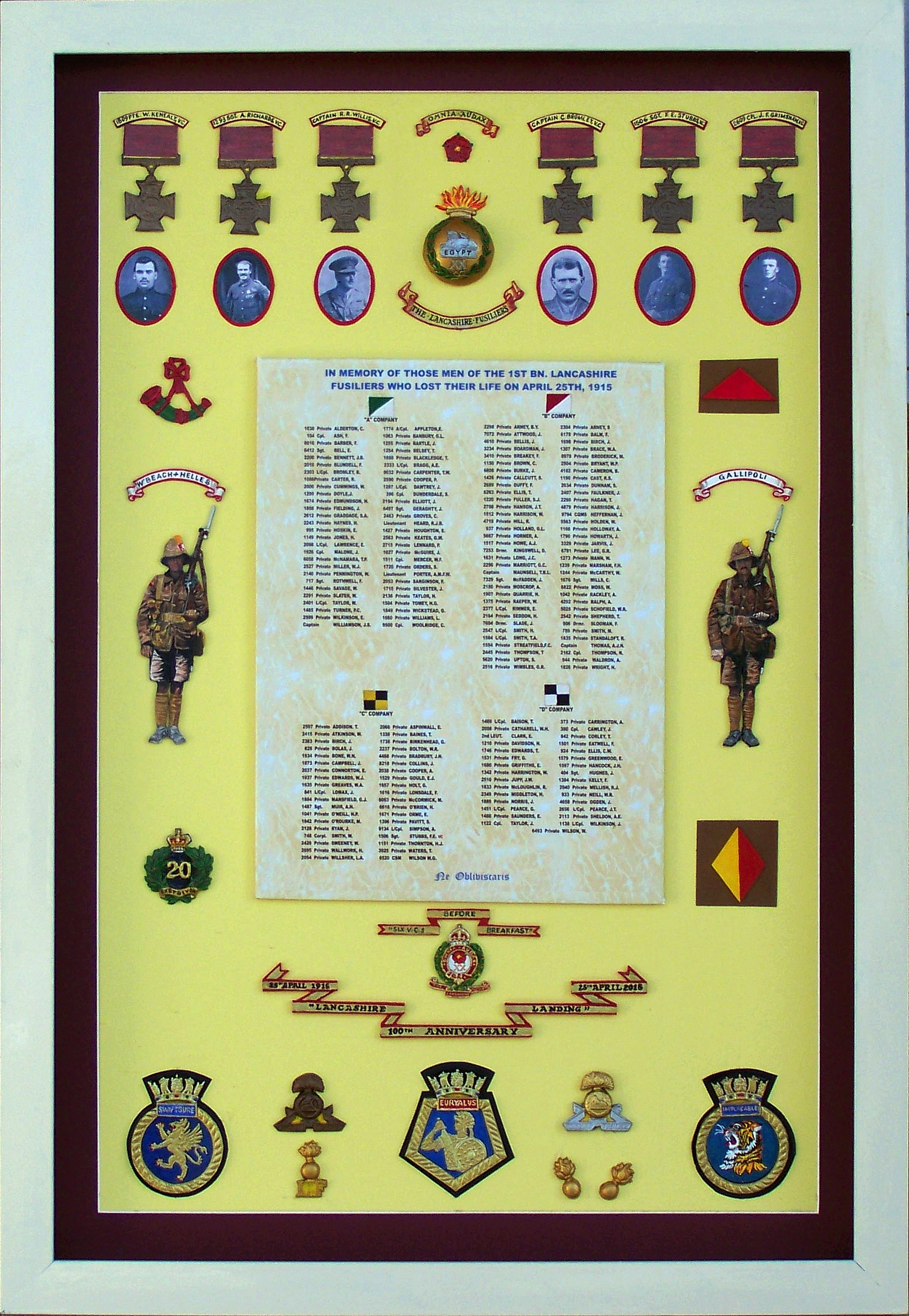
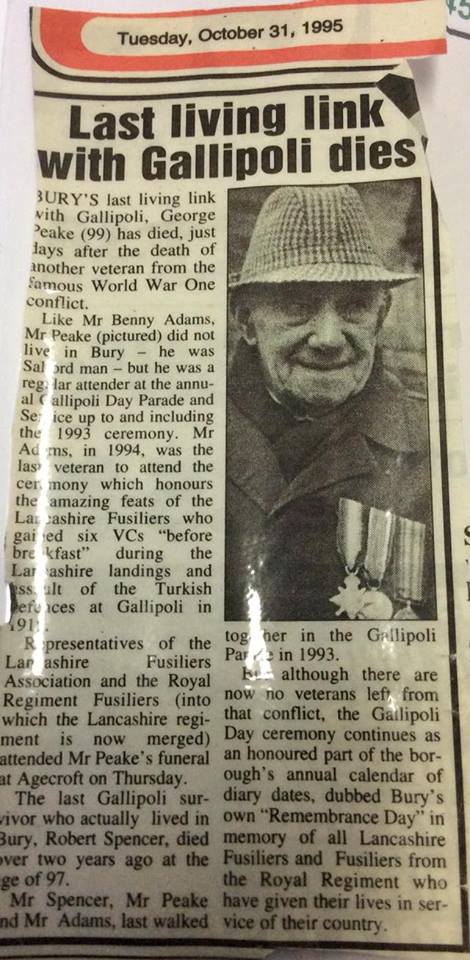
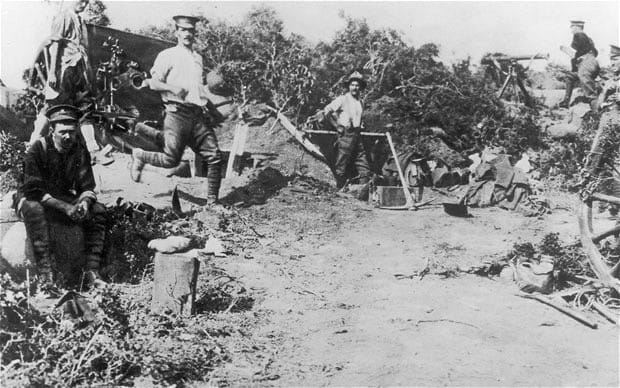
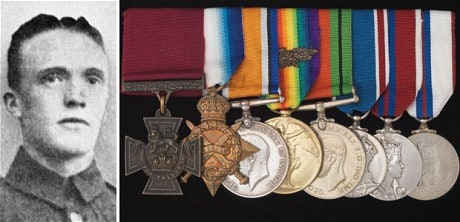
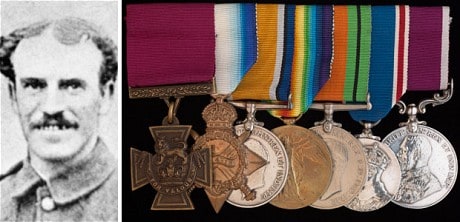
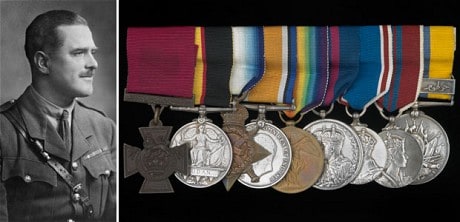
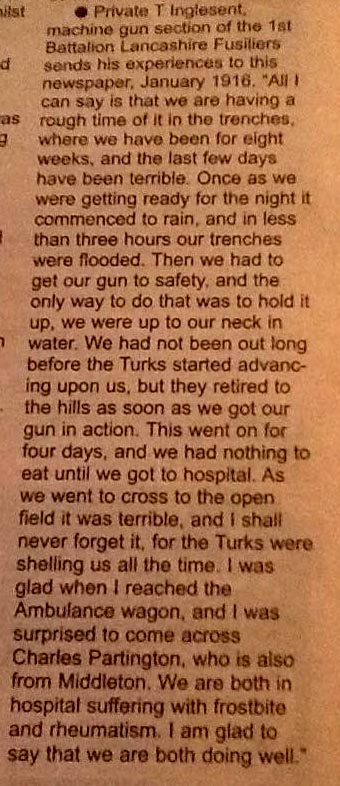
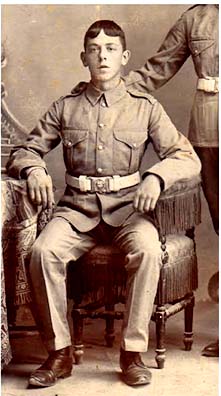
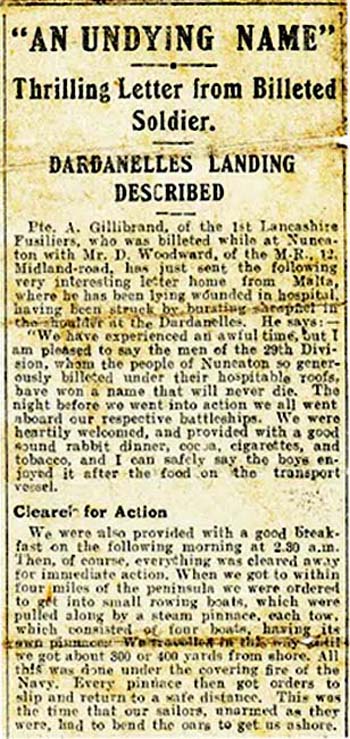
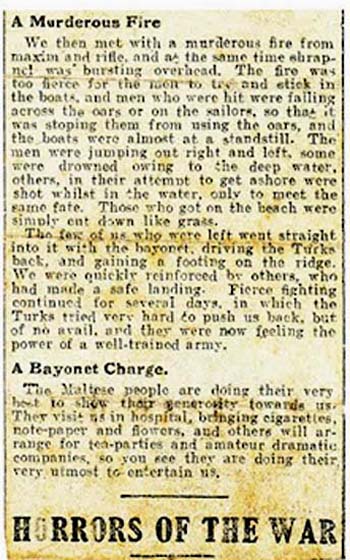
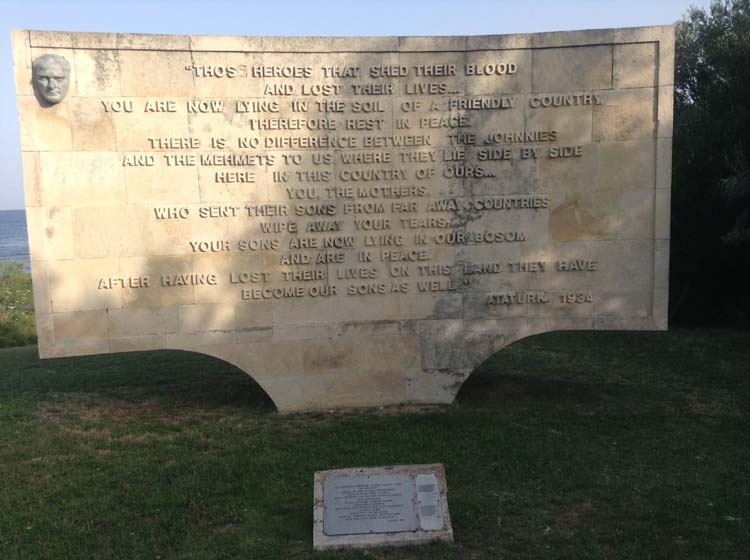
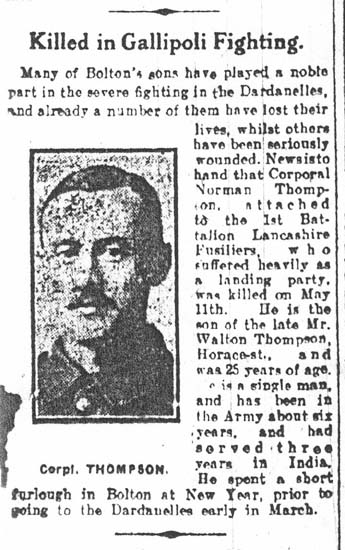
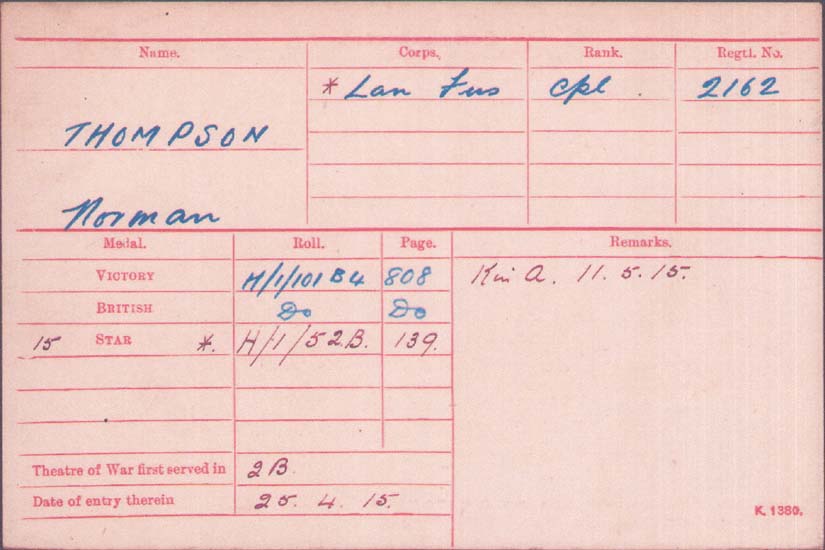
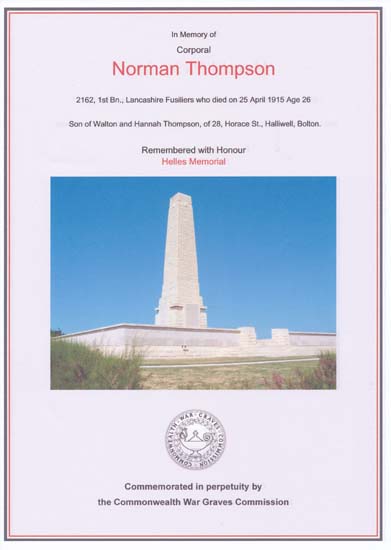
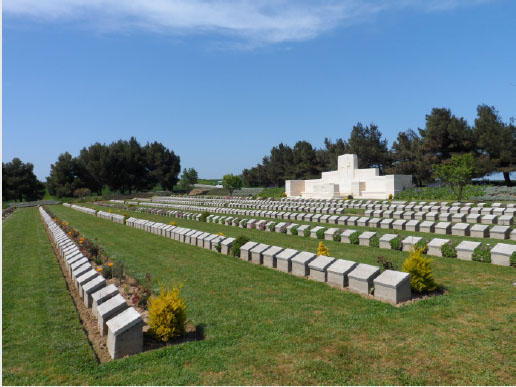
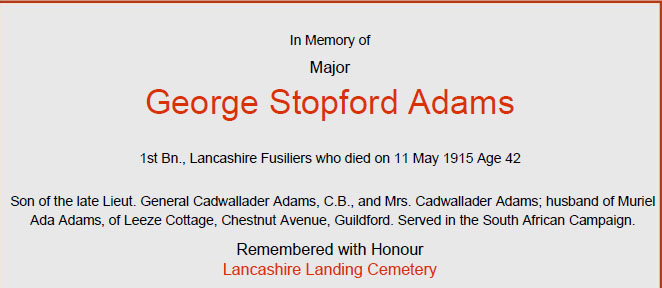
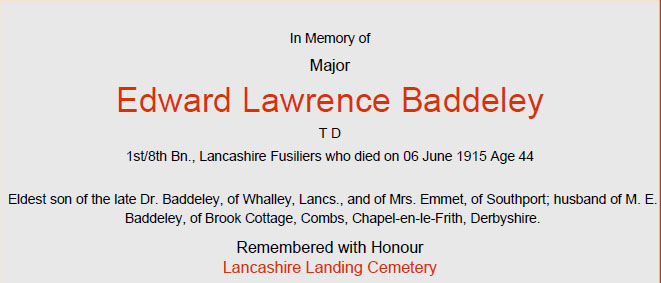
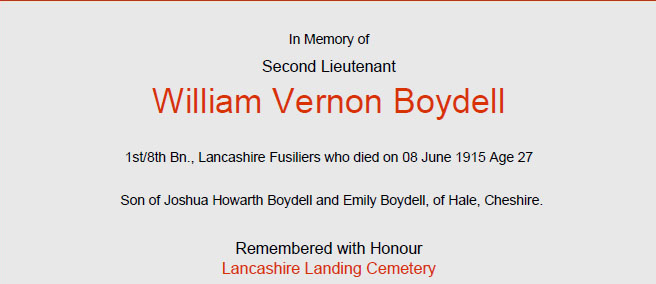
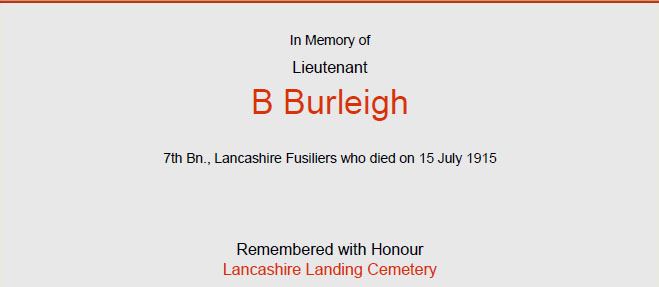
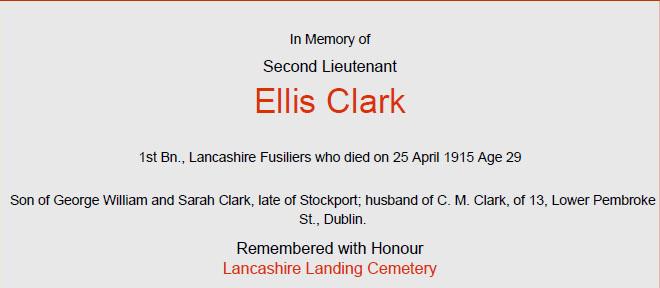
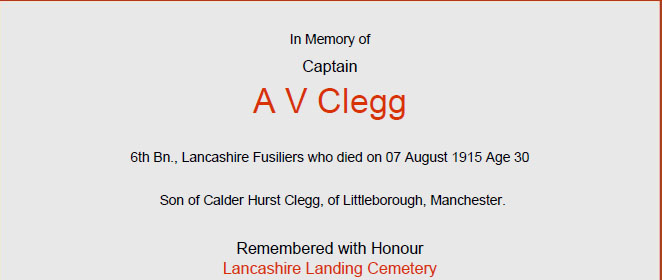
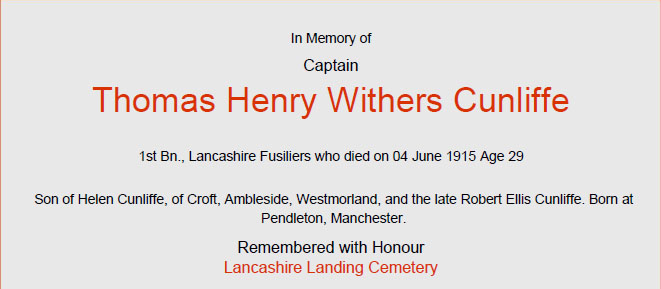
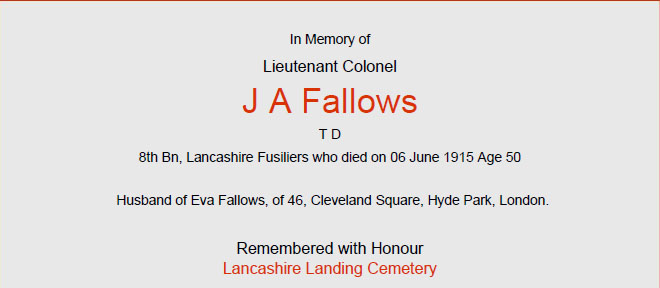
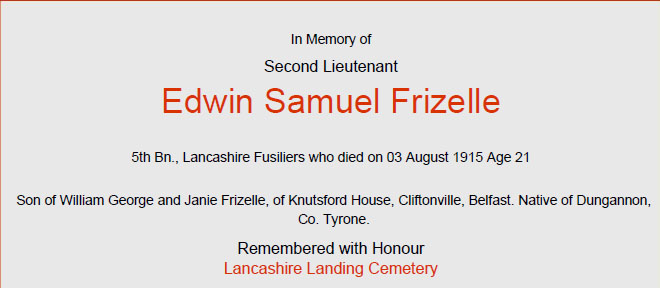
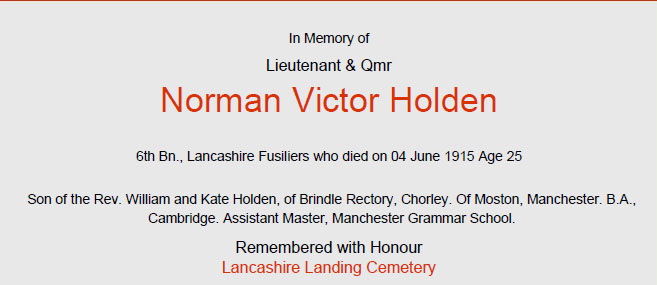
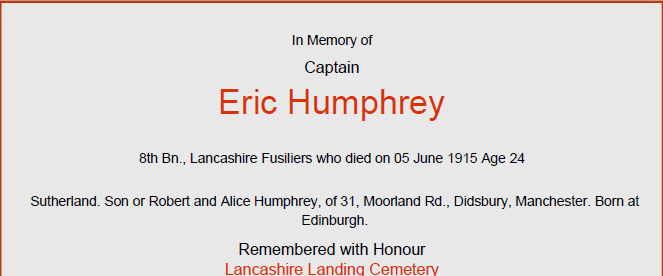
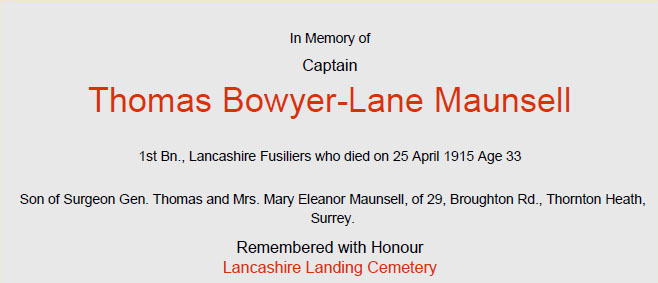
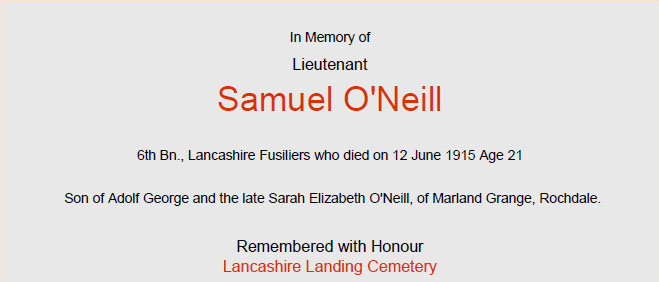
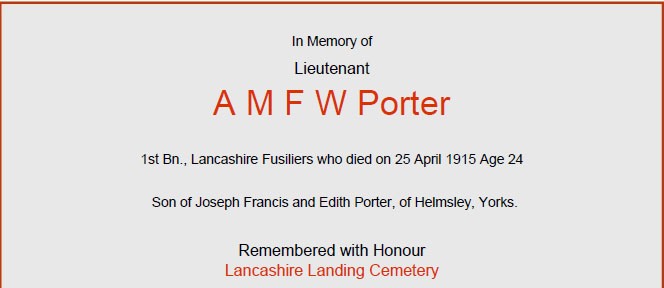
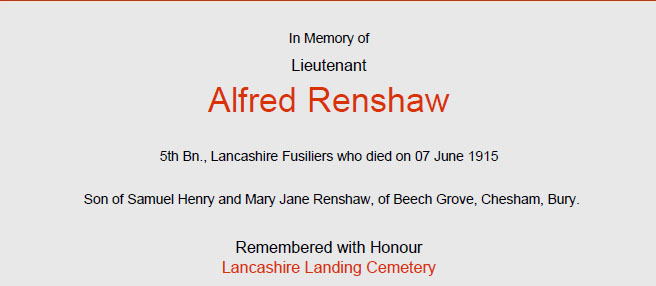
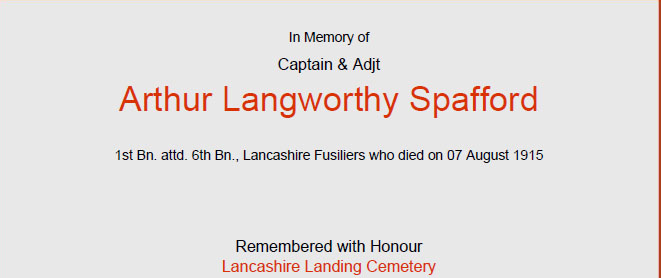
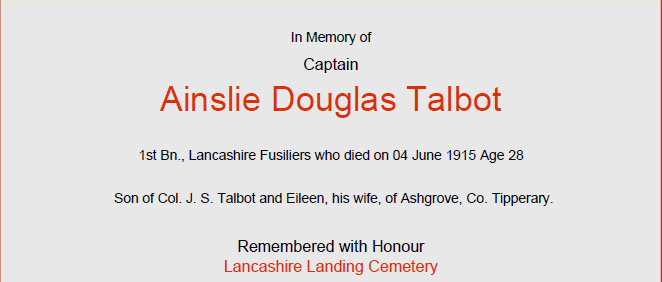
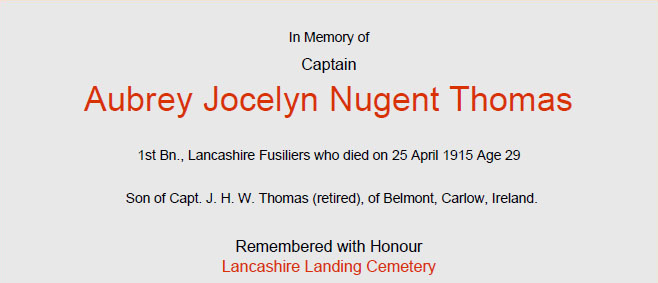
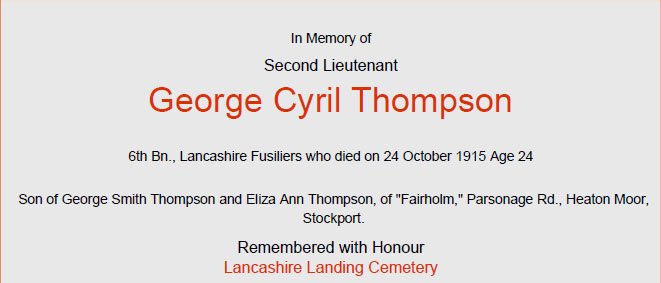
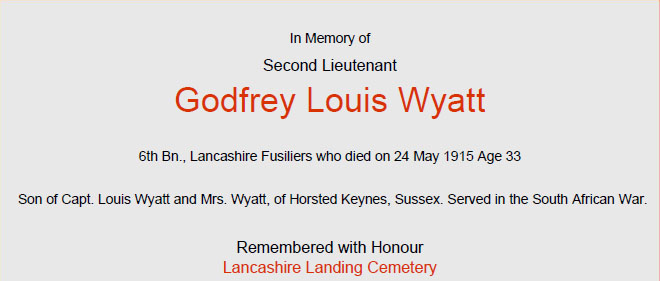
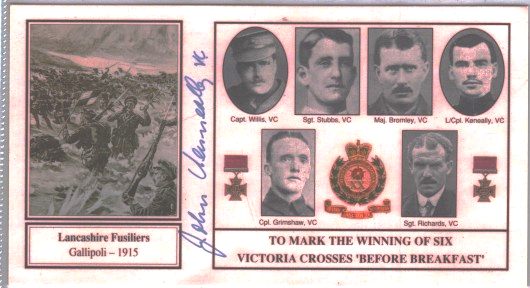
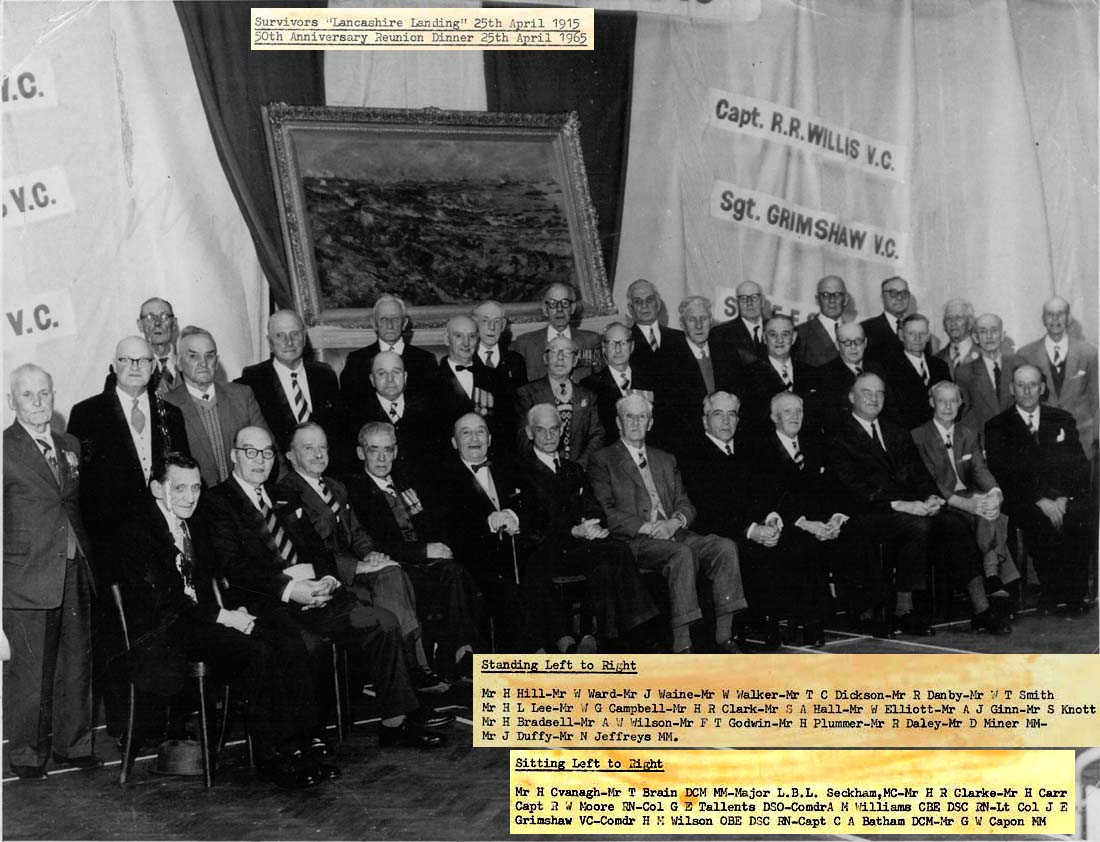

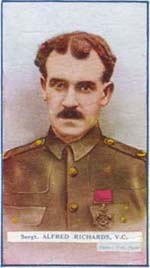
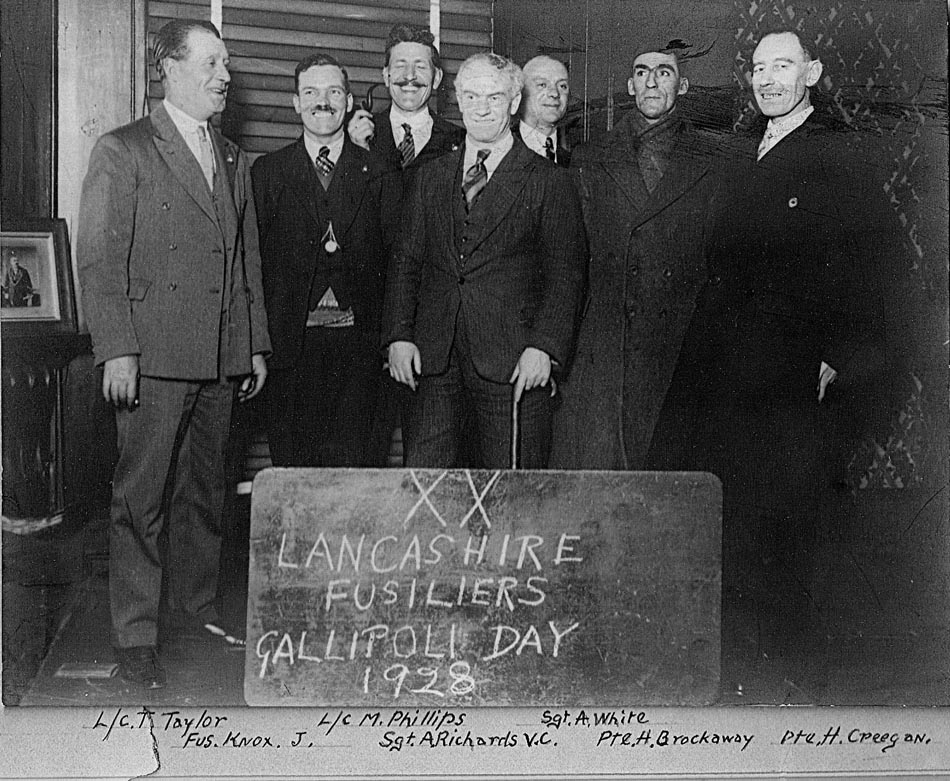
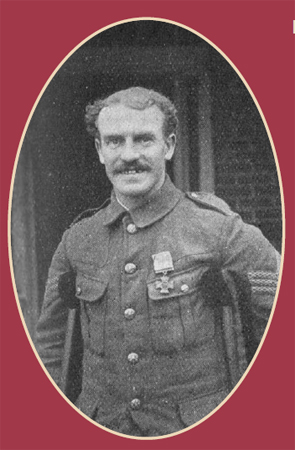
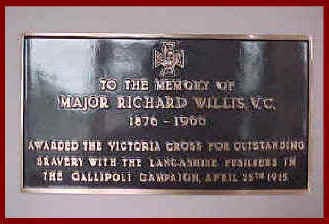
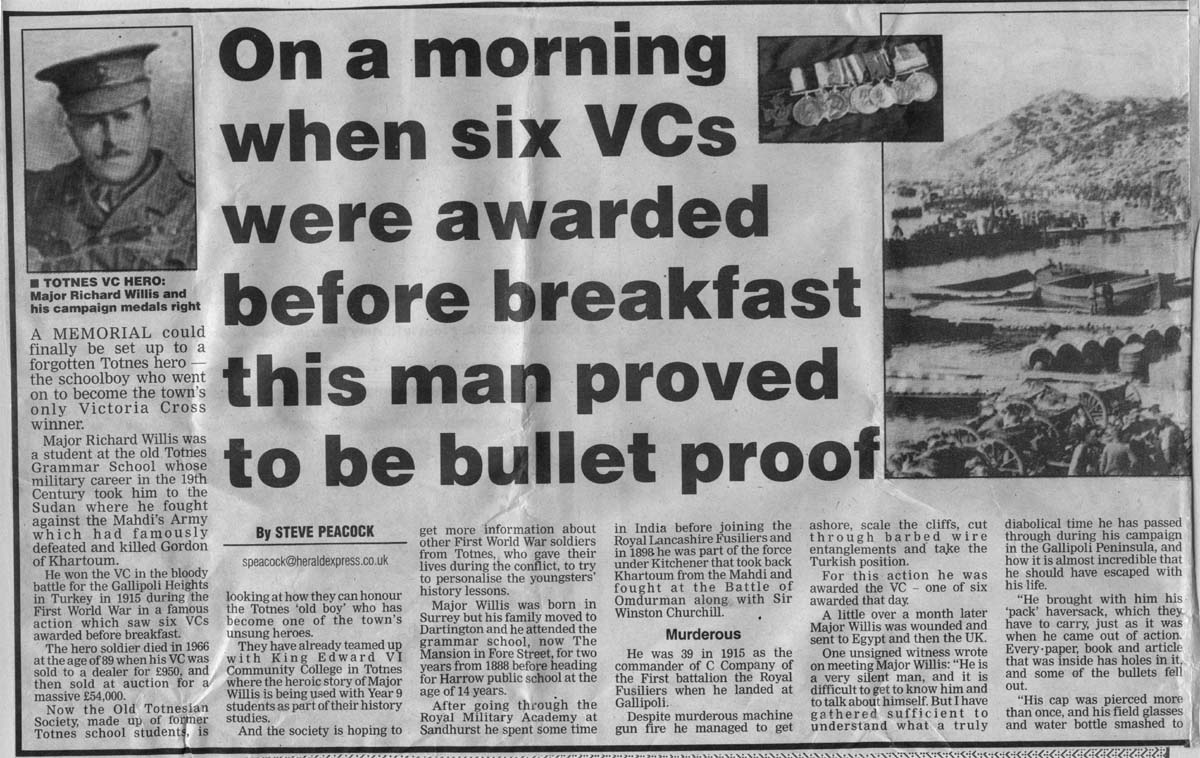
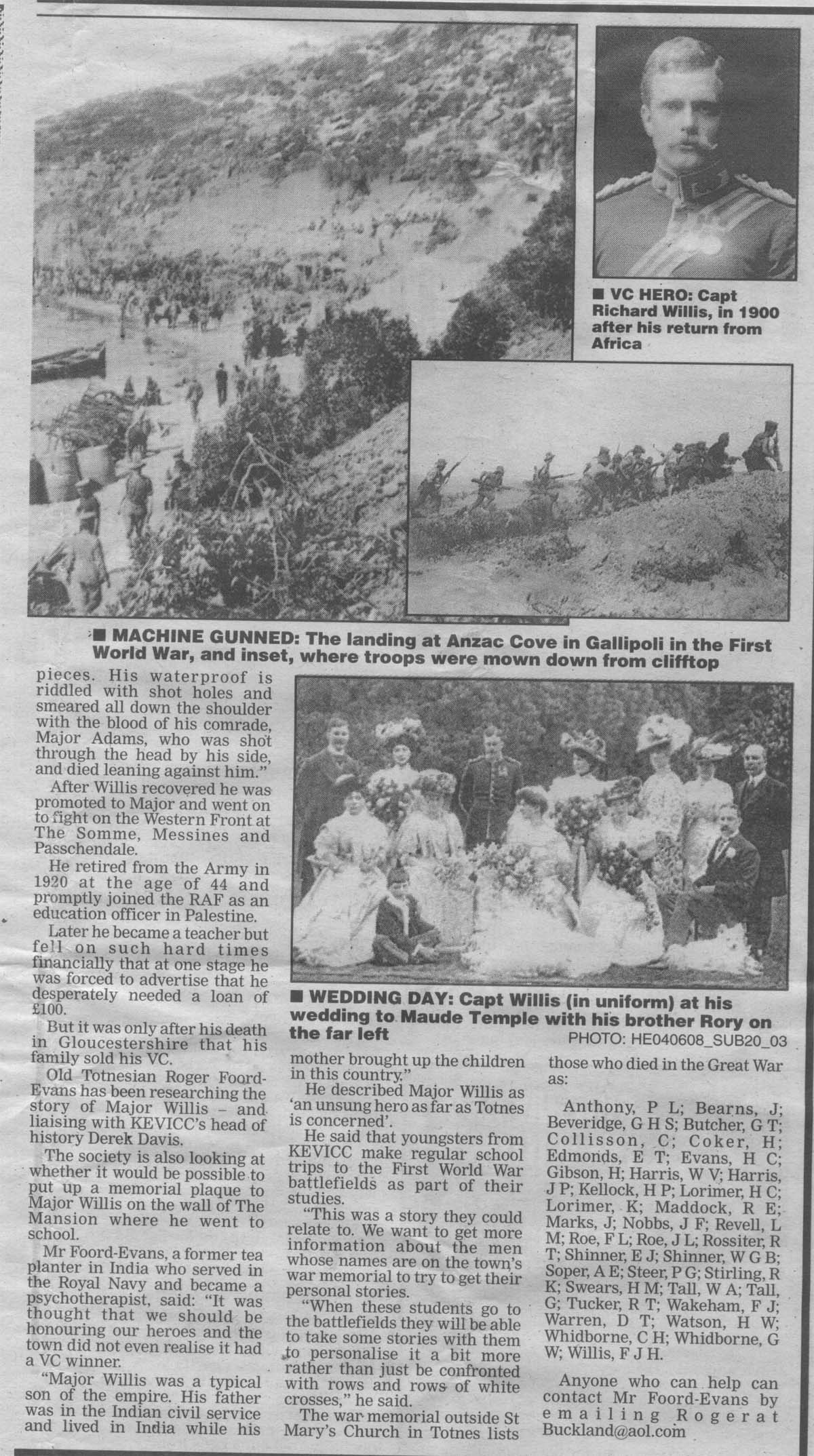
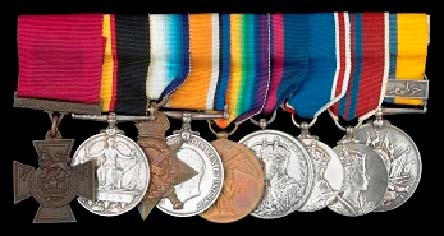
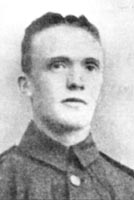
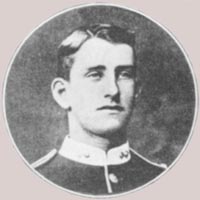
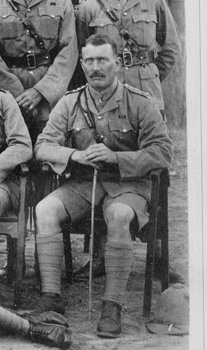
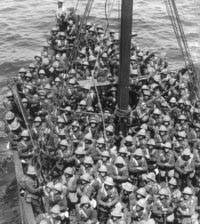
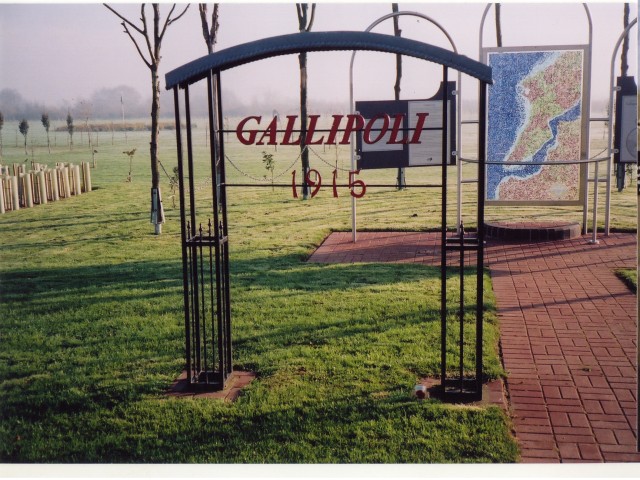
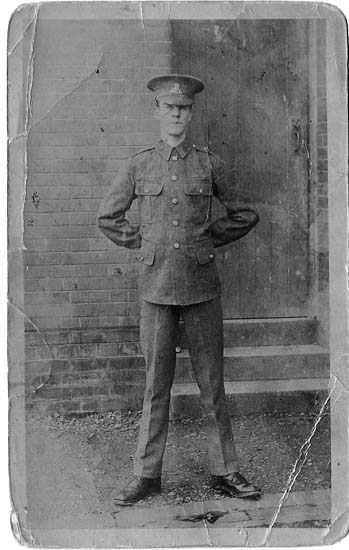
.jpg)
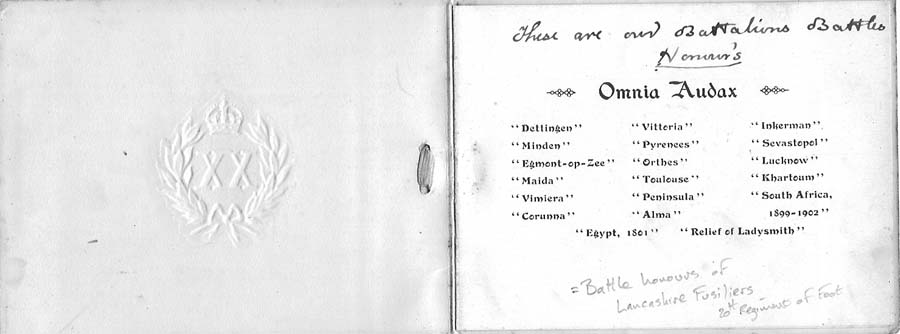
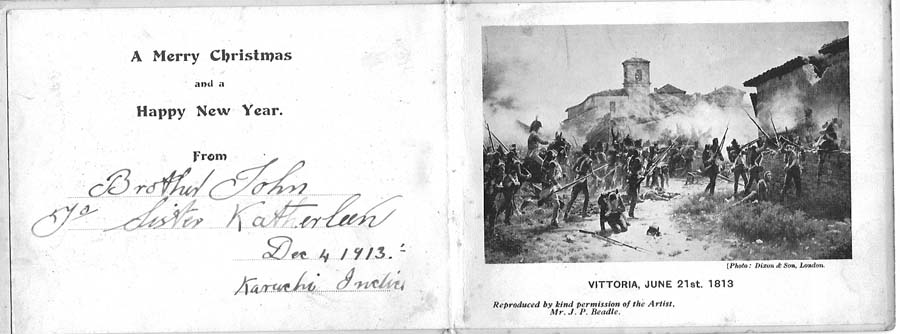
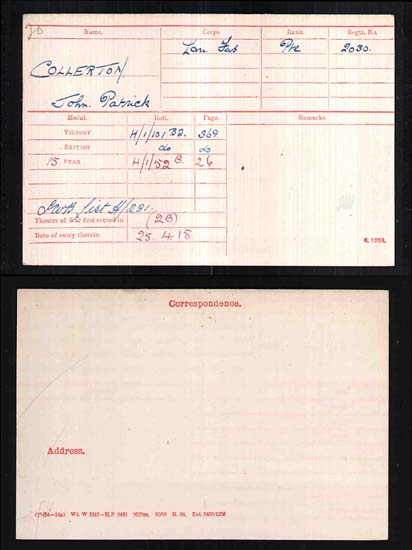
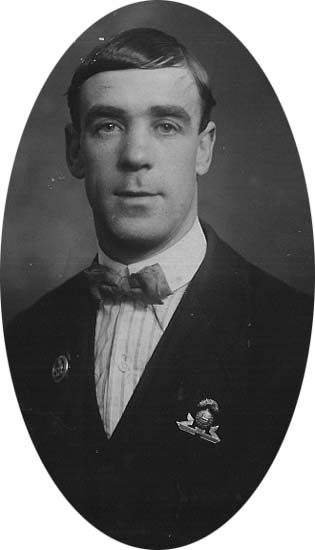

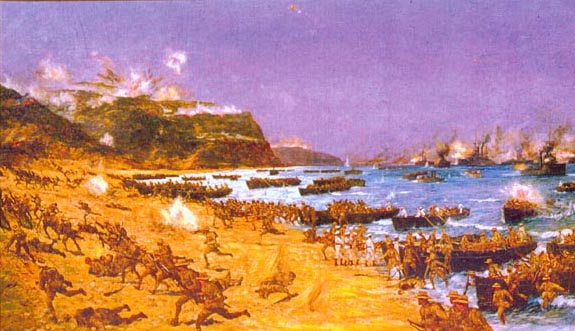
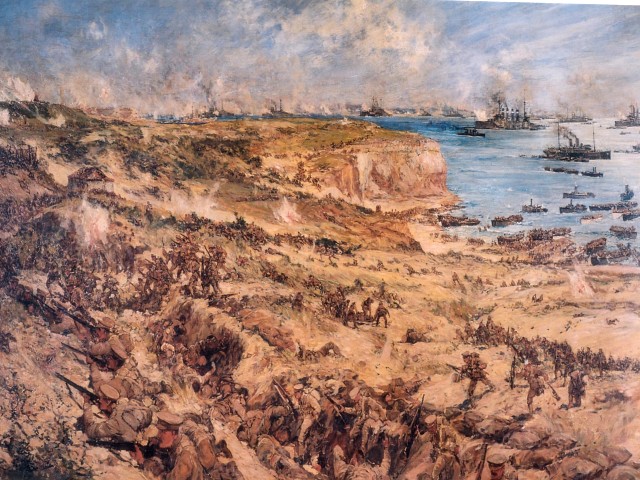
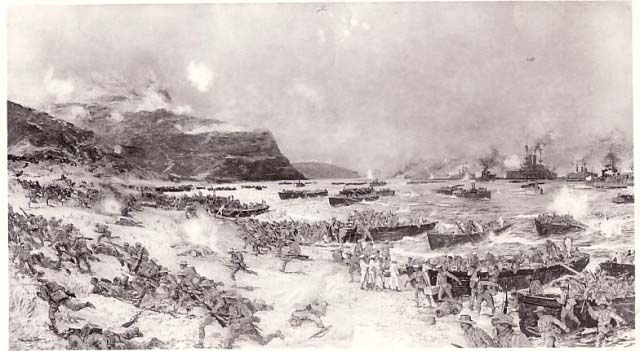
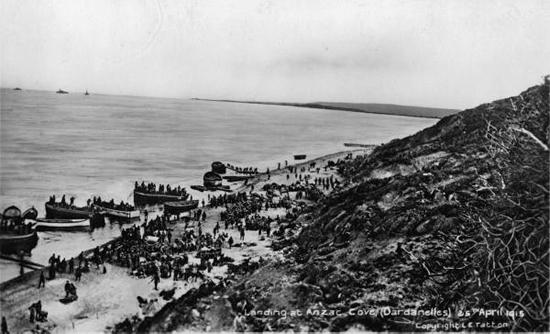
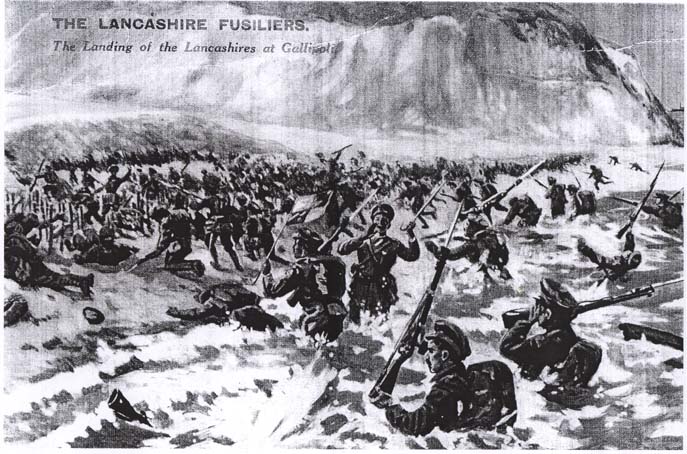
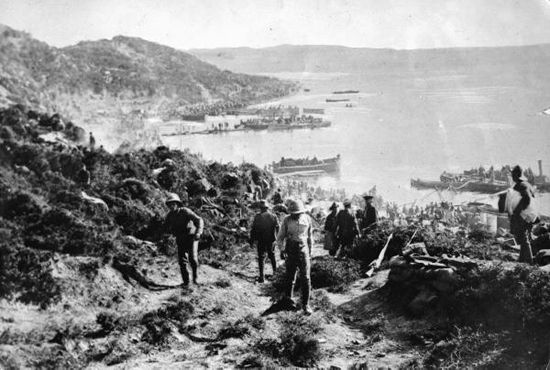
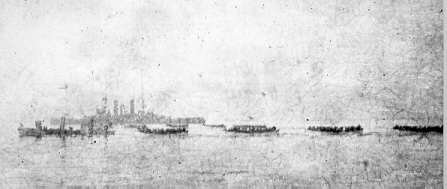
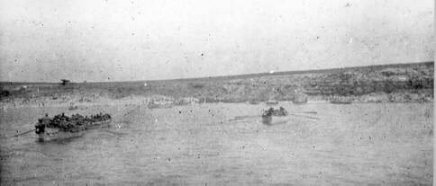
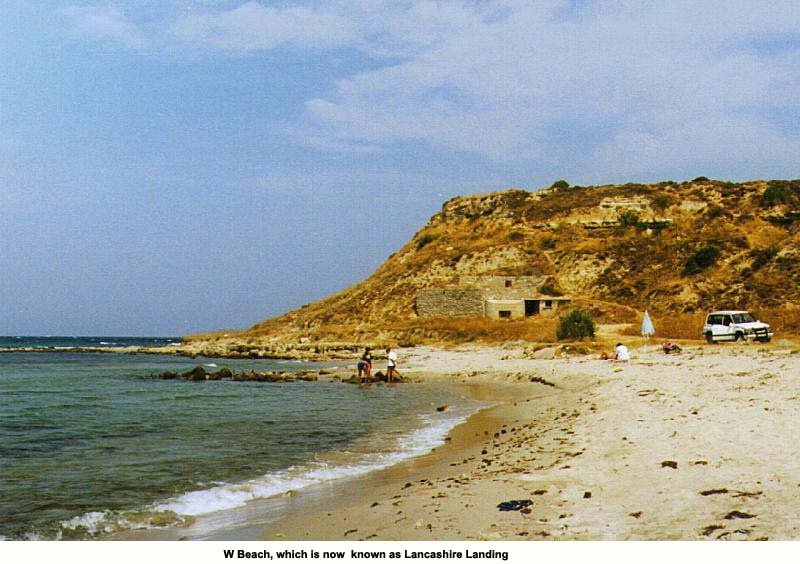
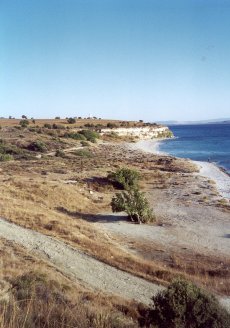
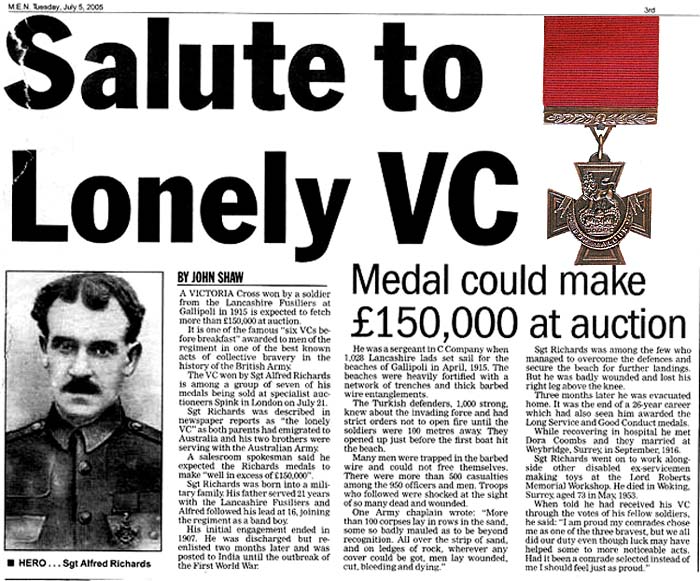
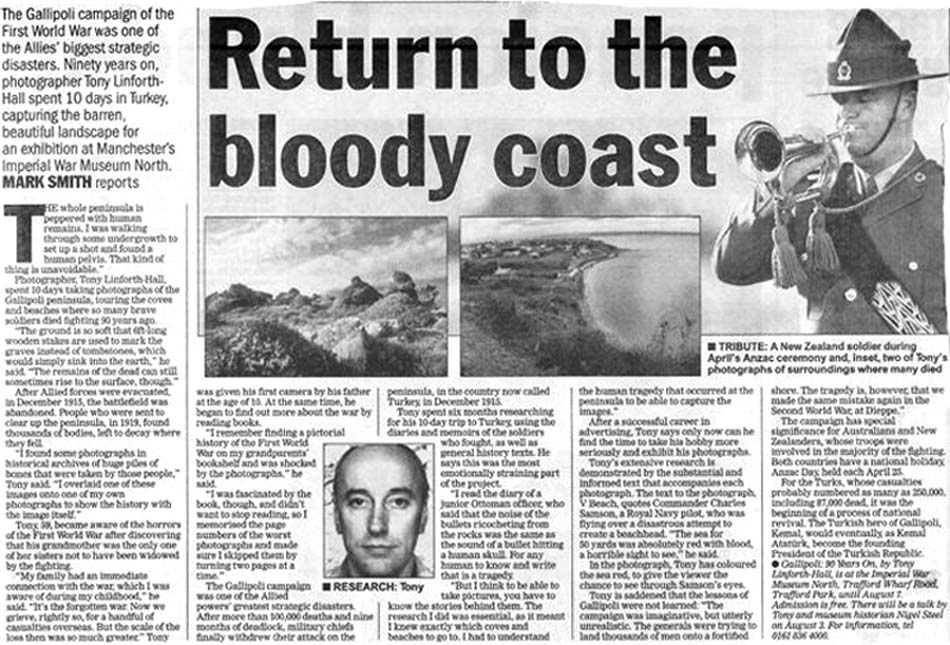
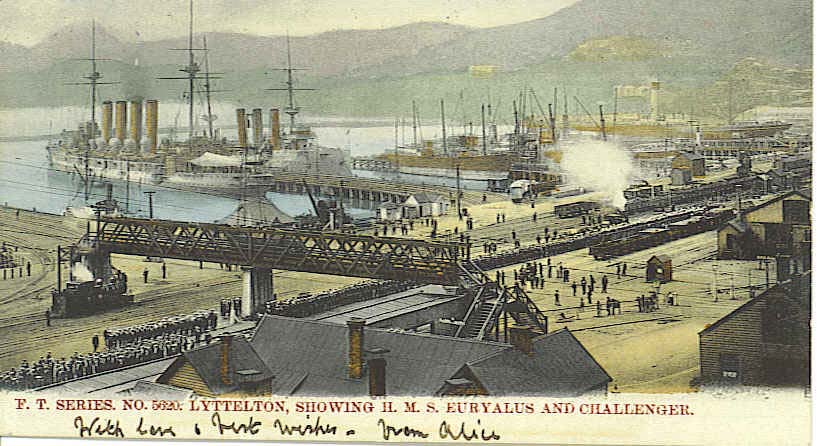
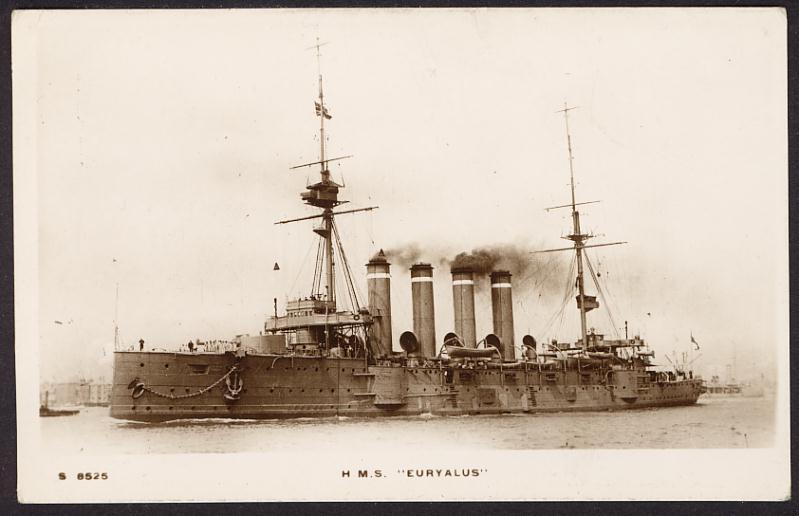
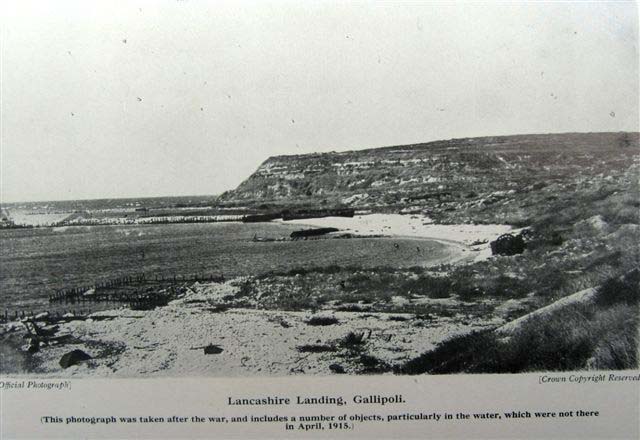
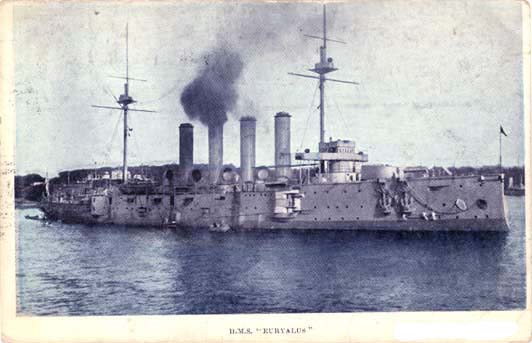

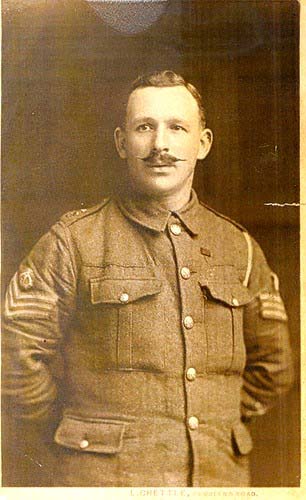
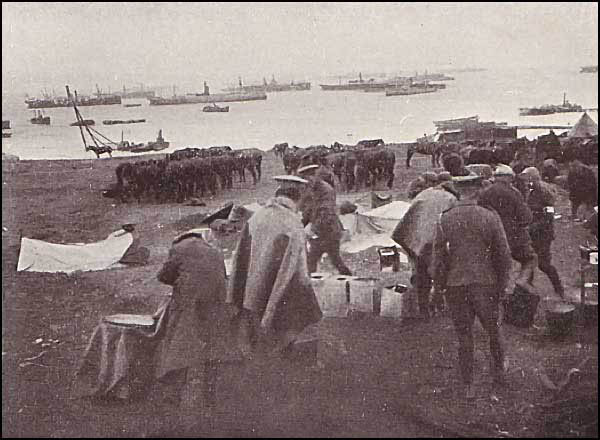

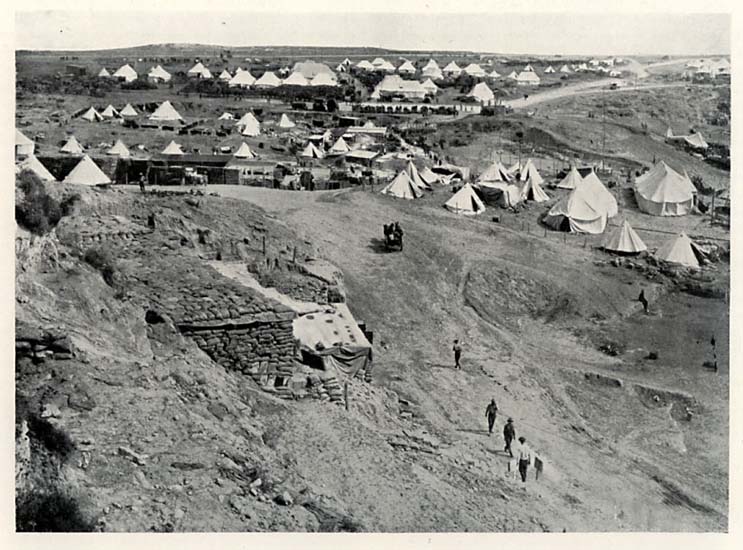
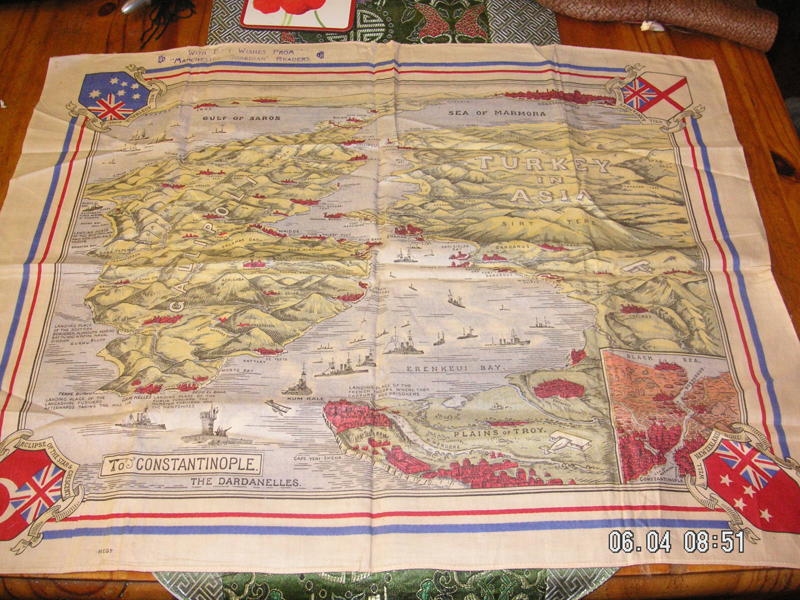
.jpg)