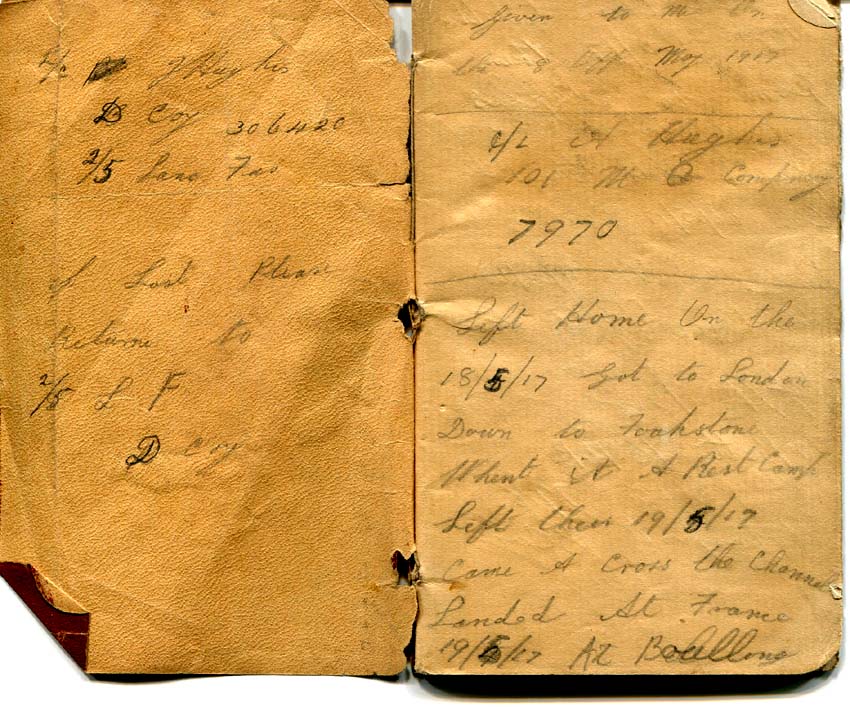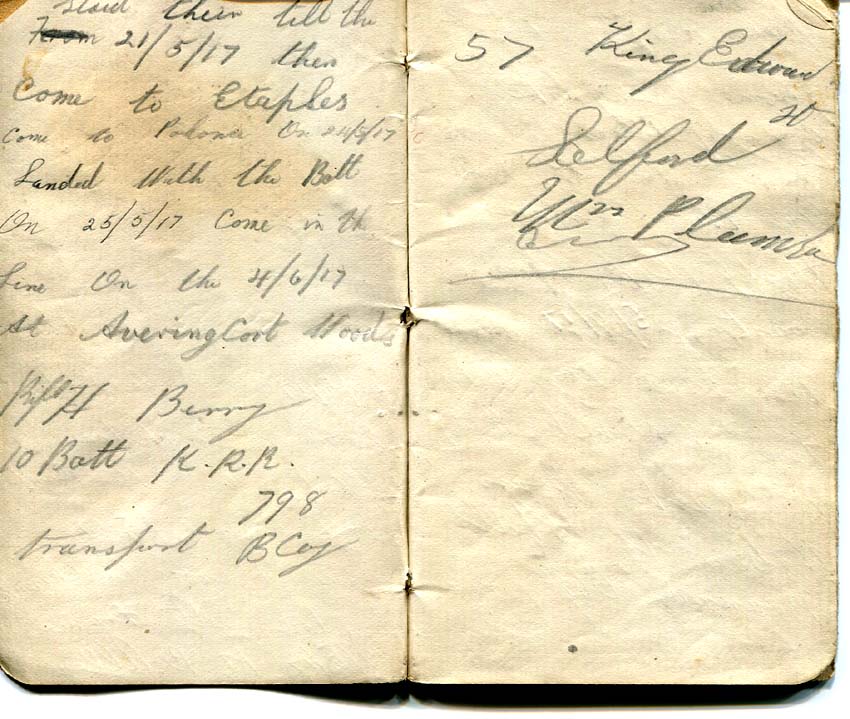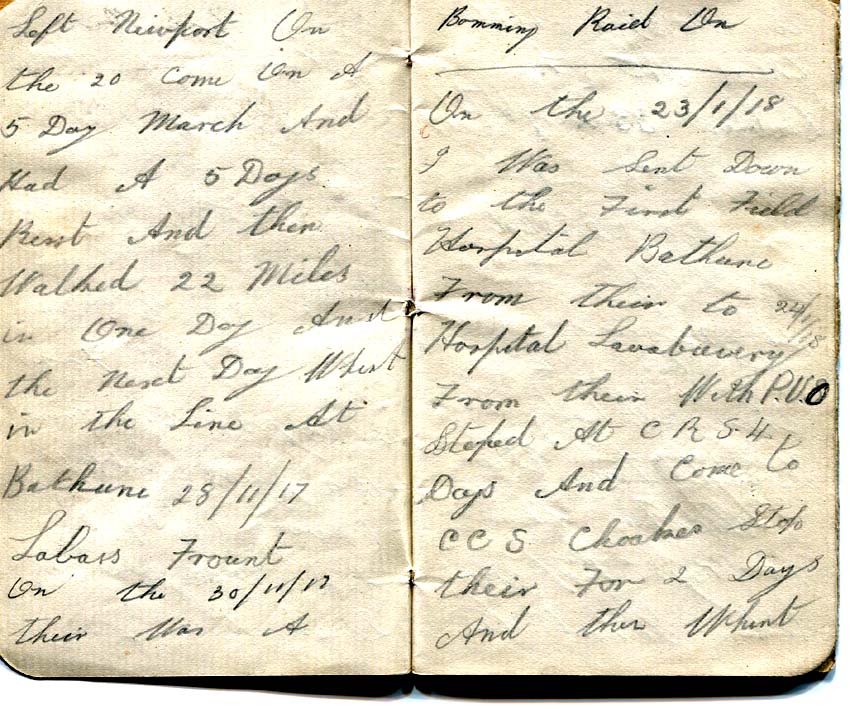
|
2nd/5th Bn
Lancashire Fusiliers (Territorials) Tours and Posting |
|
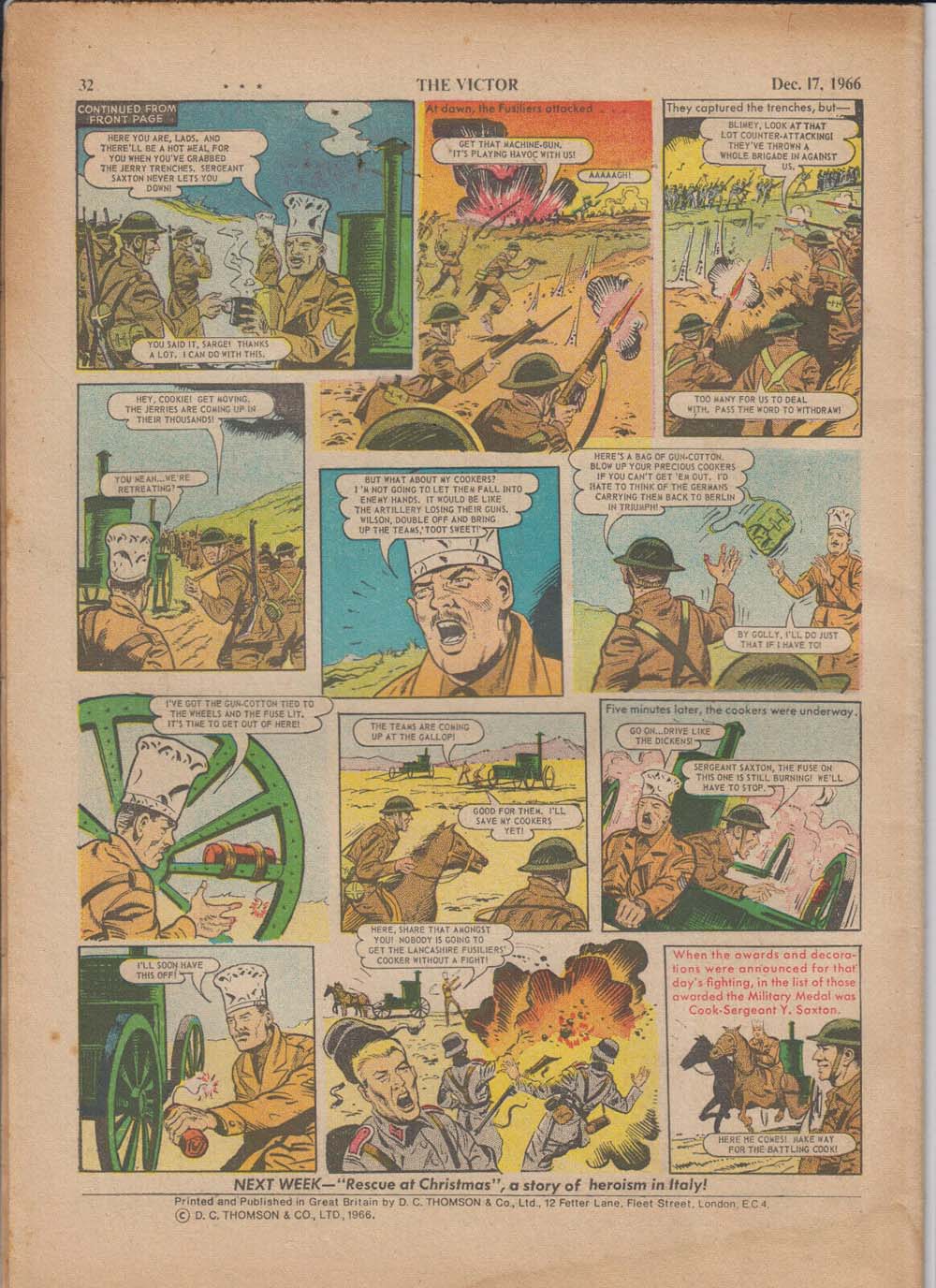
Sgt Y Saxton MM
|
 |
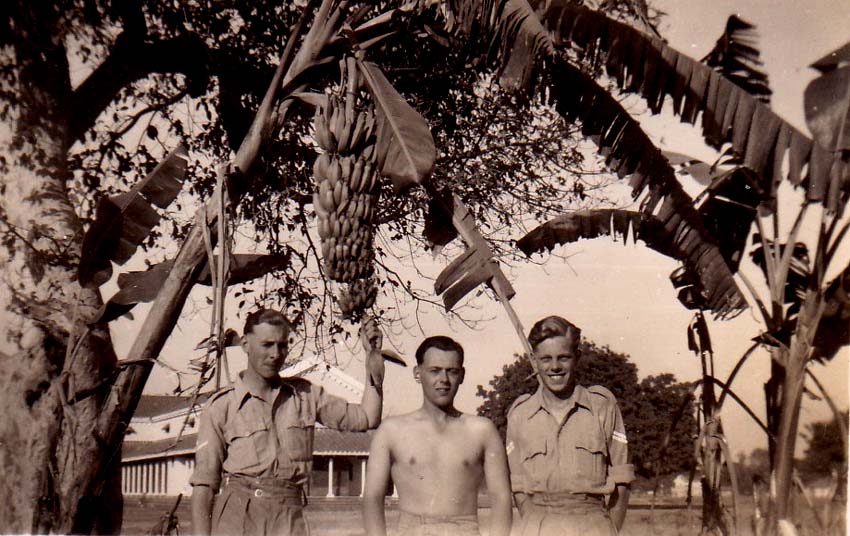
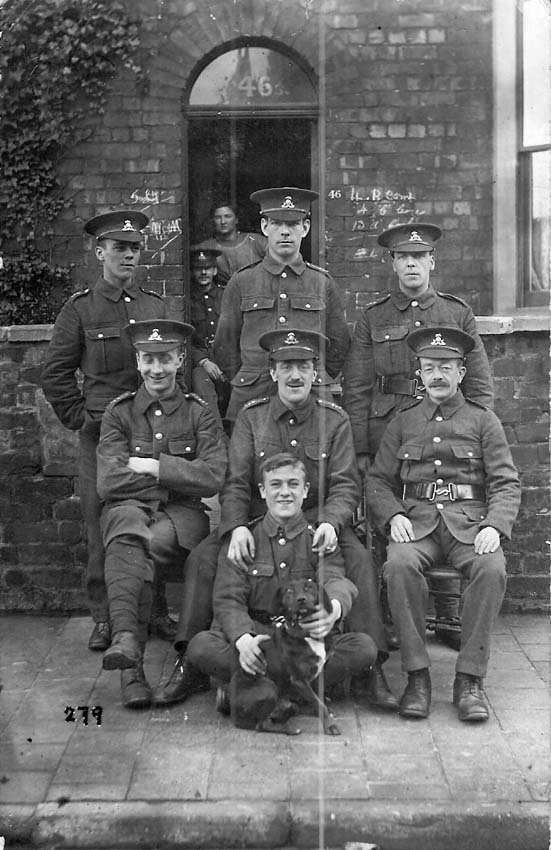
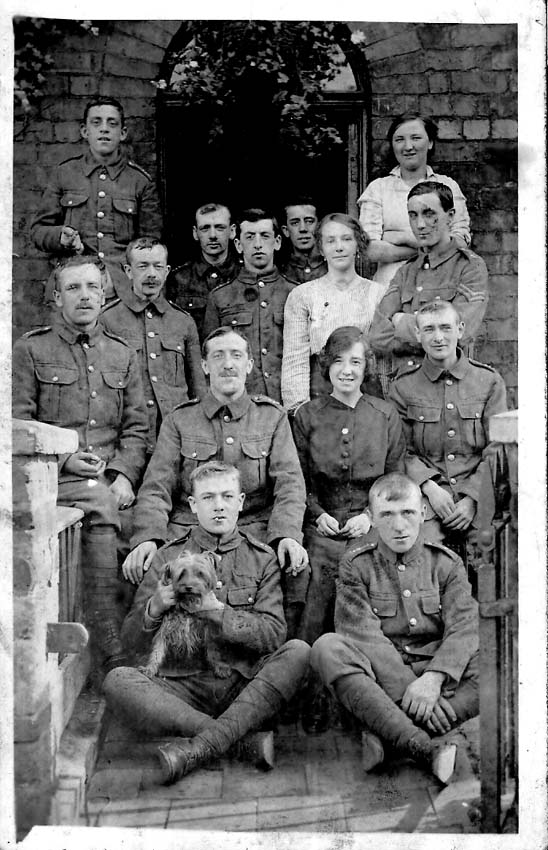
These are photos of Joe Eastwood from Bury they have been taken at Southport they lived in private accommodation as there was no room for them in the barracks in the first photo you will see name in chalk so the army know which soldiers was living in that house |
|
Captain Norman
Hall
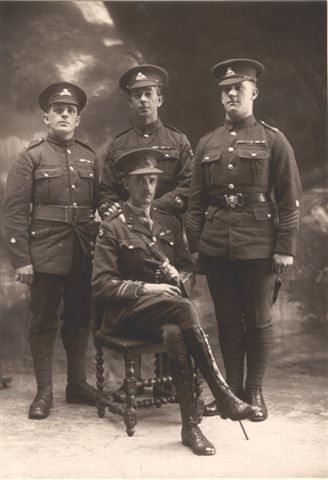
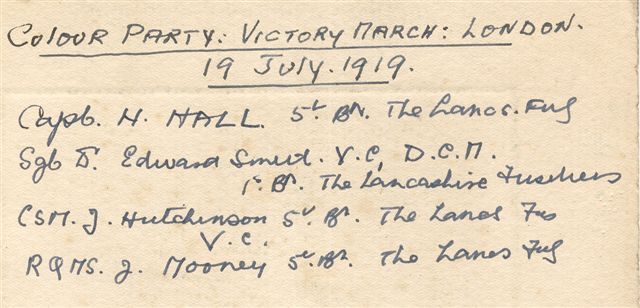
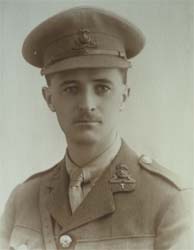 War Diaries of Captain Norman Hall - 5th Lancashire Fusiliers (Territorial Force) - which are now lodged in the Imperial War Museum (London) 1. War Service Born on 28th February 1892, Norman Hall studied science (probably chemistry) at Manchester University where he joined the Officer Training Corps. Aged 22, he was working at Lever Brothers in Port Sunlight on the outbreak of war (on glycerine development). Because of his OTC experience he tried to join the regular army, though was rejected on medical grounds. He joined a "Pals" regiment in Liverpool (he achieved the required chest measurement by breathing out and having the tape held loosely and also jumped up and down on the scales so that he registered the correct weight!). He quickly transferred to the 5th Lancashire Fusiliers (Territorial Force). He volunteered for service overseas, although as a Territorial he was not obliged to do so. Because of his relevant (although limited) experience in the OTC he was appointed as a signaller and had an important role in establishing and maintaining field telephone communications. He was in 2/5th battalion from its formation in Bury in September 1914. He began as a private, promoted quickly to Lieutenant and then 2nd Lieutenant before travelling overseas to France, rising to the rank of Temporary Captain in charge of a Company. He transferred to the 1/5th in June 1917 following his return to the Front after recovering from wounds, demoted (as he saw it) to his substantive rank of 2nd Lieutenant. He attained the rank of substantive Captain by the end of the War and possibly Temporary Major. He was severely wounded on September 9th 1916 when he was repatriated, returning to the Front in France in June 1917. He was injured again in August 1918 - it seems that the horse he was riding to collect beer for a celebration of the Battalion's Battle Honour (Minden Day - 6th August) fell on him and damaged his foot. He was again repatriated and did not return to the Front. He returned to his job with Lever Brothers on demobilisation. He served in the Territorial Army Force of the Lancashire Fusiliers from the start of the War with active service in France for two periods totalling two and a half years. He survived to lead a colour party in the 1919 Victory Parade and to return to France, representing his battalion, for a commemorative ceremony. In amongst the intricate detail of troop movements and other technical military information (the layout of field telephone networks and trenches, attempts to listen in to German telephones and a plan for a "top secret" chemical gas scheme in his section) the daily routine in the trenches and other locations is vividly described. There are many reflective anecdotes and digressions (eg about French citizens and farms, signalling procedures, dugout life, treatment of wet feet, bathing routines, management of the company including censorship of letters, rat catching, the battalion dog, a trip to Paris with Simone and her sister "the girls" etc etc). Whilst casualties are recorded, the account is matter of fact and generally lacking in emotion - the stiff upper lip mentality is very apparent. Yet he obviously cared for his colleagues and the men under his command and was deeply affected by the deaths of some of his close comrades. He clearly recognised that he had some narrow escapes (including one occasion when orders, which would almost certainly have been fatal, arrived too late) and was fortunate to survive. It seems that the approach adopted, and indeed the very act of writing the account itself, were his way of dealing with the horror that he experienced. ? 2. The Diaries The Hall family inherited a series of 5 volumes of handwritten diaries which, although written retrospectively (over a decade), give a detailed account of his experiences and appear to have been based on diaries written in the field (three of which exist for 1917 onwards covering his second period of active service - see sources below).There are also sketch maps of actions, letters home, slides and a couple of original battle orders. It is unclear when the record was started, though he would probably have had time immediately after the War as he didn't get married until 1923. The final section (history of 1/5th Lancashire Fusiliers) was completed on 30th March 1928 - the narrative about his personal experience could have been written much earlier. There are some obvious subsequent amendments (very few), additions, marginal commentaries and markings to highlight particular points. Part I: Sept 9th 1914 - July 30th 1915 begins with his view of the historical perspective to the outbreak of War. He summarises the formation of the army and the recruitment process, the British character and analyses his reasons for enlisting (albeit retrospectively). Although a Territorial, he volunteered for service abroad. This volume tracks his training and the early stages of his deployment in France. Part II: July 30th 1915 - March 7th 1916 Part III: March 8th 1916 - September 14th 1916. He was wounded on 9th September. Part IV: September 1916 - March 28th 1918. He returned to the Front in France in June 1917. Part V: March 28th 1918 - January 19th 1919 when he was demobilised. He was in a riding accident in August 1918 when he was repatriated for the second time. This volume includes the Victory March in London on 19th July 1919 and a 55th Division commemorative ceremony in France on 15th May 1921. The account is consistently detailed, fluid and neat, with almost no crossings out. There are what appear to be very graphic first hand descriptions of exactly what happened (eg when he was seriously wounded) even though it was written retrospectively. It is almost impossible to believe that someone can have been able to recall everything so clearly, even with access to his pocket diaries and letters home - although this was a family trait carried on into the next generation by both his sons who were also very articulate scientists. 3. Sources The sources used to compile the record appear to have been: a) Letters home (which presumably he retrieved subsequently) - 167 are referenced in the text in chronological order until he was wounded in September 1916. A couple of originals are included in the text - they do not contain the detail that is included in the account (understandably as he couldn't reveal military information and wouldn't want to worry his family). b) Slides taken on a Vest Pocket Kodak camera (VPK) - prints of many appear in the text - the family has currently retained the 3 boxes (c18 slides) that were handed down c) Three pocket diaries which one assumes were written immediately whilst he was on active service are now also in the Imperial War Museum. They cover the period when he returned to service after recovering from his wounds in May 1917 until he was injured in August 1918. 1917 - a fairly complete record with information about activities and including the weather conditions on most days. There are also some financial accounts, letters sent and received, a list of officers and their fates and leave rostas. 1918-2 diaries " Diary 1 - a few pencilled notes in April and detailed entries for July for time spent in Etaples (including the daily weather). There are also some addresses, bits of financial accounts, leave rostas, a register of letters received and sent and some unintelligible bits and pieces. NB the July entries partially duplicate those in the other 1918 diary. " Diary 2 - fairly detailed until August when he was injured and repatriated and then a few entries in November (though barely mentions the Armistice). Also includes a register of letters received and sent and a list of soldiers killed, wounded and missing (later amended in pen over pencil) Initial comparison of these pocket diaries with the longer volumes suggests that the entries were transcribed accurately with some minor clarification and expansion. It is probable therefore that he completed other pocket diaries earlier in the War and used these as one source for his longer record. d) On page 21 of Volume 2 (12th August 1915) he refers to starting a stick with the names of places in code, though this is not extant. Throughout the account he is very precise as to place names and geographical details. e) Maps of France and Belgium. f) Research into the military history of the War. He evidently undertook considerable research as there are extracts from published material. As there are details of timings etc in battles one wonders if he also had access to reports filed after engagements - then having the benefit in interpretation of having actually been there. 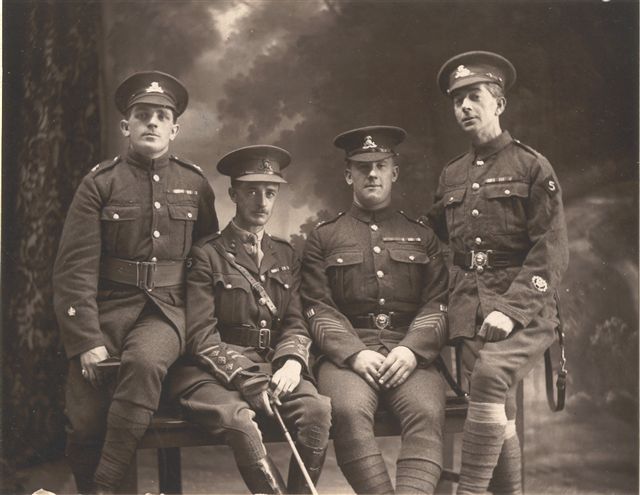
sent in by Sue Tanton |
|
PTE.R.BROOKS
Private Robert Brooks 7, Richard Street, Holly Bank Road, Radcliffe died of appendicitis in France on August 6th. He was 36 years of age, married and leaves five children. He joined the Lancashire Fusiliers in the spring of last year and had been in France eight months. He was employed as a Carter by Mr Peatfield in Sion Street. He was connected with the Bridge Wesleyan Schools. His brother Edward is with the Labour Battalion in France. His mother lives at 30, Grey Street, Radcliffe. The nurse of the hospital has written as follows to Mrs Brooks:- Although his case was hopeless almost from the first, he had wonderful courage that he seemed to improve for a few days and we had hope that he would pull through and be sent to England. Mr T.C Taylor, M.P, concludes a letter of sympathy to Mrs Brooks as follows:- How much sorrow the war has caused and is causing. I can only hope that the sense of righteousness of the crusade in which your husband was taking his part will help you to bear your trial with fortitude. I find it very upsetting that he survived
the Mustard gas and that huge battle, only to die of appendicitis.
God rest his soul. |
|
30574 Pte Fred Wrigley MM
|
|
Lt Col HERBERT
JOHN SHIRLEY, .C.M;G., M.D., F.R.C.S.
1916 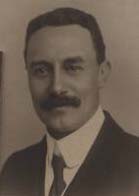
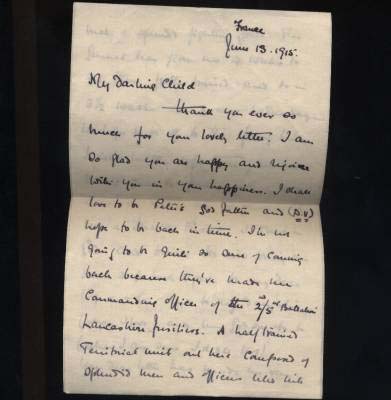
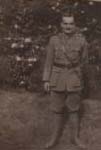
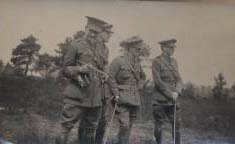
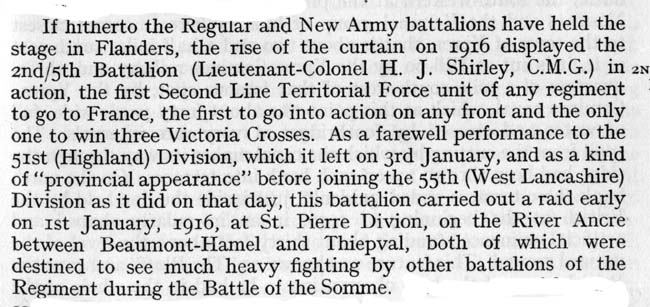
WW1 Ephemera ,letters and Photographs sent by Leut Col Herbert John Shirley CMG MD FRCS 2/5 Lancashire Fusiliers. 3 Letters 2 with envelopes that were sent to Mrs Lionel Norbury (possibly his God Daughter), her husband is the son of Sir H.F.Norbury KCB KHS.Letters have some interesting content.I think the Photos are of Shirley it has Jack to the reverse probably from his middle Name? HERBERT JOHN SHIRLEY, .C.M;G., M.D., F.R.C.S. The death took place suddenly on May 14 1943 of Herbert John Shirley, consulting anaesthetist to University College Hospital. He was the son of Mr. William Scharlieb, a barrister practising in India, and Dame Mary Scharlieb, who was gynaecologist to the Royal Free Hospital and is still well remembered for her public work in several capacities, especially in the cause of the welfare of women. Their son, H. Johann Scharlieb, was born in 1868, and changed his name by deed poll to Shirley in 1914. He received his medical training at University College Hospital, London, and qualified in 1894. A little later he took the M.B., B.S. with honours, in 1898 the London M.D., and in 1899 the Fellowship of the Royal College of Surgeons. He served as house-physician and house-surgeon and as gynaecological assistant at University College Hospital, and as clinical assistant at the Hospital for Sick Children in Great Ormond Street. His career as a practising doctor had only lately begun when he volunteered for service in the South African War. As physician and' adjutant, Langman's Hospital, in the South African Field Force, he showed those qualities which would, had he chosen to devote himself to it, have carried him to distinction in a military career. He was mentioned in dispatches, and on his return was made C.M.G. Settling again in the practice of medicine in London, he made a special study of anaesthetics, and in collaboration with Sir Edward Sharpey-Schafer produced some original work on the action of chloroform on the heart and blood vessels. During the first world war, although over military age, he enlisted and served with the British Expeditionary Force as lieutenantcolonel, 2/5 Lancashire Fusiliers, and again his name appeared in dispatches. In 1917 he exchanged to the R.A.M.C., became consulting anaesthetist in the Malta Command, and had charge of the military hospital, Manoel, Malta. At the end of the war he was S.M.O. in a motor transport division of the R.A.S.C., and he retained his military rank as brevet colonel commanding Artists' Rifles. He' was proud to hold Volunteer and Territorial decorations. His work as consulting anaesthetist to the hospital of his student days was much appreciated, but he did not take any considerable part in medical discussions or publication. He was the author of the article on " Chloroform " in The Practitioner's Encyclopaedia of Medicine and Surgery, and in the British Medical Association, to which he was first elected in 1895, he was honorary secretary of the Section of Anaesthetics in 1910 and vice-president of the Section of Pharmacology and Therapeutics,
with Anaesthetics, in 1936. |
|
45582 Pte J H Oakley
MM
24th Jan 1919
wQ0s!BGk%7E$(KGrHqN,!i0Ew5leyiIMBMO2guYi)g%7E%7E_12.jpg) The 2/5th under Lt Col Brighten DSO had the distinction of being the last LF battalion to see action in WW1. |
|
1916
|
|
1917
|
|
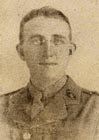
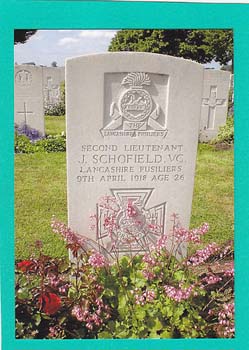
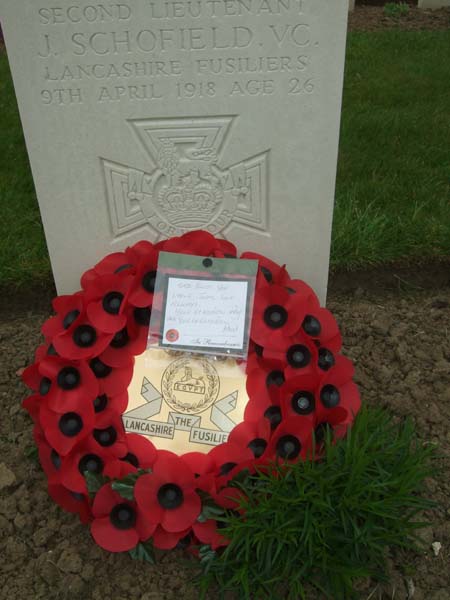
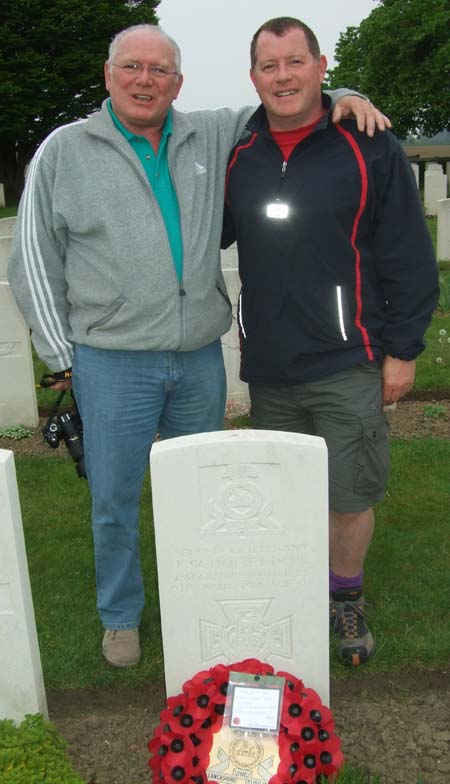
Lieut
John William Schofield V.C. Last night's "London Gazette" announced that the King has been pleased to approve of the award of the Victoria Cross to Second-Lieutenant John Schofield, late Lancashire Fusiliers, for most conspicuous bravery and devotion to duty in operations. The official account of his gallant deed is as follows:- Second-Lieutenant Schofield led a party of nine men against a strong point which was reported strongly held by the enemy, and was attacked by about 100 of the enemy with bombs. He disposed his men so skilfully, and made such good use of rifle and Lewis gun fire, the the enemy took cover in dug-outs. This officer himself then held up and captured a party of 20. With the help of other parties, this position was then cleared of the enemy who were all killed or captured. He then collected the remainder of his men, made his party up to ten, and proceeded towards the front line, previously informing his commanding officer as to the position, and that he was proceeding to retake the front line. He met large numbers of the enemy in a communication trench in front of him and in a drain on his right and left. His party opened rapid rifle fire, and he climbed out onto the parapet under point blank machine-gun fire, and by his fearless demeanour and bravery forced the enemy to surrender. As a result, 123 of the enemy, including several officers, were captured by Second-Lieutenant Schofield and his party. This very gallant officer was killed a few minutes later. Twice rejected for the Army. Second-Lieutenant John Schofield was the elder son of Mrs. and the late Mr. John Schofield, 16, Wycollar Road, Revidge, and unfortunately fell in action in France on the day he performed the deed for which the V.C. has been awarded. He was one of the patriotic young men who early in the war offered his services to the country in its hour of need. Twice, he was rejected because of his eyesight, but eventually was accepted, and posted to the Army Service Corps for clerical work. In this capacity he served for about eighteen months at Salonica, but returned to this country to qualify for a comission, his opinion being that maried men ought to have less dangerous berths. This was the spirit that animated him. He was anxious to take more than a passive part in the great fight for freedom and liberty. He was gazetted to the Lancashire Fusiliers, and went to France with that famous regiment in November of last year. He quickly gained a reputation as an intrepid soldier, and was particualrly daring on certain patrol work which he undertook. Glowing tributes to his Gallantry. Mrs. Schofield has received several letters from her son's superior officers, in which they lay glowing tributes to his gallnatry. His captain writes:- "No doubt you will have heard of your son's death on the 9th April. It is difficult, almost impossible, to tell you of his bravery and cheerfulness under the very abnormal conditions we were fighting under on the 9th. I am not exaggerating when I say that of the many brave, fine men I have seen in action out here your son stands out almost alone. The officers and men, not only of this battalion, but of the neighbouring ones, too, are full of tales of him, and his extraordinary pluck. During the day I sent him with a small party of ten men, to work up a trench and clear it of the enemy. He did this, and sent me a message saying he had met a large party of the enemy, much further up than I thought he would be able to go. I was luckily able to send another party to reinforce him, but when the party arrived your son had already taken forty prisoners with his original forces...the next thing I saw was 123 prisoners, 'sent down by Mr. Schofield', as their escort proudly informed me. This was almost immediately followed by the news of his death. He had been hit by a machine gun, and just murmured, 'Send someone to help me down', and passed quietly away. It was all over very quickly and I thank God that a brave, cheerful soul was spared any long drawn out pain. All day long he was laughing and joking about his work, and told one of my officers 'that I don't need my revolver, I just shout at them and out they come, calling Kamerad'. I reckon that he took some 170 prisoners off his own bat in that one day, by sheer pluck and initiative...Personally, I have lost not only a fine officer, but a cheerful, good comrade and friend, by his death". The Lieutenant-Colonel of the Lancashire Fusiliers in his letter said:- "Please accept my very sincere sympathy both on behalf of the battalion and myself in your great sorrow. Your son, Second-Lieutenant John Schofield, was a magnificent officer, absolutely fearless and a great leader. In the German attack on the 9th April, it was largely owing to his bravery and courage that we suceeded in clearing the enemy out of our part of the line and holding it secure. He was killed, I understood, instantaneously, as he had finished taking prisoner a large number of the enemy, by a bullet from a rifle or machine gun. His loss is one which we shall feel deeply. Once more allow me to offer you my deep sympathy." Under date April 24th, the chaplain wrote: -"I am sorry not to have written to you before. I want to tell you how very sorry I am for you in the loss of your son, who was killed in the battle here on April 9th. Captain ____ will have told you how magnificently he did that day, behaving in the most fearless way possible. I suppose he contributed more than anyone else to the sucess in this particualr part. It came as a terrible blow to all of us when he heard he had been killed. I buried him here a day or two later with several others who had been killed in the battle. The loss to the battalion of such a good officer and such a splendid man is very great, and I can only guess what it must mean to you. We have put a cross over his grave, and of course, I was able to read the funeral service. Please accept my most sincere sympathy, and may God unhold you at this time." In Civil Life. Lieutenant Schofield was 26 years of age. Commencing his education at Blackburn C.E. Higher Grade School, he afterwards proceeded to Arnold House School, Blackpool. Later he joined his father, the later Mr. John Schofield, in business as a wholesale fish and game salesman at the Blackburn Fish Market. He was connected with St. Silas's Church, and attended the Gospel Hall Sunday School, Victoria-street. A member of the East Lancashire Tennis Club and formerly of the Golf Club, he was exceedingly well known, and the recognition of his bravery will be some consolation to a large circle of friends, by whom his death is very deeply regretted. The deceased officer was engaged to be married to Miss Ethel Hargreaves, "Alexandra", Dukes Brow. His only brother, Corporal Fred Schofield, R. F. A., was killed in action on the Somme in July, 1916. Their father passed away on May 24th last year. Private J. W. Gregson, a Mill Hill soldier who has been awarded the Military Medal for gallant conduct on April 9th, was with Lietenant Schofield a few minutes before his death, and Corporal W. Jenkinson, another Blackburn member of the Lancashire Fusiliers to receive a Military Medal, was present at the funeral service. Blackburn's Third V.C. The first Blackburn man to win the V.C. was Private (now Corporal) James Pitts, of the Manchester Regiment, on January 6th, 1900, in the South African War. Corporal Pitts rejoiced his old regiment in the early days of the present war, and is serving "somewhere in France". The second man to win the much coveted honour, and the first in the present war, was Sergeant (Acting C. Q. M. S.) William H. Grimbaldeston, King's Own Scottish Borderers, who captured single-handed a block house, took 36 prisoners, with six machine guns and one trench mortar. It was conferred upon the gallant soldier in September last. Lieutenant Schofield is the third Blackburn
man upon whom the distinction has been conferred, but in his case the
honour is posthumously bestowed.
|
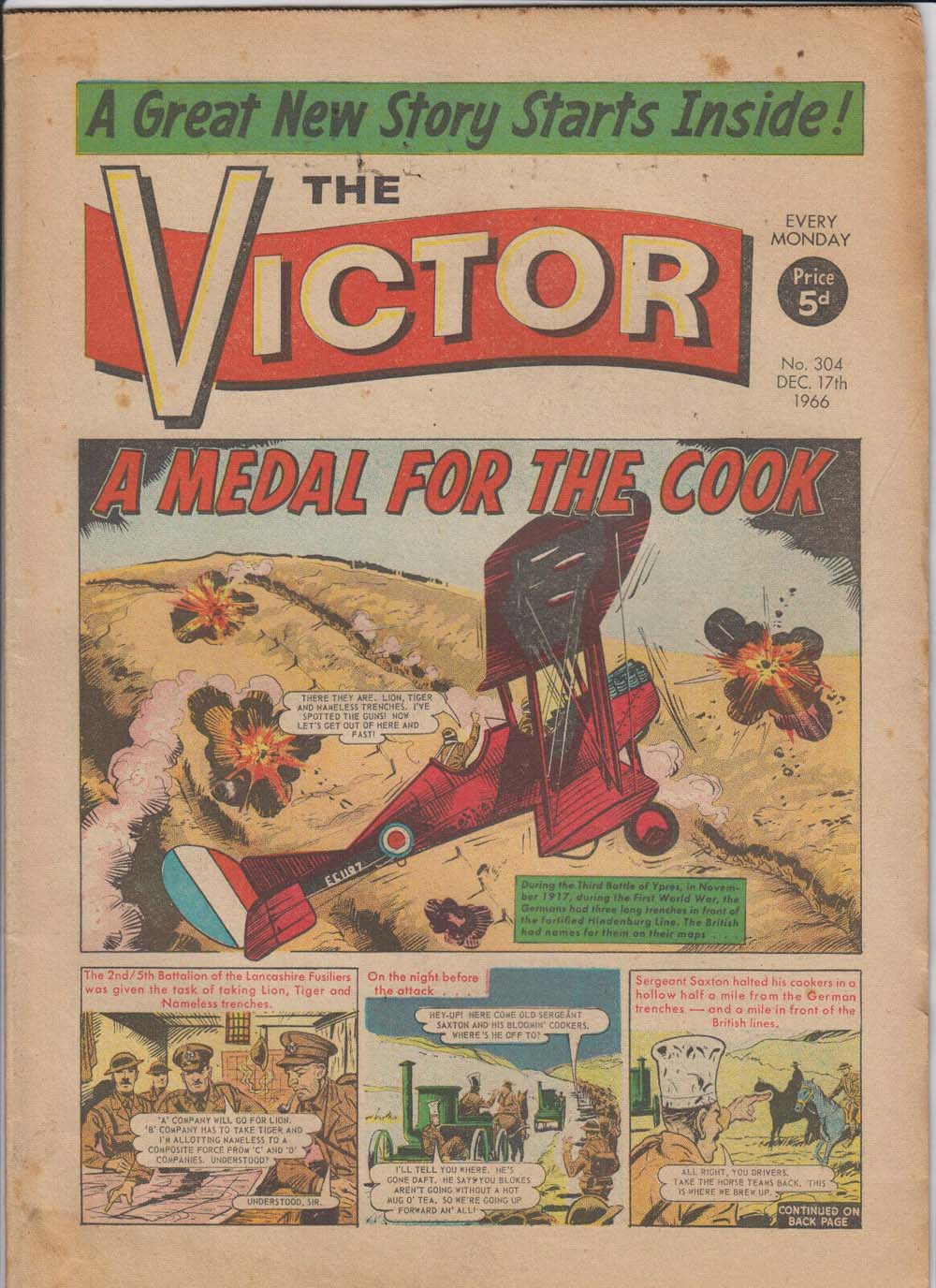
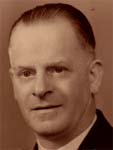 2Lt William Henry Wild MC
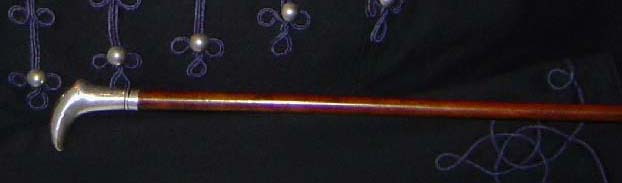
The attack on Gillemont Farm - 0620 hrs 20th november 1917. Second Lieutenant W H Wild of A Company was consolidating his position in Tiger trench, having realised that the German support trenches commanded it. He asked his Company Commander Captain T K Blamey if he should take some men forward and attack these German trenches. Captain Blamey agreed and Wild went forward with his men and put in an attack on heavily defended trenches. Having captured part of Nameless Trench ,Lt Wild then established a Lewis gun position. During the whole of this time they were under heavy fire and 2nd Lt Wild was later awarded the Military Cross. ( London Gazette 4th Feb 1918.) An interesting aside is that throughout these actions, Captain T K Blamey carried a silver topped cane. I purchased this cane from a French militaria dealer some yeas ago and it is still in my collection, see this link:- http://www.lancs-fusiliers.co.uk/locker/eastwood/blameystick2.jpg |
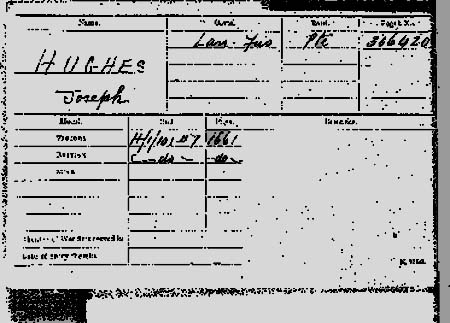
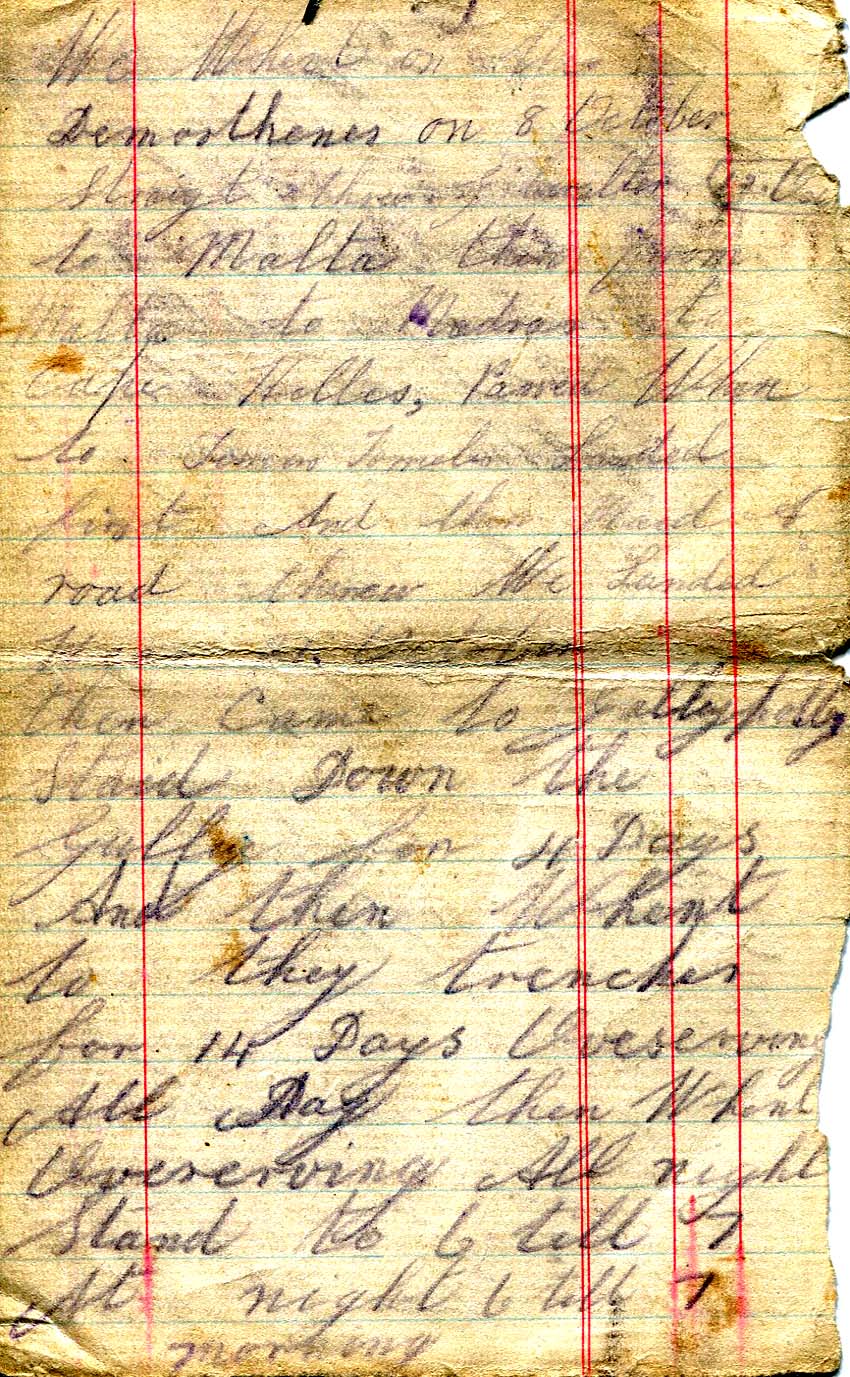
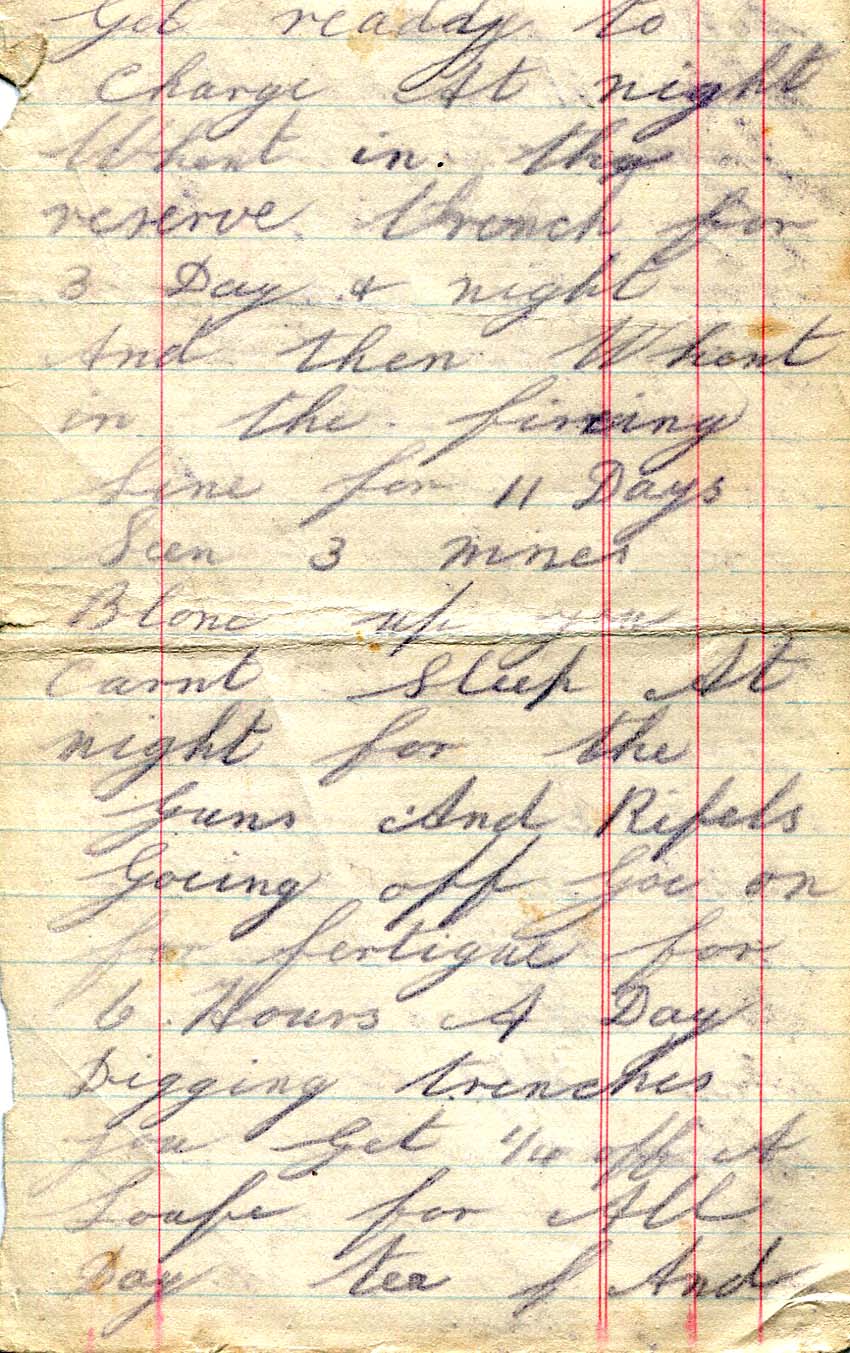
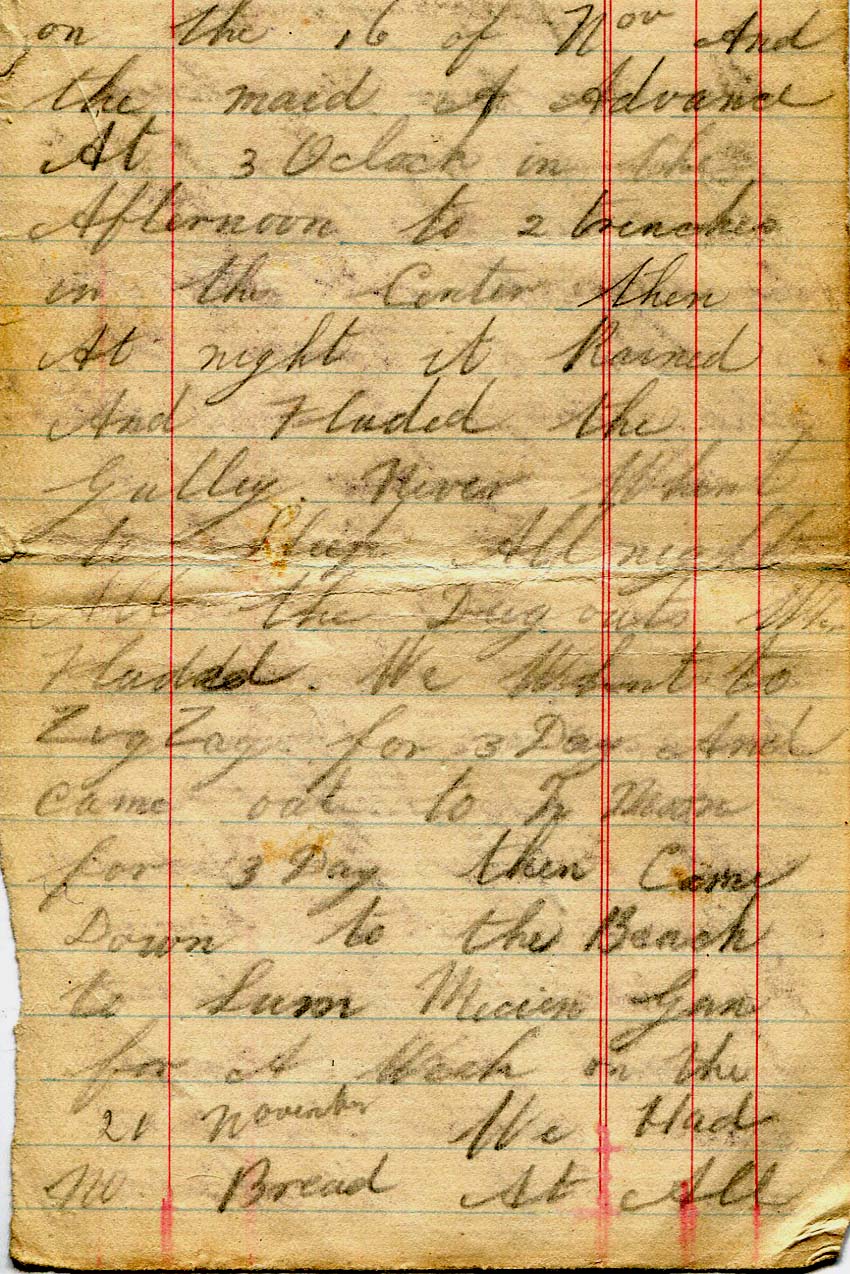
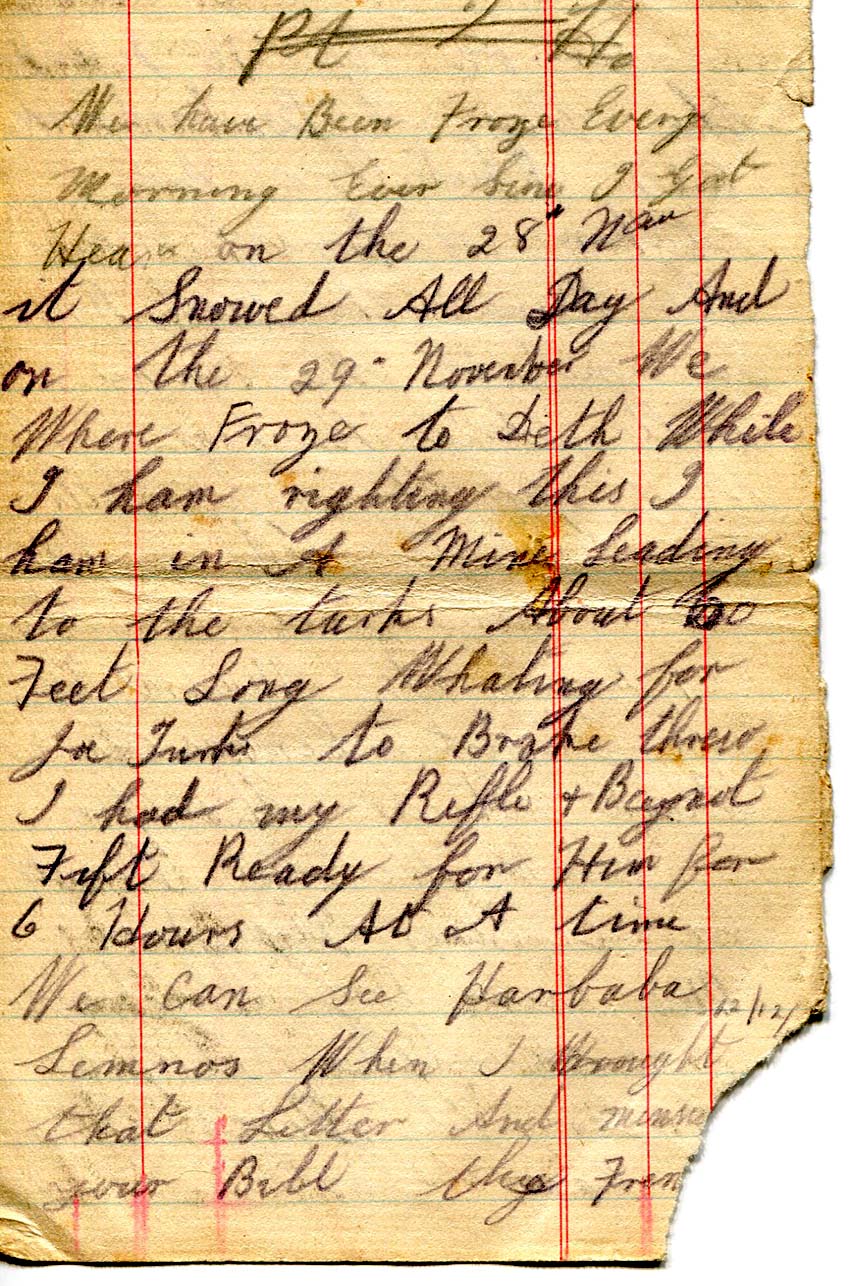
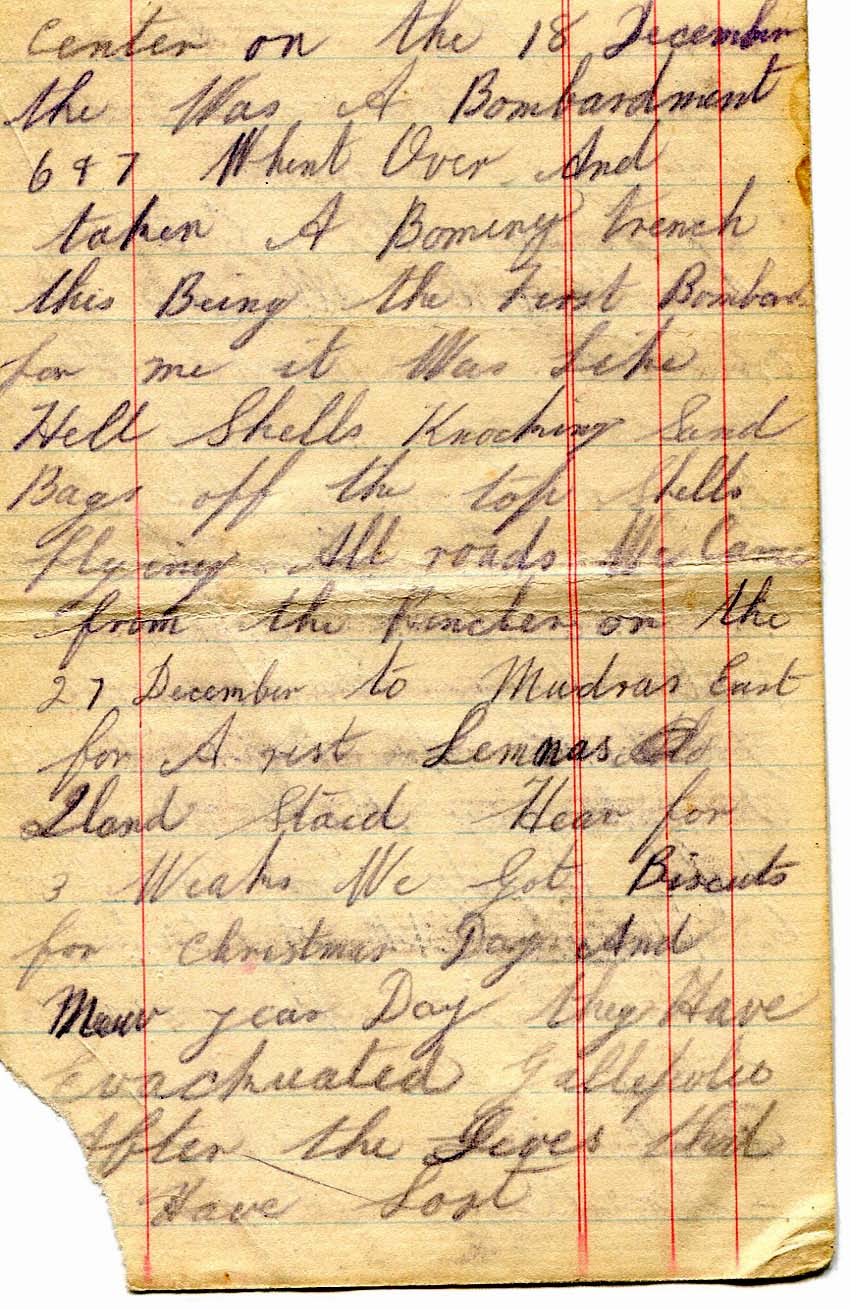
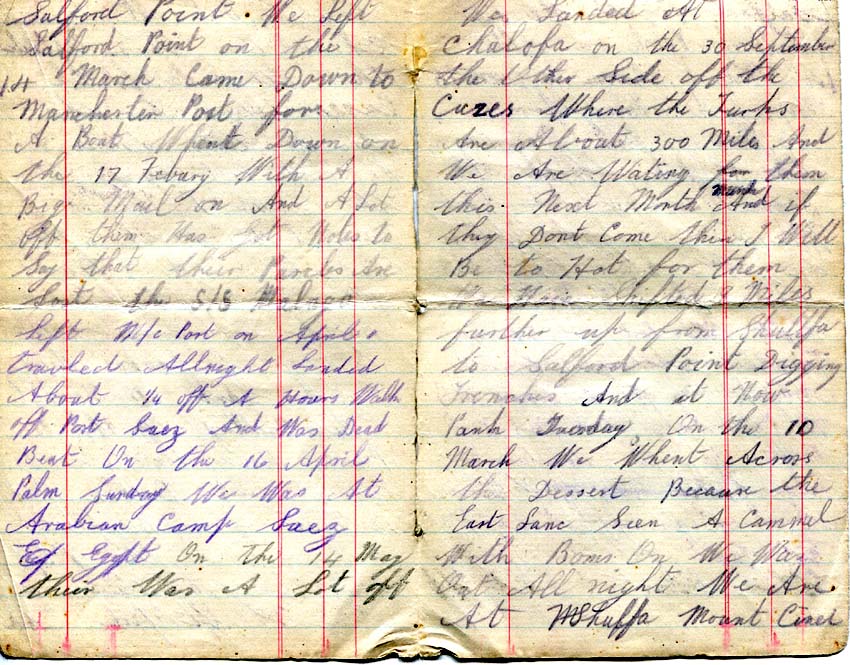
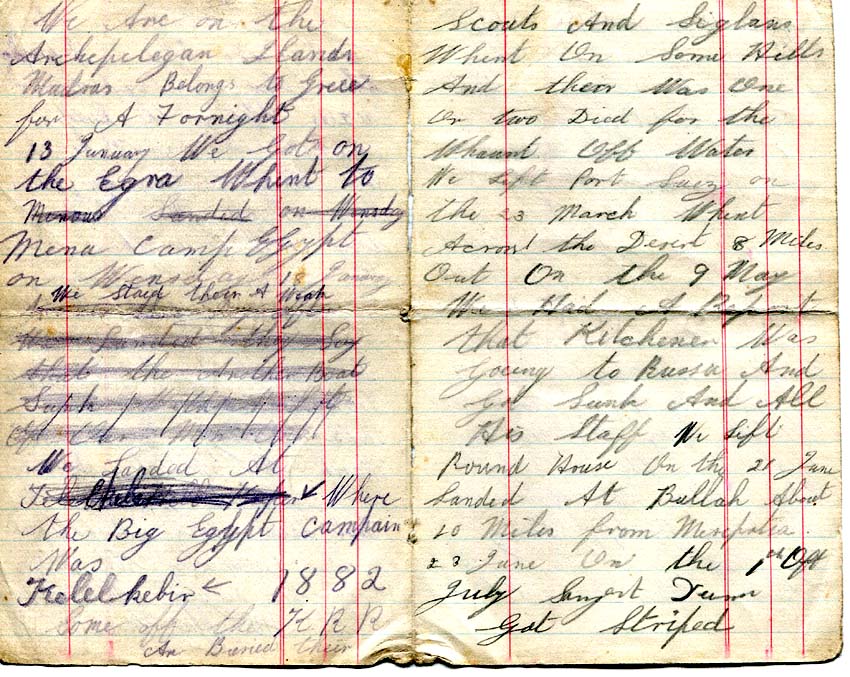
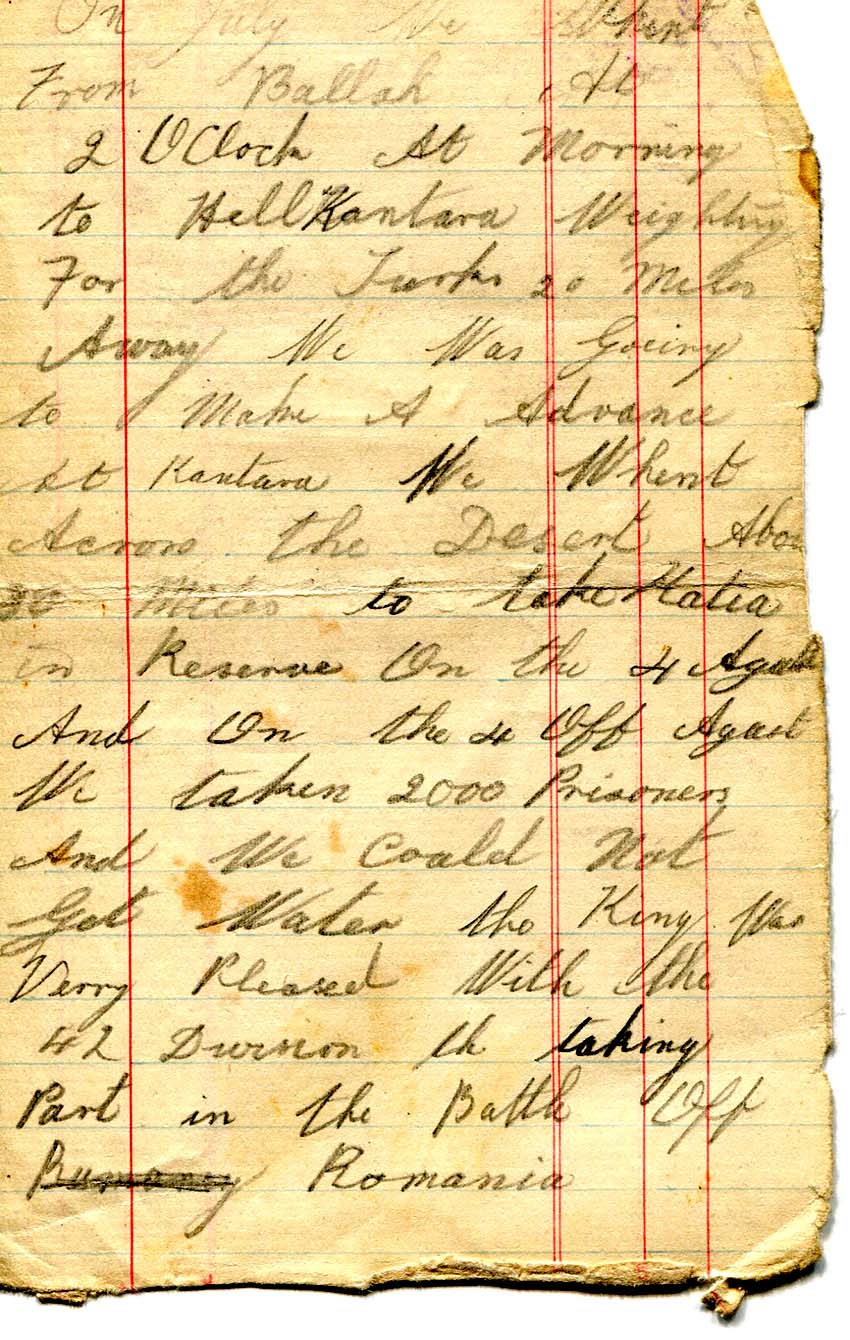
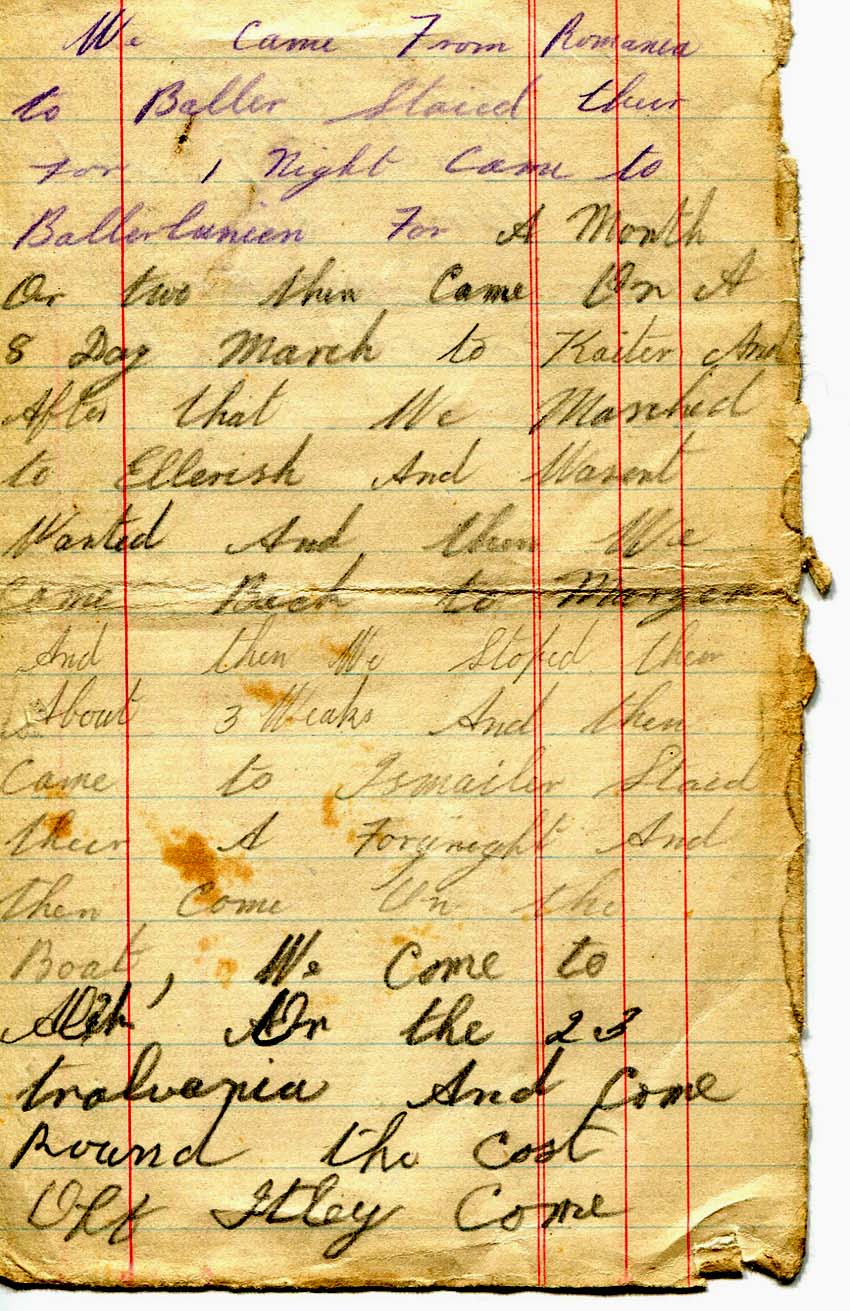
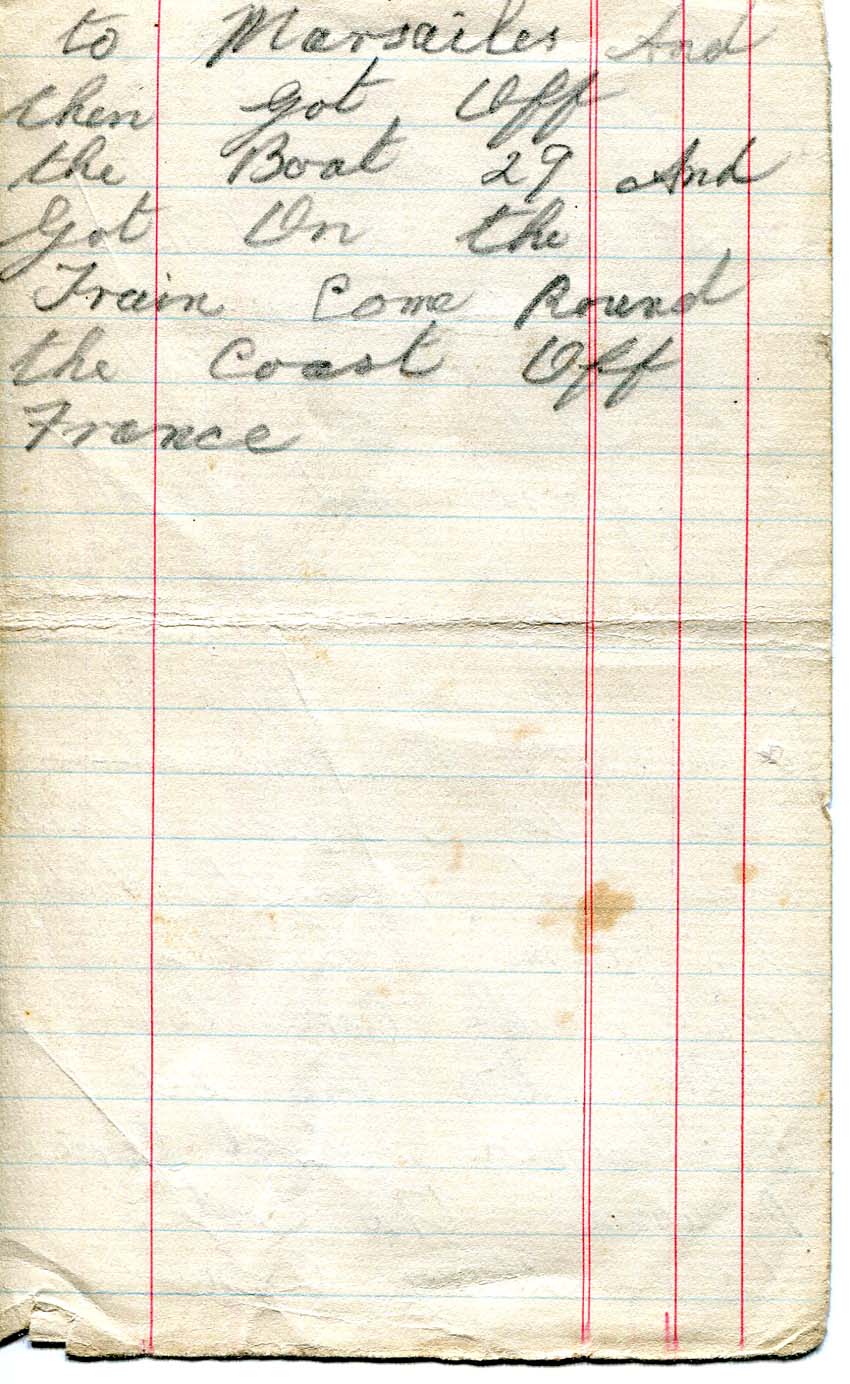
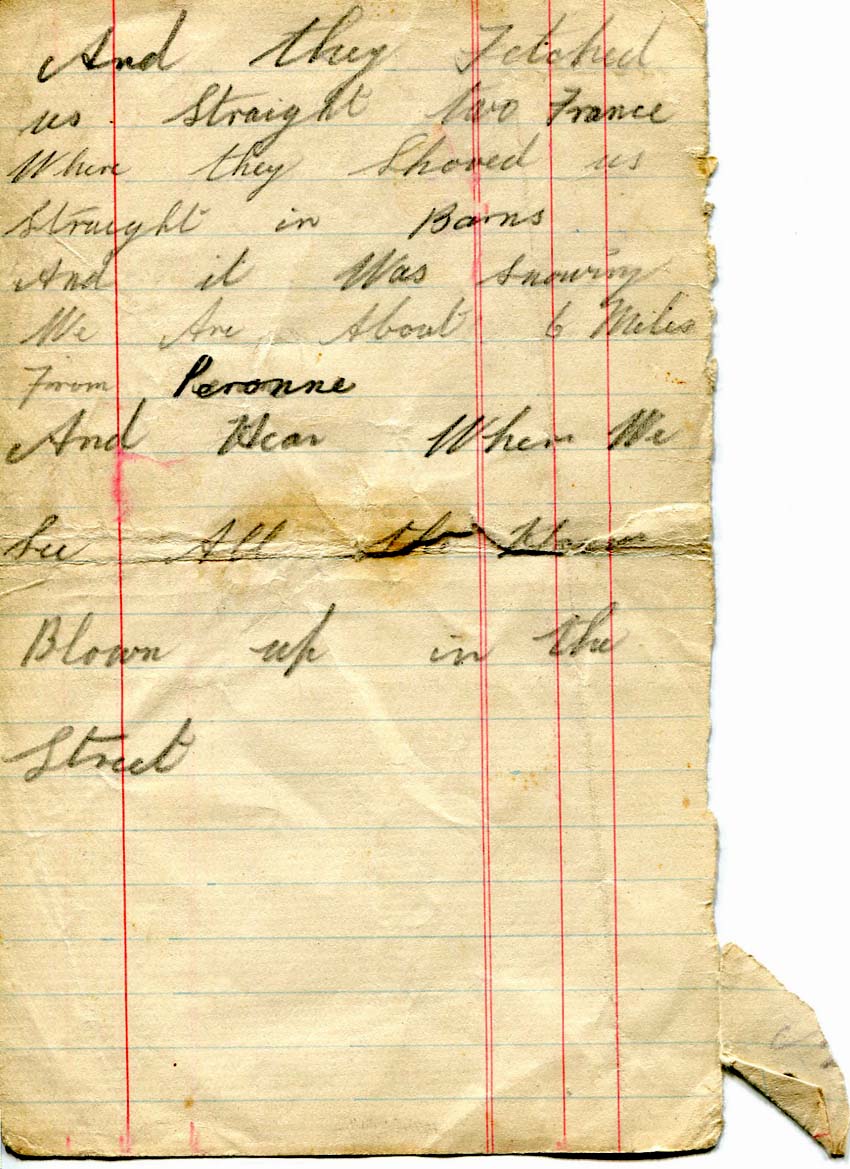
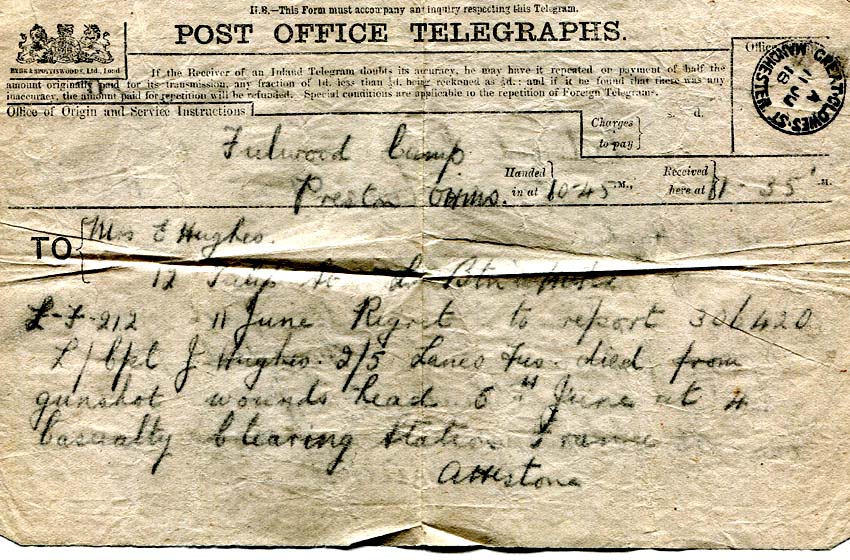
Following careful analysis of the diaries, I am delighted to be able to tell you that Joseph started his service with the 1/8th Battalion (TA) and was in 125 Brigade of the 42nd ( East Lancashire ) Division. They sailed on HMT "Neuralia" from Southampton on the 10th September 1915 and disembarked at Alexandria on the 26th September. They then went to Gallipoli on the HT "Karoa" arriving at Cape Helles on the 5th May 1915. The 1/8th then took part in the battles at Gully Ravine and took part in the second battle of Krithia. (researchable ) Following withdrawal from Gallipoli, the 1/8th sailed on the HT "Egra" to Alexandria on the 17th January 1916. They then went by train to Cairo,then Tel el Kebir (mentioned in his diary ) then to Ballah (mentioned in his diary ) then to Kantara (mentioned in his diary ) The "Romania " entry in his diary relates in fact to the battle at Rumani (researchable ) Following the succesful action against the Turks, they sailed on the HMT "Transylvania" to Marsailles on the 2nd March 1917 They then fought in France throughout 1917 and into 1918 as his diary indicates. He was obviously hospitalised at some stage in 1917-18 and on the 16th April 1918 he was posted to the 2/5th Bn and was killed in action in June 1918. So our hunch was correct ,he did serve earlier in another theatre of war and somehow his medal card is not complete. He would have definitely been entitled to the 1914-15 star. Joseph had already been to hell and back before losing his life in June 1918.
|
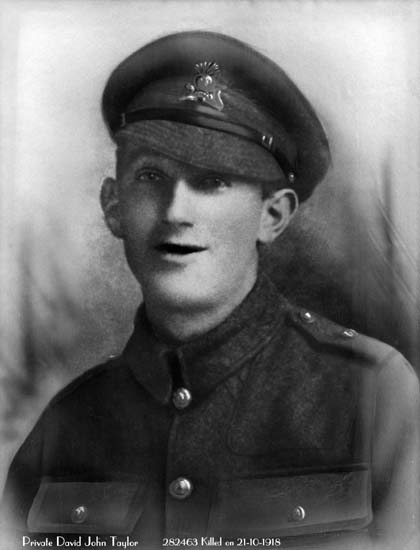
282463 D.J. Taylor
Name: TAYLOR Initials: D J Nationality: United Kingdom Rank: Private Regiment/Service: Lancashire Fusiliers Unit Text: 2nd/5th Bn. Date of Death: 21/10/1918 Service No: 282463 Casualty Type: Commonwealth War Dead Grave/Memorial Reference: I. A. 3. Cemetery: ESPLECHIN CHURCHYARD |
|
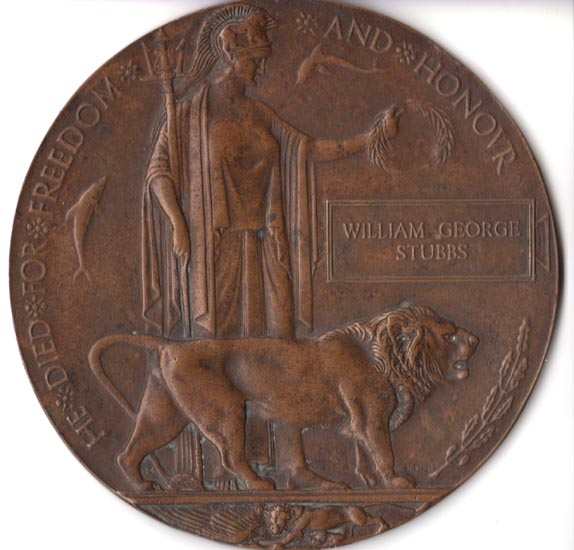
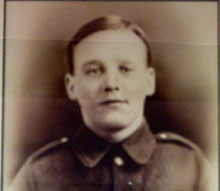
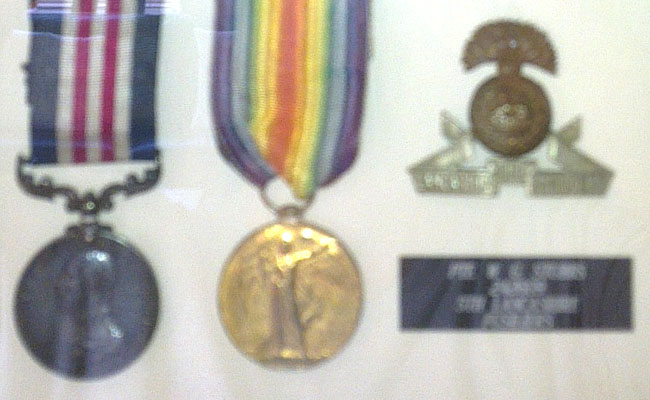
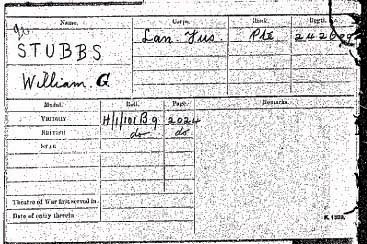
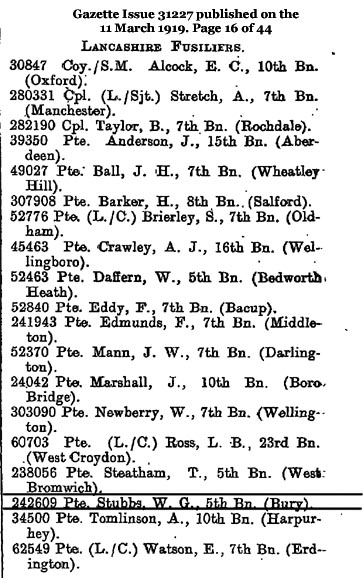
242609 Private William
George Stubbs MM
242609 Private STUBBS, WILLIAM GEORGE
awarded MM after his death |

|
|
A
|
|
1
|
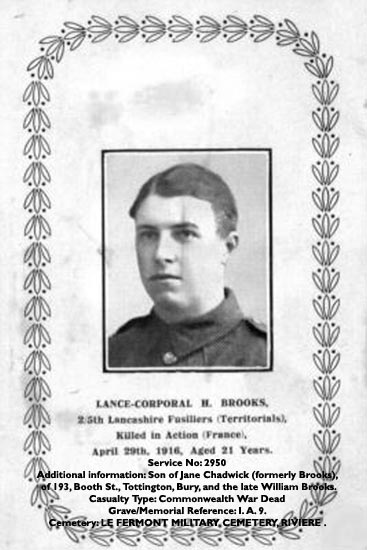 |
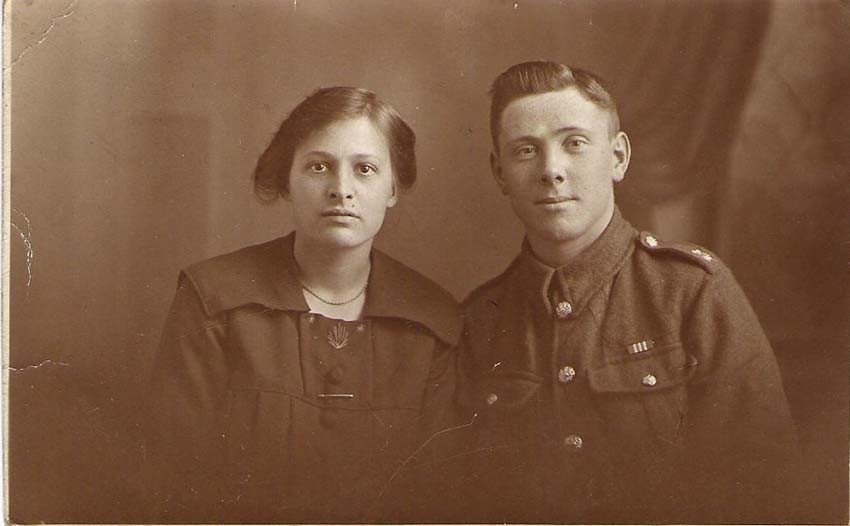
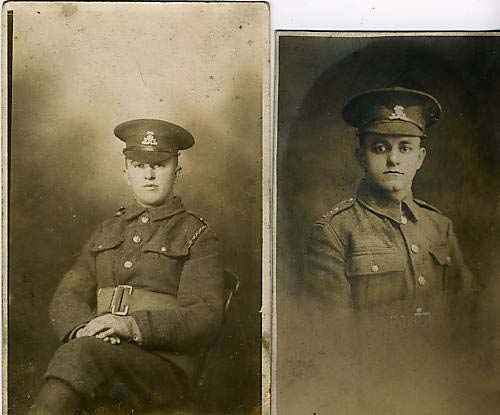 WW1 photos (postcard format) written in old hand on each is the word Delaney and we believe these are the Delaney brothers of Middleton, Manchester, killed in action in WW1: Pte Frederick Delaney 2nd/5th Battalion Lancashire Fusiliers Name: DELANEY, FREDERICK and his brother Name: DELANEY, THOMAS Private F.Delaney ,son of Mr and Mrs Delaney,of Stocks-lane,Alkrington,was killed in action on October the 24th 1918.He had been wounded twice previously.He worked at the Lodge Mills and was connected with St Peters Church. Both the above have been taken from Middletons Brave Sons. |
In Memoriam
|
Died on 12/07/1917
Private Arthur Ogden 2/5th Lancashire Fusiliers Private Arthur Ogden, of the Lancashire
Fusiliers, was killed in action on July 12th, 1917. This soldier left
behind him a widow and a daughter, and resided at 13, Hilton Street,
Rhodes. Private Ogden is laid to rest at |
|
Died on 20/06/1918
Lance Corporal John Halliwell 2/5th Lancashire Fusiliers. Lance corporal Jack Halliwell, aged 28, of the Lancashire Fusiliers, formerly of Church Street, Middleton, was reported missing and not afterwards heard of. He was formerly employed as a carter for Mark Fletcher and Son, volunteered in 1914, and went to the front in 1916. He was connected with the Middleton Parish Church and was a member of the Sunday School Football League. Missing but not forgotten, Jack Halliwell has his name inscribed on the Loos Memorial in France. |
|
Died on 29/05/1917
Private Harry Hosey 2/5th Lancashire Fusiliers Private Harry Hosey, aged 20, of the Lancashire Fusiliers, was killed in France on May 29th, 1917. He was an orphan and lived at 6, Marsh Row, Middleton. He enlisted in May 1915, and went to France in January 1917, prior to which he was employed on the Croft at Schwalbe's Works. He attended St Peter's Church and School, Middleton and was a drummer in the Boys Brigade His sister received a letter from Private P. Ashton, in which he said "It may comfort you to know that he suffered no pain as he was killed instantaneously by the explosion of a shell near his billet behind the lines. I am the only other Middleton lad in the same platoon and we were great friends. He was greatly respected by all who knew him, being always cheerful in all kinds of difficulty and he will be greatly missed." The captain of the company wrote. "He was a most trustworthy soldier and did his duty in a way which many might copy to their advantage. The night before he was killed I took him as my personal bodyguard up to the trenches and had quite a long talk with him. He was an intelligent man and one to be trusted. I was very sorry when I was informed he had been killed by a shell. I went to see him at the spot where he fell and found that is death was instantaneous and had no suffering at all. You have the satisfaction of knowing he has made the greatest sacrifice a man can make for his King and country, and his name will be honoured by me, and by all his fellow officers and by all men. Private Hosey is laid to rest at Vlamertinghe Military Cemetery, Where I visited yesterday, the cemetery has a new visitor centre as it was the site of one of the main casualty clearing stations. A huge cemetery and according to the information, only 3% of people treated there died of their wounds or illness which is a marvellous achievement by the doctors and nurses who worked there, and looking at the mass of headstones it gives you some idea how many they treated if they are the unlucky three percent. His brother, Private Eddie Hosey was killed a month earlier. |
|
Died on 11/05/1917
Lance Sergeant John Holt 2/5th Lancashire Fusiliers Another son of Middleton to
make the great sacrifice is Sergeant John Holt, age 24, of 307, Oldham
Road Middleton, who leaves behind him a widow and two daughters. Holt
was in the Lancashire Fusiliers and was killed in action on May 11th,
this year, he enlisted in April 1916, and went to the front in December
of the same year. He was employed as an electrical engineer at Ferranti's
Hollinwood. Two brothers are at present serving with the forces. Lance Sergeant Holt is laid to rest at Vlamertinghe British Cemetery, Belgium. |
|
Died on 09/09/1916
Private Fred Barratt Private James Buckley Private Frederick C. Clark Private Ben Dawson Private Henry Holmes Private Leonard Howarth Six Middleton men died on this day fighting with the 2/5th Lancashire Fusiliers at the Battle of Ginchy, on the Somme. Whoever named the trenches
that the British attacked from, certainly enjoyed a beer or two. Privates Howarth and Buckley are buried at Delville Wood Cemetery. Private Holmes at Heilly Station Cemetery, while Privates Barratt, Dawson and Clark have no known grave and are commemorated on the Thiepval Memorial. Whilst engaged in action with
the Lancashire Fusiliers, during the fighting of 1916, Private Frederick
Charles Clark, age 26, of Holyoake Terrace, Pool Bank Street, Rhodes,
made the great sacrifice. |
|
Died on 16/04/1918
Lance Corporal James Hall 2/5th Lancashire Fusiliers Lance Corporal James Hall,
aged 32, of the Lancashire Fusiliers, and son of Mr. and Mrs. George
Hall, Dane Street, Middleton, was killed in action in 1918. He was employed
at Schwabe's, and enlisted early in 1915, and going to the front in
June 1916. Lance Corporal Hall has no known resting place, and his name is on the Loos Memorial, France. |
|
Died on 20/11/1917
Private Walter Heap 2/5th Lancashire Fusiliers. Private Walter Heap, of the
Lancashire Fusiliers, who resided at 477, Oldham Road, Middleton, died
in action on November 20th, 1917. Private Heap is still listed as missing, and his name is on the Theipval Memorial. France. |
|
Died on 03/08/1916
Private Ernest Dean 2/5th Lancashire Fusiliers Private Ernest Dean, of the Lancashire Fusiliers, gave his life in action on August 3rd, 1916. He was shot through the head by a sniper. The late Ernest Dean, who was 20 years of age, and resided at 44, Union Street, Middleton, joined the Colours in November, 1915, and had only been in France about seven weeks. Previous to enlistment he worked at the Wilton Mill, and received his early education at the National Schools. Private Dean has no known resting place, and his name is on the Thiepval Memorial, France. |
|
Died on 17/06/1918
Private William Plant 2/5th Lancashire Fusiliers Not a lot on this soldier,
his name for some reason is not on the Middleton Memorial, and his death
wasn't reported in the Guardian. Private Plant is laid to rest at Houchin British Cemetery in France. |
|
Died on 20/06/1918
Lance Corporal John Halliwell 2/5th Lancashire Fusiliers. Lance corporal Jack Halliwell, aged 28, of the Lancashire Fusiliers, formerly of Church Street, Middleton, was reported missing and not afterwards heard of. He was formerly employed as a carter for Mark Fletcher and Son, volunteered in 1914, and went to the front in 1916. He was connected with the Middleton Parish Church and was a member of the Sunday School Football League. Missing but not forgotten, Jack Halliwell has his name inscribed on the Loos Memorial in France. |
|
Died on 30/03/1917
Corporal Herbert Hollows 2/5th Lancashire Fusiliers. Corporal Herbert Hollows, aged 24, of the Lancashire Fusiliers, and who resided at 208, Oldham Road, Middleton, died from wounds received in Belgium on March 30th, 1917. He enlisted in November 1915, and went to the front on Christmas Eve 1916. He was formally employed in the blowing room at the Rex Mill, and attended St Michael's Church. His sweetheart received a letter from the Wesleyan chaplain, which stated. "I am deeply grieved have to tell you that your fiancé Corporal Hollows was killed in action on March 30th. He was out in no man's land at work and was found by a machine gun bullet and made the great sacrifice. May God comfort you and his dear mother. Corporal Hollows seems to have had a great name amongst his comrades, and the Battalion mourns his loss deeply. He would very soon have been made a sergeant if it had been God's will to spare him". His brother, Harry was killed in 1916, aged 20. Herbert Hollows is laid to rest at Vlamertinghe Cemetery, Belgium |
|
Died on 11/05/1917
Lance Sergeant John Holt 2/5th Lancashire Fusiliers Another son of Middleton to make the great
sacrifice is Sergeant John Holt, age 24, of 307, Oldham Road Middleton,
who leaves behind him a widow and two daughters. Holt was in the Lancashire
Fusiliers and was killed in action on May 11th, this year, he enlisted
in April 1916, and went to the front in December of the same year.
He was employed as an electrical engineer at Ferranti's Hollinwood.
Two brothers are at present serving with the forces. Lance Sergeant Holt is laid to rest at Vlamertinghe British Cemetery, Belgium. |
|
Died on 29/05/1917
Private Harry Hosey 2/5th Lancashire Fusiliers Private Harry Hosey, aged 20, of the Lancashire Fusiliers, was killed in France on May 29th, 1917. He was an orphan and lived at 6, Marsh Row, Middleton. He enlisted in May 1915, and went to France in January 1917, prior to which he was employed on the Croft at Schwalbe's Works. He attended St Peter's Church and School, Middleton and was a drummer in the Boys Brigade His sister received a letter from Private P. Ashton, in which he said "It may comfort you to know that he suffered no pain as he was killed instantaneously by the explosion of a shell near his billet behind the lines. I am the only other Middleton lad in the same platoon and we were great friends. He was greatly respected by all who knew him, being always cheerful in all kinds of difficulty and he will be greatly missed." The captain of the company wrote. "He was a most trustworthy soldier and did his duty in a way which many might copy to their advantage. The night before he was killed I took him as my personal bodyguard up to the trenches and had quite a long talk with him. He was an intelligent man and one to be trusted. I was very sorry when I was informed he had been killed by a shell. I went to see him at the spot where he fell and found that is death was instantaneous and had no suffering at all. You have the satisfaction of knowing he has made the greatest sacrifice a man can make for his King and country, and his name will be honoured by me, and by all his fellow officers and by all men. Private Hosey is laid to rest
at Vlamertinghe Military Cemetery, Belgium. |

wQ,QQBWk%7E$(KGrHqF,!h8Ew5OtIwq9BMO2fyeGCQ%7E%7E_12.jpg)
wQe1gB2k%7E$(KGrHqF,!jUEw5!gEf)oBMO2f9rQ8w%7E%7E_12.jpg)
wQmnwEWk%7E$(KGrHqJ,!gsEv1sfQtynBMO2gOgor!%7E%7E_12.jpg)
wQrN!EGk%7E$(KGrHqR,!hIEw5JsEZO7BMO2gZIczw%7E%7E_12.jpg)