|
16th
Service Battalion
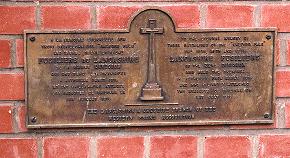
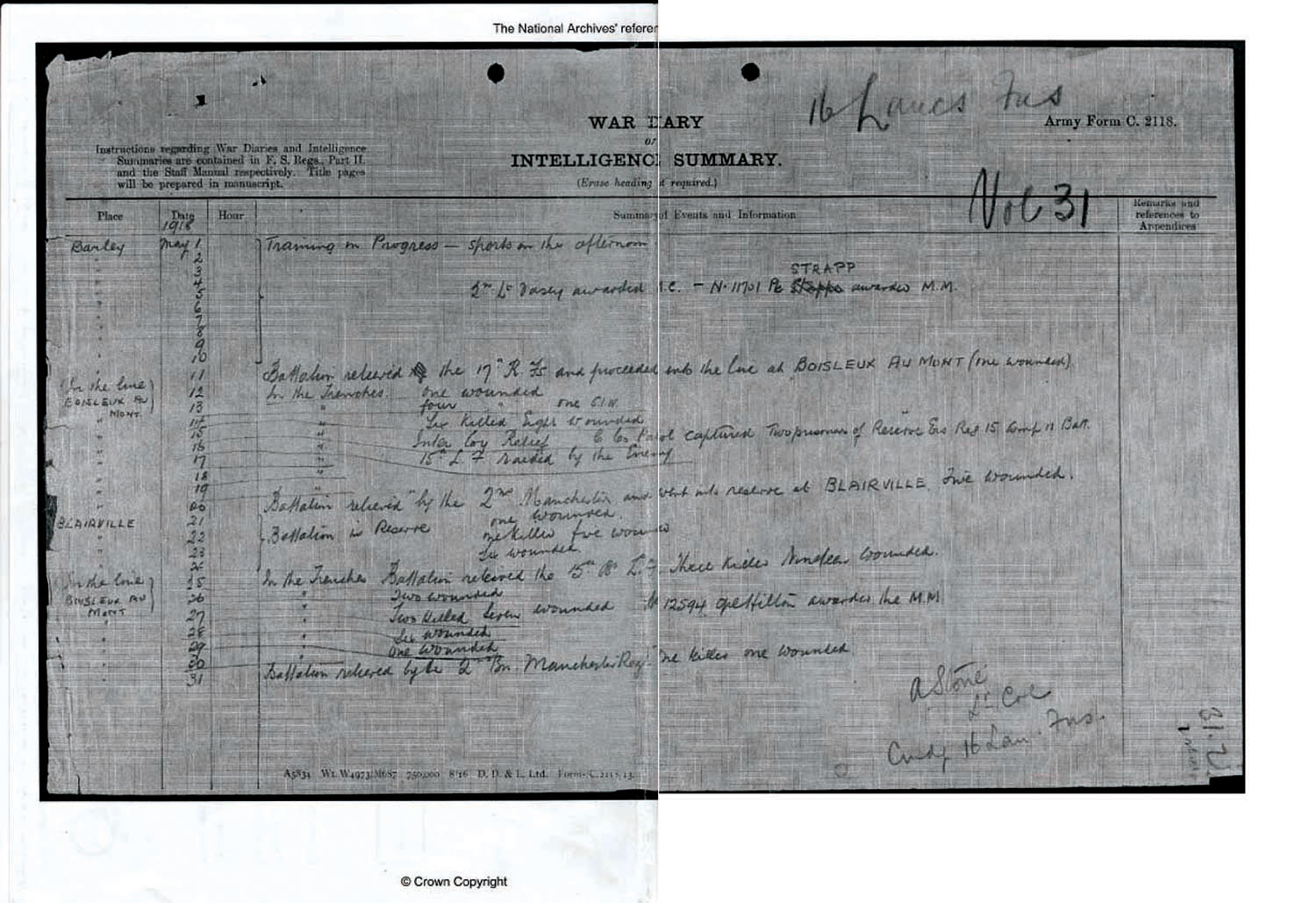
( 2nd Salford Pals) The XX Lancashire Fusiliers 1914 - 1918 The 16th Battalion, Lancashire Fusiliers were known as The 2nd Salford Pals, the battalion was raised in Salford on the 15th of November 1914, by Mr Montague Barlow MP and the Salford Brigade Committee. They began training near home and on the 28 December 1914 they moved to Conway for training. They became part of the 96th Brigade, 32nd Division and moved in May 1915 to concentrate in Shropshire at Prees Heath. The camp was found to be too wet for training and the Division moved on the 21st of June 1915 to Catterick in North Yorkshire. using the firing ranges at Strenshall. In August 1915 they moved for final training and firing practice at Codford on Salisbury Plain. They proceeded to France, landing at Boulogne on the 22nd of November 1915. Their first taste of action was at Thiepval Ridge on The Somme on the 1st of July 1916, the battle resulted in the Salford Pals being almost wiped out. The battalion was reinforced and saw action throughout the war. In 1917 they were involved in Operations on the Ancre and the pursuit of the German retreat to the Hindenburg Line. In 1918 they were in action on the Somme and in the Battles of the Hindenburg Line and the Final Advance in Picardy |
 |
|
|
The Somme |
|
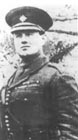
The Victoria Cross "Lt(Acting Col)
Neville Marshall 4th November
1918 The first party was soon killed or wounded, but by personal example he inspired and volunteers were instantly forthcoming. Under intense fire and with complete disregard of his own safety, he stood on the bank encouraging his men and assisting in the work, and when the bridge was repaired, attempted to rush across at the head of his Battalion and was killed doing so. The passage of the canal was
of vital importance, and the gallantry displayed by all ranks was largely
due to the inspiring example set by Lt-Col Marshall MC” The first party was completely wiped out by enemy fire, but Lt Marshall courageously led another group into the fray, inspiring volunteers to follow him to the bridge. When the bridge was finished he tried to run across it on his own to take on the German soldiers, but was quickly shot and killed as he did so This was read out by Major
Algy Cole (Address by Sandra Wellington whose father, R.A. Wellington, was Neville Marshall's nephew)
Lt. Col Neville Marshall served with the Belgian Army in 1914/1915, and was decorated twice by King Albert. He wrote in his early war diaries that "The greatest help to me has been in knowing exactly why I fight. Sensationalism, love of justice, love of religion. NO! But because I am English and see a type that will endanger my life, my wife, and existence. When I say 'English', it stands for much. All those glorious traditions. The seasons and especially the Spring with its daffodils and scent of Mother Earth. I cannot understand why Englishmen still hesitate. They do not know the danger of their enemy and they do not love their land and breed". Neville Marshall joined the First Battalion, Irish Guards in 1916 and saw action in the Somme and elsewhere, being wounded ten times during his war career. He was always known for his keen sense of discipline and forthright views, and once noted in his diaries that he was fortunate because he had "no sense of fear", but at the same time was still "emotional and soft-hearted". With regards to the War, he commented "We as soldiers admire our enemy as brave men" and "Thank God, racial and national anger is only temporary". In May 1917, he was attached to the Lancashire Fusiliers, where the poet Wilfred Owen described him as the "mad Major"; "bold, robust, dashing, unscrupulous, cruel, jovial, immoral, vast-chested, handsome-headed, of free coarse speech". No doubt these attributes served Neville Marshall well during, what he called "his adventures" at the front. On 4th November 1918, he was commanding 16th Battalion when he attempted to lead his men across the bridge at the Sambre-Oise Canal, in France and was tragically killed, one week before Armistice. For these actions he was awarded a posthumous Victoria Cross. By sad coincidence, Wilfred Owen was also killed at the same battle, on the same day. Neville Marshall inspired his own men in the heat of battle and has obviously served to inspire our family over the years, by his courage, bold attitudes and perseverance. We are therefore delighted that, with this wonderful and fitting tribute, organized by Trafford Council and supported by representatives of the Irish Guards and Royal Regiment of Fusiliers, Neville Marshall's name and fine example will undoubtedly continue to inspire many generations to come - of soldiers and civilians alike.
|
|
Died on 03/04/1918
Sergeant W.S. Simms Private William Beeston 16th Lancashire Fusiliers (2nd Salford) Two Middleton men serving with
the 16th Lancashire Fusiliers, were killed on this day in 1918. Private Beeston, aged 23, was wounded at Gallipoli in 1915, also in France in 1916. He lived at Factory Street, Middleton, at home he was connected to St. Peter's Church, and was a member of the Church Lads' Brigade. Sergeant William. S. Simms,
of the Lancashire Fusiliers, who resided at Threepits, Slattocks, was
killed in action on April 3rd, 1918. He had seen much fighting, going
to the Dardanelles and Egyptian campaigns, and then on to France where
he was wounded in 1916, and then won the Military Medal, while in January
1918 he was recommended for the D.C.M. Sergeant Sims was connected with
Providence Church. The 16th didn't go to Turkey or Egypt, but the pair of them were in the 9th Lancashire Fusiliers, both were wounded, and transferred together into the 16th when they recovered. And sadly, they are buried
together at the beautiful |
|
Died on 06/02/1918
Sergeant Robert Tait 16th Lancashire Fusiliers. Sergeant Robert Tait, of the
Lancashire Fusiliers, died from wounds in February 6th, 1918. This soldier
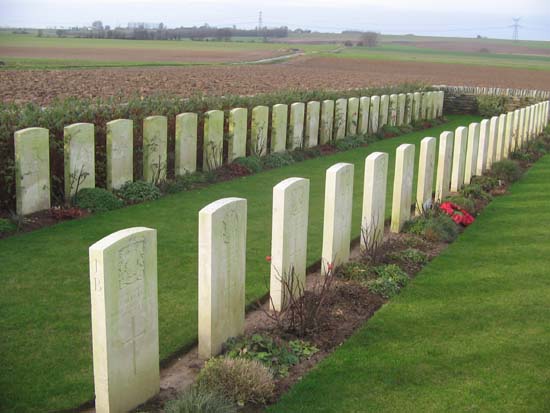
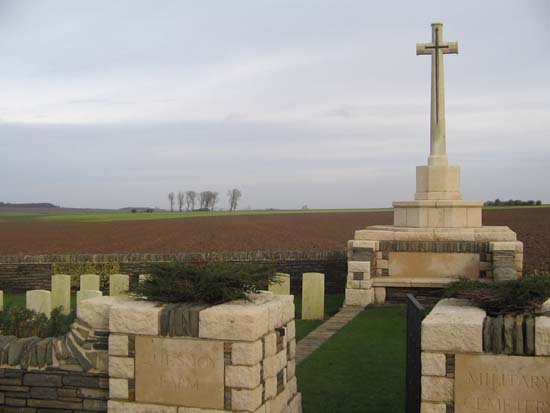
was 21 years of age, and resided at Park Street, Middleton. Sergeant Tait is buried at Mendinghem, Military Cemetery, Belgium. British troops who found themselves
at these CCS during the war, jokingly nicknamed them. Mendinghem, Dozinghem
and Bandaghem. |
|
Died on this day 03/04/1918
Sergeant W.S. Simms Private William Beeston 16th Lancashire Fusiliers (2nd Salford) Two Middleton men serving with
the 16th Lancashire Fusiliers, were killed on this day in 1918. Private Beeston, aged 23, was wounded at Gallipoli in 1915, also in France in 1916. He lived at Factory Street, Middleton, at home he was connected to St. Peter's Church, and was a member of the Church Lads' Brigade. Sergeant William. S. Simms,
of the Lancashire Fusiliers, who resided at Threepits, Slattocks, was
killed in action on April 3rd, 1918. He had seen much fighting, going
to the Dardanelles and Egyptian campaigns, and then on to France where
he was wounded in 1916, and then won the Military Medal, while in January
1918 he was recommended for the D.C.M. Sergeant Sims was connected with
Providence Church. The 16th didn't go to Turkey or Egypt, but the pair of them were in the 9th Lancashire Fusiliers, both were wounded, and transferred together into the 16th when they recovered. And sadly, they are buried
together at the beautiful |
|
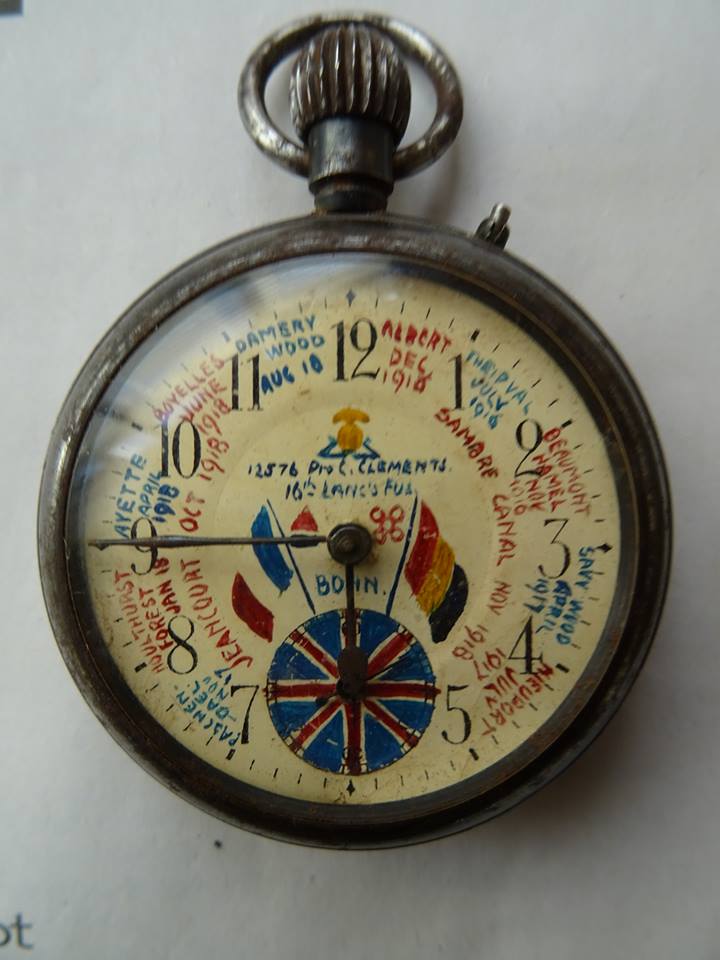
A lovely old pocket that David Williamson picked up out of a box at a car boot. An old soldier filled in all his battles and the dates. His information is in the middle it says " 12576 (DRO) ?? C. CLEMENTS, 16th LANC'S FUS". It's amazing he got all that information including the flags on a little watch. It's still working and I think he must have carried it with him throughout his battles in the First World War. |
|
Died on this day 06/02/1918
Sergeant Robert Tait 16th Lancashire Fusiliers. Sergeant Robert Tait, of the
Lancashire Fusiliers, died from wounds in February 6th, 1918. This soldier
was 21 years of age, and resided at Park Street, Middleton. Sergeant Tait is buried at Mendinghem, Military Cemetery, Belgium. British troops who found themselves
at these CCS during the war, jokingly nicknamed them. Mendinghem, Dozinghem
and Bandaghem. |
Sent in by Pat Hackett (her uncle) in Australia |
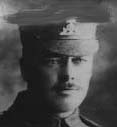 11434 Private Walter Wood 16th Bn. Lancashire Fusiliers Date of Death: 05/04/1918 Grave Reference: A. 8. Cemetery: QUESNOY FARM MILITARY CEMETERY 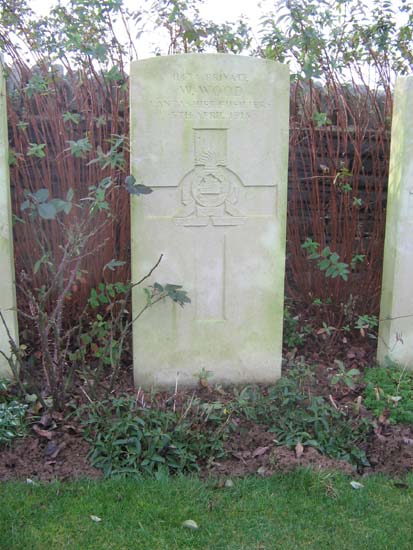
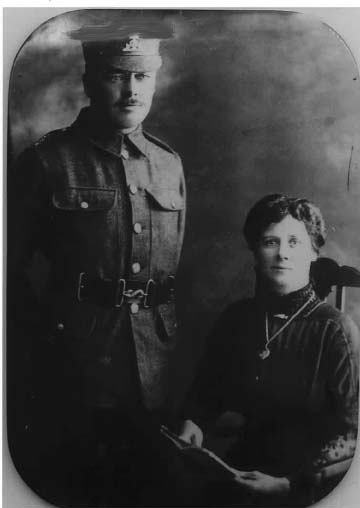
Walter and has wife Louisa sent in by Angela Hulse |
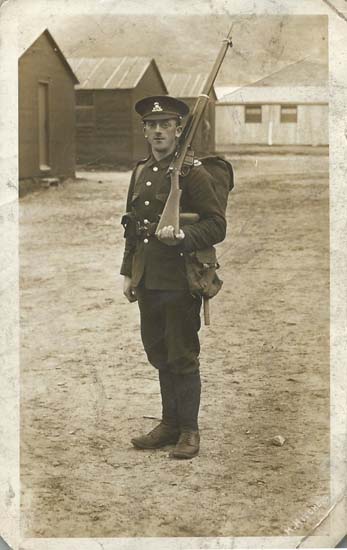 This is a picture of my grandad, Private Thomas Dunn Regimental Number 15061, of the 16th Battalion of the Lancashire Fusiliers (2nd Salford Pals). Taken whilst training in Conway, I think. Please can he be added to the gallery on the Lancs Fusiliers website. Grandad survived the slaughter, but never talked much about it (or else I was too young to listen properly). Grandad's brother in law, Harold Ferguson, (husband of Martha Dunn) was the first of the Salford Pals to be killed, on 23.12.1915. Regards |
|
Name: John William Baron
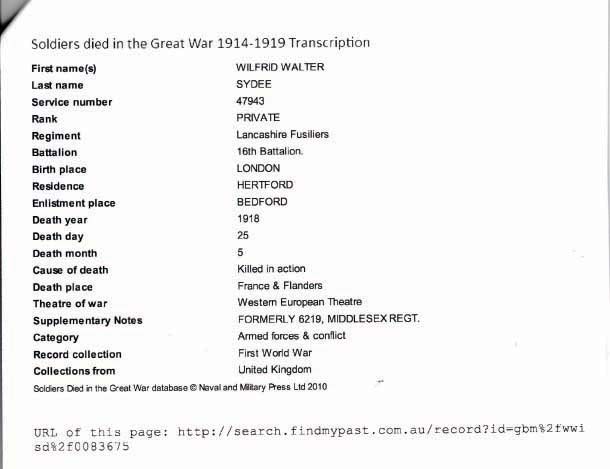
Birth Place: Rochdale, Lancs Death Date: 3 Apr 1918 Death Location: France & Flanders Enlistment Location: Rochdale Rank: Private Regiment: Lancashire Fusiliers Battalion: 16th Battalion Number: 34320 Type of Casualty: Killed in action Theatre of War: Western European Theatre 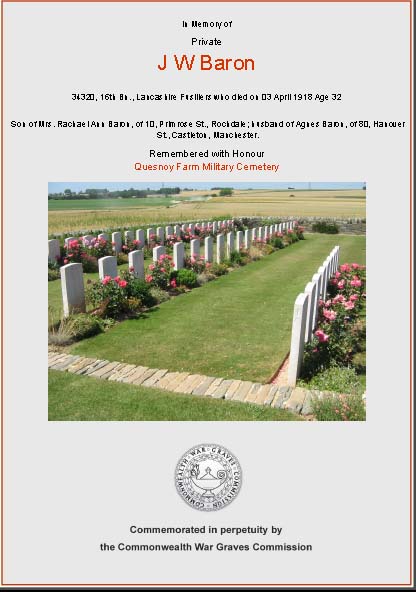 |
|
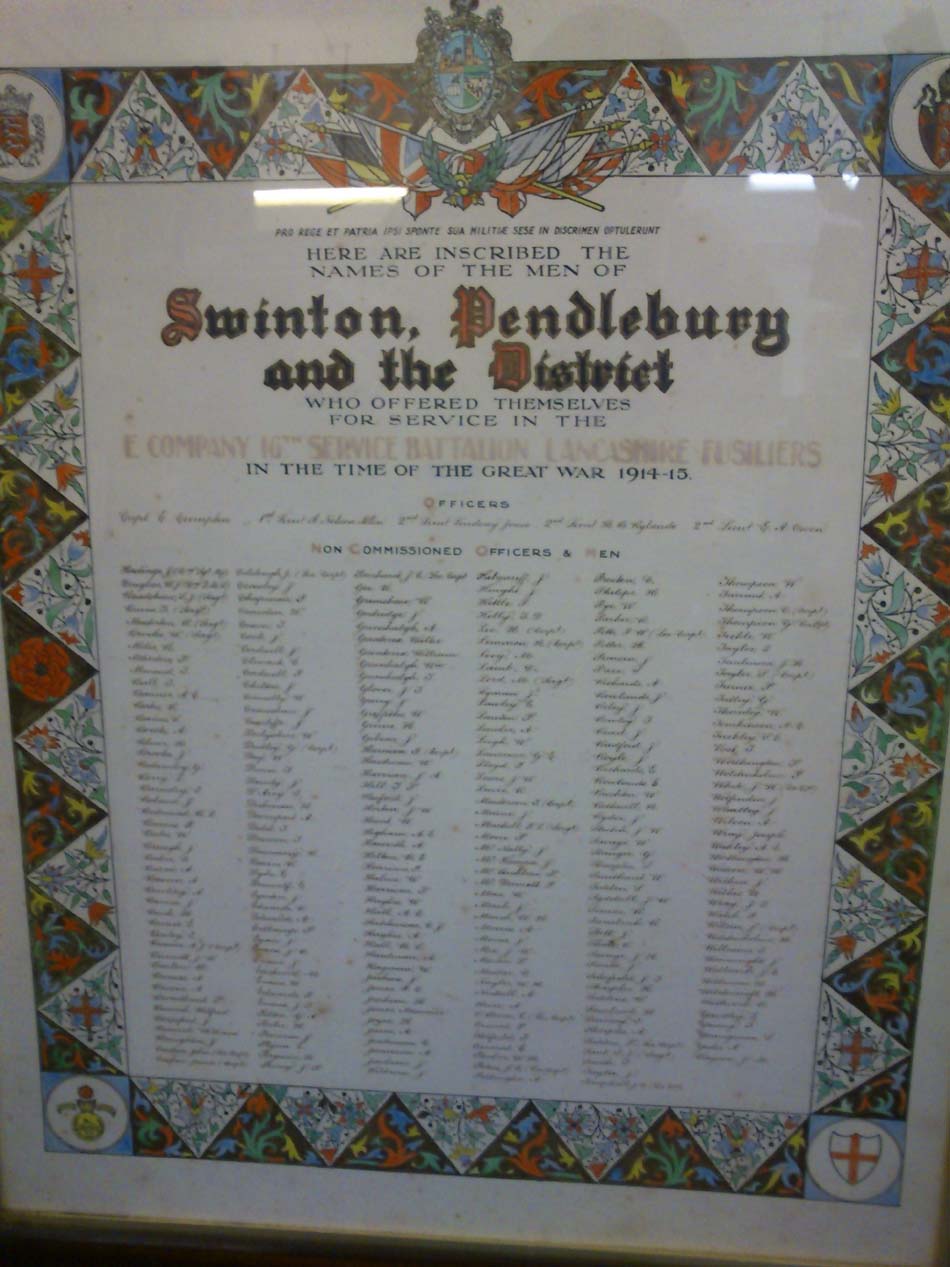
16th Bn (2nd Salford Pals) Lancashire
Fusiliers
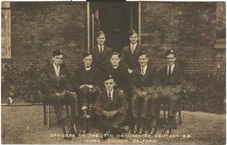
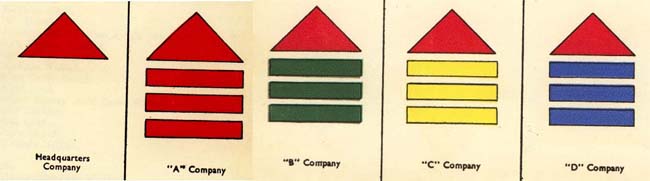
Hastings J (Coy Sgt Mj), Douglas W J (Coy Q M S), Bradshaw S J (Sergt, )Burns T (Sergt, )Masterton R (Sergt), Brooks W (Sergt)
|

|
|
A
|
B
|
C
|
D
|
|
1
|
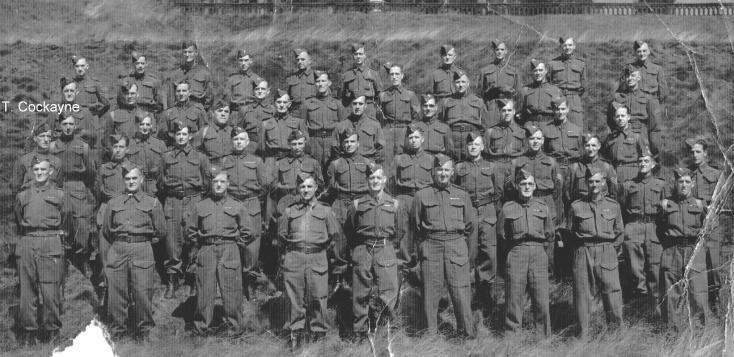
Thomas Cockayne |
 |
 |
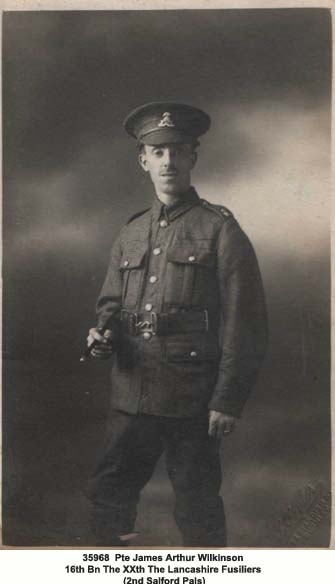 Grandfather of Ian Lewis |
|
2
|
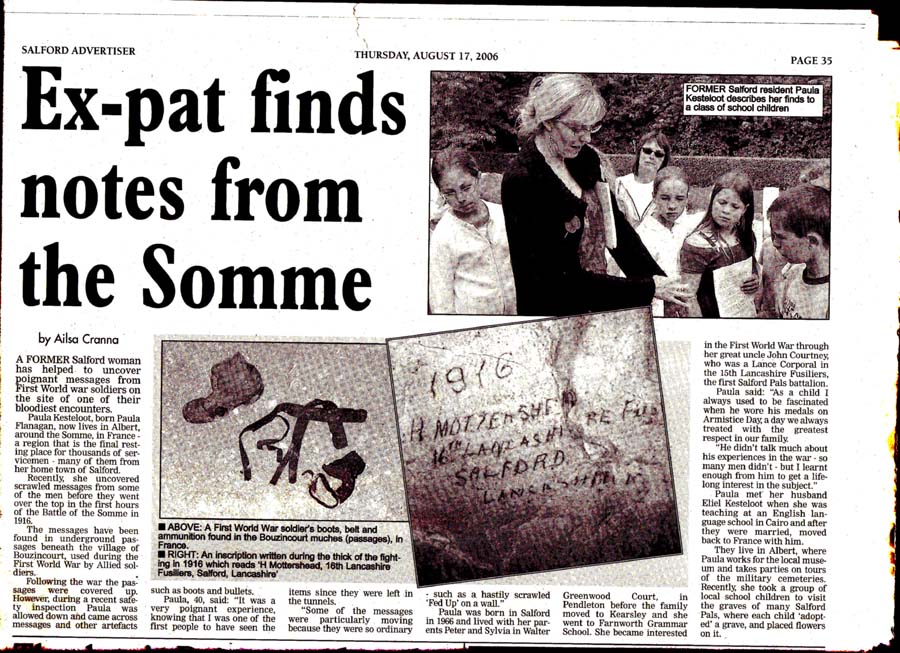
"11789 Fus Harold Mottershead did not make it,he was killed on the 2nd July 1916, probably 2 days after writing the message on the wall. (Joe)" |
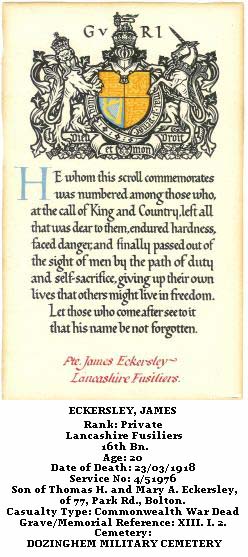 |
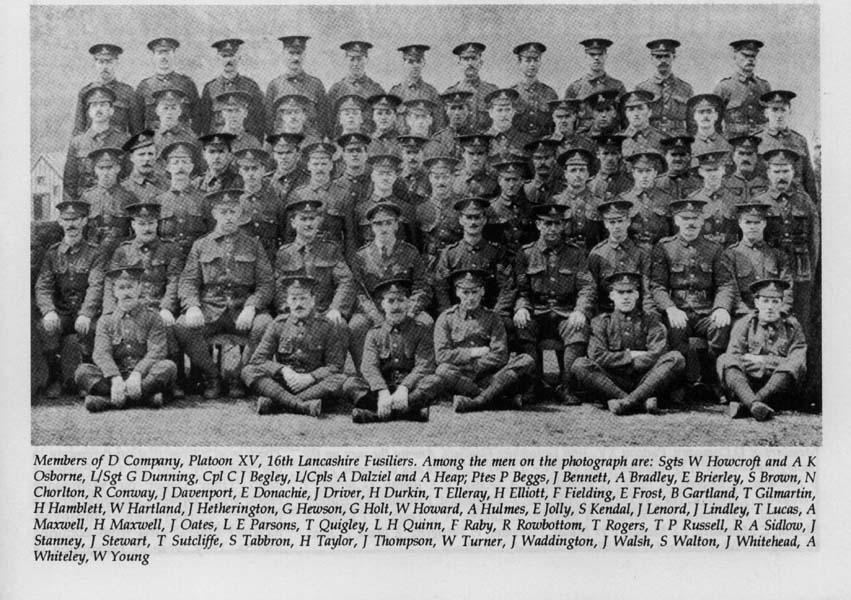
7PL |
|
|
3
|
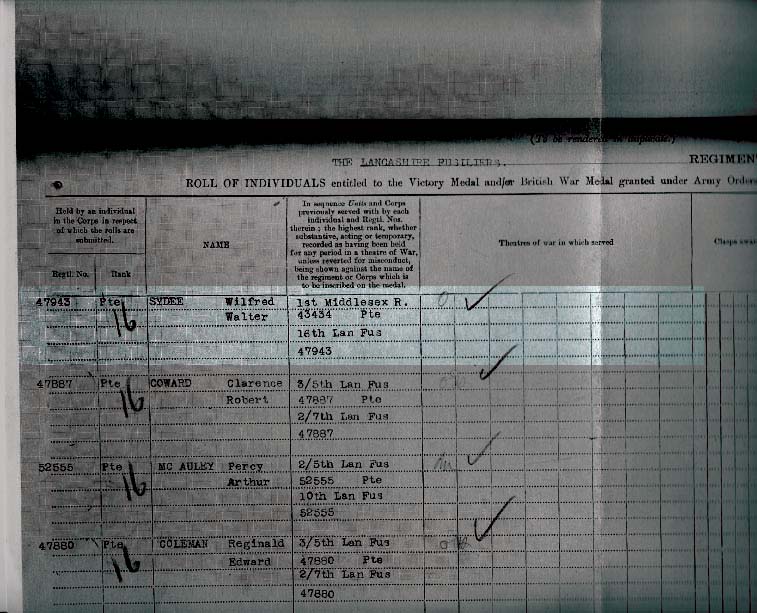
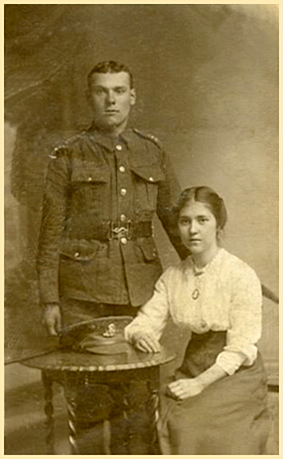
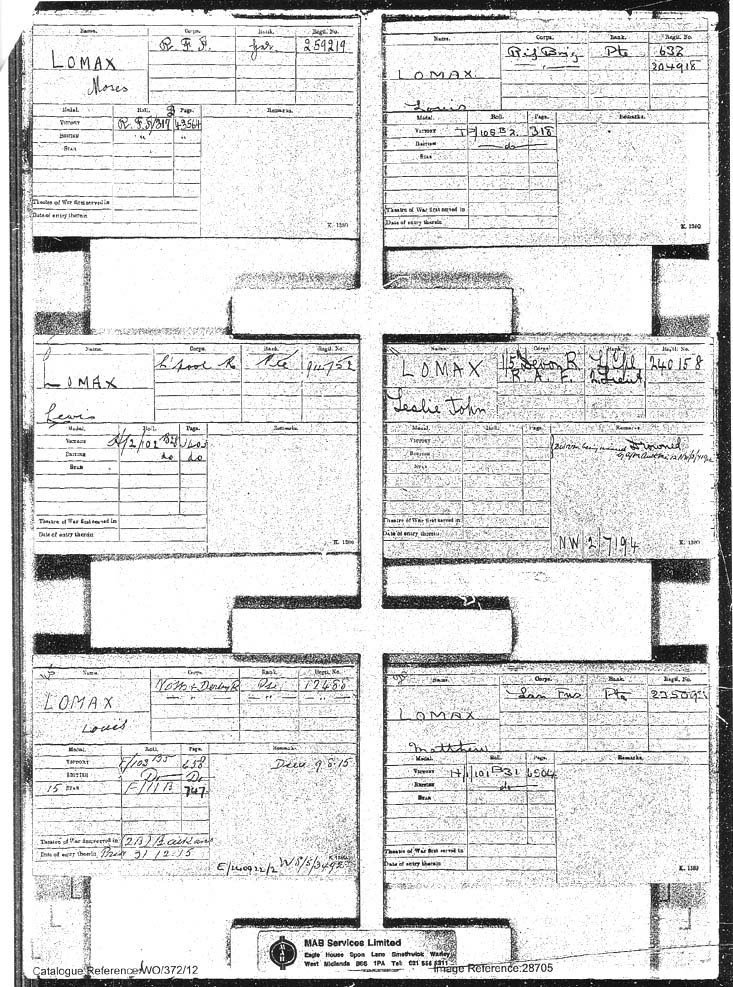 Matthew Lomax service Record |
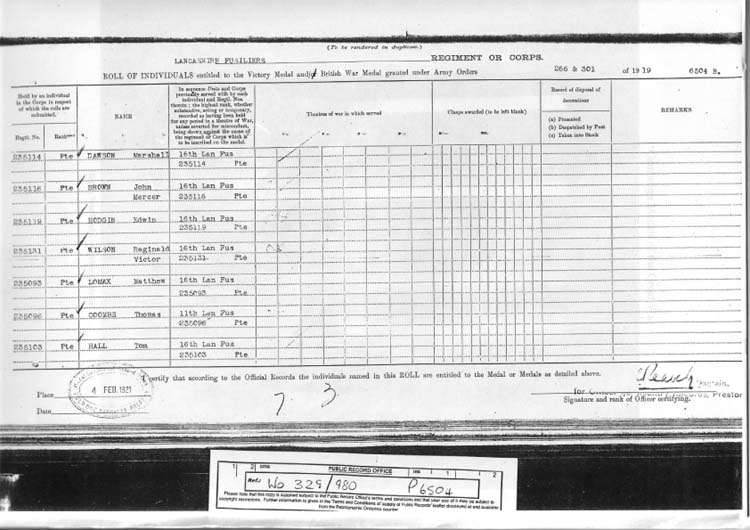 Medal entitlement Roll |
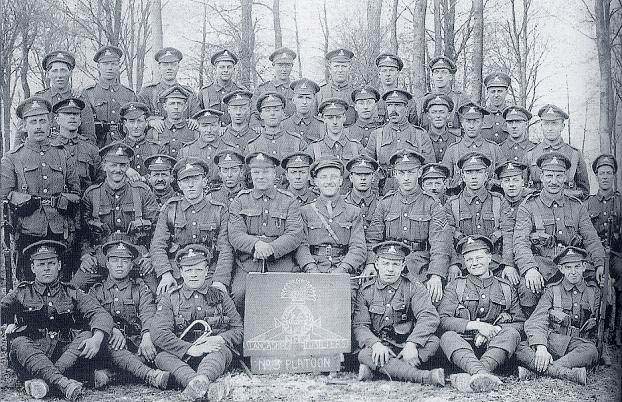 sent in by Mel Lomax |
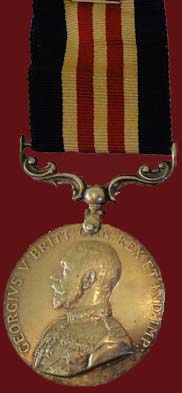 51469 Private John William Slade MM Date of Death: 05/11/1918 died from wounds Age:20 16th Bn Lancashire Fusiliers (2nd Salford Pals) John was awarded the MM "Posthumously" for the action in the capture of Ramicourt (Hindenburg Line) on the 2nd October 1918 during which he was mortally wounded and died of his wounds on the 5th November 1918 "The award was announced in the London Gazette on the 14th May 1919" PREMONT BRITISH CEMETERY 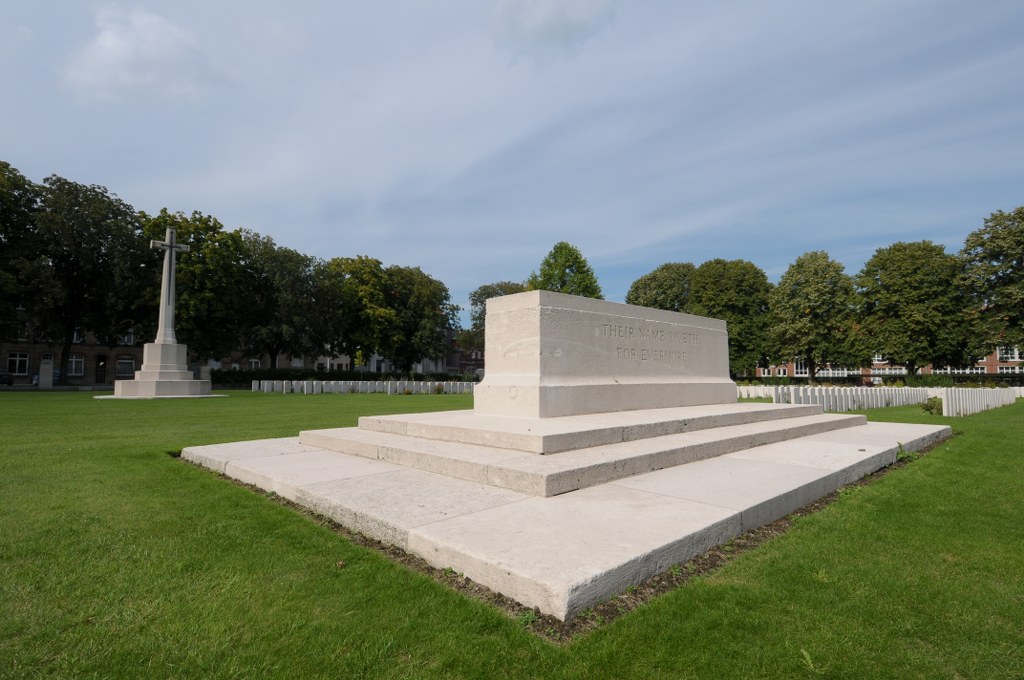 Grave ReferenceII. E. 13. 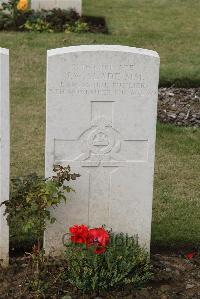 Additional Information: Son of William and Elizabeth Slade, of 18, Crosland Terrace, Helsby, Warrington, Cheshire. |
|
STONE, ARTHUR
Rank:Lieutenant Colonel Date of Death:02/10/1918 Age:41 Regiment/Service:Lancashire Fusiliers 16th Bn. Awards:D S O Grave ReferenceB. 12. CemeteryHANCOURT BRITISH CEMETERY Additional Information: Son of Emily Frances Stone, of 21, Vanbrugh Park, Blackheath, London, and the late Edward Stone. Arthur's Brother was Walter Napleton Stone VC 3rd Bn Royal Fusiliers Click here for more details of Walter |
|
These are pics of 37789 Samuel
Kershaw of the 16th Bn .
Born 28/03 1894 died in Stepping Hill Hospital 22/01/1964.
sorry the bottom 3 will not
enlarge
Sent in by grandaughter Barbara Marshall. 20 November 2011. 27/12/2011 |
|
Taken from the Bury Times
|
24 Lurgan Ave Fulham London. Died 27 Jan 1966 in Wolverhampton aged 74 of pneumonia 12019 Sgt Arthur Sidney Smith served in 8 Platoon of B Company 16th Bn the Lancashire Fusiliers ( The Second Salford Pals) His Company Commander was Captain T F Tweed and his CSM was W Robinson. His PLatoon Commander was Lt
C W Smith. He rescued 4 men after a mine
explosion and also made a gallant attempt to rescue a fifth man who
was lying out in the open with wounds. He was later transferred to
the Labour Corp as he had received a war wound, and became entitled
to the Silver War Wound Badge (SWB).
It is believed that William is one of the men who owed his life to Sgt Smith. |
|
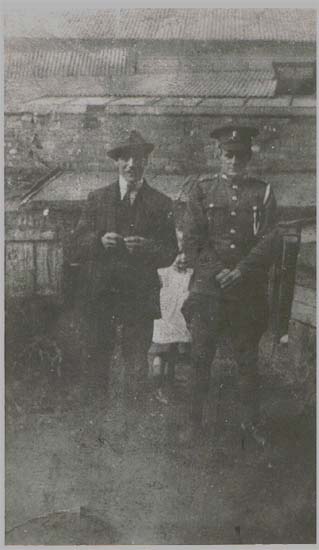
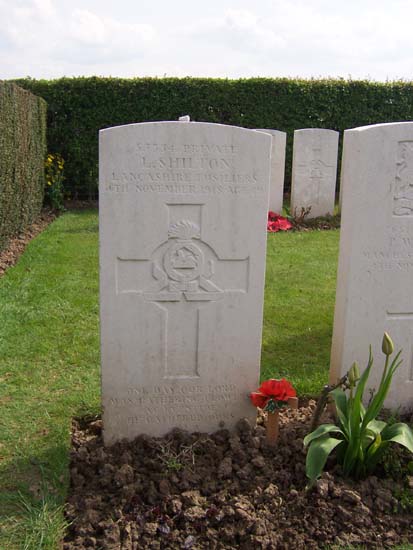
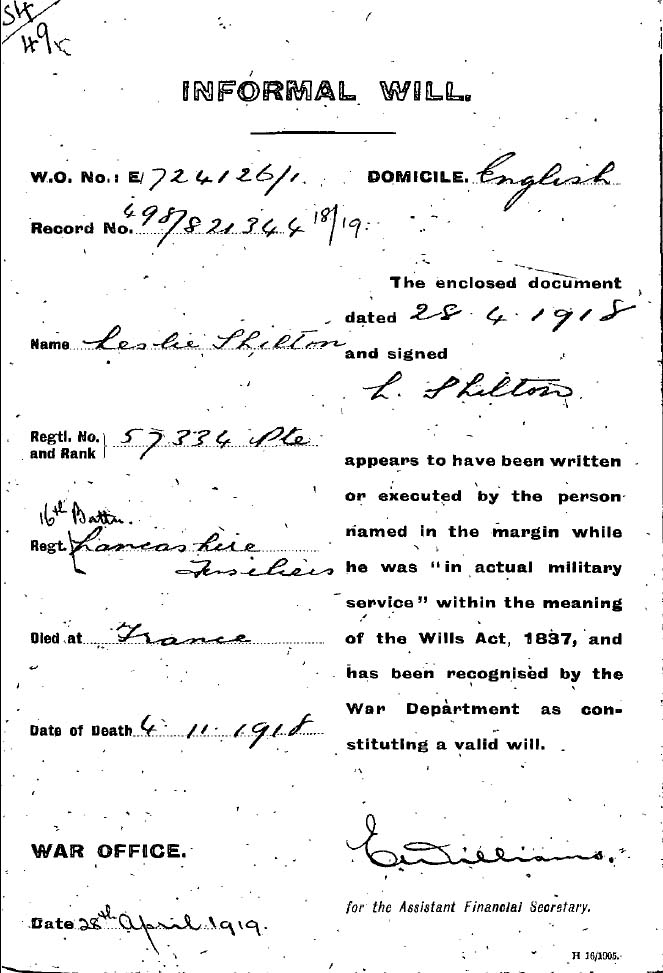
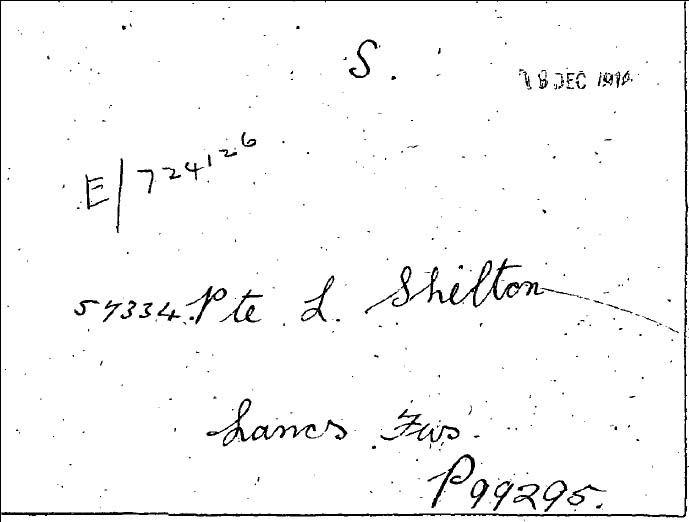
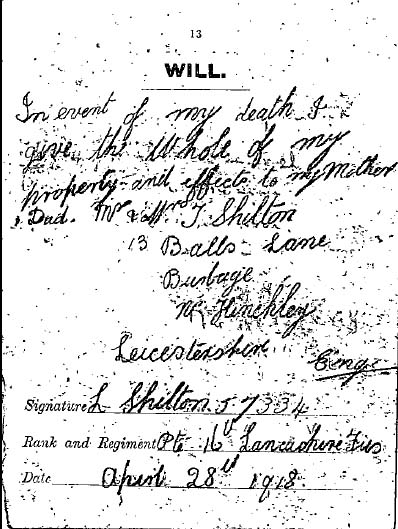
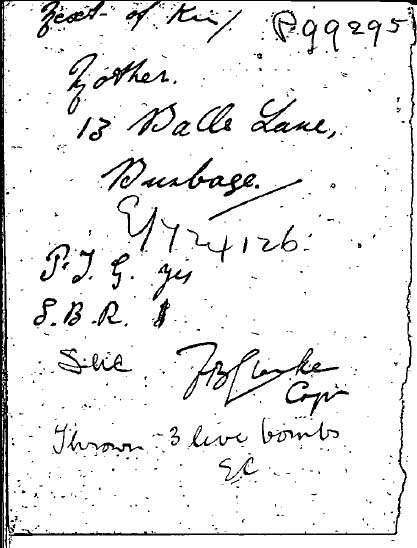
57334 Private Leslie Shilton
|
|
|
11557 Private JOHN JARDINE,
 Age: 39 Date of Death: 22/03/1916 Killed in action of wounds March 22nd 1916. http://www.cwgc.org/search/casualty_details.aspx?casualty=204919 He enlisted in Salford in 1916 and was placed in 12 Platoon C Coy 16th bn . His OC was captain R B Knott,his CSM was F A Ford. His Platoon Commander was Lt F J Hick and his Platoon Sgt was Sgt G Johnson. |
|
|
Corporal Harry Lloyd BIDMEAD
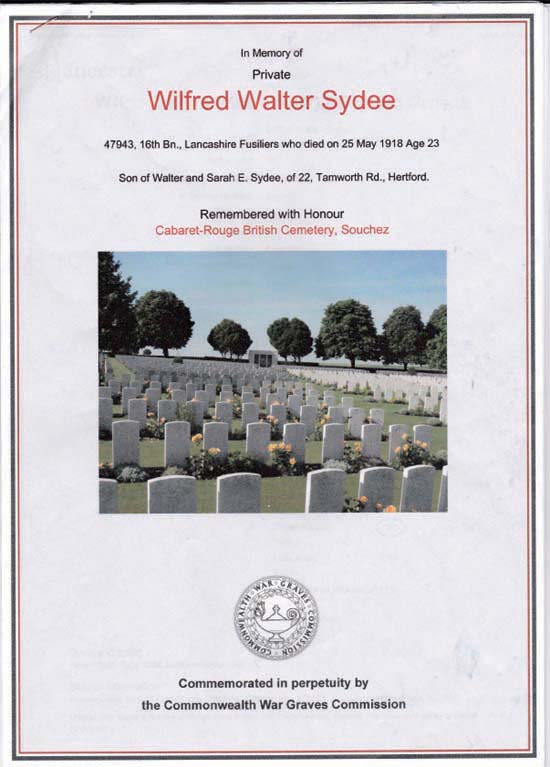
 Service No:12590, aged 23. Buried in Cabaret-Rouge British Cemetery, Souchez, Pas-de-Calais, France. http://www.cwgc.org/search/casualty_details.aspx?casualty=584948 |
|
Name in a tunnel—
before soldier’s death on the Somme
THE year is 1916 and behind the front lines of the Somme a young soldier sits in a cramped, dark tunnel waiting his turn to be called above ground to face almost certain death. For Kearsley soldier 11789 Private Harold Mottershead, of the Lancashire Fusiliers' 2nd Salford Pals, time hung heavy. And as he waited, he carved his name and battalion details on the tunnel walls, to ease the agony and to show he was there. Within hours, the young married man was dead killed in the first attack on Thiepval one of thousands of British troops lost on the nation's costliest day of a brutal war. His body was never found and he was listed missing in action. Decades went by and poppies covered the French fields where so many died, and the graffiti in the tunnels from the long-dead hands of British and Canadian soldiers lay undisturbed. The passages under the church in the village of Bouzincourt, originally created in the Middle Ages to allow local people to hide from invaders such as the Vikings, became dangerous and hard to reach. But a village official found his way through them to photograph the graffiti as a record of the "war to end all wars". And a former Bolton woman, who had married a Frenchman and made her life in the area, deciphered them. Paula Kesteloot, formerly Flanagan, is an ex-Farnworth Grammar School and Bolton South Sixth Form College student who is now teaching languages in French primary and secondary schools. She knows a great deal about the First World War and its local connections; she worked as a translator and text writer for the Somme trench museum and runs battlefield walks. She lives in Albert, which was a British garrison town on the western front of the Somme battlegrounds, and was intrigued by the soldiers' wartime words, especially those of Pte Motterhead, who came from Kearsley where she grew up. "All I know is that his wife at the time, Nancy Mottershead, became Nancy Street and her later address was 434 Manchester Road, Kearsley. "It was very moving when I read the words the soldiers wrote then, and I just thought that the families and remaining relatives would like to know about how they spent their final hours before they died," Paula explained. She also wants them to know that, in spite of the years and the distance, the soldiers are not forgotten in 2006. Young pupils in her primary school, Notre Dame, are each adopting one of the 20 soldiers identified from the tunnels as part of the 90th anniversary of the Somme battle on July 1. They will write a poem for each soldier, and read them at ceremonies at the two cemeteries where the soldiers are buried or whose names are on the famous Thiepval Monument. Then they will place their poem and a poppy for each soldier's name on the graves to show that, in the hearts of a new French generation, this corner of a French battlefield will be forever England. l Paula Kesteloot wishes to
thank Neil Drum for his book, God's Own, and the Lancashire Fusiliers
Museum in Bury in her battlefield researches. |