
|
1/5th
Bn Lancashire Fusiliers
1941-1943 WW2 |
|
The 108th Regiment Royal
Armoured Corps (The Lancashire Fusiliers) (108 RAC) was an armoured
regiment of the British Army's Royal Armoured Corps during World War
II.
Origin and traditions 108th Regiment RAC was formed at Barnard Castle on 1 November 1941 by the conversion to the armoured role of 1/5th (Bury) Battalion of the Lancashire Fusiliers, a 1st Line Territorial Army infantry battalion. 1/5th Battalion had been serving in 125th Infantry Brigade of 42nd (East Lancashire) Infantry Division, which were redesignated 10th Armoured Brigade and 42nd Armoured Division respectively. All three regiments in the brigade were drawn from the Lancashire Fusiliers and underwent simultaneous conversion (the other two became 109 RAC and 143 RAC). The regiment was intensely
proud of its Lancashire Fusiliers heritage, and always included the
name in its RAC designation. Soon after its conversion, the 108th's
officers were ordered to wear the black beret of the RAC with their
battledress uniform; but in common with other infantry units transferred
to the Royal Armoured Corps, personnel would have continued to wear
their Lancashire Fusiliers cap badge on the beret.[1] 108 RAC also continued
the Lancashire Fusiliers' commemoration of Gallipoli Day (25 April)
and Minden Day (1 August). Minden Day was celebrated by Trooping the
Colour, a drum-head service, and regimental sports, followed by the
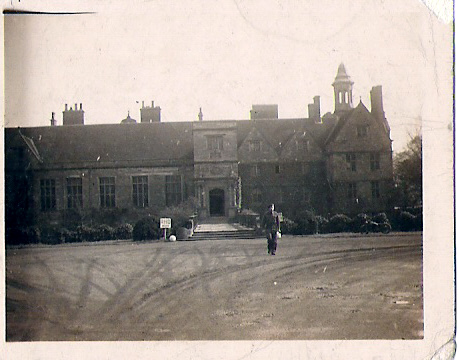
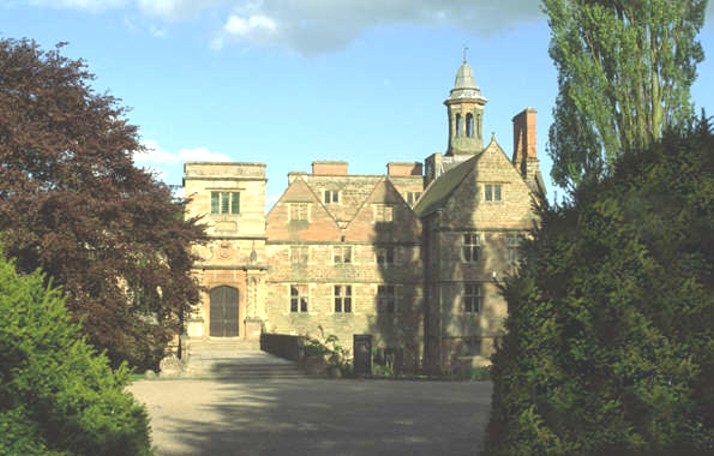
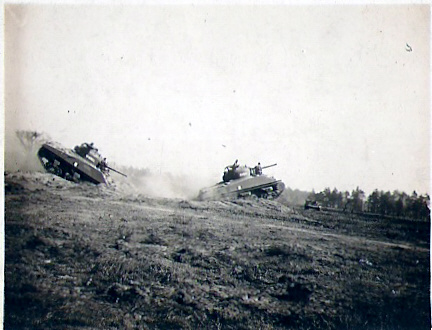
officers visiting the men at dinner. In January and February 1942 the regiment began to receive its first Covenanter tanks, some 'in extremely poor condition'. In May 1942, 10th Armoured Brigade was converted into 10th Tank Brigade. This meant that its role was changed from Cruiser to Infantry tanks, and 108 RAC began to receive Valentines and Churchills in place of Covenanters, which were passed on to the newly formed 1st Polish Armoured Division. The brigade also moved to the 'Dukeries' area of Nottinghamshire where RAC infantry tank training was carried out: 108 RAC moved to Rufford Abbey in June 1942. In October 1942, 10th Tank Brigade was attached to 48th (South Midland) Division, a Reserve infantry division tasked with holding and training reinforcements. In December the Brigade and its regiments were given the role of producing drafts for RAC units serving overseas. Consequently, in January 1943 108 RAC reorganised into three training wings: Wireless The regiment now held a very
mixed collection of tanks, including Cruiser Mk I, Cruiser Mk II, Cruiser
Mk IIa, Cruiser Mk III, Cruiser Mk IV, and Covenanters, Valentine and
Churchill infantry tanks, and later some Sherman Vs. Throughout 1943,
men were posted into the regiment from RAC training regiments, and posted
out to drafts for overseas service. In August 1943, rumours began to circulate that 10th Tank Brigade was scheduled for disbandment. Members of Parliament for the Lancashire towns complained about the possible loss of their TA battalions, and a recruiting team arrived to persuaded men to volunteer for the Parachute Regiment if the brigade disbanded. Although 10th Tank Brigade moved to Wensleydale in September, with 108 RAC at Wensley village, the impending disbandment was confirmed shortly afterwards. On 22 November the final announcement was received that 108 RAC would be disbanded by the end of the year, and 1/5th Lancashire Fusiliers would go into a state of suspended animation. Some officers were sent for retraining as infantry officers, but most of the officers and other ranks were posted to other RAC units or training regiments, with a few wireless operators transferring to the Royal Corps of Signals and gunners to the Royal Artillery. Postwar, 5th Battalion, Lancashire Fusiliers was reconstituted in the Territorial Army 1947. |
|
|
A
|
B
|
C
|
|
1
|
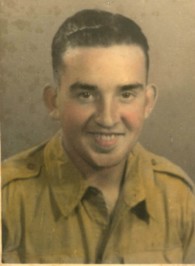
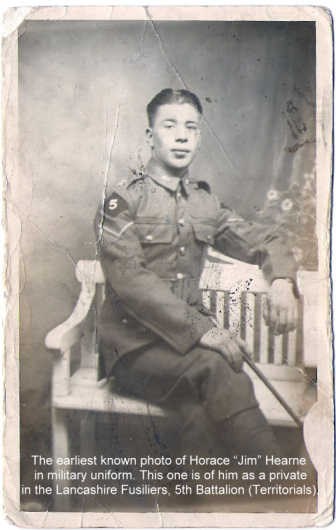
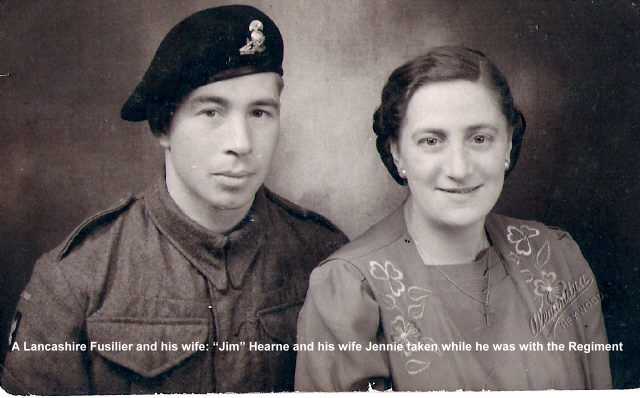
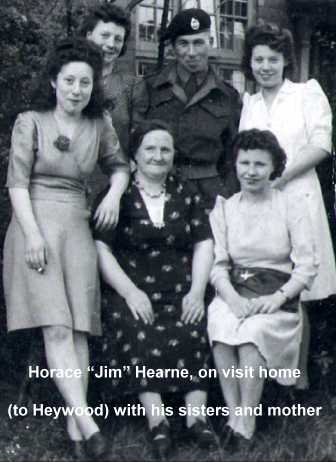
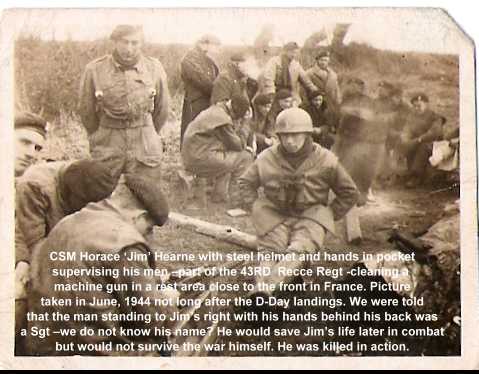 This is Jim Hearne he was 1/5th then (108 Regt R.A.C) on disbandment he went to 43rd Reece Regt |
 |
 |
|
2
|
 |
 |
 |
|
3
|
|
|
|
|
Sent in by
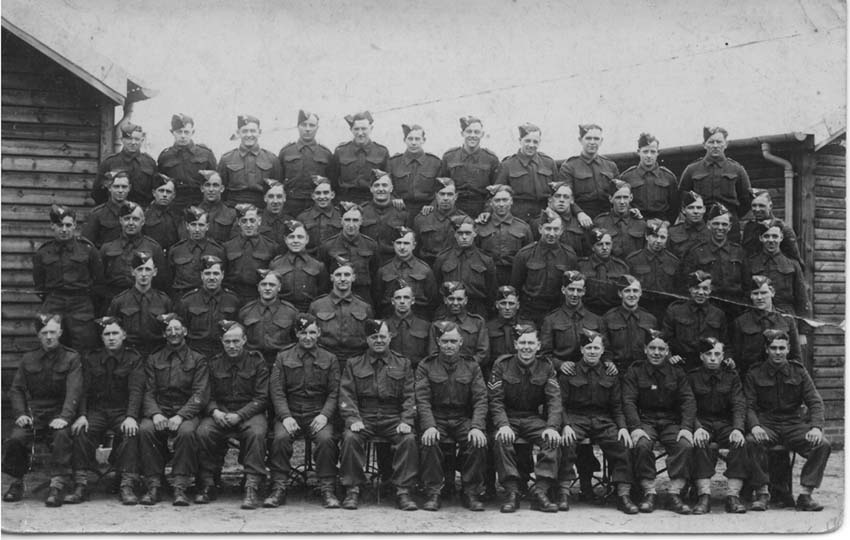
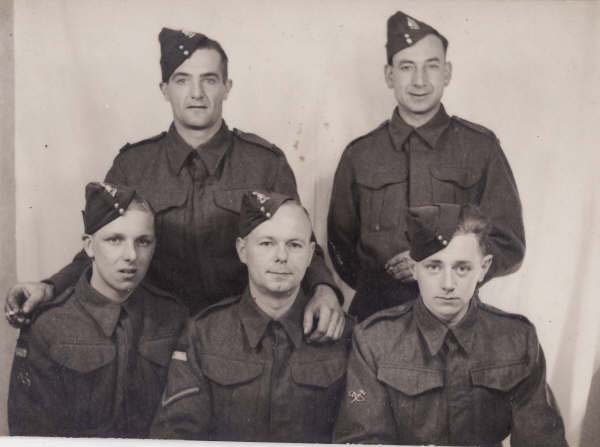
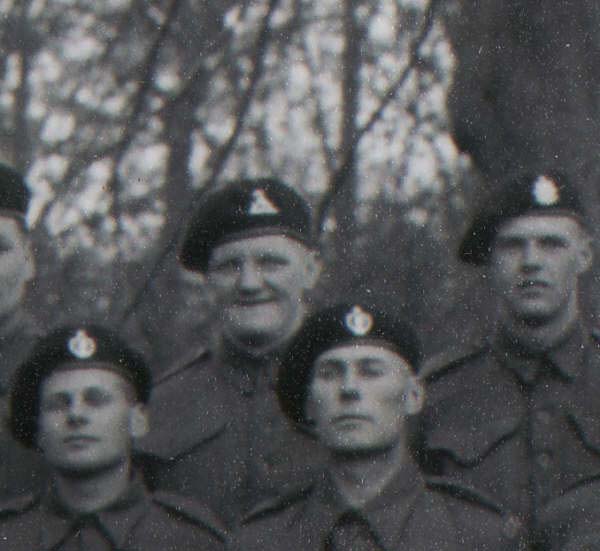
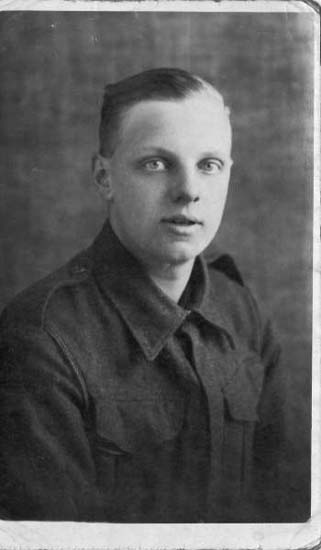
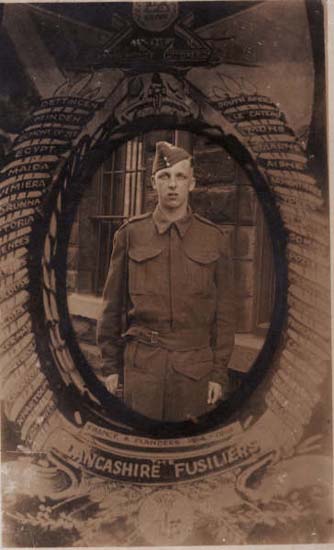
Trooper Robb. There is a trooper G Robb listed in the 1/5 LF (108 RAC) 1946 booklet as a member of HQ Sqn, so I believe him to be the same individual. His regimental number 7881646 indicates that he was RTR. Not surprising as once converted to RAC an influx of experienced RTR trooper, NCOs, WOs and officers came to bring their expertise to the converted infantry battalions. As you will see from the photo he is still wearing the LF cap badge he wore when in 108 RAC. It is an extract form a group photo of G Wing, 100 OCTU (Sandhurst) taken in April 44. By the way on that very interesting list in the 1946 booklet I found at least three ex 108 RAC officers: Lt Clark, Hird and Moxon who were KIA in 1944 serving in armoured regiments. One in Italy and two in N.W.E. 1. Set of photos linked to Corporal J G Hofton. You might be interested by the following to add to your site. There are photos of the MT section of 1/5 Lancs Fus taken sometime between I believe end of 1940 and before conversion to a RAC regt i.e end of Oct 1941. In fact I noticed that it is the photo listed in your 2bn section. I can say that because the photo I am sending you is on a frame with at the top the mention "1/5 Lancashire Fusiliers MT section". To get a better resolution I unframed it. The title is attached if you can reunite them. The reason for those dates is the fact that some of them on the photo are wearing the 42 Inf Div flash, a red Arm of service strip for 125 Inf Bde and the bn flash (difficult to see but badges are there when using a magnifying glass). Set of badges which were not worn as such before end of 1940 early beginning of 41. But I am opened to any other information. Fourth row extreme right is J G Hofton. By the way I would be interested if you had any information on Platoon Sergeant Major (WO III) F Hawkins and the two sergeants seated in front. They were probably either regulars coming form an active LF Battalion or were recalled to the Colours! PSM Hawkins hs at least two ribbons (India?). 2. Photo of five Fusiliers. Fusilier (then) 3451299 J G Hofton is front row extreme left. He is listed in 108 RAC booklet as C Sqn. His AB 64 mentionned him qualified and employed as a Motor Mechanic. He was by trade as a civilian a lorry driver. Something less common in 1939 than to day. 3. The man in the middle front row is (to be confirmed) 3456815 Fus W Furnevall. He is also listed in the 1946 booklet as HQ Sqn 108 RAC. Extreme right is 3457314 Fus E L Thomas. Listed as HQ Sqn 108 RAC. Standing behing Thomas is Fus 3452335 C Button , listed in HQ Sqn 108 RAC. I could not identify the last man. The four identified men are in the large picture. 4. Photo of Fusiliers J G Hofton probably taken early after joining given the way he is dressed i.e. BD blouse a bit loose and not very well fitted. Once published in February 2009 I will forward to you a copy of the magazine. The article is not specifically around the Lancashire Fusiliers but I believe will interest you as it is part of the history of the Infantry battalions during WW II which has been quite forgotten. Hoping that it is of some interest to you |
|
"This is a short account
of the 2 year period 1941 to 1943 when the 1/5th LF
(now re retrained as an Armoured Regiment and known as the 108th Regiment RAC) were to spend their last 2 years in the UK before disbandment"
|
|
" The Last Minden Parade
of 1/5LF(108 Regiment RAC)
|